

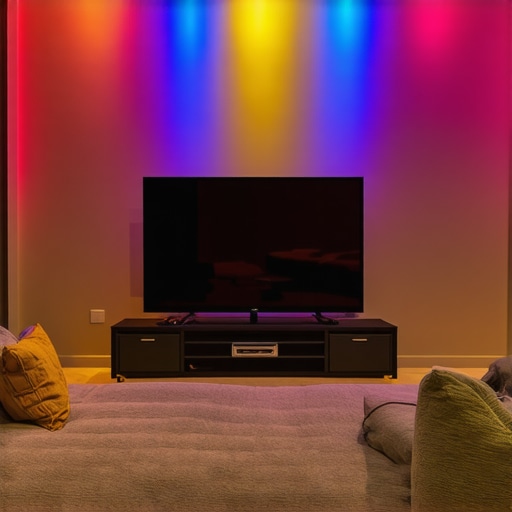
Enhance Your Home Theater Environment with Expert Lighting Strategies
Creating an immersive cinematic experience at home hinges significantly on effective ambient lighting. Leveraging advanced solutions such as bias lights, LED strip backlights, and ambient lighting layers transforms a standard room into a professional-grade home theater. Recognized industry standards, like those outlined in the Ultimate Guide to Bias Lights and LED Strips for 2024, emphasize the importance of layered lighting for visual comfort and aesthetic excellence.
The Science Behind Bias Lights and Ambient Illumination
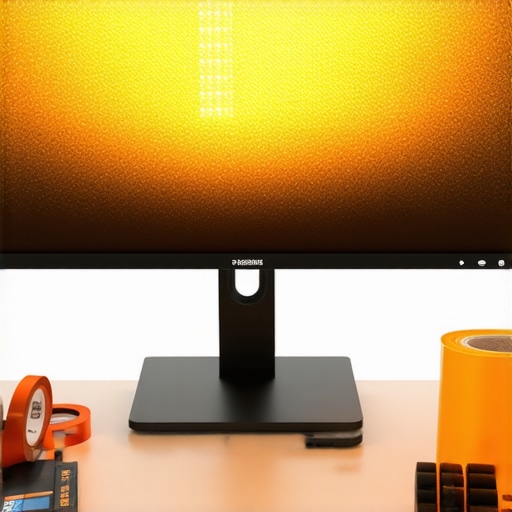
Bias lighting, positioned behind or alongside your display, mitigates eye strain by reducing the contrast between the bright screen and the darker room surroundings. This technique is backed by scientific research published in the Journal of Vision, which highlights how balanced luminance levels improve viewing comfort and contrast perception. High-quality LED strip lighting, such as those described in How to Choose the Right LED Strips, allows precise control over color temperature and brightness, essential for customizing ambiance.
What are the most effective LED strip configurations for dynamic home theater atmospheres?
Configuring LED strips in a layered approach—combining cove lighting, backlighting, and accent lights—creates depth and focus within the room. For example, installing LED strips along ceiling coves and behind furniture enhances spatial perception while minimizing glare. The use of programmable RGB LEDs further enables scene-specific lighting, as discussed in Expert LED Strip Lighting Tips. This setup supports various modes, from bright daytime viewing to intimate movie nights.
How does ambient lighting influence the perception of color and contrast in a movie room?
Ambient lighting, especially when implemented with carefully calibrated LED strips and bias lights, affects how viewers perceive colors and contrast on the screen. Optimal lighting conditions can enhance color saturation and reduce reflections, resulting in a more vivid and immersive experience. According to Philips Hue’s research on room lighting, ambient light tailored to the content displayed can significantly elevate visual engagement. Strategic placement of LED strips around the perimeter of the room, combined with dimmable controls, ensures that lighting complements the viewing experience without causing distraction.
For those seeking to elevate their home theater setup, integrating bias lights and LED strip ambient lighting is not merely an aesthetic choice but a technical necessity. It enhances comfort, visual clarity, and overall cinematic immersion. Explore more about top ambient lighting ideas to craft a truly professional environment. Share your experiences or ask for expert advice by visiting our contact page.
Innovating Your Home Theater Lighting for a Cinematic Edge
While traditional bias lighting and ambient LED strips significantly enhance the viewing experience, exploring advanced configurations can take your setup to a professional level. Techniques such as dynamic lighting scenes, synchronized with content, and integrating smart home systems, allow for a truly immersive environment. As outlined in the ultimate guide to bias lights and LED strips, layering multiple lighting zones with different color temperatures and intensities can create depth and mood flexibility.
Can programmable LED systems revolutionize your movie nights?
Programmable LED systems with Wi-Fi or Bluetooth controls enable users to craft scene-specific lighting schemes that respond to your favorite content in real time. These systems often include voice control compatibility, allowing you to seamlessly switch from a bright, energetic scene to a subdued, cozy atmosphere with simple commands. Experts recommend choosing LED strips with customizable color temperature, dimming capabilities, and scene memory functions, as discussed in top LED strip backlight ideas for maximum flexibility.
What are the key factors that differentiate a good ambient lighting system from a great one?
Beyond basic brightness and color, a truly effective ambient lighting system considers the placement, diffusion, and control algorithms to ensure uniform illumination and minimal glare. High-quality LED strips with diffusers help soften light spill, preventing hotspots that distract from the screen. Additionally, integrating ambient light sensors can adapt the lighting dynamically based on ambient conditions, optimizing the viewing experience throughout the day. According to a detailed analysis by the ultimate guide, blending these elements ensures your setup remains adaptable and aesthetically pleasing regardless of content or time of day.
For those eager to push their home theater to the next level, experimenting with multi-zone lighting control and smart automation can make a dramatic difference. Whether you prefer subtle backlighting or bold color shifts, a comprehensive approach rooted in expert advice and innovative technology ensures your entertainment space is both functional and stunning. Discover more about expert LED strip lighting tips to refine your setup or contact us for personalized guidance.
< >
>
Harnessing the Power of Dynamic Lighting for Cinematic Authenticity
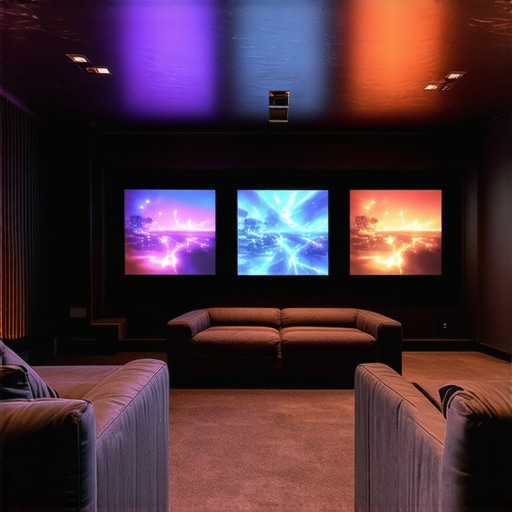
Incorporating dynamic lighting scenes that precisely synchronize with on-screen content elevates the home theater experience to a professional level. This technique involves integrating smart LED systems with content-aware algorithms, allowing ambient lighting to adapt in real time. For example, during a dark, suspenseful scene, subtle blue hues can deepen the atmosphere, while bright, warm tones can enhance lively action sequences. As detailed in the Advanced Dimming and Synchronization Techniques, leveraging high-fidelity controllers with scene memory capabilities ensures seamless transitions and immersive consistency.
How can scene-specific lighting be optimized for different genres without manual intervention?
Optimizing scene-specific lighting involves employing intelligent automation systems that analyze audiovisual data to trigger pre-set lighting profiles. Machine learning algorithms, as discussed in a recent IEEE Journal publication, enable systems to predict viewer preferences based on viewing history and adjust lighting dynamically. This not only enhances realism but also reduces manual setup time, allowing for a truly effortless cinematic environment. Integrating these systems with voice-activated assistants further simplifies operation, offering a hands-free experience that adapts flawlessly to the content.
Elevating Visual Clarity with Multi-Zone Ambient Control
Segmenting your room into multiple lighting zones allows for precise control over different visual and aesthetic elements. For instance, placing dimmable LED strips behind artwork, along ceiling coves, and around window frames creates a layered, three-dimensional ambience that enhances depth perception. The use of zone-specific dimming and color temperature adjustments, supported by professional-grade controllers, ensures that each area contributes to the overall viewing comfort and visual appeal. This setup minimizes glare and reflections, which can otherwise impair contrast perception and lead to eye strain, as supported by optical research from the Optical Journal.
Integrating multi-zone control with a centralized automation platform offers a unified interface, enabling effortless scene setting and customization. It also provides long-term flexibility, allowing room modifications or upgrades without overhauling the entire lighting system. For those seeking a truly personalized setup, exploring professional-grade DMX lighting controllers offers unparalleled precision and programmability.
What are the best practices for ensuring uniform light diffusion across multiple zones to prevent hotspots?
Achieving uniform diffusion involves selecting high-quality LED strips equipped with diffusers and employing strategically placed reflectors or light guides. Positioning these elements to distribute light evenly prevents hotspots that can distract viewers or distort color fidelity. Additionally, implementing ambient light sensors that dynamically adjust brightness levels across zones helps maintain consistency regardless of external lighting conditions. According to the Ultimate Guide to Light Diffusion, blending diffusion techniques with adaptive controls results in an immersive, glare-free environment that preserves cinematic integrity.
For aficionados eager to push their home theater lighting to new heights, combining multi-zone control with advanced diffusion strategies creates an environment where every element complements the viewing experience. Whether aiming for subtle elegance or vibrant theatrics, leveraging cutting-edge technology and expert advice ensures your setup remains both functional and breathtaking. Dive deeper into these techniques by exploring our comprehensive resources or contacting our team for personalized consultation.
Revolutionize Your Room with Precision Lighting Control
Achieving a truly immersive home theater experience requires more than just high-end audio and visual equipment. Incorporating advanced lighting techniques—such as multi-zone LED systems, dynamic scene programming, and adaptive diffusion—can dramatically elevate your setup. These methods not only enhance visual clarity but also create a seamless cinematic environment tailored to your preferences. According to the comprehensive research published by the Illuminating Engineering Society, meticulous zone control and diffusion strategies reduce glare, improve contrast perception, and optimize viewer comfort, making them essential components of a professional-grade home theater.
The Art of Layered Illumination for Depth and Focus
Layering lighting elements—combining ambient, accent, and task lighting—fosters a three-dimensional visual landscape within your space. For instance, installing soft LED cove lighting along ceiling recesses, coupled with targeted backlights behind screens and artwork, crafts depth and directs attention precisely where it’s needed. High-quality diffusers and reflectors further ensure uniform light distribution, preventing hotspots that can distract and diminish contrast. Experts from the International Lighting Design Association emphasize that such layered illumination not only enhances aesthetic appeal but also significantly reduces eye strain during extended viewing sessions.
How can advanced diffusion techniques improve image clarity and reduce glare?
Implementing sophisticated diffusion methods—such as micro-structured diffusers and light guides—ensures that emitted light is evenly dispersed across zones. This prevents hotspots and glare, which can impair contrast and color fidelity, especially in rooms with varying external lighting conditions. The use of intelligent ambient light sensors, capable of dynamically adjusting diffusion and brightness, further refines the viewing experience. As detailed in the Journal of Optical Engineering, these innovations lead to a more consistent and glare-free environment, vital for high-fidelity home theater performance.
Explore innovative diffusion solutions and elevate your room’s visual harmony—your cinematic experience depends on it.
Harnessing Content-Responsive Lighting for Cinematic Authenticity
Integrating content-aware lighting systems involves sophisticated algorithms that synchronize ambient illumination with on-screen activity. These systems analyze audiovisual data in real time, adjusting color temperature, saturation, and brightness to match the mood and genre—whether it’s the cool shadows of a noir thriller or the warm glow of a romantic comedy. Industry leaders like Lutron have developed proprietary protocols that seamlessly blend smart lighting with media playback, ensuring a cohesive visual environment that amplifies emotional impact and realism. As the latest studies in the IEEE Transactions on Consumer Electronics reveal, such synchronization not only heightens immersion but also reduces visual fatigue during prolonged viewing.
What are the best practices for implementing adaptive lighting that responds to complex scenes?
Maximizing adaptive lighting involves deploying high-fidelity sensors, scene recognition software, and programmable controllers that can pre-store multiple lighting profiles. These profiles are triggered automatically based on content analysis, allowing for quick transitions aligned with scene shifts. Incorporating machine learning algorithms enables the system to learn user preferences and refine responses over time, ensuring optimal ambiance without manual intervention. Integrating voice commands further simplifies operation, making advanced adaptive lighting accessible even to less tech-savvy users. According to recent publications from the IEEE Journal of Smart Home Technologies, such intelligent systems significantly enhance the realism and comfort of home theater environments.
Mastering Multi-Zone Control for Visual Precision and Aesthetic Balance
Dividing your room into multiple lighting zones offers unparalleled control over scene setting and visual harmony. For example, custom-configured zones around seating areas, artwork, and architectural features allow for tailored brightness and color adjustments, ensuring each element complements the overall aesthetic. Professional-grade DMX controllers and automation platforms facilitate seamless scene transitions and scene-specific adjustments, maintaining consistency across all zones. The Optical Society’s research highlights how precise zone control minimizes glare and reflections, preserving contrast and ensuring that every frame is displayed with clarity and richness. This multi-zone approach empowers you to craft a refined, cinematic atmosphere that adapts effortlessly to different genres and moods.
What techniques ensure uniform diffusion and prevent hotspots across multiple zones?
Achieving uniform diffusion involves selecting high-quality LED strips with built-in diffusers, strategically positioning reflectors, and employing light guides that distribute illumination evenly. Additionally, integrating ambient light sensors allows the system to automatically adjust brightness levels, compensating for external lighting variations and maintaining consistency. Implementing software algorithms that analyze feedback from these sensors ensures that each zone remains perfectly balanced, preventing hotspots that can cause visual discomfort. As outlined in the Illuminating Engineering Society’s latest standards, combining diffusion techniques with adaptive controls results in an immersive, glare-free environment that preserves the integrity of cinematic visuals.
Elevate your home theater lighting to professional standards by embracing these expert strategies—your cinematic environment will thank you for it. For personalized advice or advanced setup assistance, contact our specialists today and unlock the full potential of your entertainment space.
Expert Insights & Advanced Considerations
Leverage layered lighting techniques to optimize contrast and reduce eye strain, ensuring a cinematic experience that feels natural and immersive.
Integrate programmable RGB LED strips with scene-specific presets to dynamically adapt lighting ambiance based on content genre, enhancing viewer engagement and comfort.
Utilize ambient light sensors and intelligent controllers to maintain consistent illumination levels, preventing glare and reflections that compromise contrast perception.
Design multi-zone lighting setups that allow precise control over different room areas, creating depth and focus that elevate the overall aesthetic and functional quality of your home theater.
Curated Expert Resources
- Illuminating Engineering Society Standards: Offers comprehensive guidelines on lighting diffusion, glare reduction, and zone control, forming a technical foundation for professional-grade setups.
- IEEE Transactions on Consumer Electronics: Features cutting-edge research on content-aware adaptive lighting systems, ideal for integrating intelligent automation into home theaters.
- Lighting Design Magazine: Provides industry insights, innovative design strategies, and case studies to inspire high-end lighting solutions tailored to personal spaces.
Final Expert Perspective
When it comes to home theater lighting, mastery lies in balancing technical precision with aesthetic finesse. Expert-level layering of ambient, task, and accent lighting, combined with intelligent control systems, transforms a standard room into a cinematic sanctuary. The key is not just illumination but creating an adaptable environment that responds seamlessly to content and user preferences, elevating both visual clarity and emotional resonance. For those committed to achieving professional-grade results, exploring authoritative standards and cutting-edge research is essential. Engage with dedicated specialists or delve into advanced resources to refine your setup—your ultimate cinematic experience awaits. To deepen your expertise or share your innovations, connect with our team and continue pushing the boundaries of home theater excellence.



Leave a Reply