Sculpting the Perfect Visual Atmosphere: An Expert’s Guide to Selecting LED Strips for Your Home Theater
Transforming your home theater into a cinematic sanctuary hinges on more than just high-quality screens and sound systems; ambient lighting plays a pivotal role in crafting an immersive experience. Among the myriad options, LED strips stand out for their versatility, affordability, and aesthetic appeal. But how do you navigate the maze of choices to find the perfect LED strips that complement your space? As a seasoned home theater enthusiast with years of experience, I’ll guide you through the essential factors to consider, ensuring your lighting setup elevates your viewing pleasure.
Understanding Your Home Theater’s Unique Lighting Needs
What makes LED strips a superior choice for ambient lighting?
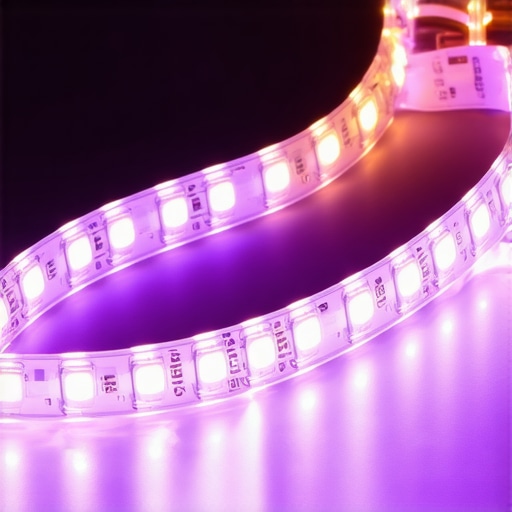
LED strips offer customizable length, color, and brightness, making them ideal for creating tailored lighting effects. Unlike traditional lighting, LED strips can be discreetly installed along walls, under shelves, or behind screens, providing indirect illumination that reduces eye strain and enhances contrast. For a truly immersive experience, the choice of LED technology—RGB, RGBW, or tunable white—affects the overall ambiance and color fidelity. According to lighting industry standards from OSRAM, quality LED strips ensure consistent color output and longevity, key factors for long-term satisfaction.
Key Specifications to Consider: Brightness, Color, and Compatibility
Which technical aspects should you prioritize when selecting LED strips?
Brightness, measured in lumens, determines how much ambient glow the strips provide. For a home theater, a moderate level—around 150-300 lumens per meter—is often sufficient to create a cozy yet immersive environment. Color options expand your creative control; RGB strips offer a wide palette, while RGBW or tunable white strips allow for more nuanced lighting adjustments. Compatibility with your control systems—smart home integrations like Alexa or Google Assistant—can streamline the user experience. Ensure the LED strips are compatible with your existing power supply and controllers to avoid connectivity issues.
Installation Tips from a Home Theater Connoisseur
How can strategic placement enhance your lighting ambiance?
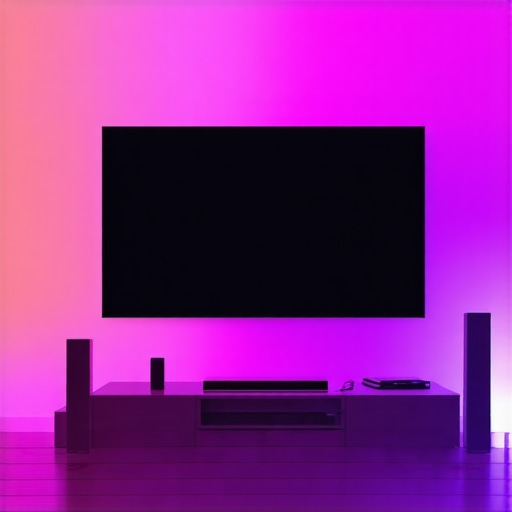
Placement is everything. Installing LED strips behind the TV or along the ceiling edges can produce a soft backlight that reduces glare and enhances perceived contrast. For dynamic effects, consider installing them along shelves or architectural features to add depth and dimension. Use diffusers or frosted covers to soften the light and prevent hotspots, creating a more uniform glow. For guidance on optimal placement, check out our comprehensive guide on Backlight Techniques to Elevate Your Home Theater Experience.
Choosing Quality Over Cost: The Expert’s Verdict
While budget options can be tempting, investing in high-quality LED strips ensures durability, better color accuracy, and safer operation. Look for reputable brands with positive reviews and warranties. Remember, cheap LEDs may fade or flicker over time, compromising your setup’s aesthetics and functionality. For a reliable source of expert advice, consult reports from U.S. Department of Energy on energy-efficient lighting solutions, which emphasize the importance of high-quality components for longevity and safety.
Frequently Asked Question: Can LED strips damage my eyes or affect sleep?
With proper brightness and color temperature settings—preferably warm whites or dimmed RGB—LED strips are safe and can even be beneficial by reducing eye strain. However, excessive brightness or blue-rich light sources close to bedtime may interfere with sleep cycles. It’s advisable to use dimmable and tunable options to adjust lighting according to your mood and time of day.
If you found this guide helpful, share your own tips or ask questions in the comments below. For more expert insights, explore our article on Enhance Your Home Theater with Expert LED Strip Lighting Tips.
How Can Advanced LED Technologies Further Enhance Your Home Theater Ambiance?
Innovations in LED technology continue to push the boundaries of home theater lighting, offering more precise control, better color rendering, and energy efficiency. For instance, OLED-based LED strips or those incorporating micro-LEDs can deliver finer color gradations and smoother transitions, creating more realistic and immersive lighting effects. According to a recent comprehensive review from Philips Lighting, these advancements enable homeowners to tailor their lighting with unprecedented detail, syncing perfectly with video content for a seamless viewing experience.
What should you consider when integrating smart controls for your LED strips?
Smart lighting integration is a game-changer for home theaters. Compatibility with voice assistants like Alexa, Google Assistant, or Apple HomeKit allows for effortless control—adjusting brightness, color, and even creating dynamic lighting scenes with simple voice commands or mobile apps. When choosing LED strips, verify that they support Zigbee, Z-Wave, or Wi-Fi protocols, enabling reliable connectivity with your existing smart home ecosystem. Moreover, investing in controllers with programmable routines can automate lighting based on your viewing schedule, enhancing convenience and ambiance consistency.
Is Your Installation Strategy Considering Future Expansion and Adjustments?
Planning for scalability is essential. A well-designed wiring plan and modular LED strip segments allow for easy expansion or reconfiguration as your home theater setup evolves. For example, if you decide to upgrade your projector or add new architectural features, having a flexible wiring setup ensures your lighting system adapts without costly rewiring. Use accessible power sources and consider the placement of controllers to facilitate future adjustments. To learn more about installation techniques, revisit our guide on Backlight Techniques to Elevate Your Home Theater Experience.
How Do You Balance Cost with Long-Term Reliability and Performance?
While budget-friendly options might seem tempting initially, investing in premium LED strips pays off over time. High-quality products from trusted brands like Philips Hue or LIFX come with warranties, consistent color fidelity, and longer lifespan, reducing maintenance and replacement costs. Additionally, opting for energy-efficient models not only benefits the environment but also lowers ongoing electricity expenses. For expert advice on making wise investments, consult authoritative reports from U.S. Department of Energy, which emphasize the importance of durability and efficiency in lighting choices.
Share Your Lighting Success Stories or Challenges
Have you experimented with different LED strip configurations or control systems? Sharing your experiences can help fellow enthusiasts avoid common pitfalls and discover innovative solutions. Whether it’s overcoming installation hurdles or achieving the perfect color harmony, your insights enrich the community. For more ideas, consider exploring additional resources like Enhance Your Home Theater with Expert LED Strip Lighting Tips.
How Can Advanced LED Technologies Further Enhance Your Home Theater Ambiance?
Emerging innovations in LED technology are revolutionizing the way enthusiasts craft their home theater environments, pushing the boundaries of color accuracy, control precision, and energy efficiency. OLED-based LED strips, micro-LEDs, and quantum dot-enhanced LEDs are among the forefront of these advancements, offering a palette of options that deliver more immersive and realistic lighting effects. These technologies enable lighting to seamlessly synchronize with video content, creating an integrated sensory experience that elevates cinematic immersion to a new level.
What are the key benefits of integrating micro-LEDs and quantum dot technology into home theater lighting?
Micro-LEDs, characterized by their tiny pixel size, provide remarkable improvements in color rendering, contrast, and response times. When embedded in LED strips, they allow for finer gradations in hue and brightness, resulting in more nuanced ambient lighting that adapts dynamically to the content being viewed. Quantum dot technology enhances the spectral output of LEDs, producing richer reds, greens, and blues with greater accuracy, which in turn ensures that ambient lighting complements the display’s color profile without distortion. According to a comprehensive review by Philips Lighting, these innovations facilitate lighting that not only matches but enhances the visual experience, making it more vivid and engaging.
How do OLED-based LED strips redefine flexibility and realism in home theater lighting?
OLED (Organic Light Emitting Diode) technology stands out for its ability to produce ultra-thin, flexible, and self-emissive lighting panels. When adapted into LED strip form, OLEDs offer unparalleled control over light diffusion and uniformity, enabling the creation of almost invisible lighting sources that seamlessly blend into architectural elements. This results in ambient lighting that appears to emanate naturally from surfaces, eliminating hotspots and harsh shadows. The dynamic range and high color fidelity of OLEDs allow for subtle shifts in hue and intensity, mirroring the cinematic nuances of modern films. As detailed in recent studies from OSRAM, OLED-based lighting systems are setting new standards in aesthetic elegance and functional performance.
What considerations should you keep in mind when incorporating these advanced lighting solutions into your setup?
While these cutting-edge technologies unlock new creative possibilities, they also demand thoughtful integration. Compatibility with existing smart home ecosystems, control protocols, and power supplies is crucial to ensure seamless operation. Moreover, advanced LED systems can be more sensitive to temperature and voltage fluctuations, necessitating high-quality drivers and climate control measures. To maximize longevity and performance, selecting reputable brands that provide detailed specifications and warranties is essential—especially when investing in OLED or micro-LED systems. Consulting expert installers and referencing authoritative industry reports, such as those from the U.S. Department of Energy, can guide you in making informed decisions that balance innovation with reliability.
By embracing these technological frontiers, home theater aficionados can craft environments that are not only visually stunning but also dynamically responsive and energy-efficient, transforming passive viewing into an active, multisensory journey. For those eager to explore further, consider engaging with specialized forums or professional consultation to tailor these advanced solutions precisely to your space and aesthetic preferences.
Sculpting the Perfect Visual Atmosphere: An Expert’s Guide to Selecting LED Strips for Your Home Theater
Transforming your home theater into a cinematic sanctuary hinges on more than just high-quality screens and sound systems; ambient lighting plays a pivotal role in crafting an immersive experience. Among the myriad options, LED strips stand out for their versatility, affordability, and aesthetic appeal. But how do you navigate the maze of choices to find the perfect LED strips that complement your space? As a seasoned home theater enthusiast with years of experience, I’ll guide you through the essential factors to consider, ensuring your lighting setup elevates your viewing pleasure.
Understanding Your Home Theater’s Unique Lighting Needs
What makes LED strips a superior choice for ambient lighting?
LED strips offer customizable length, color, and brightness, making them ideal for creating tailored lighting effects. Unlike traditional lighting, LED strips can be discreetly installed along walls, under shelves, or behind screens, providing indirect illumination that reduces eye strain and enhances contrast. For a truly immersive experience, the choice of LED technology—RGB, RGBW, or tunable white—affects the overall ambiance and color fidelity. According to lighting industry standards from OSRAM, quality LED strips ensure consistent color output and longevity, key factors for long-term satisfaction.
Key Specifications to Consider: Brightness, Color, and Compatibility
Which technical aspects should you prioritize when selecting LED strips?
Brightness, measured in lumens, determines how much ambient glow the strips provide. For a home theater, a moderate level—around 150-300 lumens per meter—is often sufficient to create a cozy yet immersive environment. Color options expand your creative control; RGB strips offer a wide palette, while RGBW or tunable white strips allow for more nuanced lighting adjustments. Compatibility with your control systems—smart home integrations like Alexa or Google Assistant—can streamline the user experience. Ensure the LED strips are compatible with your existing power supply and controllers to avoid connectivity issues.
Installation Tips from a Home Theater Connoisseur
How can strategic placement enhance your lighting ambiance?
Placement is everything. Installing LED strips behind the TV or along the ceiling edges can produce a soft backlight that reduces glare and enhances perceived contrast. For dynamic effects, consider installing them along shelves or architectural features to add depth and dimension. Use diffusers or frosted covers to soften the light and prevent hotspots, creating a more uniform glow. For guidance on optimal placement, check out our comprehensive guide on Backlight Techniques to Elevate Your Home Theater Experience.
Choosing Quality Over Cost: The Expert’s Verdict
While budget options can be tempting, investing in high-quality LED strips ensures durability, better color accuracy, and safer operation. Look for reputable brands with positive reviews and warranties. Remember, cheap LEDs may fade or flicker over time, compromising your setup’s aesthetics and functionality. For a reliable source of expert advice, consult reports from U.S. Department of Energy on energy-efficient lighting solutions, which emphasize the importance of high-quality components for longevity and safety.
Frequently Asked Question: Can LED strips damage my eyes or affect sleep?
With proper brightness and color temperature settings—preferably warm whites or dimmed RGB—LED strips are safe and can even be beneficial by reducing eye strain. However, excessive brightness or blue-rich light sources close to bedtime may interfere with sleep cycles. It’s advisable to use dimmable and tunable options to adjust lighting according to your mood and time of day.
If you found this guide helpful, share your own tips or ask questions in the comments below. For more expert insights, explore our article on Enhance Your Home Theater with Expert LED Strip Lighting Tips.
How Can Advanced LED Technologies Further Enhance Your Home Theater Ambiance?
Innovations in LED technology continue to push the boundaries of home theater lighting, offering more precise control, better color rendering, and energy efficiency. For instance, OLED-based LED strips or those incorporating micro-LEDs can deliver finer color gradations and smoother transitions, creating more realistic and immersive lighting effects. According to a recent comprehensive review from Philips Lighting, these advancements enable homeowners to tailor their lighting with unprecedented detail, syncing perfectly with video content for a seamless viewing experience.
What should you consider when integrating smart controls for your LED strips?
Smart lighting integration is a game-changer for home theaters. Compatibility with voice assistants like Alexa, Google Assistant, or Apple HomeKit allows for effortless control—adjusting brightness, color, and even creating dynamic lighting scenes with simple voice commands or mobile apps. When choosing LED strips, verify that they support Zigbee, Z-Wave, or Wi-Fi protocols, enabling reliable connectivity with your existing smart home ecosystem. Moreover, investing in controllers with programmable routines can automate lighting based on your viewing schedule, enhancing convenience and ambiance consistency.
Is Your Installation Strategy Considering Future Expansion and Adjustments?
Planning for scalability is essential. A well-designed wiring plan and modular LED strip segments allow for easy expansion or reconfiguration as your home theater setup evolves. For example, if you decide to upgrade your projector or add new architectural features, having a flexible wiring setup ensures your lighting system adapts without costly rewiring. Use accessible power sources and consider the placement of controllers to facilitate future adjustments. To learn more about installation techniques, revisit our guide on Backlight Techniques to Elevate Your Home Theater Experience.
How Do You Balance Cost with Long-Term Reliability and Performance?
While budget-friendly options might seem tempting initially, investing in premium LED strips pays off over time. High-quality products from trusted brands like Philips Hue or LIFX come with warranties, consistent color fidelity, and longer lifespan, reducing maintenance and replacement costs. Additionally, opting for energy-efficient models not only benefits the environment but also lowers ongoing electricity expenses. For expert advice on making wise investments, consult authoritative reports from U.S. Department of Energy, which emphasize the importance of durability and efficiency in lighting choices.
Share Your Lighting Success Stories or Challenges
Have you experimented with different LED strip configurations or control systems? Sharing your experiences can help fellow enthusiasts avoid common pitfalls and discover innovative solutions. Whether it’s overcoming installation hurdles or achieving the perfect color harmony, your insights enrich the community. For more ideas, consider exploring additional resources like Enhance Your Home Theater with Expert LED Strip Lighting Tips.
How Can Advanced LED Technologies Further Enhance Your Home Theater Ambiance?
Emerging innovations in LED technology are revolutionizing the way enthusiasts craft their home theater environments, pushing the boundaries of color accuracy, control precision, and energy efficiency. OLED-based LED strips, micro-LEDs, and quantum dot-enhanced LEDs are among the forefront of these advancements, offering a palette of options that deliver more immersive and realistic lighting effects. These technologies enable lighting to seamlessly synchronize with video content, creating an integrated sensory experience that elevates cinematic immersion to a new level.
What are the key benefits of integrating micro-LEDs and quantum dot technology into home theater lighting?
Micro-LEDs, characterized by their tiny pixel size, provide remarkable improvements in color rendering, contrast, and response times. When embedded in LED strips, they allow for finer gradations in hue and brightness, resulting in more nuanced ambient lighting that adapts dynamically to the content being viewed. Quantum dot technology enhances the spectral output of LEDs, producing richer reds, greens, and blues with greater accuracy, which in turn ensures that ambient lighting complements the display’s color profile without distortion. According to a comprehensive review by Philips Lighting, these innovations facilitate lighting that not only matches but enhances the visual experience, making it more vivid and engaging.
How do OLED-based LED strips redefine flexibility and realism in home theater lighting?
OLED (Organic Light Emitting Diode) technology stands out for its ability to produce ultra-thin, flexible, and self-emissive lighting panels. When adapted into LED strip form, OLEDs offer unparalleled control over light diffusion and uniformity, enabling the creation of almost invisible lighting sources that seamlessly blend into architectural elements. This results in ambient lighting that appears to emanate naturally from surfaces, eliminating hotspots and harsh shadows. The dynamic range and high color fidelity of OLEDs allow for subtle shifts in hue and intensity, mirroring the cinematic nuances of modern films. As detailed in recent studies from OSRAM, OLED-based lighting systems are setting new standards in aesthetic elegance and functional performance.
What considerations should you keep in mind when incorporating these advanced lighting solutions into your setup?
While these cutting-edge technologies unlock new creative possibilities, they also demand thoughtful integration. Compatibility with existing smart home ecosystems, control protocols, and power supplies is crucial to ensure seamless operation. Moreover, advanced LED systems can be more sensitive to temperature and voltage fluctuations, necessitating high-quality drivers and climate control measures. To maximize longevity and performance, selecting reputable brands that provide detailed specifications and warranties is essential—especially when investing in OLED or micro-LED systems. Consulting expert installers and referencing authoritative industry reports, such as those from the U.S. Department of Energy, can guide you in making informed decisions that balance innovation with reliability.
By embracing these technological frontiers, home theater aficionados can craft environments that are not only visually stunning but also dynamically responsive and energy-efficient, transforming passive viewing into an active, multisensory journey. For those eager to explore further, consider engaging with specialized forums or professional consultation to tailor these advanced solutions precisely to your space and aesthetic preferences.
Frequently Asked Questions (FAQ)
What is the ideal LED strip brightness for a home theater?
The optimal brightness for LED strips in a home theater typically ranges from 150 to 300 lumens per meter. This level provides enough ambient light to enhance contrast and reduce eye strain without overpowering the screen or causing glare.
Can LED strips be synchronized with video content for dynamic effects?
Yes, advanced LED strips with compatible smart controllers can synchronize with video content. This creates immersive lighting effects that enhance the viewing experience, often used in conjunction with multimedia synchronization software or compatible smart home systems.
What are the best color options for minimizing eye strain during movie watching?
Warm white tones or dimmed RGB lighting are recommended to reduce eye strain. These softer hues provide a relaxing ambiance and do not cause excessive blue light exposure, which can interfere with sleep if used late at night.
How important is quality when choosing LED strips for a home theater?
Quality is crucial for durability, color accuracy, and safety. High-quality LED strips from reputable brands tend to have better longevity, consistent color output, and are less likely to flicker or produce uneven lighting, ensuring a reliable setup over time.
Are there any health considerations when using LED strips in a home theater?
When used properly with appropriate brightness and color temperature settings, LED strips are generally safe. However, overly bright or blue-rich lighting close to bedtime can disrupt sleep cycles. Using dimmable and warm-colored lights can mitigate these effects.
Trusted External Sources
- OSRAM Lighting Solutions: Offers detailed information on LED technology, quality standards, and best practices for lighting applications, ensuring optimal choices for longevity and performance.
- U.S. Department of Energy – Energy Efficiency and Lighting: Provides research and guidelines on energy-efficient lighting solutions, emphasizing the importance of high-quality, safe, and sustainable lighting products.
- Lighting Research Center (LRC): A leading authority on lighting research, including the effects of lighting on health, productivity, and well-being, offering valuable insights into safe ambient lighting practices.
- Philips Lighting (Signify): A pioneer in LED technology, their publications and product specifications are resources for advanced lighting innovations like micro-LEDs and OLEDs.
- IEEE Standards for Lighting: Sets industry standards for electrical safety, flicker, and electromagnetic compatibility, guiding safe and reliable LED strip installations.
Conclusion: Summarizing the Expert Insights
Choosing the right LED strips for your home theater involves balancing technical specifications, quality, and aesthetic preferences to craft an optimal ambient lighting environment. Prioritizing high-quality products with customizable brightness and color options ensures a durable, safe, and visually pleasing setup. Incorporating advanced technologies like micro-LEDs and OLEDs can elevate your lighting experience, making it more immersive and responsive to your content. Thoughtful placement and integration with smart controls further refine your ambiance, turning your home theater into a cinematic sanctuary. Embrace these expert principles to enhance your viewing pleasure and create a truly captivating atmosphere. Share your experiences or explore more expert lighting tips to continually refine your home theater environment.