

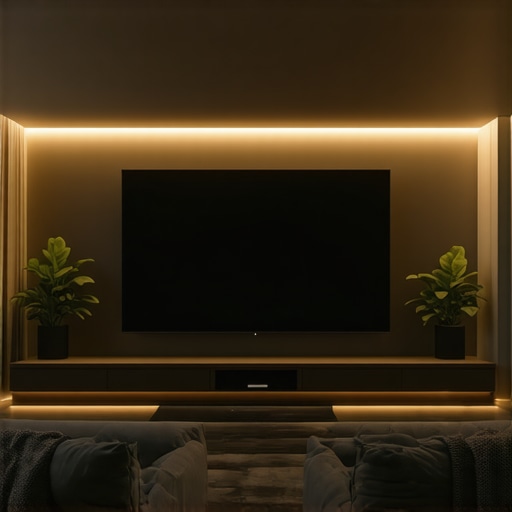
Elevate Your Home Theater Experience with Expert Bias Light Strategies
In the pursuit of cinematic perfection, the integration of bias lights and LED strip illumination has transformed from a simple aesthetic choice into a sophisticated tool for enhancing visual clarity, color accuracy, and overall ambiance. As an industry expert, I recognize that the nuances of lighting design can significantly impact viewer immersion, especially as technology advances in 2024. This guide explores the intricate dynamics of bias lights and LED strips, revealing how they serve as critical components in achieving professional-grade home theater environments.
Understanding the Technical Foundations of Bias Lights and LED Strips
Bias lighting, traditionally used to reduce eye strain during prolonged viewing sessions, functions by providing a subtle glow behind screens, balancing luminance levels to prevent contrast fatigue. When combined with LED strip lighting—particularly RGB or RGBW variants—these systems offer unparalleled customization. High-quality LED strips with high CRI (Color Rendering Index) ensure that colors appear vivid and true to life, which is essential for high-fidelity content playback. For discerning audiophiles and cinephiles, leveraging expert advice on selecting optimal LED strips can make a decisive difference in creating an immersive environment that aligns with professional standards.
Strategic Placement and Integration of LED Strip Lighting for Optimal Impact
Strategic placement of LED strips—such as along ceiling coves, behind screens, or beneath furniture—can dramatically influence room perception and viewing comfort. Employing dimmable controllers integrated with home automation systems allows dynamic adjustments tailored to content type and ambient conditions. Advanced setups often incorporate expert installation tips that ensure seamless integration without glare or light bleed, preserving the integrity of the viewing experience. Proper calibration is paramount; tools like color meters and software calibration ensure that LED output complements the display’s color profile, enhancing detail and contrast.
What Are the Hidden Benefits of Bias Lighting for Visual Fidelity?
Beyond reducing eye strain, bias lighting enhances perceived contrast and color accuracy, making images appear more vibrant. This effect is particularly significant when viewing HDR content, where luminance and color precision are critical. Scientific research, such as studies published in the Journal of Vision, underscores that well-implemented bias lighting can improve visual comfort and reduce fatigue during extended viewing sessions. For professionals designing high-end home theater systems, these benefits translate into a more authentic cinematic experience that rivals commercial theaters.
How Can Homeowners Achieve Professional Results with Limited Technical Skills?
Achieving professional-grade bias lighting does not require advanced expertise. Modern LED strip kits come with user-friendly controllers, step-by-step installation guides, and calibration tools. Investing in high-quality products and consulting expert resources—like the detailed guides available at enhance your home theater with expert LED strip lighting tips—can empower even novices to create stunning results. Remember, meticulous planning and gradual adjustments are key to fine-tuning your setup for optimal ambiance and visual harmony.
For further insights and tailored advice, consider reaching out to professionals through our contact page. Elevate your home theater with precision lighting that marries technical excellence with aesthetic mastery—your cinematic journey in 2024 begins here.
Unlocking the Power of Dynamic Lighting Control
One often overlooked aspect of creating a truly immersive home theater environment is the integration of advanced lighting control systems. Modern LED strips can be paired with smart home automation platforms, enabling scene-specific lighting adjustments that elevate your viewing experience. For instance, setting up presets for different content types—such as movies, sports, or gaming—can dramatically enhance visual comfort and ambiance. To achieve this level of sophistication, consider investing in controllers compatible with voice assistants like Alexa or Google Assistant, which allow you to adjust lighting seamlessly during your movie nights. For detailed guidance on integrating these systems, explore expert installation tips for LED strip lighting.
The Art of Color Harmony in Home Cinema Lighting
Effective bias lighting isn’t just about brightness; it’s about harmony. When selecting LED strips, paying attention to color temperature is crucial. Cooler temperatures (around 6500K) often mimic daylight, providing a neutral backdrop that enhances contrast and reduces eye strain. Conversely, warmer tones (around 2700K-3000K) create a cozy, inviting atmosphere conducive to relaxing movie sessions. Achieving perfect color harmony involves calibrating your LED lights to complement your display’s color profile, which can be fine-tuned using calibration tools or software. For expert advice on matching lighting with display technology, consult professional LED strip lighting tips.
What Are the Common Pitfalls When Installing LED Strips for Home Theaters?
Many enthusiasts face challenges such as uneven light distribution, glare, or difficulty in hiding wiring. These issues often stem from inadequate planning or poor installation techniques. For example, placing LED strips too close to reflective surfaces can cause unwanted glare, while insufficient diffusers can lead to overly harsh light spots. A strategic approach involves planning your layout meticulously, using diffusers, and employing high-quality adhesive tapes to ensure clean, seamless installation. Moreover, leveraging expert guidance on installation can prevent common mistakes and maximize the lifespan of your lighting system. Remember, the key to professional results lies in patience and precision during setup.
How Can You Leverage Lighting to Enhance Specific Movie Genres or Content?
Understanding the nuances of different genres can help tailor your lighting setup for maximum effect. For instance, horror films benefit from dim, shadowy lighting that amplifies suspense, while action movies may require brighter, more dynamic illumination to highlight fast-paced scenes. Sci-fi and fantasy content often shine with vibrant, color-rich backlighting that mimics otherworldly environments. By customizing LED strip colors and brightness levels according to genre, you can create a versatile, immersive environment that adapts to your entertainment choices. To explore innovative ideas, check out top bias light ideas for 2025.
Interested in elevating your home theater lighting game? Share your experiences or ask questions below—let’s build the ultimate cinematic ambiance together!
Refining Your Light Layers for Cinematic Depth
Creating a truly immersive home theater requires more than just placing LED strips and bias lights; it involves designing a layered lighting strategy that enhances depth, reduces eye fatigue, and complements your display technology. Consider integrating multiple lighting zones—ambient, accent, and task lighting—each calibrated carefully to serve specific functions. For instance, a soft ambient glow along the ceiling perimeter sets a calming background, while accent lighting behind equipment racks emphasizes architectural features. Task lighting, such as dimmable sconces near seating, ensures safety without detracting from the visual experience. According to Illuminating Engineering Society, layered lighting enhances spatial perception and visual comfort, which are critical in high-end home theaters.
Harnessing the Power of Smart Lighting Ecosystems
Integrating your bias and LED lighting with advanced smart home ecosystems elevates user control and customization. Platforms like Control4 or Crestron offer sophisticated automation, allowing you to synchronize lighting scenes with your media playback. Imagine pressing a single button to activate a “Cinema Mode” that dims your main lights, adjusts LED strips to a warm hue, and dims bias lighting automatically. Moreover, voice-controlled systems—compatible with Alexa, Google Assistant, or Apple HomeKit—provide hands-free operation, ensuring seamless adjustments during viewing sessions. For an in-depth look at integrating these systems, consult Control4’s official guidelines on home automation.
Color Temperature Tactics for Genre-Specific Environments
Fine-tuning your LED strips’ color temperature can dramatically impact the mood and realism of your viewing experience. Cooler temperatures (~6500K) mimic daylight, sharpening contrast and detail, especially suited for action-packed or sci-fi movies. Warmer tones (~2700K-3000K), on the other hand, evoke a cozy, intimate atmosphere ideal for romantic dramas or family films. Achieving the optimal balance involves not just selecting the right Kelvin rating but also calibrating your LED lights to match your display’s color profile. Tools like the X-Rite calibration system enable precise adjustments, ensuring your lighting and display work in harmony for cinematic perfection.
Addressing Common Installation Challenges with Expert Tips
Many enthusiasts encounter issues such as uneven lighting, visible wiring, or glare spots that diminish the immersive quality of their setup. The key lies in meticulous planning—measure distances, map out wiring routes, and anticipate future upgrades. Diffusers, such as frosted acrylic covers, are vital for softening harsh LED light and preventing hot spots. Additionally, high-quality adhesive tapes and connectors ensure long-lasting, seamless installation. For complex setups, consulting detailed professional guides like expert installation resources can save time and prevent costly mistakes. Remember, patience and precision are your best allies in achieving a flawless aesthetic.
What advanced techniques can maximize the effectiveness of bias lighting in ultra-high-definition content?
To truly optimize bias lighting for 4K and HDR content, consider implementing dynamic lighting systems that adapt in real-time to on-screen luminance. Technologies like bias lighting synchronization software—such as LightSpace or CalMAN—can automatically adjust LED brightness and color temperature based on the content’s luminance metadata. This creates a consistent visual environment that enhances contrast perception and color fidelity, making HDR videos pop with vibrancy. A study published in the Journal of Vision highlights how adaptive bias lighting reduces eye strain and improves perceived image quality during prolonged viewing sessions, especially in professional or enthusiast settings.
If you’re eager to push your home theater lighting to the next level, explore our comprehensive guides and consider professional consultation. Your ultimate cinematic experience awaits—dive deeper into expert lighting mastery today!
Harnessing Color Dynamics to Elevate Visual Fidelity
In the realm of high-end home cinema, the mastery of color temperature manipulation unlocks a new dimension of viewing realism. By fine-tuning LED strip lighting to specific Kelvin values, enthusiasts can craft an environment that complements their display technology and content genre. For instance, integrating adjustable LED controllers that seamlessly shift from cool daylight tones (~6500K) for action-packed scenes to warm ambient hues (~2700K) for intimate dramas can significantly enhance viewer immersion. Employing professional calibration tools like the X-Rite calibration system ensures these settings harmonize precisely with your display, optimizing contrast and color accuracy across all content types.
Integrating Real-Time Content-Adaptive Bias Lighting
Emerging technologies now enable bias lighting systems to dynamically respond to on-screen luminance levels, elevating the cinematic experience beyond static setups. Software solutions such as LightSpace or CalMAN utilize metadata embedded within HDR content to adjust LED brightness and color temperature in real-time, creating a consistent visual environment that enhances contrast perception and reduces eye fatigue. This adaptive approach is especially beneficial for prolonged viewing sessions or professional color grading, where maintaining perceptual consistency is paramount. According to recent studies in the Journal of Vision, such systems can significantly mitigate visual strain while amplifying content vibrancy, making them indispensable for discerning cinephiles and professionals alike.
What Are the Best Practices for Hiding Wiring and Achieving Seamless Installation?
Achieving a clean, professional aesthetic requires meticulous planning and execution. Strategically routing wiring through concealed channels behind crown molding, within wall cavities, or beneath furniture minimizes visual clutter. High-quality diffusers—such as frosted acrylic covers—are essential for softening harsh LED emissions and eliminating hot spots or glare. Furthermore, employing durable, high-adhesion tapes and connectors ensures long-term stability and a seamless appearance. For complex arrangements, consulting expert installation guides like professional installation resources can prevent common pitfalls and streamline the process. Remember, patience during setup translates into a flawless aesthetic and optimal system longevity.
How can advanced bias lighting techniques be optimized for ultra-high-definition content?
To maximize the effectiveness of bias lighting with 4K and HDR content, leverage systems capable of real-time luminance adaptation. Integrating bias lighting synchronization software such as LightSpace or CalMAN enables your LED strips to dynamically adjust brightness and color temperature based on on-screen luminance metadata. This ensures consistent contrast perception and vibrant color reproduction, elevating HDR playback to professional standards. Recent research in the Journal of Vision highlights how adaptive bias lighting reduces visual fatigue and enhances perceived image quality during extended viewing, making it an essential feature for enthusiasts seeking cinematic perfection.
Interested in pushing your home theater’s lighting capabilities further? Explore our comprehensive guides and connect with industry pros to realize your ultimate visual sanctuary. Your next level of immersive entertainment begins here!
Expert Insights & Advanced Considerations
Precision Calibration Elevates Visual Fidelity
Achieving the pinnacle of home theater experiences hinges on meticulous calibration of bias lighting and LED strip colors. Professionals employ advanced tools like colorimeters and software such as CalMAN or LightSpace to harmonize lighting with display profiles, ensuring that colors appear vivid and true to life, especially in HDR content. This precision calibration minimizes color shifts and contrast issues, creating a seamless visual environment that rivals commercial cinemas.
Dynamic Lighting Response Enhances Immersion
Incorporating real-time content-adaptive bias lighting systems allows your setup to respond dynamically to on-screen luminance changes. Technologies leveraging embedded metadata can automatically adjust LED brightness and temperature, maintaining consistent contrast perception. This adaptive approach not only elevates visual fidelity but also reduces eye fatigue during extended viewing sessions, a crucial consideration for cinephiles and professionals alike.
Layered Lighting Strategies Define Cinematic Depth
Implementing multiple lighting layers—ambient, accent, and task lighting—creates a rich, immersive environment. Expert setups use diffusers, concealed wiring, and strategic placement to ensure seamless integration without glare or hot spots. Proper layering enhances spatial perception, enriches color harmony, and provides functional illumination that complements the display without distraction.
Harnessing Smart Ecosystems for Seamless Control
Integrating bias and LED lighting with smart home platforms like Crestron or Control4 offers scene-based automation. Voice commands and preset modes facilitate effortless adjustments, allowing users to switch from movie mode to gaming ambiance with ease. Such sophisticated control systems optimize convenience and elevate the overall cinematic experience, reflecting the latest in home automation advancements.
Curated Expert Resources
- Lighting Home Cinema Essentials: Offers in-depth guides on selecting, installing, and calibrating LED strips and bias lighting systems tailored for high-end home theaters.
- X-Rite Calibration Systems: Industry-standard tools for precise color calibration, ensuring that lighting complements display performance effectively.
- Control4 and Crestron Solutions: Leading automation platforms that enable seamless integration of lighting control with home theater systems.
- Journal of Vision: Academic research providing insights into visual perception, emphasizing the importance of calibrated bias lighting for reducing eye strain and enhancing content quality.
- Professional Installation Guides: Resources detailing best practices for wiring, diffuser placement, and system calibration to achieve professional results.
Final Expert Perspective
In the realm of home theater design, expert bias light strategies and LED integration are transformative tools that unlock cinematic potential. Precision calibration, dynamic responsiveness, and layered lighting not only enhance visual fidelity but also elevate your entire entertainment environment. Embracing these advanced techniques positions enthusiasts and professionals alike at the forefront of immersive home cinema experiences. For those committed to excellence, continual learning and consultation with industry specialists are essential. Explore our comprehensive resources and connect with experts to craft the ultimate cinematic sanctuary in 2024 and beyond—your journey to professional-grade home theater lighting starts here.



Leave a Reply