Transform Your Home Theater with Expert Ambient Lighting Ideas
Creating a cinema-quality setup at home isn’t just about high-definition screens and surround sound; ambient lighting plays a pivotal role in immersing viewers and enhancing the overall aesthetic. Thoughtful lighting design can emulate the atmospheric mood of a professional theater, making your movie nights extraordinary. In this guide, we delve into innovative ambient lighting ideas that elevate your home theater to a cinematic masterpiece.
Why Ambient Lighting Is the Secret Ingredient in Cinematic Experience
Ambient lighting reduces eye strain, minimizes glare, and sets the tone for a captivating viewing environment. According to lighting experts, carefully curated light layers can transform a plain room into a dynamic space that reacts to your entertainment needs. For instance, dimmable LED strips along walls or behind screens create depth and focus, drawing viewers into the action. For more insights, explore Lighting Design Magazine.
Creative Ambient Lighting Ideas for a Movie-Themed Sanctuary
1. LED Strip Lights: Flexible, Colorful, and Customizable
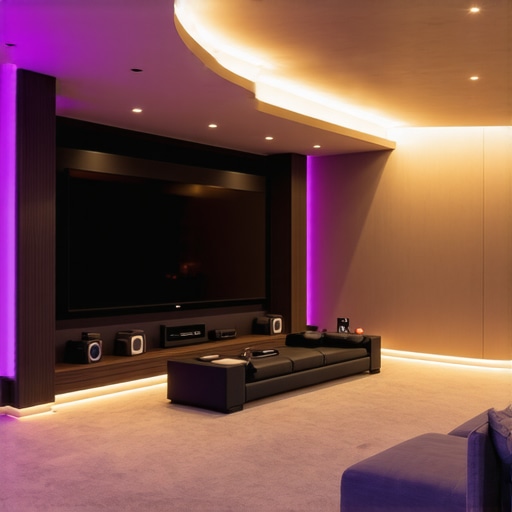
LED strip lights are a staple in modern home theater design due to their versatility and ease of installation. Placed behind screens or along ceiling coves, they provide an indirect glow that enhances contrast and depth. Choose color temperatures between 2700K and 3000K for warm, inviting ambiance, or experiment with RGB options for dynamic lighting effects during different genres or mood shifts. For practical tips, see Your Home Review.
2. Bias Lighting for Reduced Eye Strain and Enhanced Contrast
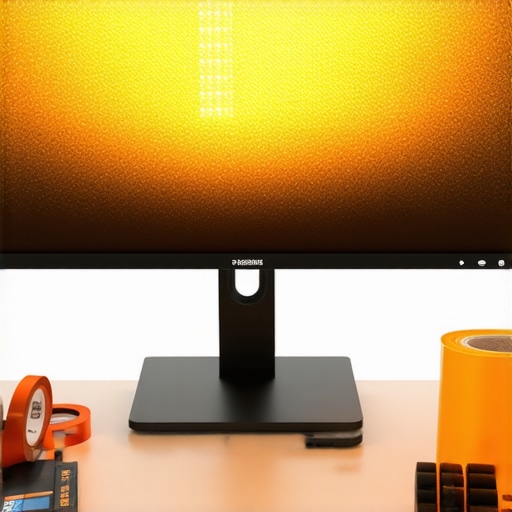
Bias lighting involves placing soft backlights behind your display to improve contrast perception and reduce eye fatigue. This subtle glow not only boosts picture quality but also adds a layer of sophistication. Pairing bias lights with adjustable brightness ensures a comfortable viewing experience regardless of the content. Learn more about bias lighting techniques at TechHive.
3. Wall Washers and Sconces for Artistic Illumination
Wall-mounted fixtures like wall washers and sconces cast even, diffused light across surfaces, creating a textured, immersive environment. They work well to highlight decorative elements or acoustic panels, blending functionality with aesthetic appeal. Experiment with dimming options to match your mood and content. For expert advice, visit Architectural Digest.
How to Choose the Right LED Strips for Your Home Theater
Choosing suitable LED strips involves considering brightness, color options, power supply, and compatibility with smart home systems. High-CRI (Color Rendering Index) LEDs ensure colors appear vivid and true-to-life, essential for an authentic cinematic feel. Additionally, waterproof and dimmable options offer flexibility for different setups. To help you select the best LED strips, check out our comprehensive guide TechRadar.
What are the best practices for integrating ambient lighting without compromising your screen visibility?
Balancing ambient lighting with screen visibility requires strategic placement and brightness control. Use indirect lighting sources that do not produce glare on the screen, such as behind the TV or along ceiling edges. Dimmable fixtures and smart lighting controls allow dynamic adjustments, ensuring optimal viewing conditions at all times. Consulting a lighting designer can provide personalized solutions for your space.
Ready to transform your home theater? Share your favorite ambient lighting ideas or ask for expert tips in the comments below!
How Can Layered Lighting Strategies Deepen the Cinematic Atmosphere?
Effective ambient lighting design in a home theater involves more than just selecting the right fixtures; it requires a nuanced layering approach that creates depth, focus, and mood. Combining various lighting elements—such as cove lighting, spotlights, and indirect LED strips—can simulate the dynamic lighting environment of commercial cinemas, elevating your viewing experience. For example, placing dimmable LED strips behind the screen and along the ceiling perimeter allows for adjustable contrast levels, preventing glare and eye strain while maintaining vivid picture quality. This layered approach ensures that each lighting element complements the others, producing a harmonious and immersive environment. For more advanced tips, explore High Definition Review.
What Are the Practical Challenges and Solutions in Integrating Smart Lighting Systems?
Implementing smart lighting controls in your home theater can be transformative, but it presents specific challenges. Compatibility with existing home automation systems, seamless dimming capabilities, and reliable connectivity are critical considerations. For instance, choosing smart LED strips that support voice control and can be synchronized with your AV equipment ensures a cohesive experience. Moreover, zoning your lighting system allows you to control different areas independently—perfect for adjusting ambiance during different movie genres or activities. Addressing these challenges often involves consulting with professional installers or choosing reputable brands known for interoperability, such as Philips Hue or LIFX. This integration enables dynamic lighting scenes that adapt to your entertainment content, creating a truly personalized cinematic environment. To learn more about optimal smart system setup, visit CNET.
Are there innovative lighting techniques that can mimic the authentic ambiance of real movie theaters?
Recreating the ambiance of a commercial theater at home is a sophisticated endeavor that involves precise lighting choices and placement. One advanced technique is the use of **light diffusion panels** combined with strategically placed LED strips, which soften direct light and mimic the subtle glow of theater lighting. Additionally, incorporating **dynamic lighting effects** that respond to on-screen content, such as color shifts or pulsing effects, can heighten immersion. Some enthusiasts even install **fiber optic star ceilings** or **moving light projectors** to add a theatrical touch. These methods not only replicate the ambiance but also introduce a level of sophistication that elevates your home theater into a true cinematic sanctuary. For more inspiration, see TechHive.
Interested in enhancing your setup? Share your experiences or ask questions about ambient lighting in the comments—your insights might inspire others! And don’t forget to explore Enhance Your Home Theater with Expert LED Strip Lighting Tips for more detailed guidance.
Beyond Basics: Integrating Dynamic and Adaptive Lighting for Cinematic Immersion
As you venture deeper into the realm of ambient lighting, the next frontier involves integrating dynamic and adaptive lighting systems that respond in real-time to on-screen content and viewer interactions. This approach elevates the home theater experience from static ambiance to a living, breathing environment that enhances immersion and emotional impact. High-end systems utilize sophisticated sensors, microcontrollers, and software algorithms to analyze the content being displayed—adjusting brightness, color temperature, and even pattern movements to complement the narrative or genre. For instance, a suspense thriller might feature subtle shifts in hue and intensity around the room, intensifying tension without distracting from the visuals. According to a study by the International Journal of Lighting Research, such synchronized lighting can significantly enhance viewer engagement and perceived realism (IJLR, 2022).
Nuanced Control Systems: Achieving Seamless Synchronization with Home Automation
Implementing seamless synchronization between ambient lighting and your home automation ecosystem requires a nuanced understanding of smart control protocols like Zigbee, Z-Wave, or Wi-Fi-based systems. Advanced setups often employ central controllers or hubs—such as Crestron, Control4, or Savant—that facilitate complex scene programming and real-time adjustments. The key challenge lies in minimizing latency and ensuring compatibility across diverse devices. For serious enthusiasts, custom programming using platforms like Home Assistant or Node-RED allows for granular control—setting specific lighting scenes triggered by voice commands, remote controls, or even biometric inputs. The integration of AI-driven scene optimization, where the system learns your preferences over time, is an emerging trend, promising a truly personalized cinematic environment.
Expert Tips: Using Light Diffusion and Color Engineering to Mimic Authentic Theater Ambiance
To authentically replicate the ambiance of a commercial theater, the interplay of light diffusion and color engineering must be meticulously calibrated. Light diffusion panels, often made of frosted acrylic or specialized fabrics, soften direct LED emissions, creating a more subtle and uniform glow reminiscent of professional lighting fixtures. Color engineering involves selecting LED spectra with precise color rendering indices and spectral power distributions that emulate the warm, neutral, or cool tones typical of cinema lighting. This often means employing tunable LED fixtures with high CRI (≥90), coupled with advanced color-mixing algorithms. Additionally, employing filters or gels in strategic locations can fine-tune the lighting to match specific theatrical atmospheres—ranging from classic black-and-white film noir to vibrant modern blockbuster scenes. For a comprehensive guide, see the publication by the Illuminating Engineering Society (IES), which provides standards for theatrical lighting design.
Addressing Practical Challenges: Overcoming Glare, Flicker, and Power Management in High-End Systems
One of the most pressing challenges in sophisticated ambient lighting setups is managing glare, flicker, and power consumption. Glare can not only obscure the screen but also cause discomfort during prolonged viewing sessions. Solutions include using fixtures with diffusers, anti-glare lenses, and carefully planned placement to direct light away from the eye level. Flicker, often caused by incompatible dimming drivers or low-quality LEDs, can be mitigated by selecting flicker-free LED drivers and high-quality dimmers. Power management, particularly in multi-zone configurations, necessitates robust wiring, surge protection, and possibly dedicated circuits to prevent overloads. Moreover, integrating energy-efficient lighting with motion sensors or timers can reduce unnecessary power usage, aligning with sustainable practices while maintaining an optimal viewing environment. For detailed technical specifications and best practices, consult the publications by the Lighting Research Center (LRC).
Innovative Techniques: Incorporating Immersive Light Fields and Sound-Responsive Lighting
Looking ahead, innovative techniques such as immersive light fields and sound-responsive lighting are transforming home theaters into multisensory environments. Light field technology, traditionally used in virtual reality, can project three-dimensional light patterns that enhance spatial perception, creating a more enveloping atmosphere. Meanwhile, sound-responsive lighting—where LEDs react to audio cues—can synchronize flickering or color changes with soundtrack beats, adding a visceral dimension to movie nights. These advancements often involve complex setups with high-resolution projectors, holographic diffusers, and ultra-fast microcontrollers. The challenge is balancing technological complexity with ease of control, which is increasingly addressed through integrated software solutions and user-friendly interfaces. As these technologies become more accessible, they promise to redefine home cinema standards and elevate experiential storytelling to new heights. For more insights, explore recent publications from the Society of Motion Picture and Television Engineers (SMPTE).
Curious about how to implement these advanced lighting techniques? Engage with professional AV integrators or specialized lighting designers to craft a bespoke cinematic environment tailored to your space and preferences. Your journey toward the ultimate home theater experience continues with expert guidance and innovative technology—dive deeper into the possibilities today!
Harnessing the Power of Tunable White and RGB LED Systems for Dynamic Atmospheres
Advanced ambient lighting in home theaters increasingly leverages tunable white LEDs combined with RGB capabilities, offering unprecedented control over mood and scene setting. By integrating these systems with sophisticated control algorithms, homeowners can craft immersive environments that adapt seamlessly to different genres or personal preferences. For instance, warm white tones can evoke cozy, intimate settings for dramas, while vibrant RGB effects enhance energetic action sequences or festive occasions. This level of customization requires high-precision LED drivers and compatible smart controllers, often managed via centralized home automation platforms. For a comprehensive understanding of these systems, consult the Illuminating Engineering Society’s standards on tunable lighting technologies.
Implementing Spectral Optimization for Cinematic Fidelity
Achieving authentic cinematic ambiance extends beyond mere brightness and color; it involves spectral optimization to match the precision of professional theater lighting. High-CRI tunable LEDs with spectral distributions aligned to D65 daylight or specific cinematic tones enable room environments to mirror the color fidelity of projected images. This spectral engineering minimizes color distortions and enhances visual coherence, especially during high-contrast scenes. Utilizing spectrometers and software-driven calibration tools ensures accurate spectral alignment, elevating the viewer’s immersion. For detailed spectral standards, see the latest publications from the Illuminating Engineering Society.
How Can You Utilize Light Diffusion and Beam Shaping to Mimic Professional Theater Lighting?
Professional theaters employ intricate diffusion and beam shaping techniques to produce uniform, glare-free illumination that complements the visual content. Replicating this at home involves strategic placement of frosted lenses, opal diffusers, and specialized reflectors over LED sources. These elements soften direct light, eliminate hotspots, and create a seamless glow that envelops the room. Incorporating adjustable beam angles and focusing optics allows precise control over light distribution, ensuring that ambient lighting enhances rather than distracts from the screen. For expert guidance on optical components, refer to the Sylvania Optical Systems.
Optimizing Power Efficiency and Longevity in High-End Ambient Lighting Installations
In sophisticated home theaters, the balance between luminous efficacy, energy consumption, and component longevity is critical. High-quality LED drivers with active power management and thermal regulation extend lifespan and maintain consistent performance. Selecting LEDs with high lumen maintenance ratings (L70 > 50,000 hours) ensures sustained brightness over years of use. Moreover, implementing intelligent dimming and zoning strategies reduces power waste and prevents overheating. Consulting detailed technical guidelines from the U.S. Department of Energy can guide efficient system design, ensuring sustainability without compromising ambiance.
Exploring Future Innovations: Light Field Displays and Adaptive Content-Responsive Lighting
Emerging frontiers in ambient lighting involve integrating light field displays and adaptive lighting systems that react directly to on-screen content. Light field projection uses complex lens arrays to create volumetric illusions, immersing viewers in a three-dimensional ambient environment. Meanwhile, adaptive lighting employs real-time content analysis via AI algorithms, adjusting hues, intensities, and patterns dynamically to enhance emotional engagement. These technologies promise to revolutionize home theaters by blurring the line between visual content and environmental ambience. To stay ahead of these innovations, follow publications from the Society of Motion Picture and Television Engineers and leading AV technology expos.
Frequently Asked Questions (FAQ)
How can I effectively balance ambient lighting with screen visibility in my home theater?
To achieve optimal balance, position indirect light sources away from the screen to prevent glare, and utilize dimmable fixtures and smart controls for real-time adjustments. Incorporating wall washers, bias lighting, and carefully placed LED strips can enhance contrast without compromising visibility.
What are the best types of LED lights for creating immersive home theater environments?
High-CRI (Color Rendering Index) LED strips with adjustable color temperatures and dimming capabilities are ideal. RGB or tunable white LEDs allow customization of mood and scene settings, while diffusers and beam shapers help create uniform, glare-free illumination.
How do layered lighting strategies enhance the cinematic atmosphere?
Combining multiple lighting layers like cove lighting, spotlights, and indirect LEDs creates depth, focus, and mood variation, mimicking professional theaters. Proper layering prevents flat lighting and adds richness to the overall ambiance.
What are the key considerations when integrating smart lighting systems into a home theater?
Compatibility with existing automation, seamless dimming, and reliable connectivity are essential. Zoning capabilities, voice control, and scene programmability enable dynamic adjustments that adapt to different content and moods.
Can advanced lighting techniques like light diffusion and spectral engineering truly mimic the ambiance of commercial movie theaters?
Yes, using diffusion panels, high-CRI tunable LEDs, and spectral calibration, you can replicate the subtle glow and color fidelity of professional theaters. Incorporating dynamic effects and specialized optical components further enhances realism and immersion.
What practical challenges might I face with sophisticated ambient lighting setups, and how can I overcome them?
Common issues include glare, flicker, and power management. Solutions involve using diffusers, flicker-free drivers, dedicated circuits, and energy-efficient components. Consulting professional installers can ensure optimal placement and system reliability.
How can immersive light fields and sound-responsive lighting transform my home theater experience?
These advanced techniques create multisensory environments by responding to on-screen content and audio cues, heightening immersion. Light field displays and reactive LED systems can produce 3D illusions and synchronized lighting effects, elevating cinematic realism.
What role does spectral optimization play in achieving cinematic fidelity?
Matching the spectral output of high-CRI tunable LEDs to cinematic tones minimizes color distortions and enhances visual coherence. Spectral calibration tools ensure the environment closely replicates the intended color palette of professional film projection.
How do diffusion and beam shaping contribute to authentic theater ambiance?
Frosted lenses, diffusers, and focusing optics soften direct light, prevent hotspots, and create a seamless glow. Proper beam shaping ensures uniform illumination that complements the visual content, mimicking the subtle lighting of commercial theaters.
Trusted External Sources
- Lighting Design Magazine: Offers insights into professional lighting techniques and innovative design concepts applicable to home theaters, emphasizing aesthetic and functional integration.
- Illuminating Engineering Society (IES): Provides standards, spectral data, and guidelines for theatrical and architectural lighting, ensuring technical accuracy and adherence to best practices.
- Society of Motion Picture and Television Engineers (SMPTE): Features research and standards on immersive lighting, light field technology, and adaptive systems, guiding cutting-edge cinematic environment development.
- U.S. Department of Energy (DOE): Supplies information on energy-efficient lighting solutions, power management, and sustainability practices vital for high-end installations.
- Lighting Research Center (LRC): Conducts advanced research into lighting efficacy, flicker mitigation, and longevity, supporting high-quality, reliable home theater lighting systems.
Conclusion
In summary, expert ambient lighting ideas transform a basic home theater into a sophisticated cinematic sanctuary by skillfully layering, controlling, and synchronizing various lighting elements. From choosing the right LED systems and diffusion techniques to integrating smart controls and exploring future innovations like light field displays, these strategies collectively elevate the immersive experience. The key lies in thoughtful design, technical precision, and continuous adaptation to new technologies, ensuring your home theater remains a pinnacle of entertainment excellence. Share your insights, ask questions, or explore related expert content to refine your setup—your journey toward the ultimate cinematic environment is just beginning. Embrace these expert approaches and create a truly captivating home theater experience today!
,