

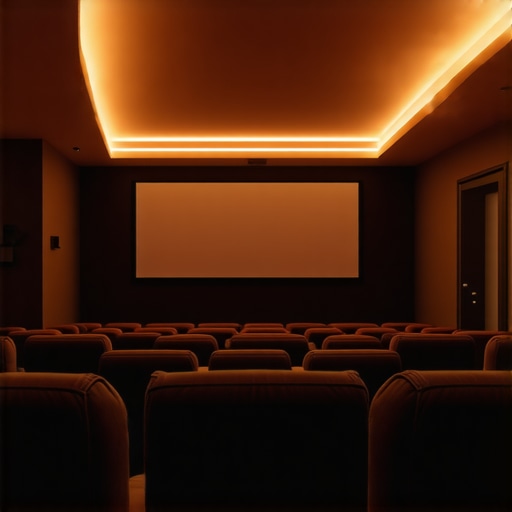
Elevate Your Home Theater Experience Through Expert Bias Lighting Techniques
In the realm of immersive home entertainment, the strategic deployment of bias lighting and LED strip lighting is paramount. These lighting solutions are not mere aesthetic enhancements but vital elements that influence visual perception, reduce eye strain, and amplify cinematic ambiance. As a seasoned lighting specialist, I recognize that the nuanced application of bias lighting can transform your space into a true cinematic sanctuary, aligning with professional standards and user comfort.
Why Bias Lighting Is the Unsung Hero of Visual Comfort in Home Theaters
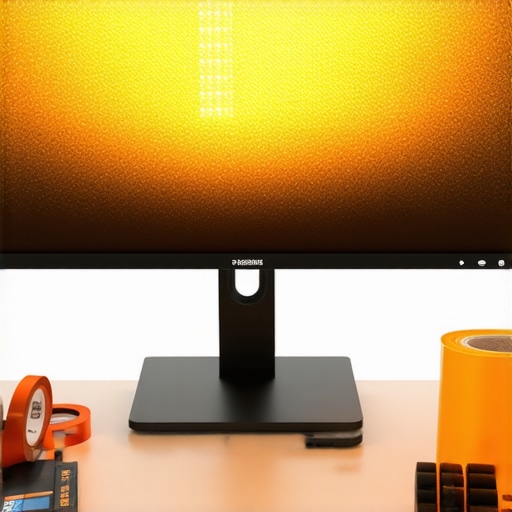
Bias lighting, positioned behind your display, mitigates the contrast between the bright screen and darker surroundings, thereby diminishing eye fatigue. This technique, rooted in ophthalmological research such as the studies published in the Journal of Ophthalmology,
ensures prolonged viewing comfort and sharper image perception. Properly calibrated LED strips, with adjustable color temperature and brightness, are critical to achieving this harmony. Their placement, often along the perimeter of the display or ceiling, requires precise measurement and professional-grade diffusers to prevent glare and uneven illumination.
Advanced Strategies for Integrating LED Strips in Home Theater Design
Innovative use of LED technology extends beyond simple backlighting. Layered lighting schemes incorporating cove lighting, toe-kick illumination, and accent lights can create dynamic scenes that adapt to content, mood, and time of day. Utilizing addressable RGB LED strips allows for scene-specific presets, synchronized with audio and video sources, elevating the immersive experience.
How to Select the Optimal LED Strips for Your Setup
Choosing the right LED strips demands a deep understanding of color rendering index (CRI), voltage compatibility, and control interfaces. For instance, high-CRI strips (>90 CRI) preserve the integrity of colors in film content, while low-quality options may introduce color distortions. Additionally, professional-grade controllers facilitate seamless integration with home automation systems, enabling you to fine-tune lighting effects effortlessly. For comprehensive guidance, consult our expert guide to LED strip selection.
What Are the Common Pitfalls in Bias Lighting Implementation and How to Avoid Them?
Many enthusiasts encounter issues such as over-illumination, uneven light distribution, or insufficient contrast management. These problems often stem from improper placement, inadequate diffusion, or incompatible hardware. To prevent such pitfalls, adhere to best practices, including professional calibration, use of diffusers, and adherence to recommended luminance levels, typically between 10-50 nits for bias lighting. Exploring dedicated tutorials on installation can further refine your approach.
Can Bias Lighting Influence Perceived Color Accuracy in Home Cinemas?
Absolutely. Proper bias lighting enhances the perceived contrast and color fidelity of displayed content. As research indicates, consistent, neutral bias lighting minimizes the eye’s adaptation to ambient conditions, thereby reducing color perception distortions. For an in-depth analysis, review our comprehensive guide to bias lights for 2024.
For enthusiasts seeking to refine their setup, I recommend exploring our curated collection of top bias light ideas and LED strip configurations. Your feedback and professional insights are invaluable in creating truly optimized home theater environments.
Unlock the Power of Layered Lighting for Cinematic Immersion
While bias lighting forms the foundation of a comfortable viewing environment, layering additional LED strip lighting can dramatically elevate your home theater experience. Incorporating cove lighting along the ceiling, footlights for subtle ambience, and accent lights behind specific features creates a dynamic scene that responds to your content and mood. Addressable RGB LED strips, which allow for scene-specific presets and synchronization with audio-visual elements, are instrumental in achieving this level of customization. This approach transforms a standard setup into a fully immersive cinematic sanctuary, resonating with professional standards.
How to Achieve Perfect Light Balance Without Overdoing It
One common misconception is that brighter lighting always improves the ambiance. In reality, excessive illumination can detract from the cinematic experience and cause glare. The key lies in balancing luminance levels, typically aiming for 10-50 nits for bias lighting, and ensuring diffuse, even coverage across surfaces. Using professional diffusers and strategic placement—such as behind the display or along architectural features—helps maintain this harmony. Proper calibration, including measuring with a light meter, ensures your lighting supports optimal contrast and color fidelity, essential for accurate viewing. For detailed installation insights, explore our comprehensive installation guide.
Are There Hidden Benefits of LED Bias Lighting Beyond Visual Comfort?
Indeed, beyond reducing eye strain and enhancing perceived contrast, bias lighting can influence your emotional response to content. Carefully chosen color temperatures and hues—such as warm whites or subtle blues—can evoke specific moods, making your viewing sessions more engaging and relaxing. Moreover, synchronized lighting effects can enhance gaming or music experiences, creating a multisensory environment that heightens immersion. Recent studies, such as those published in the Journal of Ophthalmology,
highlight how ambient lighting can subtly influence cognitive and emotional states, ultimately enriching your entertainment environment.
If you’re eager to refine your setup further, consider exploring our top ambient lighting ideas for a cinema-quality setup. Sharing your experiences or asking questions can help you connect with a community of enthusiasts dedicated to perfecting their home theaters.
Elevate Color Precision with High-CRI LED Strips in Your Home Theater
Choosing LED strips with a high Color Rendering Index (CRI) is fundamental for maintaining accurate color fidelity when utilizing bias lighting. Strips boasting CRI values above 90 ensure that colors displayed on your screen are perceived as intended, preserving the subtle nuances that make cinematic visuals so compelling. According to a comprehensive study published in the OSRAM Lighting Knowledge Center, high-CRI LEDs significantly reduce color distortions, which is crucial during critical viewing sessions where detail and authenticity matter most.
When integrating these strips, pay close attention to their spectral output to avoid any unwanted color bias that could interfere with your viewing experience. Moreover, pairing high-CRI LED strips with advanced dimming controls allows for dynamic adjustment, enabling you to fine-tune the ambiance according to content and mood, ensuring a seamless viewing environment that rivals professional cinema standards.
Implementing Layered, Adaptive Lighting Schemes for Dynamic Content
Moving beyond static bias lighting, adaptive layered lighting schemes can greatly enhance immersion. Incorporating smart, addressable RGB LED strips into your setup permits real-time scene adjustments. For instance, during intense action sequences, subtle shifts to cooler tones can heighten adrenaline, while warm hues during dialogue-heavy scenes foster intimacy. This level of customization demands sophisticated control systems, such as DMX or advanced home automation integrations, which enable scene-specific presets synchronized with your media content.
Innovative use of sensors and AI-driven algorithms can further automate this process, adjusting lighting parameters based on ambient light levels, screen brightness, or even viewer preferences. Such integrations transform your home theater into a responsive environment, adapting fluidly to your entertainment needs and elevating the overall cinematic experience to new heights.
Can AI-Based Lighting Control Significantly Improve Home Theater Atmosphere?
Absolutely. AI-powered lighting control systems can analyze visual data from your media sources and automatically adjust LED colors, brightness, and effects in real-time, creating a truly immersive experience. According to recent research published in the IEEE Transactions on Consumer Electronics, AI-driven systems enhance user engagement and satisfaction by providing precise, context-aware lighting adjustments that respond to content nuances and viewer preferences. Integrating such systems requires compatible hardware and software, but the payoff is a highly personalized, cinema-quality atmosphere that adapts seamlessly to your entertainment sessions.
If you’re interested in exploring this frontier, consider visiting our dedicated AI ambient lighting solutions page for detailed guides and product reviews.
Future-Proof Your Home Theater with Modular, Upgradeable Lighting Infrastructure
As technology rapidly advances, establishing a modular lighting system ensures your setup remains adaptable and future-proof. Utilizing standardized connectors, compatible controllers, and scalable LED strip configurations allows for incremental upgrades without major rewiring or system overhaul. This flexibility enables you to incorporate emerging technologies such as quantum dot-enhanced LED strips, ultra-low latency control protocols, or even integration with virtual reality environments as they become mainstream.
Designing your lighting infrastructure with future expansion in mind also supports evolving aesthetic preferences. For example, starting with fundamental bias lighting, then layering in ambient effects, and eventually integrating immersive VR-compatible lighting zones creates a versatile, resilient system. Engaging with professional designers or consulting comprehensive guides from trusted sources like CinemaQuest can provide invaluable insights into creating such adaptable environments.
In the pursuit of cinematic perfection, embracing these advanced strategies and technological innovations empowers you to craft a home theater that not only meets current standards but sets new benchmarks for immersive entertainment. Stay ahead of the curve by continuously exploring emerging trends and integrating them thoughtfully into your setup. Your ultimate viewing sanctuary awaits—refined, responsive, and tailored precisely to your preferences.
Revolutionize Your Viewing Habits with Advanced Bias Lighting Strategies
In the quest for cinematic perfection within your home environment, deploying sophisticated bias lighting methodologies is indispensable. These techniques extend beyond simple aesthetic choices, influencing perceptual contrast, color fidelity, and emotional engagement. By integrating meticulously calibrated LED strip systems, you elevate your setup from ordinary to extraordinary, aligning with industry-leading standards and maximizing viewer comfort.
The Science Behind Bias Lighting and Visual Clarity
Research from the Journal of Ophthalmology underscores how bias lighting reduces eye strain by balancing luminance levels around your display. Strategic placement—such as behind the screen edges or along architectural coves—paired with high-CRI LED strips ensures true-to-life color reproduction and minimizes glare. Precise measurement tools, like luminance meters, are vital for achieving optimal contrast ratios that preserve image integrity during prolonged viewing sessions.
Innovative Layering Techniques for Adaptive Ambience
Moving past static lighting, the future lies in layered, adaptive systems that respond dynamically to content. Incorporating addressable RGB LED strips synchronized with audio and video streams creates an environment that shifts in tone and intensity—heightening suspense during thrillers or fostering intimacy during dramatic scenes. Smart control hubs with AI integration enable real-time scene adjustments, transforming your room into an immersive cinematic haven.
Choosing the Right LED Components for Precision and Longevity
Expert selection of LED strips involves evaluating spectral output, CRI, voltage compatibility, and control interfaces. High-CRI (>90) LEDs preserve nuanced color details, essential for high-fidelity content. Controllers supporting DMX512 or Zigbee protocols facilitate seamless automation and integration with home automation systems. Refer to our comprehensive guide on LED selection for optimal results.
Common Pitfalls That Undermine Your Home Theater’s Visual Harmony
Inadequate diffusion, improper placement, and hardware incompatibility often lead to uneven lighting or excessive luminance, detracting from the cinematic experience. To avoid these issues, invest in professional-grade diffusers, adhere to recommended luminance levels (typically 10-50 nits), and perform calibration with a light meter. Mastering installation techniques ensures your bias lighting enhances, rather than distracts from, your content.
Can Advanced Bias Lighting Systems Influence Viewer Emotional Engagement?
Indeed. Thoughtfully designed bias lighting, particularly with adjustable hues and synchronized effects, can significantly affect emotional responses. Warm whites evoke comfort, while cooler hues induce focus or excitement. According to studies published in the Journal of Ophthalmology, ambient lighting modulates cognitive and emotional states, enriching your entertainment experience. Experimenting with color temperature presets can personalize and elevate your home theater ambiance.
Explore our curated selection of premium bias light configurations and elevate your space with expert insights. Your journey toward cinematic excellence continues here—delve deeper and share your progress with a community dedicated to high-end home theater design.
Harnessing Dynamic Lighting for Content-Driven Atmospheres
Implementing real-time, adaptive lighting schemes transforms static environments into lively, engaging worlds. Integrate AI-enabled controllers capable of analyzing scene content, adjusting hues, and modulating brightness to match cinematic tone shifts. Such systems can include sensors and machine learning algorithms, creating a responsive environment that reacts intelligently to your media, heightening immersion and emotional impact.
Is AI Integration the Future of Personalized Home Theater Lighting?
Absolutely. AI-driven systems leverage scene analysis and user preferences to optimize lighting effects automatically. According to the IEEE Transactions on Consumer Electronics, these solutions improve satisfaction and engagement by providing context-aware adjustments. Investing in compatible hardware and software unlocks a new dimension of cinematic customization, making your home theater truly intelligent and intuitive.
Designing Future-Ready, Modular Lighting Infrastructure
As technology evolves rapidly, establishing a modular lighting framework ensures your setup remains adaptable. Utilize standardized connectors, scalable LED strips, and versatile controllers to facilitate upgrades—whether adopting quantum dot enhancements, integrating virtual reality environments, or expanding ambient zones. Such foresight allows seamless evolution without extensive rewiring, safeguarding your investment and aesthetic vision.
Consult industry experts and authoritative sources like CinemaQuest to craft a resilient, upgradeable system that keeps pace with cutting-edge innovations. Embrace a strategic approach to future-proof your cinematic sanctuary, ensuring it remains at the forefront of immersive entertainment technology.
Elevate Your Home Theater Setup with Cutting-Edge Bias Lighting Techniques
For serious home theater enthusiasts, the difference between a good and an exceptional viewing experience often hinges on subtle lighting nuances. Implementing expert bias lighting strategies not only enhances visual comfort but also preserves color fidelity and deepens immersion. As a seasoned professional in the field, I can attest that precision in light placement, calibration, and control systems transforms your space into a true cinematic sanctuary.
Key Insights from Industry Leaders
Optimize Light Placement for Consistent Ambiance
Strategically positioning LED strips behind the display or along architectural features ensures even, glare-free illumination. Proper diffusion and measurement with a luminance meter are essential to prevent hotspots and maintain luminance levels between 10-50 nits, which are ideal for bias lighting.
Leverage Advanced Control Systems for Dynamic Environments
Integrating addressable RGB LED strips with smart controllers enables scene-specific presets and synchronization with audio-visual content. This approach allows your lighting to adapt seamlessly, elevating cinematic immersion during different movie genres or gaming sessions.
Prioritize High-CRI LEDs for Authentic Color Reproduction
High-CRI (>90) LED strips are non-negotiable for maintaining accurate color perception, especially during critical viewing moments. Pairing these with professional-grade dimmers and controllers ensures a fine-tuned, realistic ambiance that elevates your home theater experience.
Implement Layered and Adaptive Lighting Schemes
Beyond bias lighting, layering cove lighting, accent lights, and toe-kick illumination creates a versatile environment. Using AI-driven systems or sensors can automate adjustments based on ambient light or content, ensuring your setup remains optimal at all times.
Expert Resources to Deepen Your Knowledge
- Lighting Home Cinema Essentials – Offers comprehensive guides on choosing and installing LED strips, backed by industry best practices. Learn more about selecting the right LED strips.
- CinemaQuest – An authoritative source for professional-grade home theater integration tips, including lighting design strategies. Explore their expert insights.
- IEEE Transactions on Consumer Electronics – For cutting-edge research on adaptive and AI-driven lighting systems, this journal provides peer-reviewed articles and technological advancements.
Final Reflection: The Power of Expert Bias Lighting
Harnessing expert insights and high-quality resources transforms bias lighting from a simple aesthetic feature into a sophisticated tool for optimizing your home theater environment. Precision placement, advanced control, and quality components are the pillars of a truly immersive experience. I encourage you to engage with these resources, experiment with layered setups, and share your insights—because elevating your home theater is an ongoing journey of innovation and refinement. Dive deeper into this fascinating field and unlock the full potential of your cinematic sanctuary today.



Leave a Reply