

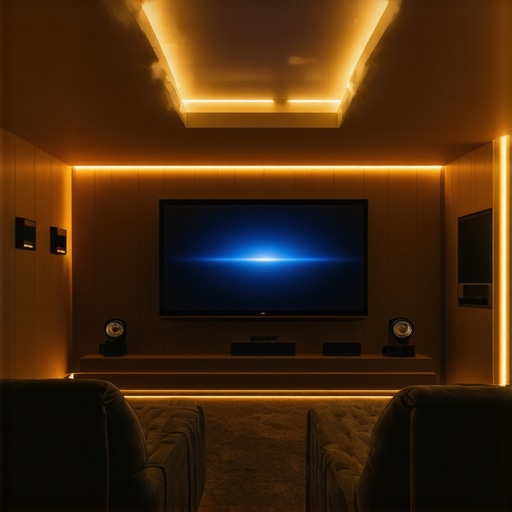
Transform Your Home Theater with Precision Lighting Techniques
Creating an immersive movie-watching environment necessitates more than just high-resolution screens; it demands an expertly curated lighting strategy that enhances visuals without causing glare or distraction. Installing LED strips and ambient lighting plays a pivotal role in elevating the cinematic experience, blending technology with aesthetic finesse. This guide delves into the nuanced processes and expert insights essential for mastering ambient lighting installation tailored for sophisticated home theaters.
Strategic Placement of LED Strips to Maximize Visual Impact
Effective installation hinges on meticulous placement of LED strips, considering factors such as room dimensions, reflective surfaces, and viewing angles. Positioning LED strips behind screens, along ceiling coves, or under furniture edges can produce a seamless glow that complements the room’s architecture. The use of professional-grade, dimmable LED strips enables fine-tuning of brightness levels, ensuring the lighting accentuates movie content without overwhelming the visual field. For detailed guidance, consult this comprehensive resource.
Balancing Color Temperature for Authentic Atmosphere
Color temperature selection significantly influences the ambiance, with expert recommendations favoring warmer tones (around 2700K to 3000K) to mimic cozy theater lighting. Incorporating RGB LED strips allows dynamic adjustment for different moods or content types, providing flexibility that caters to professional-grade setups. Advanced users may experiment with programmable controllers to synchronize lighting with media playback, creating a harmonious and immersive environment that appeals to both casual viewers and cinephiles.
Technical Challenges and Solutions in Ambient Lighting Installation
Installing ambient lighting often presents hurdles related to wiring, power management, and integration with existing home automation systems. Ensuring compatibility with smart home platforms like Alexa or Google Home involves selecting compatible LED controllers and wiring configurations. Proper cable management and surge protection are critical to maintain safety and aesthetic integrity. For industry-grade solutions, refer to this authoritative guide.
What are the most effective ways to synchronize LED lighting with movie content for a truly immersive experience?
Achieving synchronization involves integrating LED strips with media servers or HDMI sync devices that respond to visual cues in real-time. Using software such as Ambilight or proprietary controllers can produce dynamic lighting effects synchronized with on-screen action, enhancing depth perception and emotional engagement. Experts emphasize that seamless synchronization requires high-quality hardware and precise calibration, making it a domain where professional consultation can significantly improve results.
For further insights and advanced techniques, explore this in-depth resource on bias lighting. If you possess specialized knowledge or innovative methods, your contribution can help elevate the community’s collective expertise. Reach out through our contact page.
Elevate Your Home Theater with Expert Lighting Dynamics
While the foundational principles of LED strip placement and color temperature are well-understood, pushing the boundaries of ambient lighting involves integrating sophisticated control systems and innovative design concepts. Advanced enthusiasts and professionals often leverage multi-zone lighting, synchronized media responses, and custom programming to craft immersive environments that resonate with cinematic artistry. These techniques not only enhance aesthetics but also contribute to psychological comfort and visual fidelity, transforming a standard setup into a personalized cinematic sanctuary.
How Can Multi-Zone LED Configurations Transform Your Viewing Experience
Implementing multi-zone LED lighting allows for distinct sections of your room to be independently controlled, enabling nuanced lighting schemes tailored to specific content or moods. For instance, you might configure perimeter lighting to shift from warm to cool tones dynamically, based on the scene’s atmosphere or viewer preference. This level of control is achievable through advanced controllers that support multiple channels and programmable scenes. By integrating these with home automation platforms, you can automate scene transitions, creating a seamless, professional-grade ambiance that responds in real-time to your media playback. For comprehensive guidance, visit this detailed resource.
Can adaptive lighting systems truly mimic the cinema experience at home?
Adaptive lighting systems, which respond to content in real-time, are revolutionizing home theater environments. These systems utilize sensors, media servers, or HDMI sync devices to analyze on-screen colors and contrast, then adjust LED strip lighting accordingly. The result is a dynamic, immersive experience that enhances depth perception and emotional engagement, akin to high-end cinemas. Achieving this effect demands precise calibration and high-quality hardware, including programmable controllers and compatible LED strips. Industry research, such as the work published by the Society of Motion Picture and Television Engineers (SMPTE), underscores the importance of synchronized environmental factors in delivering a true cinematic experience (see more here).
If you’re eager to refine your setup further, explore this guide on bias lighting innovations for 2025 for cutting-edge tips. Share your thoughts or ask questions in the comments — your insights could help others achieve their perfect cinematic environment!
Integrating Smart Control Systems for Flawless Ambient Lighting Synchronization
One of the most sophisticated advancements in home theater lighting involves the use of intelligent control systems that can seamlessly synchronize LED strips with your media content. This integration requires a combination of high-quality media servers, HDMI sync devices, and smart home automation platforms like Crestron or Control4. These systems analyze on-screen colors, contrast, and motion in real-time, adjusting ambient lighting dynamically to enhance immersion. Industry standards such as SMPTE 2084 and HDR metadata play a crucial role in ensuring accurate color and contrast mapping, which can be leveraged by compatible lighting systems for optimal synchronization (see IEEE standards documentation for technical details). Implementing such setups involves meticulous calibration and expert configuration but results in a cinematic experience that rivals commercial theaters.
Customizing Multi-Zone Lighting for Different Viewing Scenarios
Multi-zone LED configurations grant users granular control over lighting in different parts of the room, allowing for tailored atmospheres based on content and mood. For example, a dark, intense thriller might benefit from low, cool perimeter lighting to heighten suspense, while a family movie night might utilize warm, diffuse ambient light to foster coziness. Achieving this level of control hinges on selecting advanced controllers that support multiple channels and scene programming. These controllers can be integrated with voice commands or mobile apps, enabling rapid transitions between lighting schemes. The key to success lies in precise zone mapping and consistent calibration, ensuring each area responds accurately to user commands or automated triggers (consult this industry resource for comprehensive guidance). This approach not only elevates aesthetic appeal but also enhances psychological comfort, making the viewing experience truly immersive.
How do adaptive lighting systems simulate the cinematic ambiance at home?
Adaptive lighting systems utilize a combination of sensors, media analysis software, and sophisticated controllers to respond in real-time to the visual content on-screen. By analyzing color palettes, contrast levels, and motion cues, these systems adjust LED strip colors and brightness to match the film’s mood or scene atmosphere. This technology creates an environment where lighting acts as an extension of the narrative, immersing viewers in a multisensory experience. High-end implementations often incorporate machine learning algorithms that refine response over time, ensuring consistent accuracy. Industry research underscores the importance of latency minimization and calibration precision in delivering a convincing cinematic environment (IEEE papers). For enthusiasts eager to adopt this technology, integrating a media server with a high-performance HDMI sync device and programmable LED controllers is essential for achieving authentic, responsive ambiance.
Interested in mastering advanced ambient lighting? Explore this expert guide to push your home theater setup to the next level. Share your projects or ask questions — your insights could inspire others to create truly extraordinary cinematic environments!
Revolutionize Your Room with Dynamic Lighting Control
Integrating smart lighting systems that adapt seamlessly to your media content is a game-changer in home theater design. Advanced control solutions, such as Crestron or Control4, enable synchronized lighting that responds instantaneously to on-screen action, elevating immersion and realism. These systems leverage high-speed communication protocols and sophisticated sensors to analyze video signals and adjust LED strips with remarkable precision, creating an atmosphere that rivals commercial cinemas. Industry standards like SMPTE 2084 HDR metadata ensure color accuracy and contrast mapping, critical for authentic ambiance replication.
Why Multi-Zone Configurations Unlock Unmatched Flexibility
Implementing multi-zone LED setups empowers you to customize lighting schemes across different regions of your room, tailoring ambiance to specific scenes or activities. For instance, dim, cool perimeter lighting can heighten tension during suspenseful sequences, while warm, diffuse lighting fosters coziness during family viewing. The key lies in selecting controllers that support multiple channels and scene programming, offering rapid scene transitions and personalized settings. Proper calibration guarantees each zone responds accurately, transforming your space into an adaptable cinematic environment.
Can Real-Time Media Analysis Elevate Home Theater Lighting?
Absolutely. Real-time media analysis employs sensors, media servers, and HDMI sync devices to interpret on-screen colors, contrast, and motion. This data feeds into lighting controllers that dynamically adjust LED colors and brightness, creating a living environment that mirrors the narrative’s mood. Machine learning algorithms further refine these responses, ensuring a natural and convincing synchronization. Industry research, such as IEEE publications, highlights the importance of low latency and high calibration accuracy to deliver authentic cinematic ambiance, pushing home environments closer to professional standards.
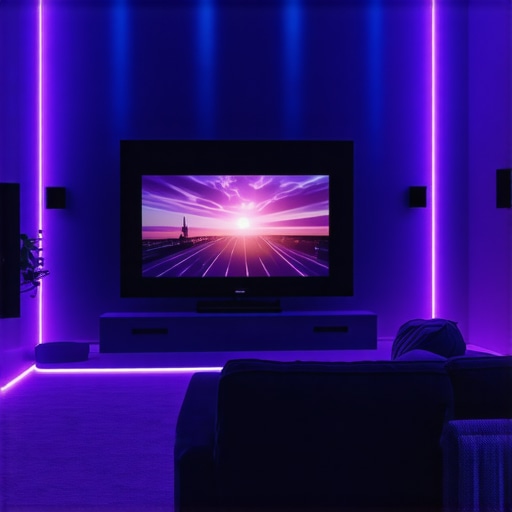
Advanced Techniques for Achieving Cinematic Depth
Beyond basic synchronization, professionals explore techniques such as layered lighting, where multiple zones with varying color temperatures and intensities work in harmony. Using programmable controllers, users can craft intricate scenes that evolve in tandem with the narrative, enhancing emotional engagement. Integrating ambient lighting with Dolby Vision or HDR content ensures color fidelity and contrast are preserved across all lighting cues, maintaining visual integrity. Consulting expert resources like the Society of Motion Picture and Television Engineers (SMPTE) provides invaluable insights into high-fidelity calibration and synchronization, essential for the most discerning enthusiasts.
Expert Tips for Future-Proof Ambient Lighting
Invest in modular, scalable systems capable of supporting emerging standards such as HDR10+ and Dolby Atmos integration. Emphasize compatibility with popular smart home ecosystems to streamline automation. Regular calibration and firmware updates ensure your setup remains at the forefront of technological advancements. Collaborating with professional integrators can unlock bespoke solutions optimized for your space, offering unparalleled control and performance. Explore industry-specific guides and webinars to stay abreast of innovations and refine your expertise further.
What are the latest innovations in adaptive lighting for immersive media experiences?
Recent breakthroughs include AI-powered systems that learn viewer preferences, providing personalized lighting environments that adapt over time. Enhanced sensor arrays capture environmental factors like ambient light levels and room acoustics, adjusting LED responses for optimal immersion. Integration with cloud-based media analysis allows for remote calibration and updates, ensuring your setup evolves alongside content trends. According to research from the IEEE and industry leaders like Lutron, these innovations are setting new standards for cinematic fidelity and environmental comfort. Staying informed through reputable sources such as the Society of Motion Picture and Television Engineers (SMPTE) can help you implement cutting-edge solutions that redefine home cinema excellence.
To elevate your home theater lighting mastery, delve into advanced guides and consider consulting with specialists who can tailor solutions to your unique space. Engaging with expert communities and participating in webinars can further expand your knowledge, ensuring your setup remains innovative and immersive for years to come.
Innovative Lighting Techniques for Cinematic Excellence
Top-tier home theater setups benefit immensely from sophisticated ambient lighting, which enhances visual clarity and emotional impact. Professionals emphasize that integrating multi-zone LED configurations and adaptive control systems can dramatically improve immersion, creating a responsive environment that reacts seamlessly to on-screen content. Expert tips suggest prioritizing color accuracy, precise zone calibration, and real-time synchronization to achieve optimal results.
Key Resources for Deepening Your Lighting Knowledge
- Society of Motion Picture and Television Engineers (SMPTE): Offering standards and guidelines that ensure color fidelity and synchronization accuracy in professional setups.
- IEEE Xplore Digital Library: Providing research papers on the latest advancements in media synchronization and smart lighting systems.
- Lighting Research & Technology Journal: Covering cutting-edge innovations in LED technology and ambient lighting design.
Reflections from Industry Experts
The most impactful insight from industry leaders is that adaptive, multi-zone LED lighting, when combined with intelligent control systems, can revolutionize home cinema environments. This approach not only elevates aesthetic appeal but also enhances psychological comfort and content engagement. To explore advanced techniques, visit this expert guide. Sharing your own innovative solutions can inspire community growth and elevate collective expertise in cinematic lighting design.

Leave a Reply