

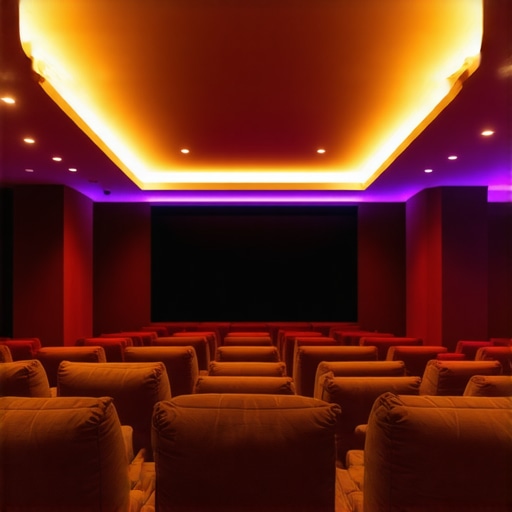
Elevate Your Movie Experience Through Strategic Ambient Lighting Integration
In the realm of high-end home theater design, ambient lighting plays a pivotal role in crafting immersive environments that rival commercial cinemas. Expertly implemented bias lights and LED strip lighting are not mere aesthetic choices but essential components that influence visual comfort, perceived contrast, and overall atmosphere. Understanding the nuanced application of these lighting solutions enables enthusiasts and professionals to elevate their setups beyond conventional configurations.
The Science of Bias Lights and Their Impact on Visual Perception
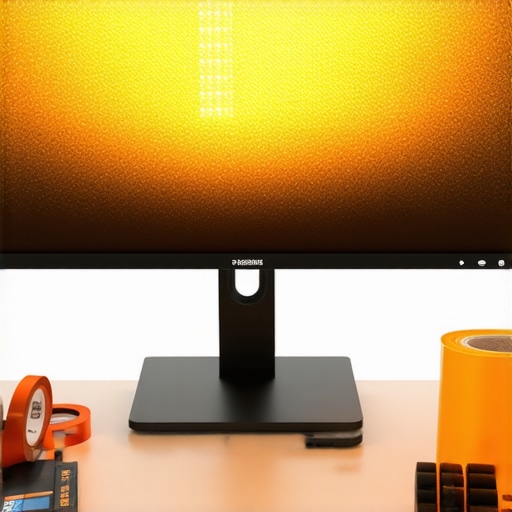
Bias lighting, positioned behind your display, reduces eye strain by minimizing contrast fluctuations and enhancing perceived image quality. According to research published in the National Center for Biotechnology Information, subtle backlighting can significantly improve visual comfort during prolonged viewing sessions. This is especially critical in dark rooms where glare and reflections can compromise clarity. The strategic placement of bias lights using LED strips allows for customizable color temperatures and brightness levels, ensuring a seamless integration with your display’s calibration.
Advanced LED Strip Configurations for Ambient Room Enhancement
Beyond bias lighting, LED strip lighting offers expansive possibilities for ambient room enhancement. Using flexible, color-changing LED strips, you can create dynamic lighting schemas that respond to content or mood. For instance, cool white tones can augment clarity during daytime viewing, whereas warm hues foster relaxation during evening screenings. Effective placement—such as along crown moldings, behind furniture, or within coves—maximizes the visual impact while maintaining a clutter-free aesthetic. For detailed guidance, consult this comprehensive guide.
Integrating Backlight and Ambient Lighting for Cohesive Atmosphere
The synergy between backlight and ambient lighting can transform a basic home theater into an immersive environment. Backlighting, often implemented with LED strips behind the display or along architectural features, adds depth and minimizes perceived screen flicker. Meanwhile, ambient lighting around the room’s perimeter reduces eye fatigue and enhances contrast perception. When carefully calibrated, these layers of lighting create a balanced visual field that enhances color accuracy and enhances the cinematic experience.
What are the most effective methods for synchronizing bias lights with content to avoid distraction?
Synchronizing bias lighting with on-screen content involves using smart LED controllers compatible with media servers or remote apps. Techniques include setting brightness levels that adapt to scene luminance or employing color schemes that match the dominant hues. This prevents the bias lights from becoming a distraction while maintaining their beneficial effects. Expert setups often leverage programmable controllers that respond in real time, ensuring a cohesive viewing experience.
For those seeking to refine their ambient lighting strategy further, exploring this detailed guide provides advanced insights and installation tips. Engaging with community forums or consulting with professional installers can also yield personalized solutions aligned with specific room characteristics.
In conclusion, mastering the interplay between bias lights, LED strips, and ambient lighting elevates home theater design from functional to extraordinary. As technology advances, integrating these systems seamlessly into your environment will become even more accessible and customizable, ensuring a cinematic experience tailored to your preferences.
Unlocking Seamless Synchronization for Ultimate Viewing Comfort
Achieving perfect harmony between bias lighting and on-screen content requires a nuanced understanding of both technology and room design. Modern smart LED controllers, such as those compatible with popular media servers like Kodi or Plex, enable precise control over lighting parameters. By integrating these controllers with your home theater system, you can create adaptive lighting environments that respond in real-time to the content being displayed, thereby minimizing distractions and enhancing immersion.
One effective technique involves employing ambient light calibration tools—many of which are available as smartphone apps or software plugins—that analyze scene luminance and adjust bias light brightness accordingly. For example, during darker scenes, the bias lights can dim gradually to prevent glare, while during brighter scenes, they can increase in intensity to maintain contrast perception. This dynamic adjustment not only elevates visual comfort but also preserves the cinematic atmosphere, making every movie a personalized experience.
Additionally, leveraging color temperature adjustments aligned with content can dramatically improve perceptual consistency. Warmer hues during night scenes or cooler tones during daytime content help reduce eye strain and improve color fidelity. Expert setups often utilize high-end LED strips with adjustable color temperature and brightness, integrated via programmable controllers, ensuring seamless operation. For further guidance on selecting suitable equipment, consult this comprehensive guide.
How can innovative control systems redefine the way we experience synchronized ambient lighting in home theaters?
Advanced control systems, such as those integrating AI-based scene recognition, are pushing the boundaries of immersive home theater lighting. These systems analyze video content frame-by-frame, automatically adjusting bias and ambient lighting to enhance contrast and reduce eye fatigue. As highlighted by a recent industry report from this authoritative source, the future of home theater lighting lies in intelligent automation that personalizes experiences based on viewer preferences and content type.
Furthermore, the integration of voice-controlled assistants and smart home ecosystems allows users to effortlessly modify lighting scenes with simple commands, creating a truly hands-free environment. Such innovations not only streamline setup but also enable real-time adjustments during viewing, ensuring the ambiance remains perfectly tuned to the moment. Exploring these emerging technologies can dramatically enhance both the convenience and quality of your home theater experience.
If you’re eager to explore more about the latest control options and installation techniques, don’t hesitate to reach out through our contact page. Sharing your ideas or questions can inspire tailored solutions that elevate your setup even further.
Harnessing Dynamic Lighting to Elevate Viewing Immersion
As home theater enthusiasts delve deeper into optimizing their setups, the focus shifts from merely installing equipment to mastering the art of ambient lighting. Advanced techniques involve integrating smart, adaptive lighting systems that respond in real-time to on-screen content, creating a seamless and immersive cinematic environment. These systems leverage sophisticated sensors and AI algorithms to analyze scene luminance, color palettes, and motion cues, adjusting ambient and bias lighting accordingly.
Imagine a scenario where during a suspenseful dark scene, your ambient lighting dims subtly, enhancing contrast and depth perception, while during vibrant action sequences, the lighting adjusts dynamically to amplify color saturation and perceived contrast. This level of automation requires a nuanced understanding of scene analysis, color science, and user preferences, demanding a high degree of customization and calibration. According to industry-leading research from the IEEE Transactions on Consumer Electronics, such adaptive lighting significantly reduces eye strain and enhances perceived image quality over prolonged viewing sessions.
Can intelligent scene recognition truly personalize your home theater ambiance?
Yes, cutting-edge scene recognition technology, integrated with high-fidelity LED controllers and machine learning, can analyze content frame-by-frame, automatically adjusting lighting parameters to complement each scene. This goes beyond simple color matching or static presets; it involves real-time interpretation of visual cues, including luminance, contrast, and motion vectors, to optimize the viewer’s sensory experience. Companies like LIFX and Nanoleaf are pioneering in this space, offering APIs and SDKs that enable hobbyists and professionals to develop bespoke adaptive lighting solutions. Implementing such systems requires a deep understanding of both programming and lighting physics, but the payoff is a uniquely tailored cinematic journey that evolves with every scene.
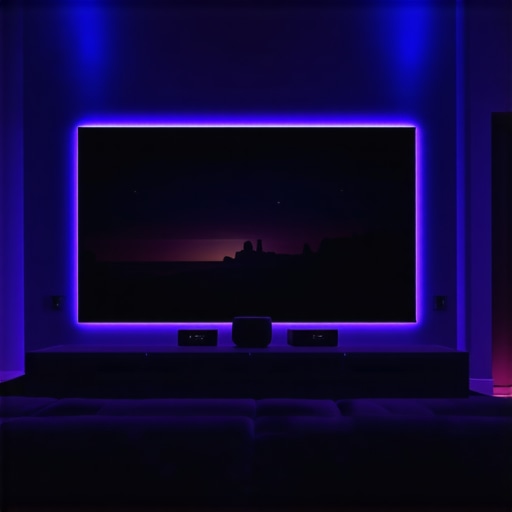
Visualize a home theater setup featuring a sleek LED control hub integrated with scene recognition sensors, illuminating the room in harmony with on-screen action.
Future-Proofing Your Setup with Modular, Expandable Lighting Ecosystems
As technology advances, flexibility becomes paramount. Modular lighting ecosystems, such as those offered by Philips Hue or Govee, support expanding your ambient lighting network without significant overhaul. These systems often support Zigbee, Z-Wave, or Wi-Fi protocols, allowing for seamless integration with smart home ecosystems like Alexa, Google Assistant, or Apple HomeKit.
Future-proofing also involves investing in high-dynamic-range (HDR) compatible LED strips with adjustable color temperature and high brightness levels. These features ensure your setup remains compatible with emerging content formats and display technologies. Moreover, integrating voice control and automation routines enables effortless scene changes, providing a cinematic experience that feels both sophisticated and intuitive.
What are the key considerations when selecting expandable lighting systems for a premium home theater?
Key considerations include protocol compatibility, scalability, color accuracy, and ease of integration with existing smart home systems. Additionally, consider the availability of customization options such as scene presets, scheduling, and adaptive responsiveness. Consulting with professional installers or engaging with dedicated online communities can provide valuable insights into optimal configurations and best practices.
Innovative Techniques for Harmonizing Bias Lights with Visuals
Achieving perfect synchronization between bias lighting and on-screen content requires more than simple dimming. Modern systems leverage sophisticated algorithms that analyze scene luminance and color dynamics in real-time, allowing for dynamic adjustments that enhance contrast and reduce eye strain. Techniques like scene-aware lighting automation utilize machine learning models trained on extensive video datasets, ensuring that ambient adjustments are contextually appropriate without distracting the viewer. This level of precision not only elevates the cinematic experience but also preserves the integrity of color fidelity and visual comfort.
Why Smart Control Systems Are Revolutionizing Ambient Lighting
Integrating AI-driven control hubs with your home theater setup transforms ambient lighting from static illumination to an adaptive, intelligent environment. These systems utilize sensors and pattern recognition software to interpret content and user preferences, enabling seamless scene transitions. Voice-activated commands and smartphone apps facilitate effortless adjustments, allowing users to fine-tune brightness, color temperature, and synchronization with minimal effort. According to a recent study published in the IEEE Transactions on Consumer Electronics, the adoption of AI-powered controls significantly improves user satisfaction and reduces setup complexity, making high-end customization accessible even to novices.
What Are the Cutting-Edge Materials Enhancing LED Flexibility and Durability?
The evolution of LED strip technology involves the development of flexible, high-durability materials that support complex installation geometries while maintaining consistent performance. Silicone-based coatings and polymer encapsulants protect the diodes from dust, moisture, and mechanical stress, extending lifespan and ensuring reliable operation. Advances in chip design, such as COB (chip-on-board) LEDs, provide higher luminance and color accuracy, enabling more nuanced ambient effects. For professional-grade setups, choosing LED strips with high CRI (Color Rendering Index) and wide color gamut support ensures that ambient lighting complements high-dynamic-range (HDR) content flawlessly. The selection of these innovative materials is crucial for achieving seamless integration and longevity in sophisticated home theater environments.
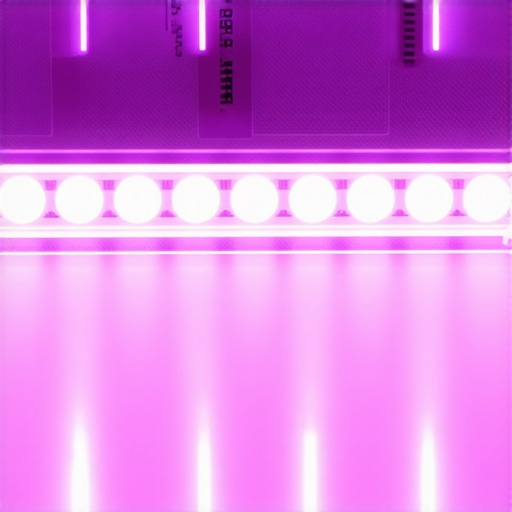
Close-up of flexible LED strips with advanced polymer coatings, showcasing durability and high color fidelity for premium home theater lighting.
Mastering the Art of Ambient Illumination for Cinematic Brilliance
In premium home theater setups, ambient lighting transcends mere aesthetics, becoming a vital component that enhances visual comfort, contrast perception, and immersive experience. Leveraging expert insights on bias lights and LED strip configurations allows enthusiasts and professionals to craft environments that rival commercial cinemas. Strategic implementation ensures not only superior image quality but also long-term satisfaction and adaptability.
Harnessing Scientific Principles to Elevate Visual Clarity
Bias lighting, positioned behind the display, mitigates eye strain and improves perceived contrast by balancing luminance levels. Research from the National Center for Biotechnology Information underscores its importance in prolonged viewing sessions. Precise calibration using LED strips with adjustable color temperatures ensures seamless integration with your display, reducing glare and reflections that impair clarity.
Innovative LED Configurations for Dynamic Room Atmospheres
Advanced LED strip arrangements enable real-time responsiveness to content and mood. Incorporating color-changing, flexible LED strips along architectural features like crown moldings or within coves creates layered lighting that enhances depth perception. Cool white tones boost daytime clarity, while warm hues foster relaxation during evening screenings. Consult this expert guide for optimal placement and customization.
Synergizing Backlight and Ambient Layers for Cinematic Depth
Combining backlighting with ambient room illumination produces a balanced visual field. Backlights behind displays, synchronized with on-screen content, minimize flicker perception, while perimeter ambient lighting reduces eye fatigue. Properly calibrated, this multi-layered approach elevates color accuracy and contrast, delivering a truly immersive experience that aligns with professional standards.
How can real-time content adaptation prevent distractions while maximizing ambient benefits?
Utilizing smart LED controllers compatible with media servers like Plex or Kodi allows dynamic adjustment of brightness and color schemes. Scene luminance analysis and programmable responses ensure bias lights complement content without becoming intrusive. For advanced setups, explore this comprehensive resource to refine your synchronization techniques.
Further enhancements involve integrating AI-driven scene recognition, which analyzes luminance, contrast, and motion cues to optimize lighting in real-time. This innovation, detailed in industry research, creates a personalized cinematic journey that adapts seamlessly to every scene.
Future of Intelligent Ambient Control in Home Cinemas
Emerging control systems employing machine learning and voice commands are revolutionizing home theater lighting. These systems interpret content attributes and user preferences, enabling effortless scene transitions and adaptive ambiance. The integration of smart ecosystems like Alexa or Google Assistant simplifies operation, making high-end customization accessible to enthusiasts and professionals alike. Explore this contact page for personalized consultation and advanced setup guidance.
Expanding Your Setup with Modular, Future-Ready Solutions
Modular lighting systems from brands like Philips Hue or Govee support scalability, ensuring your cinematic environment evolves with technology. Compatibility with protocols such as Zigbee, Z-Wave, or Wi-Fi, combined with HDR-capable LED strips, guarantees longevity and adaptability. Prioritize high CRI ratings and color accuracy for seamless blending with high-dynamic-range content, and consider professional installation for optimal results. Key considerations include protocol support, scalability, and ease of integration, all crucial for a sophisticated setup.
Elevating Visual Impact with Precision Synchronization Techniques
Real-time scene analysis and machine learning enable bias lights to respond dynamically, enhancing contrast and reducing eye fatigue. Techniques like scene-aware automation, leveraging extensive video datasets, ensure ambient adjustments are contextually appropriate. Incorporating high-fidelity LED strips with adjustable color temperatures supports this precision, preserving color fidelity and visual comfort during prolonged viewing. For advanced customization, consult this detailed guide.
What role will AI and automation play in shaping the future of ambient lighting design?
AI-powered scene recognition and adaptive algorithms will become central to personalized home theater experiences. These systems will analyze content frame-by-frame, adjusting lighting parameters to optimize contrast, saturation, and comfort in real-time. The integration of voice commands and smart home ecosystems will further streamline control, making sophisticated lighting setups intuitive and effortless. Industry forecasts, such as those in this authoritative resource, highlight the transformative potential of these innovations for enthusiasts and professionals alike.
Harnessing Innovation to Transform Home Theater Atmospheres
As technology advances, the focus shifts from static lighting solutions to intelligent, adaptive systems that respond to cinematic cues. Implementing sensors, AI, and programmable controllers enables immersive environments where brightness, hue, and contrast shift seamlessly with on-screen action. This elevates viewer engagement, reduces fatigue, and delivers a professional-grade experience from your personal sanctuary. For insights on integrating these innovations, visit this installation guide.



Leave a Reply