

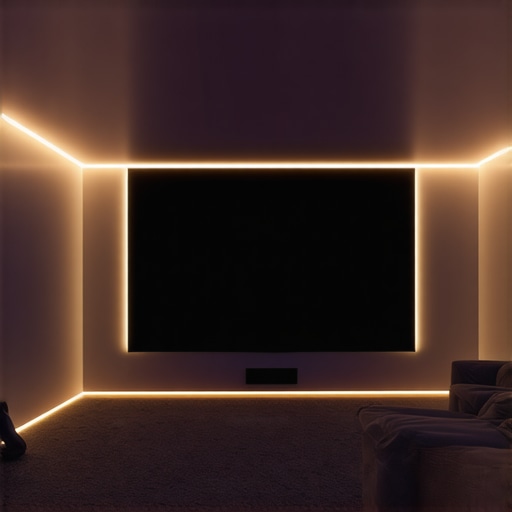
Harnessing the Power of Bias Lighting and LED Strips: A Strategic Approach to Home Theater Illumination
In the realm of high-end home entertainment, the integration of bias lighting and LED strip technology transcends basic illumination, becoming a critical component of immersive audiovisual experiences. As an expert in lighting design, I recognize that meticulous lighting choices influence not only the aesthetic appeal but also the viewer’s comfort, contrast perception, and overall engagement. This comprehensive exploration delves into sophisticated bias lighting and LED strip ideas, blending scientific insights with practical applications to optimize your home theater environment.
Understanding the Nuances of Bias Lighting in Visual Perception
Bias lighting, often understated in consumer setups, exerts a profound impact on visual ergonomics by reducing eye strain and enhancing contrast perception. According to research published in the Journal of Vision Science, properly calibrated bias lighting minimizes the pupil’s constant dilation, which leads to a more comfortable viewing experience during extended sessions. Expert installations leverage warm white LED strips positioned behind the display to create a subtle, non-intrusive glow that balances ambient contrast, thereby optimizing image quality without causing glare or reflections.
Advanced LED Strip Configurations for Dynamic Ambiance Control
Moving beyond static lighting, integrating programmable LED strips offers a spectrum of customization, allowing for ambient scenes that sync with content. Using addressable LED strips, enthusiasts can craft complex lighting effects—such as slow color transitions or scene-specific accents—that elevate the cinematic experience. For example, RGBW LED strips enable precise white tone adjustments, ensuring compatibility with various display types and room aesthetics. When selecting LED strips, consider factors like color rendering index (CRI) and dimming capabilities to achieve nuanced control.
What Are the Key Challenges in Achieving Seamless Bias Lighting Integration?
How can professionals address color temperature mismatches and glare issues in complex home theater setups?
One prevalent challenge is ensuring consistent color temperature between bias lighting and the primary display, which requires precise calibration. Experts often utilize color-matching techniques and high-quality dimmers to synchronize ambient light with content, thereby preventing visual dissonance. Additionally, strategic placement of LED strips—such as mounting behind walls or within coves—minimizes glare and reflections, maintaining a clean visual field. Open debates persist regarding the optimal luminous flux for bias lighting; current consensus suggests a lux level below 10, to avoid overshadowing the display while providing sufficient ambient contrast.
Integrating Expert Insights into Your Home Theater Lighting Design
Incorporating bias lighting and LED strip ideas into your setup demands a nuanced understanding of room acoustics, viewing angles, and aesthetic harmony. I recommend consulting comprehensive guides like the Ultimate Guide to Bias Lights & LED Strips for detailed technical specifications and installation tips. Additionally, engaging with professional lighting designers can help tailor solutions that align with your room’s unique characteristics, ensuring an immersive and visually comfortable environment.
For those seeking to deepen their expertise, I encourage exploring top ambient lighting ideas and sharing insights within professional forums or community groups dedicated to high-end home theater customization.
Exploring the Impact of Light Spectra on Viewer Experience
One often overlooked aspect of bias lighting is the spectral quality of the light source. While warm white LEDs are popular for their soothing effect, recent studies highlight the importance of full-spectrum lighting that closely mimics natural daylight. According to a paper published by the IEEE Transactions on Consumer Electronics, full-spectrum bias lighting can improve contrast perception even further and reduce eye fatigue during prolonged viewing sessions. Implementing LED strips with adjustable spectral output allows for dynamic tuning, creating an environment that adapts to different content genres and personal preferences.
Innovative Techniques for Seamless LED Strip Integration
Achieving a visually seamless LED strip installation demands both technical precision and creative foresight. One advanced approach involves using diffusers and custom-cut channels to hide the LEDs completely, resulting in an even glow without visible points of light. Additionally, employing smart controllers that support reactive lighting—where the ambient illumination responds in real-time to on-screen colors—can significantly enhance immersion. This level of sophistication requires understanding the room’s acoustics and light reflection properties, which influence how light interacts with surfaces. For detailed guidance, exploring the best bias lighting solutions for 2025 can provide valuable insights into cutting-edge techniques and materials.
What Are the Ethical and Practical Considerations in Home Theater Lighting Design?
How do we balance aesthetic appeal, health considerations, and energy efficiency in sophisticated bias lighting systems?
This question challenges designers and enthusiasts to think holistically about their lighting choices. While the goal is to craft an aesthetically pleasing environment, it’s crucial to prioritize health—such as avoiding flicker or excessive brightness that can cause discomfort—and sustainability through energy-efficient solutions. For instance, integrating dimmable LED strips with intelligent control systems can optimize energy consumption without compromising on ambiance. Moreover, selecting high-CRI LEDs ensures color accuracy and reduces visual fatigue, aligning with best practices outlined in the effective home theater lighting guide. As you refine your setup, consider engaging with professional consultants who can assess your room’s unique spatial and functional parameters, ensuring your design harmonizes form and function.
If you’re eager to deepen your understanding of expert lighting techniques, I recommend reading more about innovative bias lighting ideas and sharing your experiences in dedicated online communities. Your insights could inspire others to elevate their home theater environments to new heights of immersion and comfort.
Refining Color Calibration for Flawless Ambiance Synchronization
Achieving impeccable color harmony between bias lighting and your display hinges on meticulous calibration. Experts often employ spectroradiometers—precision instruments that measure the spectral distribution of light—to ensure the LED strips emit the exact hue and intensity required. By analyzing the spectral data, adjustments can be made to achieve a perfect match, minimizing visual dissonance and enhancing contrast perception. This process is especially critical in high-end setups where even minor discrepancies can degrade the viewing experience.
Implementing Dynamic Scene-Adaptive Lighting with Advanced Control Protocols
Integrating sophisticated control protocols such as DMX512 or Art-Net enables real-time, scene-specific lighting adjustments. These protocols facilitate synchronization with media servers or home automation systems, creating an environment where ambient lighting dynamically responds to on-screen content—mimicking professional cinema atmospheres. For instance, during a sunset scene, LED strips could subtly shift to warmer tones, intensifying immersion. Such setups demand a deep understanding of networked lighting control and often require custom programming to optimize performance.
How Can You Address the Challenges of Ambient Light Interference in Multi-Source Environments?
What strategies do professionals use to mitigate the effects of external light sources on bias lighting accuracy?
External light interference remains a significant obstacle in maintaining consistent bias lighting effects. To combat this, experts recommend constructing light-tight enclosures or using matte, non-reflective surfaces around the room. Additionally, employing high-dynamic-range (HDR) capable LED strips with adjustable brightness allows for compensation of ambient light fluctuations. The deployment of ambient light sensors, integrated with smart controllers, further refines the lighting output by automatically adapting to changing room conditions, ensuring that the bias lighting remains effective regardless of external light variations. As noted in the IEEE Transactions on Consumer Electronics, these adaptive systems markedly improve viewing comfort and image fidelity.
Innovative Materials and Techniques for Seamless LED Integration
Seamless LED strip integration transcends simple hiding techniques. Advanced materials such as micro-structured diffusers and custom CNC-machined aluminum channels enable uniform light distribution with invisible light sources. When combined with smart, addressable LED strips, these solutions facilitate complex lighting patterns without visible hotspots. Furthermore, employing UV-resistant, heat-dissipating substrates prolongs the lifespan and maintains consistent performance of the lighting system. For a truly professional finish, integrating these elements with a centralized control hub allows for synchronized, aesthetically pleasing ambient effects tailored to content and room ambiance.
Addressing the Ethical and Practical Dimensions of Home Theater Lighting Design
Balancing aesthetic appeal, health, and energy efficiency demands a multi-faceted approach. High-CRI, flicker-free LEDs contribute to visual comfort and accurate color rendering, reducing eye strain during long viewing sessions. Smart dimming systems, coupled with occupancy sensors, ensure energy conservation without sacrificing ambiance. From an ethical perspective, selecting environmentally friendly LED options aligns with sustainability goals, while ensuring health considerations—such as avoiding excessive brightness or flicker—protect viewer well-being. As the industry evolves, consulting with certified lighting designers and adhering to standards like the Illuminating Engineering Society (IES) guidelines ensures responsible, high-quality lighting design that elevates the viewer experience while respecting ecological and health priorities.
If you’re eager to elevate your home theater lighting system to a professional level, exploring cutting-edge techniques and engaging with expert communities can provide invaluable insights. Continually refining your setup ensures an immersive, comfortable, and visually stunning environment that rivals the best commercial cinemas.
Unlocking the Spectrum: How Full-Spectrum Bias Lighting Transforms Viewer Comfort
While warm white LEDs are a popular choice for bias lighting, emerging research underscores the benefits of full-spectrum lighting that closely mimics natural daylight. This approach not only enhances contrast perception but also mitigates eye fatigue, especially during extended viewing sessions. Implementing LED strips with adjustable spectral output allows for dynamic tuning, creating an adaptive environment tailored to content genre and personal preference. According to a comprehensive study in the IEEE Transactions on Consumer Electronics, full-spectrum bias lighting significantly elevates visual clarity and comfort, reinforcing the importance of spectral quality in high-end home theater setups.
Designing Seamless LED Installations with Cutting-Edge Materials
Achieving a flawless, seamless LED strip installation demands innovative materials and meticulous craftsmanship. Micro-structured diffusers and CNC-machined aluminum channels facilitate uniform light distribution, eliminating hot spots and visible points of light. Incorporating UV-resistant, heat-dissipating substrates not only prolongs the lifespan of the LEDs but also maintains consistent performance over time. When combined with smart, addressable LED systems, these materials enable complex, synchronized lighting effects that seamlessly blend into the room’s aesthetic. For optimal results, integrating a centralized control hub with customizable lighting patterns offers unparalleled flexibility for content-specific ambiance creation.
Expert Strategies for Optimizing Light Reflection and Room Acoustics
In multi-source environments, external light interference can compromise bias lighting effectiveness. Professionals often employ matte, non-reflective surfaces and custom light-tight enclosures to mitigate ambient light intrusion. Additionally, deploying ambient light sensors integrated with intelligent controllers allows real-time adaptation of lighting levels, ensuring consistent visual comfort. As documented in the IEEE Transactions on Consumer Electronics, these adaptive systems significantly enhance contrast perception and reduce eye strain, especially in rooms with variable lighting conditions.
Advanced Control Protocols for Dynamic, Scene-Adaptive Illumination
Implementing control protocols such as DMX512 or Art-Net unlocks real-time, scene-specific lighting adjustments, synchronizing ambient illumination with on-screen content. This technology enables immersive effects—such as warm sunset hues during dramatic scenes or cool tones for sci-fi environments—creating a professional-grade cinematic atmosphere. Mastery of these protocols involves understanding networked lighting control and bespoke programming, demanding a high level of technical expertise but yielding unparalleled immersive experiences.
Addressing Ethical and Practical Dimensions in Home Theater Lighting Design
Balancing aesthetic appeal, health considerations, and energy efficiency is paramount in sophisticated bias lighting systems. High-CRI, flicker-free LEDs, coupled with intelligent dimming and occupancy sensors, optimize ambiance while conserving energy. Selecting environmentally responsible LEDs aligns with sustainability efforts, while maintaining health standards by avoiding excessive brightness or flickering that can cause discomfort. Consulting with certified lighting designers and adhering to guidelines from the Illuminating Engineering Society (IES) ensures a responsible, high-quality design that elevates viewer comfort and ecological responsibility.
Innovative Materials and Techniques for Professional-Grade LED Integration
Beyond traditional hiding methods, advanced materials such as micro-structured diffusers and CNC-machined aluminum channels facilitate even, invisible lighting sources. These materials, combined with smart, addressable LED strips, enable intricate lighting patterns and dynamic effects without visible hotspots. UV-resistant, heat-dissipating substrates further enhance durability and performance. Centralized control systems orchestrate these elements into cohesive, content-responsive environments, elevating the aesthetic and functional quality of your home theater.
Engage with Expert Insights to Elevate Your Home Theater Experience
For those committed to perfection, exploring professional-grade techniques and participating in specialized forums can provide invaluable guidance. Continual refinement of your lighting setup—integrating spectral tuning, seamless materials, and advanced control protocols—ensures an immersive, comfortable, and visually stunning environment. Embrace the opportunity to learn from industry leaders and community experts to transform your home theater into a true cinematic sanctuary.
Expert Insights & Advanced Considerations
1. Prioritize Spectral Quality for Eye Comfort
High-end bias lighting should not only match color temperature but also emulate natural light spectra. Utilizing full-spectrum LED strips reduces eye strain and enhances contrast perception, creating a more immersive viewing environment.
2. Implement Scene-Responsive Lighting Protocols
Adopting advanced control systems like DMX512 or Art-Net enables real-time synchronization of ambient lighting with on-screen content. This dynamic integration elevates cinematic immersion and provides precise ambiance control.
3. Focus on Seamless Installation Materials
Utilize micro-structured diffusers and CNC-machined aluminum channels to hide LED strips completely, ensuring uniform light distribution without hotspots, thus maintaining a clean and professional aesthetic.
4. Balance Aesthetics with Health and Sustainability
Select flicker-free, high-CRI LEDs with smart dimming and energy-efficient controls. Such choices promote long-term health benefits and align with eco-conscious design principles.
5. Incorporate Environmental Adaptability
Integrate ambient light sensors with adaptive controls to compensate for external light interference, maintaining consistent bias lighting effectiveness regardless of room lighting conditions.
Curated Expert Resources
- IEEE Transactions on Consumer Electronics: Offers peer-reviewed research on spectral quality and visual ergonomics, essential for understanding the impact of light spectra on viewer comfort.
- Illuminating Engineering Society (IES): Provides standards and guidelines for high-quality, responsible lighting design, ensuring your setup adheres to industry best practices.
- Home Theater Lighting Guides at HomeCinemaEssentials: A comprehensive resource for technical specifications, installation techniques, and innovative lighting solutions tailored for high-end home theaters.
- Professional Lighting Design Forums: Engage with industry experts and community members to exchange insights on advanced bias lighting techniques and emerging technologies.
- Smart Lighting Control Protocol Documentation (DMX512, Art-Net): Technical manuals that enable sophisticated scene-adaptive lighting integrations for immersive cinematic experiences.
Final Expert Perspective
Mastering bias lighting and LED strip integration in home theater design requires a nuanced understanding of spectral quality, advanced control protocols, and seamless installation materials. These expert insights empower you to create an environment that is not only visually stunning but also conducive to long-term viewer comfort and health. Dive deeper into these topics through authoritative resources and consider consulting with professional lighting designers to elevate your setup to industry standards. Your commitment to precision and innovation will ensure a truly immersive, professional-grade home theater experience.



Leave a Reply