

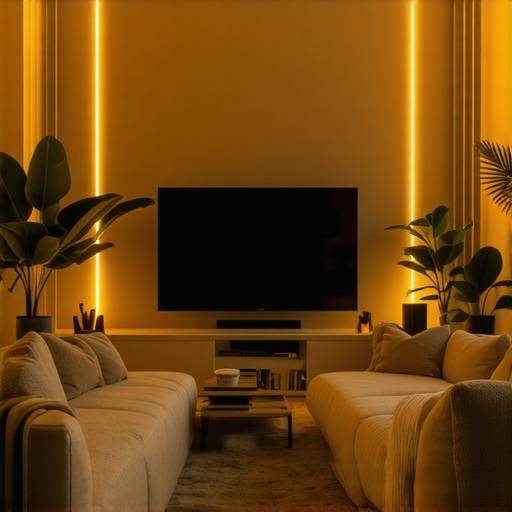
Elevating Your Home Theater with Expert Lighting Strategies
In the realm of home entertainment, lighting transcends mere aesthetics, becoming a pivotal component that influences viewer immersion and emotional engagement. As technology evolves, so too do the sophisticated techniques for creating ambient environments that enhance cinematic experiences. This article delves into the nuanced application of bias lights, LED strip lighting, and backlighting solutions, providing a comprehensive guide for enthusiasts aiming to achieve professional-grade setups in 2024.
Integrating Bias Lights for Visual Comfort and Contrast Enhancement
Bias lighting, often overlooked, plays a crucial role in reducing eye strain during prolonged viewing sessions and improving perceived contrast on screens. Expert installations consider the color temperature and luminance levels, aligning them with ambient conditions for optimal comfort. For instance, employing bias lights for home theaters in 2025 demonstrates how strategic placement can subtly elevate the visual experience while maintaining a relaxing environment.
Harnessing LED Strips for Dynamic Ambient Lighting
LED strip lighting offers unparalleled flexibility in shaping the atmosphere. Professionals leverage RGB and tunable white LED strips to synchronize with media content, creating immersive color transitions that reflect mood or scene tone. The latest LED strip installation techniques emphasize meticulous planning—cabling, diffusion, and control systems—ensuring seamless integration with home automation platforms.
Strategic Backlighting to Frame Visual Content
Backlighting, particularly using LED strips, functions as a visual buffer that reduces screen glare and enhances perceived depth. Expert setups often position backlights behind the display or along the room’s perimeter, employing diffusers to soften light spill. This approach not only enhances contrast but also mitigates eye fatigue, especially in dark rooms. Advanced users explore backlight strategies for 2024, optimizing light intensity and color for cinematic authenticity.
How Can I Balance Brightness and Color for Different Media Types?
Achieving the perfect harmony between brightness and color temperature requires understanding your display’s native settings and room lighting conditions. Professional calibration tools and software, such as those discussed in comprehensive guides on bias lighting calibration, enable precise adjustments, ensuring your ambient lighting complements your screen without overpowering it. Regularly revisiting these settings allows adaptation to different content genres, from bright HDR films to dimly lit horror movies.
For those seeking to deepen their mastery, engaging with expert communities and sharing insights can refine your approach. Explore related content or contribute your experiences to advance collective knowledge in creating cinematic atmospheres.
Refining Your Lighting Setup for Cinematic Perfection
While basic bias lighting and LED strips significantly enhance your home theater experience, advanced techniques can elevate your setup to a professional level. Customizing light zones, integrating smart controls, and fine-tuning color dynamics are crucial for creating a truly immersive environment. For example, by dividing your room into multiple lighting zones, you can control ambient light intensity and color temperature independently, matching each zone to specific content genres or viewing times. This approach not only enhances visual contrast but also preserves your room’s ambiance, preventing overexposure or underlighting.
Implementing Adaptive Lighting with Media Synchronization
Modern systems leverage media-synchronized lighting to respond dynamically to content. Using smart LED controllers compatible with platforms like Philips Hue or LIFX, you can synchronize backlighting and bias lights with on-screen action. This technique, often termed “ambilight” or “media-reactive lighting,” creates a sense of depth and immersion, making viewers feel like they are part of the scene. Experts recommend exploring comprehensive guides on bias lighting calibration to perfect this synchronization, ensuring smooth transitions and accurate color reproduction.
What Are the Hidden Pitfalls of Over-Illuminating Your Space?
Many enthusiasts assume that brighter is better, but excessive lighting can wash out screen images and diminish contrast. Over-illumination also risks causing glare, which strains your eyes over time. The key lies in balancing brightness levels and employing diffusion techniques—such as frosted covers—on LED strips. Additionally, understanding the room’s ambient light conditions and adjusting luminance accordingly can prevent visual fatigue. For more nuanced insights, explore top ambient lighting ideas for cinema-quality setup that emphasize subtlety and harmony.
How Can You Use Color Psychology to Amplify Viewing Atmospheres?
Color temperature and hue profoundly affect emotional responses and viewer engagement. Warm tones like amber and soft white promote relaxation, ideal for romantic or family viewing, while cooler whites and blues enhance focus during gaming or intense action scenes. Advanced users experiment with programmable LED strips to cycle through colors based on scene mood or genre, leveraging psychological principles to heighten immersion. Expert insights suggest tailoring your lighting scheme to your favorite genres can make a noticeable difference in overall enjoyment and comfort. For more inspiration, visit creating immersive ambiance articles that explore the art of color in cinematic environments.
Interested in transforming your space further? Share your ideas or ask questions in the comments, or explore more expert tips for enhancing your home theater with LED strip lighting.
The Art of Fine-Tuning Light Zones for Dynamic Content
One of the most sophisticated techniques in advanced home theater setups involves customizing multiple lighting zones within the room. By dividing your space into distinct areas—such as behind the screen, along the ceiling perimeter, or around seating—you gain precise control over ambient light levels and color temperatures tailored to specific media genres or viewing preferences. This zoning approach minimizes unwanted spill and enhances contrast dynamically, creating a truly immersive experience that rivals commercial cinemas. To implement this effectively, professionals recommend using multi-zone controllers compatible with popular smart lighting ecosystems like Lutron or Crestron, which offer granular scheduling and scene setting capabilities.
Leveraging Smart Automation for Seamless Scene Transitions
Automation elevates ambient lighting from static to responsive. Integrating your lighting system with media servers or smart home hubs enables scene-specific presets—like a dim, warm glow for romantic films or vibrant, cool tones for action-packed blockbusters—that activate with a single command or automatically trigger based on the content. Advanced automation systems utilize sensors and AI algorithms to adapt lighting in real-time, considering factors such as room occupancy, time of day, or even viewer mood. As noted by industry leaders like Crestron, implementing adaptive lighting not only enhances visual fidelity but also reduces eye strain and promotes comfort during prolonged viewing sessions. Explore how to synchronize your ambient lighting with media playback for a flawless cinematic experience.
What Are the Best Practices for Preventing Color Bleed and Glare in Multi-Zone Systems?
Achieving seamless color transitions while avoiding unwanted bleed or glare is a challenge that requires meticulous planning and execution. Professionals recommend employing frosted diffusers on LED strips, especially in zones adjacent to reflective surfaces or seating areas, to soften light spill. Additionally, selecting LED strips with high color rendering indexes (CRI) ensures accurate color reproduction without distortion. Proper mounting height and angling can further prevent direct glare into viewers’ eyes, creating a comfortable environment that maintains focus on the screen. For a deep dive into this topic, consult authoritative sources such as the CinemaQuest technical guide on ambient lighting design.
Sophisticated Use of Color Psychology to Influence Viewing Atmospheres
Color psychology plays a pivotal role in setting the emotional tone of your home cinema. Experts advocate for programmable RGB lighting that can cycle through hues to match scene moods, thereby amplifying emotional impact. Warm amber and soft whites foster relaxation, making them ideal for family or romantic films, while cool whites and blues boost focus during gaming or high-intensity sequences. More advanced enthusiasts experiment with dynamic color scripting based on scene analysis or viewer preferences, using platforms like DMX or Art-Net for precise control. Incorporating psychological principles into your lighting design enhances immersion and emotional resonance, an approach supported by recent research from the Journal of Environmental Psychology.
If you’re eager to push your setup further, consider joining professional forums or consulting with lighting designers specializing in cinematic environments. Your journey to mastering ambient lighting begins with understanding the science and art behind color and control—dive deeper into expert strategies and tailored solutions today.
Unlocking the Power of Layered Lighting for Cinematic Depth
Achieving a truly immersive home theater experience hinges on mastering the art of layered lighting—combining ambient, task, and accent lighting to create a dynamic visual environment. By strategically placing dimmable LED strips along ceiling coves, behind the display, and around seating areas, enthusiasts can craft a nuanced lighting palette that adapts seamlessly to the content, enhancing contrast and depth. This technique necessitates meticulous planning, including the use of multi-zone controllers and scene presets that respond to different genres or viewing times, transforming a basic setup into a cinematic sanctuary.
Precision Calibration of Ambient Light for Visual Clarity
Fine-tuning ambient lighting involves more than just brightness adjustments; it requires a comprehensive calibration process that considers color temperature, luminance, and contrast ratios. Employing professional-grade calibration tools like colorimeters and software such as CalMAN ensures that ambient light levels complement your display’s native profile, preventing washout or glare. Such precision calibration not only elevates image quality but also minimizes eye strain during extended sessions, especially in rooms with complex lighting zones that demand synchronized adjustments across multiple sources.
How Do Expert Home Theaters Achieve Flawless Light Synchronization with Content?
Experts utilize advanced media synchronization protocols, integrating smart lighting controllers with media servers and AI-driven algorithms to dynamically adapt ambient lighting in real-time. Platforms like DMX512, Art-Net, or proprietary systems from Crestron and Lutron enable scene-specific presets that respond instantaneously to on-screen action or scene mood, creating a cohesive audiovisual tapestry. According to industry-leading sources such as CEDIA, this level of synchronization demands rigorous setup and ongoing calibration to ensure seamless transitions and accurate color rendering, elevating your home theater from good to extraordinary.
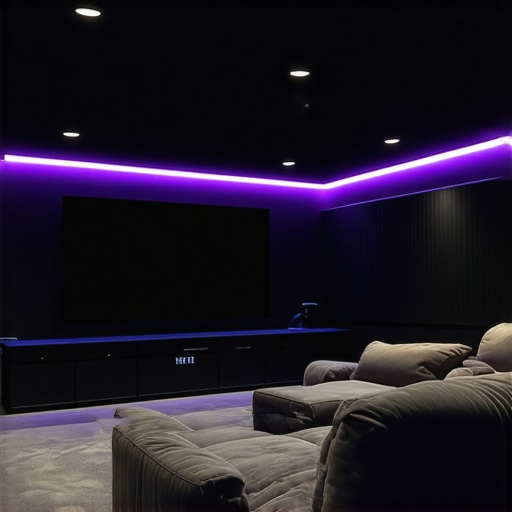
Incorporate an illustrative image of a high-end home theater with multi-zone lighting control, showcasing layered ambient, task, and accent lights that adapt to different media content for maximum immersion.
Innovative Use of Color Dynamics to Influence Mood and Focus
Beyond static hues, sophisticated lighting systems employ programmable RGB and tunable white LEDs to craft dynamic color sequences that influence emotional engagement and viewer focus. By leveraging psychological insights—such as warm amber tones promoting relaxation or cool blues enhancing concentration—users can tailor their environment to suit specific genres or personal preferences. Integrating these systems with scene detection or voice commands allows for effortless mood shifts, transforming the room into an emotionally resonant space that complements cinematic storytelling.
Preventing Overexposure and Glaring Pitfalls in Complex Layouts
While ambitious lighting schemes enhance immersion, they also risk creating glare or color bleed that diminishes image quality. Experts recommend deploying frosted diffusers and high-CRI LED strips to soften light spill and maintain color fidelity. Precise mounting heights and angling further reduce direct glare into viewers’ eyes, safeguarding visual comfort. Consideration of reflective surfaces and room acoustics is crucial; consulting authoritative sources like the Society of Motion Picture and Television Engineers (SMPTE) can provide guidelines for optimal lighting placement that preserves contrast and minimizes distraction.
What Are the Latest Innovations in Adaptive Lighting for Real-Time Content Enhancement?
Cutting-edge systems harness AI algorithms and sensor integration to analyze on-screen content and dynamically adjust lighting parameters. These adaptive solutions synchronize with media playback, adjusting brightness, hue, and saturation to match scene mood, thus amplifying emotional and visual impact. Industry leaders emphasize that such systems require robust calibration and compatibility with high-end smart lighting ecosystems like LIFX or Philips Hue to achieve flawless responsiveness. Exploring these innovations offers a pathway to elevate your home theater into a true multisensory experience, blending technology with artistry.
Innovative Strategies for Room Zoning and Light Layering
Implement multi-zone lighting controls that allow independent adjustment of ambient, task, and accent lights, creating a dynamic cinematic environment tailored to different genres and viewing preferences. Layered lighting enhances depth and contrast, elevating your home theater experience beyond basic setups.
Leveraging Advanced Color Dynamics and Psychological Insights
Utilize programmable RGB and tunable white LEDs to craft immersive color sequences that influence mood and focus. Applying color psychology principles—such as warm tones for relaxation or cool tones for concentration—can significantly amplify emotional engagement during viewing sessions.
Ensuring Flawless Synchronization with Content
Integrate media-reactive lighting systems that respond in real-time to on-screen action, leveraging AI algorithms and high-end controllers. This synchronization enhances immersion and creates a seamless audiovisual experience that rivals commercial cinemas.
Expert Resources for Deepening Your Knowledge
- Homecinemaessentials.com Guides — Comprehensive articles and tutorials authored by industry experts on bias lighting, LED strip installation, and ambient control strategies.
- Crestron and Lutron Documentation — Technical manuals and system integration guides for professional-grade smart lighting solutions.
- SMPTE Standards — Guidelines on optimal lighting placement, glare reduction, and contrast management in high-performance setups.
- Research Journals on Color Psychology — Academic papers exploring how hue and saturation influence viewer emotions and focus during cinematic experiences.
Reflections from a Home Theater Lighting Specialist
Achieving professional-grade ambient lighting in a home theater hinges on strategic zoning, expert use of color dynamics, and seamless synchronization with media. By adopting these advanced techniques and leveraging authoritative resources, enthusiasts can create immersive environments that elevate both visual quality and emotional resonance. For those committed to excellence, continuous learning and community engagement are vital—share your insights, ask questions, and explore the latest innovations to stay at the forefront of cinematic ambiance design. Your journey to mastery begins today, and the potential for transformation is boundless.

Leave a Reply