

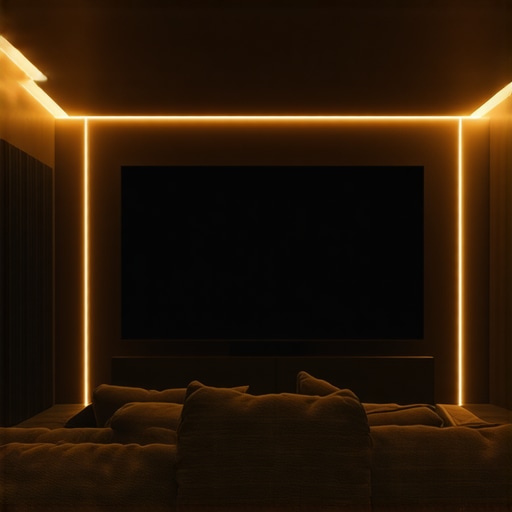
Elevate Your Home Theater Experience with Expert LED Lighting Strategies
In the realm of high-fidelity home entertainment, lighting design extends beyond mere aesthetics; it becomes an integral component of immersive audiovisual environments. As professionals in the field, we recognize that sophisticated LED strip and bias lighting solutions can dramatically enhance visual comfort, contrast perception, and overall ambiance. This guide delves into advanced techniques for integrating LED lighting that aligns with expert standards and scientific insights.
The Scientific Foundations of Bias Lighting and Ambient Illumination
Bias lighting, when correctly implemented, reduces eye strain by maintaining a balanced luminance level between the screen and its surroundings. According to a study published in the Journal of Vision, optimal bias lighting can improve contrast sensitivity and reduce fatigue during extended viewing sessions. This necessitates a nuanced understanding of luminance ratios, color temperature, and the spectral quality of LED strips, ensuring they complement your display technology and room characteristics.
Optimizing LED Strip Placement for Visual Fidelity and Aesthetic Harmony
Strategic placement of LED strips is paramount. Experts recommend installing diffused, high-CRI (Color Rendering Index) LED strips along the back edges of screens or behind acoustic panels to prevent glare and color distortion. The use of high-quality LED strips with adjustable brightness and color temperature affords dynamic control, enabling seamless adaptation to ambient light conditions and content type.
Integrating Advanced Control Systems for Dynamic Lighting Scenes
Modern home theater setups benefit from sophisticated control systems that synchronize lighting with media playback. Implementing DMX or Zigbee-compatible LED controllers allows for real-time adjustments and scene presets, elevating the immersive experience. This integration demands an understanding of both hardware compatibility and software automation, ensuring reliability and precision in light modulation.
How Can I Achieve Perfect Color Consistency Across Multiple LED Strips in a Large Home Theater Space?
Achieving uniform color and brightness across extensive LED installations requires meticulous calibration, often facilitated by dedicated lighting software and calibrated sensors. Selecting LED strips with consistent manufacturing standards and employing color-matching techniques during installation ensures a cohesive aesthetic. Regular calibration and maintenance are essential for long-term consistency, especially in complex setups.
For those seeking further expertise, exploring our comprehensive guide to bias lighting provides in-depth insights into selecting the optimal LED solutions tailored for high-end home theaters. We invite professionals and enthusiasts alike to share their experiences and innovative configurations to push the boundaries of ambient lighting excellence.
Refining Light Harmony for the Ultimate Viewing Comfort
Achieving perfect color matching and luminance consistency across multiple LED strips in a large home theater demands meticulous attention to calibration and quality control. Experts recommend using professional-grade calibration tools, such as spectrometers and colorimeters, to measure and match the spectral output of each LED segment. Employing advanced lighting control software that supports real-time calibration adjustments ensures that all strips maintain uniformity over time, even as LEDs age or room conditions change. This process is crucial for creating a seamless visual experience that complements high-end displays and prevents distracting discrepancies, especially in immersive setups where precision is paramount.
Beyond Basic Setup: Enhancing Your Ambient Lighting Strategy
Embedding layered lighting techniques elevates the ambiance beyond simple backlighting. Incorporating dimmable, color-tunable LED strips with high CRI (Color Rendering Index) allows you to tailor the environment dynamically. For instance, shifting from warm to cool tones can influence mood and focus, aligning with different content genres or user preferences. Integrating these solutions with smart home systems enables voice control and scene automation, providing effortless transitions during movie nights or gaming sessions. For comprehensive guidance on selecting and installing these sophisticated systems, visit our expert LED strip lighting tips.
What Are the Critical Factors Influencing LED Light Longevity and Consistency in Long-Term Use?
Long-term performance of LED strips depends heavily on quality components, proper heat management, and consistent power supply. High-quality LEDs with robust phosphor coatings resist color shift over time, maintaining their visual fidelity. Adequate heat dissipation through aluminum profiles or diffusers prevents overheating, which can degrade LED lifespan and color accuracy. Moreover, stable voltage regulation minimizes flickering and color inconsistency. Regular maintenance, including cleaning and recalibration, ensures sustained performance. For in-depth insights into maintaining your lighting system, explore our effective installation and maintenance tips.
If you’re eager to further elevate your setup, sharing your experiences or requesting personalized advice can be invaluable. Feel free to comment below or reach out through our contact page.
Maximize Visual Comfort with Custom Bias Lighting: Advanced Techniques for Home Theaters
In the pursuit of cinema-quality viewing at home, bias lighting transcends simple aesthetics, becoming a vital component of visual health and image fidelity. Expert-level implementation involves a nuanced balance of spectral quality, luminance control, and integration with high-end display calibration. To truly elevate your setup, implementing adaptive LED systems that respond dynamically to ambient conditions or content-specific demands can significantly refine the viewing experience.
For instance, incorporating tunable LED strips with high CRI (>95) and adjustable spectral outputs allows for precise matching with the display’s color profile, minimizing color shifts and enhancing contrast perception. This requires sophisticated control algorithms and calibration techniques, such as spectral matching using spectrometers—tools that measure the spectral power distribution of your lighting and ensure consistency over time.
Innovative Placement Strategies to Reduce Eye Strain and Boost Immersion
Expert placement is critical. Installing diffused LED strips along the back edges of your screen or behind acoustic treatments not only prevents glare but also enhances depth perception. Consider the use of custom-designed light guides or micro-LED arrays that distribute light evenly, eliminating hotspots and ensuring uniform luminance. This approach demands meticulous planning and understanding of room geometry, as well as the spectral interplay between your lighting and display technologies.
Additionally, layering multiple lighting zones with distinct control presets can provide tailored environments—warm tones for relaxing viewing, cooler hues for gaming or informational content—molding your space to specific moods or activities. Real-time scene adaptation becomes feasible with advanced DMX or Zigbee controllers, which synchronize lighting changes with your media playback for seamless immersion.
How Do You Calibrate Large-Scale LED Installations to Maintain Color Harmony Over Time?
Calibrating extensive LED arrays involves a combination of precision measurement and software-based adjustments. Regular calibration sessions using high-accuracy spectrometers or colorimeters are essential to account for LED aging and environmental shifts. Employing professional-grade calibration software that supports spectral data ensures that each segment maintains color fidelity and luminance uniformity. Implementing feedback loops with sensors that monitor ambient light can automate ongoing adjustments, preserving the integrity of your visual environment.
For those eager to deepen their expertise, exploring authoritative resources such as the Illuminating Engineering Society’s guidelines offers comprehensive standards on spectral quality, measurement techniques, and long-term maintenance protocols.
Future-Proof Your Ambient Lighting with Smart Automation and AI Integration
The next frontier in expert LED lighting involves integrating smart automation systems powered by AI. These systems can analyze content, ambient conditions, and user preferences in real time, adjusting color temperature, brightness, and scene presets automatically. For example, an AI-driven system could recognize a cinematic scene with dark tones and subtly dim the bias lighting to enhance contrast without distracting glare, all while maintaining eye comfort over prolonged periods.
Such integration demands an understanding of IoT protocols, AI algorithms, and the compatibility of lighting hardware. Building a robust ecosystem with modular components ensures scalability and future upgrades, allowing your home theater to evolve alongside technological advancements. This proactive approach transforms passive lighting into an intelligent, responsive element of your entertainment environment.
Interested in pushing the boundaries of your home theater lighting? Explore our detailed guides and expert consultations to tailor a system that combines scientific precision with innovative automation. Your perfect visual harmony is just a setup away—reach out to our specialists today and start transforming your cinematic experience.
Achieving Spectral Precision in Professional-Grade Bias Lighting
For discerning audiophiles and cinephiles, the spectral output of LED strips plays a critical role in maintaining color accuracy and contrast perception. High-end bias lighting demands spectral power distributions that closely match the display’s native color profile, minimizing chromatic shifts and enhancing visual fidelity. Implementing spectrally calibrated LED systems involves sophisticated measurement tools and custom phosphor coatings that ensure spectral stability over time, thus safeguarding your investment in a pristine viewing environment.
Optimal Placement Strategies for Reducing Visual Fatigue
Expert-level placement goes beyond basic backlighting; it requires an understanding of room geometry, viewer positioning, and light diffusion techniques. Installing diffusers or micro-structured light guides along the back edges of screens or behind acoustic panels ensures uniform luminance and minimizes hotspots. For maximum comfort during prolonged viewing sessions, strategic placement combined with high-CRI LEDs can dramatically diminish eye strain by maintaining consistent, glare-free illumination that complements the display without overpowering it.
Can Advanced Control Systems Synchronize Lighting with Content Seamlessly?
Absolutely. Implementing DMX, Zigbee, or proprietary automation protocols allows for real-time synchronization of lighting scenes with media playback. Such control systems support dynamic scene adjustments, color temperature shifts, and luminance modulation based on content type—be it cinematic dark scenes or vibrant gaming environments. The integration of these systems requires expertise in hardware compatibility, software configuration, and network security to ensure seamless operation and long-term reliability. Leveraging professional automation elevates the immersive quality of your home theater, transforming passive viewing into an interactive experience.
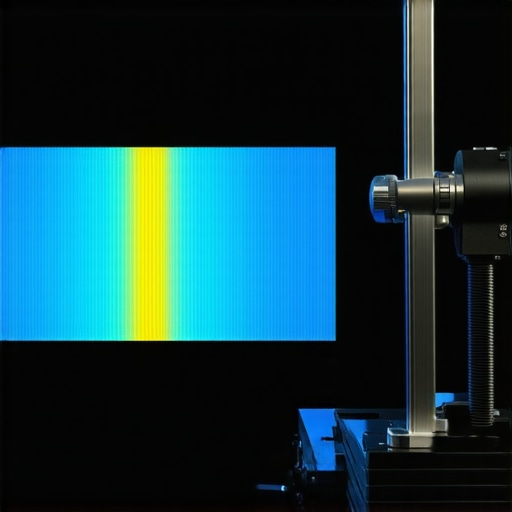
High-resolution spectrometer measuring LED spectral output for calibration in premium home theater lighting setup.
Long-Term Performance Strategies for High-Quality LED Installations
To guarantee longevity and consistent performance, professionals emphasize rigorous heat management, component selection, and regular calibration. Incorporating aluminum profiles and high-quality thermal interface materials dissipates heat effectively, preserving LED lifespan and spectral integrity. Additionally, employing high-precision colorimeters and spectral measurement tools facilitates ongoing calibration, compensating for LED degradation and environmental shifts. Establishing a maintenance schedule that includes cleaning, recalibration, and component checks ensures your lighting system remains at peak performance, preserving the immersive atmosphere over years of use.
Integrating AI for Adaptive Ambient Lighting
The future of expert LED lighting lies in AI-powered automation that intelligently adapts to changing environmental conditions and user preferences. Advanced algorithms analyze ambient light sensors, content cues, and user feedback to automatically adjust color temperature, brightness, and scene presets. This level of sophistication demands expertise in IoT integration, machine learning, and hardware compatibility, enabling your home theater to dynamically optimize illumination, reduce fatigue, and enhance contrast perception without manual intervention. Embracing these innovations transforms your lighting system into a responsive, intelligent component of your entertainment ecosystem, elevating your cinematic experience to unprecedented heights.
Revolutionize Your Home Theater with Precision Lighting Strategies
In the pursuit of cinematic perfection at home, lighting plays a pivotal role beyond mere decoration. As industry experts, we emphasize that high-end LED strip and bias lighting solutions are essential for achieving optimal contrast, reducing eye strain, and elevating overall ambiance. This article presents advanced insights and strategic recommendations to help you craft a sophisticated lighting environment tailored for audiophiles and cinephiles alike.
The Science Behind Spectral Optimization and Visual Comfort
Implementing bias lighting with spectral power distributions aligned to your display’s color profile significantly enhances contrast perception and color accuracy. According to research from the Journal of Vision, spectral matching reduces visual fatigue during prolonged viewing. Professionals utilize spectrometers and colorimeters to calibrate LED spectral output, ensuring consistency and fidelity over time.
Strategic Placement for Flawless Aesthetic and Functionality
Expert installation involves diffused, high-CRI LED strips positioned behind screens or along room perimeters to minimize glare and color distortion. High-quality, adjustable LED strips with remote control capabilities allow dynamic adaptation to ambient lighting conditions, content type, and mood. Integrating these with sophisticated control systems like DMX or Zigbee enables seamless scene transitions and synchronization with media playback.
Achieving Uniformity Across Extensive Installations
In large rooms, maintaining color harmony across multiple LED strips necessitates meticulous calibration. Use professional tools to measure spectral output regularly, employ software for real-time adjustment, and schedule periodic recalibration. Consistent quality components and proper heat dissipation through aluminum profiles extend LED longevity and performance stability.
Innovative Layering and Automation for Enhanced Experience
Layered lighting zones with distinct control presets facilitate tailored environments—warm for relaxation, cool for gaming, or dynamic for cinematic sequences. AI-powered automation systems can analyze ambient light and content cues to adjust luminance and spectral characteristics automatically, creating an immersive, responsive atmosphere that minimizes fatigue and maximizes contrast perception.
Final Expert Reflection
Mastering LED lighting for home theater demands a blend of scientific precision, strategic placement, and technological integration. The key is to align spectral quality, luminance balance, and control systems to craft an environment that enhances visual fidelity and user comfort. For those committed to excellence, continuous calibration, quality component selection, and innovative automation are non-negotiable. Dive deeper into these topics with trusted resources like the Ultimate Guide to Bias Lighting and consult with industry professionals to elevate your home theater to the highest standards of visual harmony and immersive experience. Your journey toward perfection begins with expert insights—reach out today to explore tailored solutions for your space.

Leave a Reply