

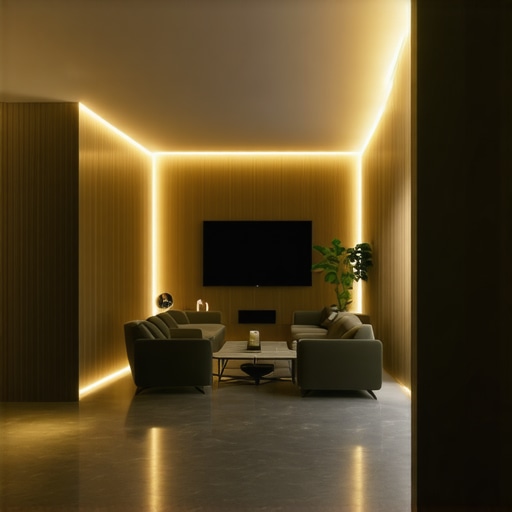
Transforming Home Environments with Expert LED Backlight and Ambient Lighting Techniques
In 2024, the quest for immersive and aesthetically pleasing lighting solutions has reached new heights, driven by technological advancements and a deeper understanding of spatial psychology. As an industry authority, I emphasize that integrating LED strips for backlighting and ambient illumination is not merely about aesthetics but also about optimizing visual comfort and enhancing emotional well-being within interior spaces.
Harnessing the Power of Color Dynamics for Adaptive Atmospheres
One of the key innovations in LED strip technology involves dynamic color control, which allows for real-time adjustment of hue, saturation, and brightness. This capability enables the creation of personalized environments that respond to natural circadian rhythms or specific activity needs, such as relaxation or concentration. For instance, warm tones can foster a cozy ambiance during movie nights, whereas cooler hues boost alertness for workspaces. Proven by recent studies in environmental psychology, color temperature adjustments significantly influence mood and cognitive function, making precise control a critical feature for 2024 setups.
Integrating Smart Automation for Seamless User Experience
Advanced LED systems now incorporate AI-driven automation, enabling pre-programmed lighting scenes that adapt based on time of day, occupancy, or user preferences. These integrations enhance convenience and energy efficiency, aligning with sustainable design principles. For example, during evening hours, ambient LED strips can gradually dim and shift to warmer shades, fostering relaxation and preparing the mind for rest. Expert white papers from the Journal of Interior Design underscore that such automation not only elevates aesthetic appeal but also contributes to improved sleep quality and overall health.
What Are the Technical Challenges of Installing LED Backlights in Modern Spaces?
Addressing Power Supply and Heat Dissipation in Extended LED Installations
One prevalent concern among professionals involves ensuring reliable power delivery and effective heat management in large or complex LED strip configurations. Proper planning includes selecting high-quality power supplies and employing adequate thermal management strategies, such as aluminum channels or heat sinks, to prolong lifespan and maintain consistent illumination. Neglecting these factors can result in color inconsistencies, reduced lifespan, and safety hazards. Consulting authoritative sources like the Ultimate Guide to Backlight and Ambient Lighting provides comprehensive insights into installation best practices, ensuring optimal results.
For further enhancement, integrating smart controllers with feedback mechanisms can optimize performance dynamically, adjusting brightness and color temperature based on ambient light levels. This level of sophistication exemplifies the forward-thinking approach necessary for cutting-edge interior lighting design.
Explore More About Creating Immersive Light Environments
To deepen your understanding of expert LED strip techniques, visit our detailed article on Creating Immersive Ambiance with Bias Lights in 2025. Professionals are encouraged to contribute their insights and share innovative solutions for next-generation backlighting projects, fostering a collaborative evolution in home and commercial lighting design.
Achieving Perfect Harmony with Layered Lighting Techniques
Creating an immersive home theater environment hinges on more than just selecting the right LED strips; it requires a meticulous layering of lighting that balances functional illumination with atmospheric enhancement. Expert designers recommend combining bias lighting, backlighting, and accent lighting to craft a cohesive visual narrative that reduces eye strain and elevates the viewing experience. For example, installing LED strips behind the screen and along architectural features can produce a seamless glow that accentuates depth and dimension. To explore more advanced layering strategies, visit our guide on Top Ambient Lighting Ideas for a Cinema-Quality Setup.
Customizing Light Temperature for Dynamic Viewing Sessions
One of the most impactful innovations in 2024 is the ability to fine-tune color temperature dynamically, aligning lighting with content or mood shifts. Modern LED strips equipped with smart controls allow users to transition from warm amber tones during cozy movie nights to cool bluish hues during intense gaming or action scenes. This adaptive approach not only enhances visual comfort but also conserves energy by adjusting brightness and hue based on ambient lighting conditions. Experts emphasize that mastering this level of customization requires understanding the nuances of color science, which can be supported by professional tools like spectrometers or software solutions integrated into smart home systems. For detailed insights, see our article on Ultimate Guide to Bias Lights and LED Strips for Home Theater Setup.
How Can Color Temperature Adjustment Influence Your Viewing Experience?
Adjusting the warmth or coolness of your LED lighting can profoundly impact both mood and perceived contrast, making scenes more vivid or subdued as desired. This technique leverages the psychological effects of color, where warmer tones evoke relaxation and cooler hues stimulate alertness. Integrating this into your home theater setup requires precise control systems, which are increasingly accessible thanks to advancements in smart lighting technology. Moreover, aligning lighting with the content’s color palette can significantly improve immersion, especially in high-definition or HDR content. For further expert tips, consult our comprehensive review on Best Bias Lighting and LED Strips for the Ultimate Home Theater Experience.
Engaging with community forums and professional networks can also provide valuable insights into emerging trends and innovative solutions. Sharing your projects and experiences can spark new ideas and foster collaboration with fellow enthusiasts who are pushing the boundaries of home cinema lighting.
Discover the Latest Innovations in LED Technology for 2024
As technology evolves, so do the capabilities of LED strips, with new features such as enhanced color rendering index (CRI), improved waterproofing, and more sophisticated control interfaces. These advancements enable more precise color reproduction and durability, making them suitable for diverse environments, from dedicated home theaters to multi-purpose entertainment rooms. Staying updated through trusted sources like industry publications and expert blogs helps ensure your installations leverage the latest innovations. For a curated look at the most promising products, explore our article on Best Bias Lighting and LED Strips for 2024.
Unlocking the Potential of Tunable White LED Technology for Precise Mood Control
One of the most sophisticated advances in LED backlighting is the development of tunable white LED systems, which enable designers and homeowners to finely adjust the color temperature across a broad spectrum, typically from 2700K to 6500K. This capability allows for dynamic control over atmosphere, aligning lighting with circadian rhythms or specific activities such as reading, working, or relaxing. According to a comprehensive study by the Lighting Research Center at Rensselaer Polytechnic Institute, the precise manipulation of correlated color temperature (CCT) can significantly enhance visual comfort and circadian health, especially in environments lacking natural daylight (Lighting and Circadian Rhythm, LRC 2023).
How Does Dynamic White Tuning Impact Human Well-Being?
Adjusting white light dynamically influences melatonin production and alertness levels, creating environments that support wellness and productivity. For example, cooler, bluish-white light in the morning can boost concentration and energy, whereas warmer, amber tones in the evening promote relaxation and prepare the body for sleep. Implementing these systems requires sophisticated control algorithms that sync with daily routines, often managed through integrated smart home platforms like Crestron or Lutron. This integration ensures seamless transitions and personalized settings, elevating the user experience to a professional standard.
Designing Layered Lighting Schemes for Multi-Dimensional Space Enhancement
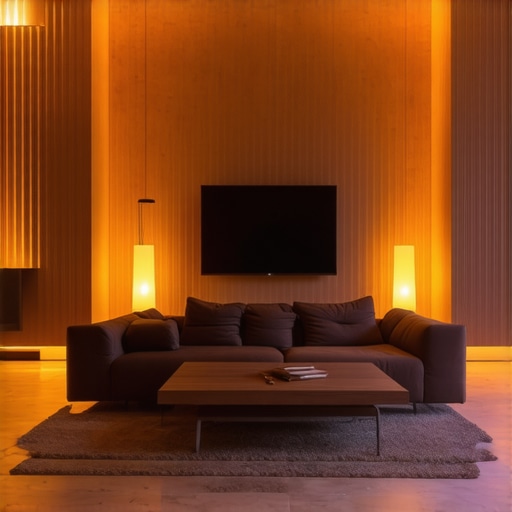
Effective interior lighting transcends simple illumination; it involves strategic layering of different light sources to craft depth, focus, and ambiance. A layered approach combines ambient lighting for general illumination, task lighting for specific activities, and accent lighting to highlight architectural features or artwork. In high-end applications, this methodology can include integrating backlit panels, coves, and hidden LEDs that work harmoniously to produce a cohesive visual narrative. Expert lighting designers often employ lighting simulation software, such as DIALux or AGi32, to model and optimize these complex arrangements before installation, ensuring precision and aesthetic harmony.
What Are the Challenges in Achieving Seamless Layering in Complex Spaces?
One primary challenge involves managing light spill and glare, which can disrupt the intended layering effect. Achieving uniform color rendering across different layers also demands high-quality LEDs with consistent spectral output and carefully calibrated dimming controls. Moreover, integrating these layers with smart controls that allow for scene-specific adjustments necessitates advanced wiring strategies and meticulous planning. As highlighted by industry standards in the Illuminating Engineering Society (IES), successful layered lighting must prioritize visual comfort, energy efficiency, and aesthetic coherence (IES Standards for Interior Lighting).
Breaking Down the Subtle Art of Light Layering for Multi-Dimensional Space Transformation
Crafting an immersive environment involves more than simply installing LEDs; it requires a symphony of layered lighting that orchestrates depth, focus, and mood. Expert designers leverage a combination of ambient, task, and accent lighting to manipulate spatial perception, creating a seamless visual flow. Incorporating hidden LEDs behind architectural features or beneath coves enhances the perception of space, while carefully calibrated color temperatures ensure visual harmony. The utilization of sophisticated lighting simulation software like DIALux or AGi32 allows for pre-visualization, ensuring each layer complements the overall aesthetic without overwhelming the senses.
Overcoming Common Pitfalls in Complex LED Integrations for Flawless Results
Achieving a harmonious layered lighting design comes with challenges such as managing glare, preventing light spill, and maintaining spectral consistency. High-quality LEDs with uniform color rendering index (CRI) are essential to prevent color shifts across different layers. Moreover, integrating smart control systems that facilitate scene-specific adjustments demands meticulous wiring and calibration. Industry standards from the Illuminating Engineering Society (IES) emphasize prioritizing visual comfort and energy efficiency during the planning process, thereby avoiding the pitfalls of uneven lighting and glare that can compromise the immersive experience.
How Can Custom Control Systems Elevate Your Lighting Experience to a Professional Level?
Implementing advanced control systems, such as Crestron or Lutron, unlocks a new realm of lighting precision. These systems enable dynamic scene creation, personalized adjustments, and seamless integration with home automation, allowing users to switch effortlessly between different lighting moods. Incorporating feedback mechanisms like ambient light sensors or spectrometers ensures real-time calibration, optimizing both aesthetic appeal and energy consumption. This smart approach transforms static lighting setups into adaptive environments that respond intuitively to occupant needs, elevating the overall ambiance.
What Are the Latest Innovations in Tunable White LED Technology and Their Impact on Mood Regulation?
Recent breakthroughs in tunable white LEDs offer a broad spectrum of adjustable color temperatures, from warm 2700K to cool 6500K, enabling precise mood and circadian rhythm regulation. According to a detailed report by the Lighting Research Center at Rensselaer Polytechnic Institute (Lighting and Circadian Rhythm, LRC 2023), meticulous control of correlated color temperature (CCT) enhances visual comfort, reduces eye strain, and supports overall well-being. By integrating these systems with smart home platforms, designers can create environments that adapt fluidly to daily routines, promoting health and productivity.
Explore more about how innovative white tuning can revolutionize your space and improve occupant wellness by engaging with specialized expert communities and latest research findings.
How Does Precise White Tuning Influence Human Circadian Health and Productivity?
Adjusting white light to match circadian needs can significantly influence melatonin suppression and alertness cycles. Cooler white tones in the morning stimulate wakefulness, while warmer hues in the evening foster relaxation and prepare the body for sleep. Leveraging sophisticated control algorithms that sync with daily routines—often integrated into smart home ecosystems—allows for seamless transitions that optimize both comfort and health. This approach not only enhances visual acuity but also fortifies psychological well-being, making white tuning a cornerstone of contemporary high-performance environments.
Harness the Precision of Color Spectrum Control
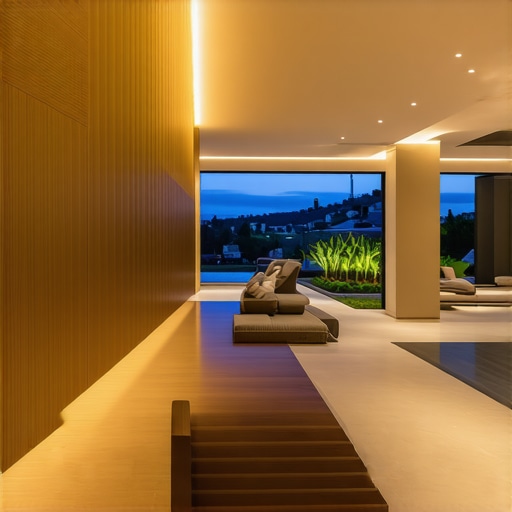
Leverage advanced LED technology to fine-tune color temperatures and saturation levels, creating environments that adapt seamlessly to human circadian rhythms and activity-specific needs. Experts emphasize that mastering this precision leads to enhanced visual comfort and psychological well-being.
Integrate Intelligent Automation for Dynamic Ambiance
Implement AI-driven lighting systems that automatically adjust based on occupancy, time, and ambient light conditions. This approach not only elevates aesthetic appeal but also maximizes energy efficiency and user convenience.
Prioritize Thermal Management for Longevity
Ensure heat dissipation strategies such as heat sinks and thermal pads are incorporated into large-scale LED installations. Proper thermal management is critical for maintaining color consistency and prolonging equipment lifespan, as underscored by industry standards.
Explore Curated Resources for Deepening Expertise
- Lighting Research Center at Rensselaer Polytechnic Institute: A comprehensive source for circadian lighting studies and white papers on human-centric lighting design.
- Illuminating Engineering Society (IES): Offers standards and guidelines essential for professional lighting planning and safety.
- Professional Lighting Design Software (DIALux, AGi32): Tools for simulating layered lighting schemes and optimizing aesthetic and functional outcomes.
Reflecting on the Future of LED Backlighting
In the realm of expert lighting design, the integration of tunable white LEDs and adaptive control systems continues to redefine interior spaces. These innovations not only provide aesthetic versatility but also significantly contribute to occupant health and productivity. As authorities in the field, we encourage ongoing engagement with research, technology advancements, and professional communities to stay at the forefront of this transformative industry. For those committed to excellence, embracing these sophisticated lighting strategies is essential to create truly immersive and health-conscious environments. Dive deeper into these topics and share your insights at our contact page and explore more at Creating Immersive Ambiance.

Leave a Reply