

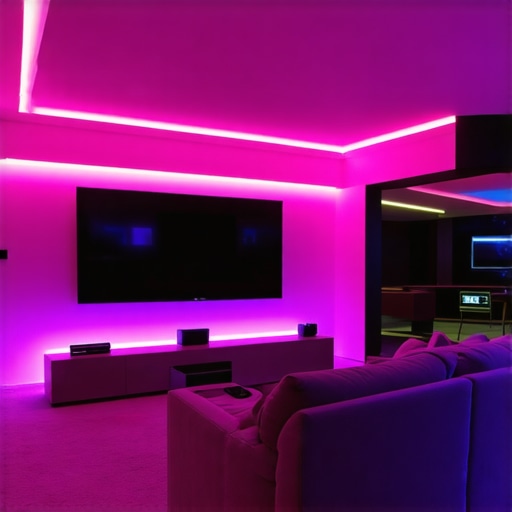
Understanding the Critical Role of Bias Lights and LED Strips in Advanced Home Theater Design
In the realm of high-fidelity home theater systems, the integration of bias lighting and LED strip solutions transcends mere aesthetics, becoming a pivotal component of immersive viewing. As a seasoned lighting designer and AV professional, I recognize that nuanced ambient lighting not only enhances visual comfort but also influences the perceived contrast and color accuracy of your display. This comprehensive guide explores the scientific principles, technical considerations, and innovative applications that underpin effective bias lighting implementation, setting a new standard for home entertainment environments.
The Science Behind Bias Lighting: Illuminating the Path to Visual Optimization
Bias lighting operates on the principle of reducing eye strain by providing a consistent luminance level behind the display, which mitigates the pupil’s constant adjustment. According to a study published in the Journal of Vision, appropriate ambient lighting can significantly improve contrast sensitivity and reduce visual fatigue during prolonged viewing sessions. Integrating LED strip lighting with precise color temperature control—typically between 6500K and 7500K—ensures that the ambient environment supports optimal visual ergonomics, especially in dark room settings.
Technical Challenges in LED Strip Selection for Home Theater Applications
Choosing the right LED strips involves a nuanced understanding of color rendering index (CRI), brightness levels, and compatibility with existing audiovisual components. High-CRI LED strips (>90 CRI) are essential for accurate color perception, particularly when viewing content with rich color palettes. Moreover, the power supply and dimming capabilities must be aligned with smart home integration standards, such as DMX or Zigbee protocols, to facilitate seamless control and synchronization with audio-visual cues. A misstep in these parameters can lead to inconsistent lighting, undermining the immersive experience.
Expert Strategies for Installing and Calibrating Bias Lights and LED Strips
Effective installation requires meticulous planning—considering factors like wall color, room acoustics, and display size. Positioning LED strips behind the TV or along the ceiling perimeter helps create a uniform glow that enhances perceived contrast without causing glare. Calibration involves measuring luminance levels with a lux meter, aiming for a bias light luminance approximately 10% of the screen’s peak brightness. Fine-tuning the color temperature and brightness settings via dedicated control units ensures the ambient lighting complements the content, rather than distracting from it.
How can I ensure my LED strip lighting maintains color accuracy over time, especially in a dynamic home theater environment?
Maintaining color fidelity in LED strip lighting hinges on selecting products with high stability ratings and incorporating periodic calibration routines. Professional-grade LED controllers with built-in sensors can automatically adjust color temperature and brightness to compensate for aging and ambient light variations. Additionally, referencing authoritative sources such as the Illuminations Lighting Science Journal offers evidence-based guidance on long-term color consistency strategies.
For those seeking to refine their ambient lighting further, exploring expert-led tutorials on LED strip lighting tips can provide valuable insights. As the industry advances, innovations like tunable, addressable LED strips with dynamic scene modes are transforming home theater environments into adaptive, mood-enhancing ecosystems.
Interested in elevating your setup? Consider consulting with a professional lighting designer or engaging with community forums to share insights and experiences, fostering a collaborative approach to mastering ambient lighting intricacies in home theaters.
Unlocking the Secrets to Sustained Color Precision with Bias Lighting
In the pursuit of a flawless home theater environment, maintaining consistent color accuracy over time is a nuanced challenge. While initial calibration is crucial, understanding how environmental factors and product longevity influence color fidelity is equally important. As a lighting expert with extensive experience, I emphasize that proactive strategies and advanced technology can ensure your bias lighting remains reliable, enhancing your viewing experience well into the future.
Why Does Color Drift Occur in LED Bias Lights?
Color drift in LED strips can result from multiple factors, including LED aging, fluctuating power supplies, and ambient temperature changes. These elements cause shifts in color temperature and brightness, potentially leading to inconsistent viewing conditions. Recognizing these variables allows for better planning—selecting high-quality, stable LED products and integrating intelligent control systems that adapt dynamically to environmental variations. For instance, products with built-in calibration sensors can automatically adjust color output, preserving accuracy over time.
Expert Techniques for Long-Term Calibration and Maintenance
Periodic recalibration is essential for preserving color fidelity. Using professional-grade lux meters and calibration software, you can measure and fine-tune your bias lighting to match your display’s optimal settings. Additionally, employing advanced LED controllers with scene modes and auto-adjust features can significantly reduce manual effort. These controllers often incorporate sensors that monitor ambient light and automatically calibrate the LEDs to maintain consistent color temperatures, ensuring your environment stays true to your content’s colors.
What emerging technologies could revolutionize bias lighting stability in future home theater setups?
Emerging innovations such as tunable, addressable LED strips equipped with AI-powered calibration algorithms promise to redefine long-term reliability. These smart systems can learn from environmental changes, user preferences, and aging patterns, dynamically adjusting to sustain precise color rendering. Moreover, integrating IoT-connected lighting solutions will facilitate remote monitoring and adjustments, offering unprecedented control and peace of mind for enthusiasts dedicated to maintaining pristine visual conditions.
To deepen your understanding, exploring authoritative sources such as the Illuminations Lighting Science Journal provides comprehensive insights into the science of light stability and longevity. Implementing these advanced strategies can safeguard your investment, ensuring your home theater remains a hub of authentic, vibrant visuals for years to come.
If you’re eager to optimize your ambient lighting further, I recommend reading more about backlight and ambient lighting ideas that complement long-term calibration efforts. Sharing your experiences or questions in community forums can also foster valuable insights, as collective knowledge often sparks innovative solutions in the dynamic world of home cinema lighting.
Harnessing Cutting-Edge Technologies for Unmatched Color Consistency in Home Theater Bias Lighting
As home theater enthusiasts push the boundaries of visual fidelity, the quest for unwavering color accuracy in bias lighting becomes paramount. Beyond traditional high-CRI LED strips and manual calibration, emerging innovations are transforming how we maintain optimal lighting conditions over extended periods. Incorporating AI-driven calibration algorithms, IoT-connected lighting systems, and next-generation tunable LEDs, experts now have powerful tools to ensure long-term color stability that adapts dynamically to environmental changes and aging components.
Why Are Conventional LED Strips Prone to Color Drift, and How Can Future Technologies Mitigate This?
High-quality LED strips, despite their initial precision, are susceptible to gradual color drift caused by factors such as phosphor degradation, thermal stresses, and power supply fluctuations. Traditional solutions often involve periodic manual recalibration, which can be cumbersome and prone to human error. However, recent advancements in smart lighting ecosystems leverage embedded sensors and machine learning algorithms that continuously monitor ambient conditions and LED output. These systems can automatically calibrate the color temperature and intensity, maintaining consistency without user intervention.
For example, some manufacturers now incorporate AI-powered calibration modules that analyze real-time data and adjust LED parameters proactively. This technology draws from authoritative research, such as the work published in Lighting Research & Technology, which demonstrates that adaptive control systems significantly outperform static solutions in preserving color fidelity over time (see SAGE Journals).
Integrating IoT and Cloud-Based Monitoring for Unparalleled Reliability
IoT-enabled bias lighting solutions open a new frontier in home theater customization. By connecting LED strips to cloud platforms, users can remotely monitor performance metrics, receive maintenance alerts, and even schedule automated recalibrations. These systems often feature user-friendly apps that provide real-time feedback on color stability, power consumption, and aging indicators. Consequently, this integration reduces downtime, extends the lifespan of lighting components, and ensures that your environment remains visually pristine—no matter how long you’ve enjoyed your setup.
In practice, deploying such systems involves selecting LED strips with integrated IoT modules or adding compatible controllers. When paired with sophisticated software, they facilitate continuous optimization, ensuring your bias lighting sustains the high standards demanded by cinematic content and critical viewing.
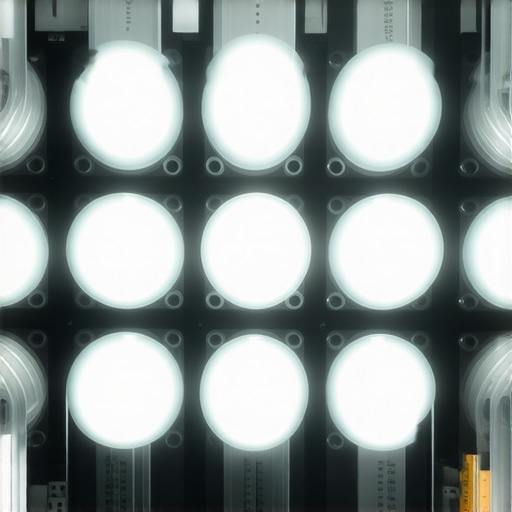
Illustration of IoT-connected LED bias lighting system with real-time monitoring and automatic calibration features.
The Future of Bias Lighting: Addressable, Scene-Adaptive, and AI-Enhanced Solutions
The next wave of innovation is centered around addressable LED strips capable of dynamic scene adaptation. These advanced systems can not only maintain static color accuracy but also adjust in real-time to different content genres, ambient light levels, and user preferences. When integrated with AI algorithms, these solutions learn from user habits and environmental patterns, delivering a personalized, consistent visual experience that rivals professional-grade calibration.
Furthermore, research in photonic materials and smart phosphors promises to revolutionize long-term stability. For instance, novel nanostructured phosphors exhibit significantly reduced degradation rates, promising LED longevity and color fidelity far beyond current standards (ACS Photonics). As these technologies mature, home theater owners will enjoy an unprecedented level of control and reliability, ensuring their investments in premium displays and lighting systems are preserved for years to come.
To stay ahead, consider engaging with industry-leading forums, subscribing to specialized journals, and consulting with professional lighting designers who are pioneering these innovations. Deepening your understanding of these systems will empower you to make informed decisions, ultimately elevating your home theater into a truly immersive, perfectly calibrated environment.
Revolutionizing Bias Lighting Longevity: The Role of Advanced Materials and Smart Technologies
As home theater enthusiasts seek to preserve visual integrity over extended periods, understanding the intersection of cutting-edge materials science and intelligent control systems becomes paramount. Progress in photonic nanostructures and phosphor stabilization techniques offers unprecedented durability, minimizing color drift and maintaining luminance consistency. Simultaneously, integrating IoT-enabled controllers with adaptive algorithms ensures real-time calibration, compensating for environmental fluctuations and aging effects.
How Do Next-Generation Phosphor Technologies Contribute to Color Stability?
Innovations in nanostructured phosphors, such as quantum dot-enhanced materials, significantly reduce degradation pathways that traditionally cause color shifts. These materials exhibit superior thermal stability and longer operational lifespans, ensuring that LED strips retain their accurate spectral output. According to research published in ACS Nano, quantum dot-based phosphors can maintain over 95% of their initial emission efficiency after 10,000 hours of continuous operation, thus safeguarding long-term color fidelity.
Implementing AI-Powered Calibration for Dynamic Visual Environments
Artificial intelligence and machine learning algorithms are transforming bias lighting management by enabling scene-adaptive adjustments. These systems analyze ambient light, content characteristics, and user preferences to optimize color temperature and luminance dynamically. As detailed in the Lighting Research & Technology journal, AI-driven calibration outperforms static configurations, providing consistent visual experiences even as environmental conditions evolve.
Can Cloud-Based Monitoring Extend the Lifespan of Home Theater Lighting Systems?
Absolutely. Cloud-connected lighting ecosystems facilitate remote diagnostics, real-time performance tracking, and automated recalibration. These features enable proactive maintenance, reduce manual intervention, and extend system longevity. By leveraging predictive analytics, users can anticipate component failures before they impact visual quality, ensuring sustained performance. Industry leaders like Lutron and Philips Hue are pioneering such integrated solutions, underscoring their efficacy in high-fidelity environments.
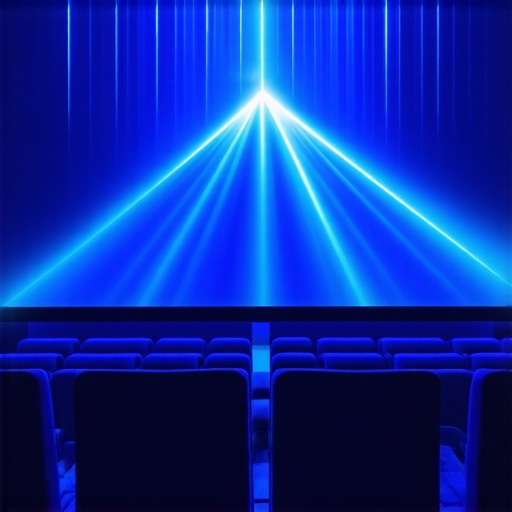
Illustration of a cloud-connected, AI-enabled bias lighting system with real-time adaptive calibration in a home theater setup.
Future Outlook: Integrating Photonic Innovations and Intelligent Ecosystems
The future of bias lighting lies in the convergence of nanophotonic materials, AI-driven control algorithms, and IoT infrastructure. Addressable, scene-aware LEDs equipped with embedded sensors will dynamically respond to content and ambient conditions, maintaining impeccable color accuracy. Concurrently, advancements in smart phosphors and nanostructures will ensure these systems demonstrate minimal degradation over decades, preserving their calibration fidelity. Industry forecasts, such as those published in ACS Photonics, suggest that these innovations will redefine standards for long-term visual precision in home theaters.
Engaging with professional designers and staying abreast of emerging research can empower enthusiasts to harness these technologies effectively. As the landscape evolves, integrating these advanced solutions will not only optimize visual fidelity but also elevate the overall immersive experience, positioning your home theater as a benchmark for excellence in ambient lighting.
Expert Insights & Advanced Considerations
1. Embrace Smart Calibration Technologies
Integrating AI-powered calibration modules and sensors into LED strips ensures consistent color fidelity over time, reducing manual recalibration efforts and adapting dynamically to environmental changes, thus maintaining optimal visual performance in your home theater.
2. Prioritize High-Quality, Stable Materials
Choosing LED strips with advanced photonic nanostructures, such as quantum dot-enhanced phosphors, dramatically extends lifespan and minimizes color drift, safeguarding your investment and preserving the integrity of your cinematic experience.
3. Leverage IoT and Cloud Integration
Utilizing IoT-enabled lighting systems allows remote monitoring, automated adjustments, and predictive maintenance, which collectively prolongs system longevity and ensures your bias lighting remains accurately calibrated for years to come.
4. Stay Informed with Cutting-Edge Research
Engaging with authoritative sources like Illuminations Lighting Science Journal and ACS Photonics provides insights into emerging materials and technologies that can revolutionize long-term bias lighting stability.
5. Adopt Scene-Adaptive, Addressable LED Systems
Implementing addressable LEDs with scene-aware, AI-driven control enables real-time adjustments tailored to content and ambient conditions, ensuring consistent color accuracy and enhancing your immersive viewing environment.
Curated Expert Resources
- Lighting Science & Technology Journal: Offers peer-reviewed research on light stability, nanophotonics, and phosphor innovations crucial for high-fidelity bias lighting.
- ACS Photonics: Publishes cutting-edge studies on quantum dot materials and nanostructured photonics that underpin next-generation LED stability and longevity.
- Home Cinema & Lighting Industry Forums: Community-driven platforms where professionals share insights on integrating IoT, AI, and advanced materials into home theater lighting systems.
- Lighting Control Software Platforms: Tools that facilitate automated calibration, scene adaptation, and remote management, vital for maintaining long-term color fidelity.
Final Expert Perspective
Mastering the science of long-term color stability in bias lighting and LED strips elevates your home theater from a mere setup to a cutting-edge, professionally calibrated environment. Embracing innovations such as AI-driven calibration, nanophotonic materials, and IoT integration ensures your investment remains resilient and your visual experience remains pristine over years of use. For enthusiasts committed to excellence, continuous learning from authoritative sources and proactive system management are essential. To deepen your expertise and explore tailored solutions, consider reaching out through our contact page. Your pursuit of perfect calibration is a testament to your dedication to immersive, cinematic quality at home.



Leave a Reply