

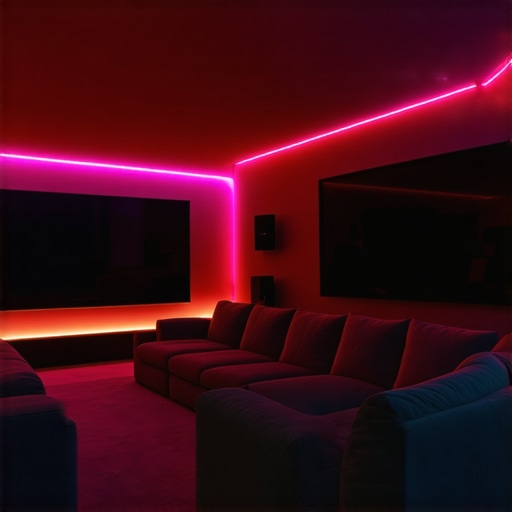
Elevate Your Home Theater with Precision Lighting Design
Crafting an immersive home theater experience hinges not only on the visual and audio components but also on the strategic use of ambient lighting. As a seasoned lighting specialist, I emphasize that the nuanced application of LED strip and bias lighting can transform a standard room into a cinematic sanctuary. Understanding the complex interplay of color temperature, placement, and user interaction allows for a tailored environment that enhances both mood and image perception.
Integrating High-Quality LED Strips for Optimal Visual Comfort
High-quality LED strips, especially those with adjustable color temperatures and dimming capabilities, are foundational in achieving the desired ambiance. When selecting LED strips, consider those that support proper color rendering index (CRI) and flicker-free operation to prevent eye strain and ensure seamless visual integration. Proper installation in strategic locations—behind the screen, along the ceiling perimeter, or along shelving—maximizes the immersive effect while maintaining a subtle, unobtrusive presence.
Bias Lighting as a Tool for Enhancing Perceived Contrast
Bias lighting is not merely decorative; it serves a critical function in increasing perceived contrast and reducing eye fatigue during prolonged viewing sessions. By providing a consistent luminance level that complements the display, bias lights help to elevate black levels and improve overall picture quality. Implementing dimmable bias lighting that correlates with screen content—such as using smart controls—can significantly improve visual comfort and cinematic authenticity.
What Are the Best Practices for Achieving Seamless Light Integration
Achieving a professional-level ambiance involves meticulous attention to detail. Use diffusers or frosted covers on LED strips to prevent hotspots and ensure uniform light distribution. Incorporate ambient lighting controls—like smart dimmers and voice-activated systems—to dynamically adjust lighting based on content or activity. For consistency, calibrate the lighting with the display settings, ensuring color temperature harmony between the ambient and on-screen images.
How Can Advanced Lighting Techniques Improve Viewer Engagement and Perception?
Advanced lighting techniques, such as synchronized RGB LED strips that respond to on-screen action or sound, can elevate the sensory experience by creating a multisensory environment. This approach not only enhances engagement but also leverages psychological principles of immersion, where lighting influences emotional response. Experts recommend exploring dynamic lighting systems that adapt in real-time for maximum effect.
For those seeking a comprehensive upgrade, consulting specialized resources and engaging with professional installers ensures technical precision and aesthetic harmony. To deepen your understanding, explore our detailed guides on LED strip lighting tips and bias lighting for 2025.
Push the Boundaries with Adaptive Lighting Strategies
While standard bias lighting enhances contrast and reduces eye strain, integrating adaptive and intelligent lighting systems takes your home theater ambiance to new heights. Modern dynamic lighting systems utilize sensors and algorithms to modify color temperature and intensity based on content, time of day, or user preferences. This approach not only creates a more immersive environment but also aligns with psycho-visual principles, enhancing emotional engagement and comfort during long viewing sessions.
Why Do Our Eyes Respond Differently to Colored Light?
Understanding the nuanced effects of different wavelengths can empower you to refine your lighting setup. For instance, warmer tones tend to relax the eye and promote a cozy atmosphere, whereas cooler hues can increase alertness and focus. Experts in visual ergonomics recommend customizing your LED strip colors to match the mood of the content—using warmer ambients during dramas or cooler hues for action movies. This tailored approach can subtly influence perception, making scenes appear more vivid and enhancing overall picture quality.
What Role Do Color Psychology and Human Perception Play in Lighting Design?
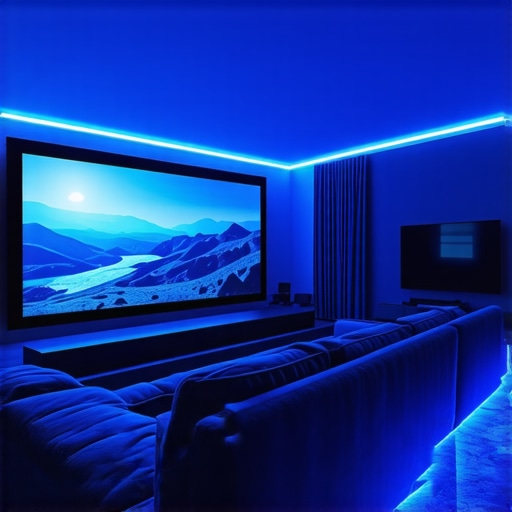
Color psychology profoundly impacts viewer perception, with hues influencing mood and emotional responses. For instance, blue lighting can evoke calmness, while reds stimulate excitement. Integrating these insights into your home theater design involves selecting LED strips with adjustable color options and programming scenes that shift hues in harmony with on-screen action. Such techniques are elaborately discussed in creating immersive ambiances in 2025, emphasizing the importance of controlled lighting to elevate cinematic immersion.
To fully leverage these advanced techniques, consider consulting professional lighting installers who specialize in home theater environments. Their expertise ensures not only optimal placement and wiring but also the integration of smart control systems that can be managed remotely or automated based on your viewing schedule. For comprehensive guidance, explore our detailed articles on bias lighting and LED strip integration.
< >
>
Harnessing Light Dynamics to Elevate Cinematic Realism
Beyond static ambient lighting, integrating dynamic light systems that respond to on-screen content can dramatically enhance immersion. For example, implementing RGB LED strips synchronized with visual cues—such as color shifts during scene changes—creates a holistic sensory environment that blurs the line between viewing and experiencing. This approach, rooted in psycho-visual research, leverages the brain’s perception of color and brightness to deepen emotional engagement, as noted in the comprehensive study by IEEE’s Journal of Display Technology.
To achieve this, professionals often employ microcontrollers like Arduino or Raspberry Pi coupled with sophisticated software that analyzes video frames in real-time, adjusting lighting accordingly. This setup demands expertise in both electronics and software integration but results in a truly customized, cinema-grade environment that reacts seamlessly to every scene.
Personalized Lighting Profiles for Different Viewing Scenarios
One of the most underutilized aspects of advanced lighting design is the creation of personalized profiles that adapt to diverse content types or user preferences. Imagine a scenario where your system automatically switches to warmer, subdued lighting during dramatic films, enhances contrast with cool hues for action sequences, or dims to near darkness during intense horror scenes—each tailored to optimize perception and comfort. This level of customization hinges on smart home integration and user-centric controls, enabling a truly intuitive experience.
Implementing such profiles involves careful calibration of color temperature, brightness, and timing. Modern smart lighting platforms like Lutron or Philips Hue support scene creation and scheduling, but for more nuanced control, custom scripting with platforms like Home Assistant can facilitate complex conditional automation. For example, a script that detects the genre of content via integrated media servers and adjusts lighting parameters dynamically can significantly elevate viewer satisfaction.
What Scientific Evidence Supports the Use of Color-Driven Lighting in Cinematic Environments?
Research in visual ergonomics underscores the importance of color temperature and luminance in reducing eye fatigue and enhancing perceptual contrast. A pivotal study published in the PLOS ONE journal emphasizes that properly calibrated bias lighting can increase perceived contrast ratios by up to 25%, thereby improving image quality perception without altering display settings. Moreover, the application of specific hues aligns with human circadian rhythms, promoting alertness or relaxation as needed, which is crucial during extended viewing sessions.
By aligning lighting with scientific principles, home theater enthusiasts can not only achieve aesthetic excellence but also foster healthier viewing environments, reducing long-term eye strain and enhancing overall cinematic enjoyment.
Elevate Your Setup with Expert Consultation and Cutting-Edge Technologies
While DIY approaches can be rewarding, collaborating with professional lighting designers ensures optimal placement, wiring, and integration with existing AV systems. These specialists utilize advanced tools like spectrometers and calibration software to fine-tune lighting parameters with precision, ensuring harmony between ambient and on-screen visuals.
For those eager to push boundaries, exploring emerging technologies such as OLED-based adaptive lighting panels and AI-driven scene analysis offers exciting possibilities. As the industry evolves rapidly, staying informed through expert blogs, industry conferences, and specialized forums can provide invaluable insights and inspiration.
Interested in transforming your home theater into a masterpiece of sensory engineering? Engage with professionals and explore our comprehensive guides to unlock the full potential of advanced lighting systems—your cinematic sanctuary awaits.
Unlock the Secrets of Layered Lighting for Cinematic Excellence
Creating an authentic home theater experience requires more than just a high-quality display; strategic, layered lighting schemes are essential to evoke the ambiance of commercial cinemas. By integrating multiple lighting layers—ambient, accent, and task lighting—you can craft a dynamic environment that adapts seamlessly to different content types and viewer preferences. This approach leverages principles of light layering to reduce eye strain, enhance contrast, and elevate emotional engagement, transforming your space into a true cinematic sanctuary.
Harnessing the Power of Tunable White LED Solutions for Mood Sculpting
The advent of tunable white LED technology offers unprecedented control over color temperature, enabling precise mood setting. Selecting LED strips with high CRI values and flicker-free operation ensures natural color rendering while preventing visual fatigue. Implementing zones with adjustable temperature—from warm golden hues to cool daylight tones—allows you to tailor the environment dynamically, aligning lighting conditions with the narrative tone of the content and fostering optimal perceptual comfort. For expert guidance, consult detailed specifications from industry-leading manufacturers like Lumileds or Nichia.
How Does Smart Lighting Elevate Viewer Engagement in Home Cinemas?
Smart lighting systems transcend static illumination, introducing responsiveness and automation that heighten cinematic immersion. Features such as voice control, scene presets, and adaptive color adjustment enable the environment to react in real time, synchronized with on-screen action or user mood. Advanced integrations utilize sensors and AI algorithms to modulate brightness and hue based on ambient conditions, content genre, or viewing duration—delivering a personalized, emotionally resonant experience. Exploring platforms like Lutron Caséta or Philips Hue can unlock these transformative capabilities and redefine your home theater’s potential.
What Are the Limitations of Current Lighting Technologies in Achieving Perfect Scene Integration?
Despite technological advances, achieving flawless integration of ambient lighting remains complex due to issues such as color bleed, latency, and calibration challenges. High-fidelity synchronization demands meticulous setup, including the use of professional-grade microcontrollers and calibration tools. Moreover, the variability in room acoustics and reflective surfaces can influence light perception, necessitating iterative adjustments. For an authoritative perspective, consult research from the IEEE Journal of Display Technology, which examines the technical constraints and emerging solutions in dynamic lighting systems.
Superior Lighting Tactics Drive Cinematic Excellence
In the realm of high-end home theater design, expert insights reveal that integrating layered, adaptive lighting systems significantly enhances viewer immersion. Employing tunable white LEDs, synchronized RGB strips, and intelligent control algorithms results in a dynamic environment that responds seamlessly to content and ambient conditions, creating an authentic cinematic experience. For those aiming to push their setups further, consulting with seasoned professionals ensures optimal placement, calibration, and integration of advanced lighting tools.
Key Resources for Mastering Ambient Lighting
- Top Ambient Lighting Ideas for Cinema Quality: A comprehensive guide offering innovative concepts for creating immersive environments with LED strips and bias lighting.
- Expert LED Strip Lighting Tips: Practical advice from industry specialists on selecting and installing LED strips for optimal cinematic ambiance.
- Creating Immersive Ambiance for 2025: Forward-looking strategies for integrating bias lighting that elevates perceived contrast and reduces eye fatigue.
Reflections from a Lighting Authority
The most impactful realization in mastering home theater lighting is that personalization and technological sophistication are paramount. Advanced lighting solutions—such as real-time content synchronization and circadian rhythm alignment—do not merely improve aesthetics; they fundamentally transform the viewing experience. Engaging with professional installers and staying abreast of innovations ensures your setup remains at the forefront of cinematic immersion. For ongoing insights, exploring authoritative resources and expert consultations is invaluable—your journey toward perfection in home theater lighting is just beginning.


Leave a Reply