

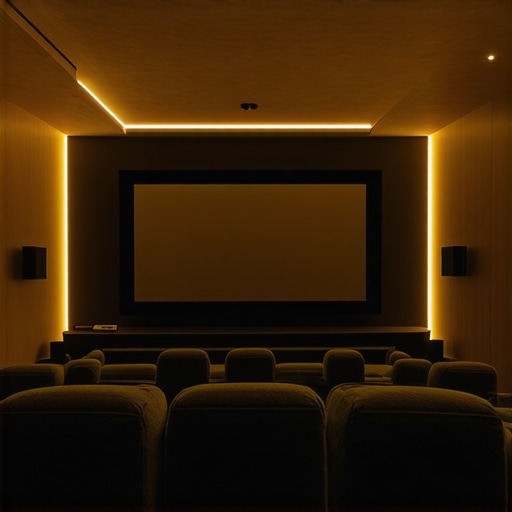
Elevating Your Movie Room Experience with Advanced Bias Lighting Strategies
In the realm of home theater design, bias lighting and LED strip installation are transformative elements that can significantly enhance visual comfort and cinematic immersion. As an industry professional, I recognize that meticulous implementation of ambient lighting not only reduces eye strain but also amplifies the perceived contrast and color accuracy of your display. This guide delves into sophisticated techniques for optimizing bias lighting setups, ensuring your movie room achieves a professional-grade ambiance that rivals commercial cinemas.
Integrating Ambient Light with Screen Calibration for Optimal Viewing
Achieving the perfect balance between ambient light and display calibration is a nuanced process. Highly controlled lighting conditions, such as those achieved with carefully positioned LED strips, help maintain consistent image quality across different viewing sessions. Experts recommend employing color temperature adjustments that harmonize with your display’s color profile, typically favoring neutral white tones around 6500K, to avoid color distortions. For precise control, consider integrating smart LED systems that allow dynamic adjustments based on ambient conditions or content type.
Expert Techniques for Seamless LED Strip Installation in Cinematic Settings
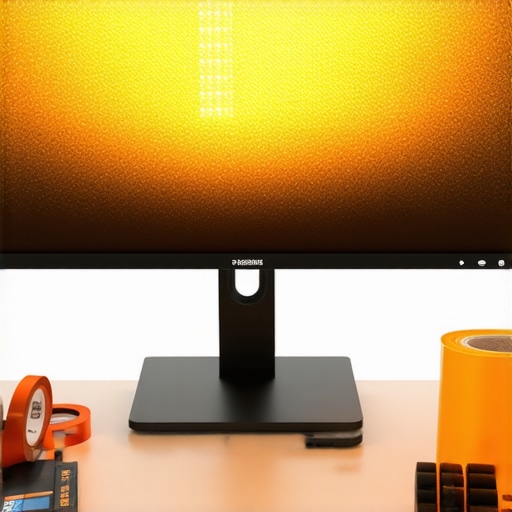
Professional installation involves strategic placement of LED strips to minimize glare and uneven illumination. Installing bias lighting along the back edge of your display or behind architectural features can create a subtle glow that enhances depth perception. Use high-quality, dimmable LED strips with diffusers to distribute light evenly. It’s crucial to ensure wiring is concealed for aesthetic integrity and safety, especially when integrating into custom cabinetry or wall recesses. For comprehensive guidance, explore our ultimate guide to LED strips and bias lighting.
What Are the Most Complex Challenges in Bias Lighting Calibration
How can I achieve perfect color matching between LED bias lighting and my display’s content without introducing color cast?
Balancing color accuracy involves selecting LED strips with high CRI (Color Rendering Index) ratings—ideally above 90—and calibrating their color temperature to match your display’s native profile. Using a spectrometer or color calibration tools can help fine-tune this balance, reducing the risk of color cast that can distort image fidelity. Additionally, controlling ambient light levels in the room prevents reflections and ensures consistent viewing conditions, vital for high-precision home theater setups.
For further insights, consult the ultimate guide to bias lighting for home theaters.
Enhancing your expertise in bias lighting installation can dramatically transform your home cinema experience. To stay at the forefront of innovations, explore related content or share your professional insights with the community by visiting our contact page.
Refining Color Harmony for Peak Visual Comfort
Achieving a harmonious balance between bias lighting and your display’s calibration is an art that combines technical precision with aesthetic sensibility. High-CRI LED strips, rated above 90, are essential to replicate natural lighting conditions and prevent color distortions that can compromise your viewing experience. For ultimate accuracy, consider employing professional calibration tools such as colorimeters or spectrometers, which can fine-tune your LED’s color temperature and brightness to perfectly match your screen’s profile. Room reflectance also plays a crucial role; matte wall paints and diffused light sources reduce unwanted glare and reflections, creating a more immersive environment.
Strategic Placement for Consistent Illumination
Expert installation involves thoughtful positioning—placing LED strips behind the display’s edges, along architectural coves, or integrated within custom cabinetry ensures a subtle, yet effective glow that enhances depth perception without causing eye fatigue. Diffusers are indispensable for spreading light evenly and avoiding hotspots. When wiring, concealment is key; running cables along ceiling moldings or within wall recesses maintains an uncluttered look. For detailed guidance, explore our best bias lighting ideas for 2025 which delve into professional installation techniques.
Overcoming Calibration Challenges with Sophisticated Tools
Can automation and smart controls truly simplify bias lighting calibration without sacrificing precision?
Indeed, integrating smart LED systems with automatic calibration capabilities offers a significant advantage. These systems can dynamically adjust brightness and color temperature based on ambient light sensors or content being displayed, ensuring a consistently optimal viewing environment. Advanced apps allow for pre-set profiles tailored to different content types—movies, gaming, or general use—streamlining adjustments with minimal manual intervention. This approach not only enhances visual fidelity but also reduces setup time and human error, making professional-grade calibration accessible to enthusiasts and experts alike. For an in-depth understanding, review our ultimate guide to LED strips and bias lighting.
Would you like to share your own calibration tips or inquire about specific installation challenges? Visit our contact page for expert advice and community support.
Harnessing Advanced Calibration Techniques for Flawless Bias Lighting
In high-end home theater setups, precision in bias lighting calibration is not just a luxury but a necessity for achieving true cinematic quality. Moving beyond basic adjustments, professionals leverage sophisticated tools like spectrometers and colorimeters to attain granular control over light color, intensity, and uniformity. These devices measure spectral output and color rendering properties, facilitating calibration that aligns LED bias lighting perfectly with the display’s native color profile. This meticulous process effectively eliminates color cast discrepancies, ensuring the ambient lighting enhances the viewing experience without introducing distortions.
Innovative Technologies That Elevate Bias Lighting Control
The integration of smart lighting ecosystems has revolutionized calibration practices. Systems such as Philips Hue or LIFX, coupled with dedicated calibration software, enable dynamic adjustments based on real-time ambient conditions. These platforms often include automatic calibration routines that utilize embedded sensors to monitor room lighting and automatically fine-tune LED output, maintaining consistent visual fidelity across different viewing sessions. Moreover, machine learning algorithms can analyze viewing patterns and adapt lighting profiles accordingly, creating an environment that evolves with user preferences and ambient changes.
Addressing Complex Challenges with Adaptive Solutions
What strategies can mitigate the impact of room reflectance variability during bias lighting calibration?
Room reflectance significantly influences perceived light quality and calibration accuracy. To counteract this, experts recommend employing matte, neutral-colored wall finishes that minimize glare and uncontrolled reflections. Additionally, diffusers placed over LED strips can scatter light evenly, reducing hotspots and uneven illumination. For environments with variable reflectance, adaptive calibration systems utilizing real-time feedback loops provide a solution. These systems continuously monitor ambient light and adjust LED output dynamically, ensuring consistent calibration despite changes in room conditions. Implementing such adaptive techniques requires a combination of high-quality hardware and advanced software but results in a stable, professional-grade viewing environment.
For more detailed insights into tackling room reflectance issues, consult the authoritative resource from the Society of Motion Picture and Television Engineers (SMPTE), which offers guidelines for optimal viewing environment design (SMPTE standards on viewing environment setup).
Future Horizons in Bias Lighting Precision and Automation
The future of bias lighting calibration lies in the seamless integration of artificial intelligence and automation. Emerging systems are capable of anticipating ambient changes and pre-emptively adjusting lighting parameters, maintaining an optimal viewing environment without manual intervention. Additionally, advancements in LED technology, such as quantum dot-enhanced strips, promise broader color gamuts and higher CRI ratings, further refining the fidelity of ambient lighting. As these innovations become accessible, home theater enthusiasts and professionals alike will benefit from environments that adapt intelligently, providing unparalleled visual clarity and comfort.
If you’re eager to explore cutting-edge calibration tools or share your experience with automated systems, visit our contact page. Engaging with expert communities can accelerate your mastery of bias lighting calibration and help you unlock the full potential of your home theater setup.
Harnessing the Power of Spectral Calibration for True Color Fidelity
One of the most sophisticated aspects of bias lighting is ensuring spectral accuracy, which involves matching the LED light’s spectral output precisely with the display’s color profile. Using spectrometers, professionals can measure the spectral power distribution (SPD) of LED strips, adjusting the output to align with the display’s native gamma and color gamut. This meticulous calibration minimizes chromatic aberrations and enhances overall image realism, especially vital for critical viewing environments or color grading applications.
Unlocking the Potential of Adaptive Lighting with AI Integration
Artificial intelligence-driven systems are transforming bias lighting from static setups into dynamic, responsive environments. By integrating machine learning algorithms with ambient light sensors and content recognition software, these systems can predict viewer preferences and automatically adjust brightness and color temperature. Such adaptive solutions not only optimize visual comfort but also preserve cinematic intent by maintaining consistent color environments across varying room conditions, thus elevating the quality of home theater experiences to professional standards.
What Are the Critical Factors in Achieving Seamless Light-Display Harmony?
How can high-precision calibration tools eliminate subtle color casts that compromise immersion?
Achieving seamless harmony requires employing high-CRI LED strips (above 95) and utilizing professional-grade calibration tools like colorimeters and spectroradiometers. These devices provide granular control over the LED’s spectral output, enabling adjustments that prevent subtle color casts—such as unwanted green or magenta tints—that can distort skin tones and scene authenticity. Coupled with room reflectance management—using matte wall finishes and diffusers—these techniques create an environment where ambient light enhances rather than detracts from the viewing experience. For authoritative insights, consult the Society of Motion Picture and Television Engineers (SMPTE) guidelines on environment setup (SMPTE standards).
Engage with our community to refine these advanced calibration techniques and elevate your home cinema to a professional echelon.
Innovative Strategies for Overcoming Calibration Obstacles
One of the persistent challenges in bias lighting calibration is compensating for room reflectance variability, which can skew perceived color and brightness levels. Implementing adaptive calibration systems equipped with real-time feedback loops can counteract this issue. These systems continuously monitor ambient conditions and adjust LED output dynamically, maintaining optimal calibration regardless of changes in wall reflectivity or lighting conditions. Investing in such technologies requires high-quality hardware and sophisticated software but yields a remarkably stable and immersive viewing environment.
Exploring Future Technologies Set to Revolutionize Bias Lighting Precision
The trajectory of bias lighting innovation points toward quantum dot-enhanced LED strips that offer broader color gamuts and higher CRI ratings, approaching natural light quality. Coupled with advanced AI algorithms, these systems anticipate ambient changes and optimize lighting profiles proactively. The integration of IoT-enabled ecosystems also facilitates remote control and automation, streamlining complex calibration processes for both enthusiasts and professionals. As these technologies mature, expect a new standard of ambient lighting that seamlessly integrates with high-end home theater systems, offering unparalleled fidelity and user experience.
If you’re eager to delve into cutting-edge calibration tools or share insights from your own projects, visit our contact page. Collaborate with industry experts to push the boundaries of home cinema excellence.
Elevate Your Home Theater with Precision Bias Lighting Techniques
Integrating advanced bias lighting strategies transforms your cinematic environment into a professional-grade experience. As an industry authority, I emphasize that meticulous calibration of LED strips and ambient light placement enhances visual comfort, reduces eye strain, and amplifies contrast perception. By adopting expert-level practices, you ensure your home theater rivals commercial installations in quality and ambiance.
Refined Approaches to Ambient Light Synchronization and Calibration
Achieving seamless harmony between bias lighting and display calibration involves leveraging spectral measurement tools and dynamic control systems. High-CRI LED strips calibrated with spectrometers can prevent color casts, ensuring true-to-life hues. Smart lighting ecosystems that adapt in real-time to room conditions maintain consistency, elevating your setup from amateur to professional standards.
Installation Tips from the Pros for Flawless LED Integration
Strategic placement behind displays and within architectural features optimizes glow without glare. Diffusers and concealed wiring preserve aesthetics and safety. Professional installation emphasizes even light distribution to avoid hotspots, ensuring a cohesive ambiance. For detailed guidance, explore our ultimate guide to LED strips and bias lighting.
Overcoming Calibration Challenges with Advanced Tools
How can high-precision calibration prevent subtle color inaccuracies?
Utilizing spectrometers and colorimeters allows for granular adjustments in spectral output and temperature. These tools eliminate subtle color tints—such as unwanted green or magenta—ensuring your ambient lighting enhances the display rather than distorts it. Controlling ambient reflectance through matte finishes and diffusers further refines the environment.
Further insights can be found in the ultimate guide to bias lighting for home theaters.
Harnessing Intelligent Controls for Consistent Viewing Conditions
Smart LED systems with automatic calibration capabilities adapt dynamically to ambient changes, maintaining perfect harmony. Pre-set profiles tailored for different content types streamline adjustments, saving time while ensuring precision. These systems leverage sensors and AI to deliver a flawless viewing experience, aligning with professional standards.
Future Innovations Shaping Bias Lighting Excellence
Emerging quantum dot-enhanced LED strips and AI-driven adaptive lighting promise broader color gamuts and higher fidelity. Integration with IoT ecosystems enables remote management and predictive adjustments. These advancements will elevate home theater environments to new levels of realism and comfort, making expert calibration more accessible.
Curated Resources for the Dedicated Home Theater Enthusiast
- Society of Motion Picture and Television Engineers (SMPTE): Offers authoritative standards for optimal viewing environments, focusing on room reflectance and lighting calibration (SMPTE standards).
- Colorimetry and Spectrometry Guides: Essential references for professionals seeking to master spectral calibration and color fidelity.
- Smart Lighting Ecosystem Documentation: Manufacturers like Philips Hue or LIFX provide advanced control algorithms and automation capabilities for precise bias lighting management.
Final Reflection from the Expert Perspective
Mastering bias lighting for home theater excellence requires a blend of technical precision, aesthetic sensibility, and innovative control systems. By leveraging expert insights, cutting-edge calibration tools, and curated resources, you elevate your setup into a true cinematic sanctuary. This journey from basic installation to sophisticated calibration embodies the ethos of professional-grade entertainment environments. For those committed to excellence, engaging with community forums, sharing insights, and continuously exploring emerging technologies will ensure your home theater remains at the forefront of innovation. Ready to push your knowledge further? Visit our contact page to connect with industry leaders or contribute your expertise to the evolving landscape of home cinema lighting.



Leave a Reply