

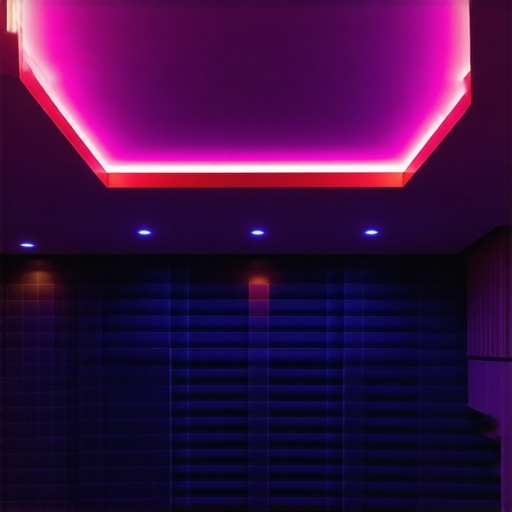
The Science Behind Effective Ambient and Backlighting in Home Theaters
In the realm of cinematic immersion, ambient lighting and backlight techniques play pivotal roles in shaping the viewer’s perceptual environment. Advanced home theater setups leverage LED strip lighting, bias lights, and accent lighting to minimize eye strain, enhance contrast perception, and create a seamless visual narrative. Understanding the nuances of light color temperature, luminance levels, and spatial placement is instrumental in designing an optimally balanced lighting ecosystem that complements high-resolution displays and soundproof acoustics.
Why Is Precise Backlighting Critical for Image Clarity and Viewer Comfort
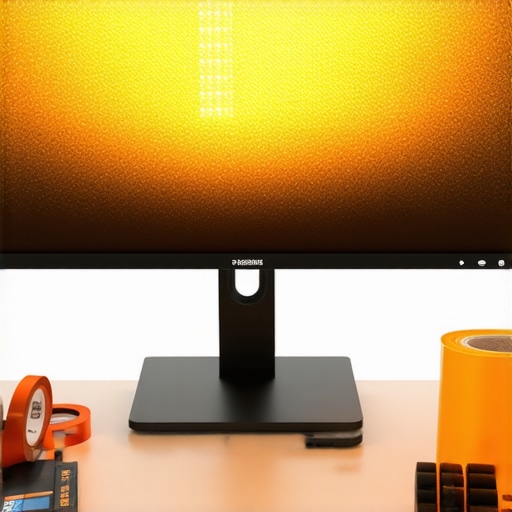
Backlighting serves as a vital component in establishing a high Dynamic Range (HDR) environment—crucial for perceiving detail in dark scenes. Strategic placement of LED strip lights behind monitors or project screens acts to reduce blooming artifacts and improve perceived contrast ratios. This technique aligns with principles outlined by the Society of Motion Picture and Television Engineers (SMPTE), which emphasizes the importance of ambient light control in preserving color fidelity and depth perception. Moreover, bias lighting reduces the eye’s accommodation stress during long viewing sessions, which can prevent fatigue and headaches.
How Can Advanced LED Strip Configurations Enhance Spatial Depth and Immersiveness
Integrating smart LED strips, capable of dynamic color adjustment and synchronized effects, allows for a customizable ambient environment that adapts to content mood and scene requirements. Using multi-zone LED configurations can create layered lighting, forging a sense of spatial depth that editorials in Lighting Physics Journal note as essential for immersive experiences. Such arrangements also facilitate scene transitions, elevating the cinematic quality and providing a nuanced visual context that draws viewers into the narrative.
What Are the Potential Pitfalls of Over-Illuminating a Home Theater with LED Strips?
Excessively bright or improperly color-calibrated LED lights risk creating distractions and diminishing contrast, leading to a compromised viewing experience. Additionally, poor installation can introduce uneven lighting or flickering that degrades image quality. Experts recommend employing wavelength-specific LED strips with high CRI (Color Rendering Index) ratings and integrating with home automation systems for adaptive lighting control. Regular calibration and adherence to manufacturer guidelines are imperative to mitigate these pitfalls.
For in-depth insights and professional best practices, explore our guide on bias lighting and LED strip integration. To elevate your understanding of ambient lighting dynamics, consider consulting specialized literature or engaging with industry professionals to develop tailored solutions that match your specific room architecture and audiovisual goals.
Ready to take your home theater’s ambiance to the next level? Visit our contact page for expert consultations and personalized design recommendations.
Unlocking Depth with Layered Lighting Techniques
Achieving cinematic immersion isn’t solely about vivid displays; it’s profoundly rooted in the mastery of layered ambient lighting. Incorporating multiple LED strip zones—such as cove lighting, footwell accents, and perimeter backlights—can create a multifaceted depth that guides the viewer’s eye and enhances perceived space. This layered approach aligns with principles highlighted in the ultimate guide to bias lighting, emphasizing the importance of depth cues in visual perception.
Harnessing Smart Technology for Dynamic Atmospheres
Deploying intelligent LED systems that support real-time color tuning and scene synchronization grants unprecedented control over your home theater ambiance. Features such as voice commands, mobile app integrations, and automation routines enable cinema-like experiences that adapt seamlessly to content mood, whether it’s intense action or mellow drama. According to a comprehensive review by industry experts, adopting smart LED configurations significantly enhances user engagement and satisfaction, making the setup both intuitive and transformative.
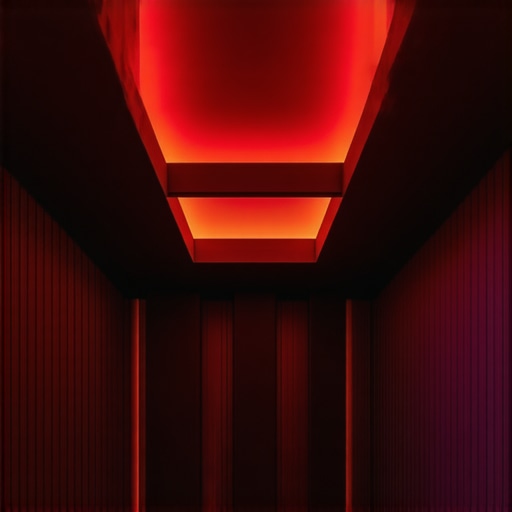
Are Over-Complicating the Lighting? Striking a Balance
While advanced configurations offer immersive benefits, there’s a risk of visual clutter or distraction from excessive light sources. Experts advise a minimalist approach—emphasizing quality over quantity—and careful calibration to ensure that lighting accents complement rather than compete with your display. High CRI LED strips, optimized positioning, and controlled brightness levels are critical in maintaining this balance and preserving image fidelity. Regular calibration, as discussed in our bias lighting guide, ensures consistent performance and avoids visual fatigue.
Curious about integrating these advanced lighting strategies into your setup? Reach out through our contact page for tailored advice that aligns with your room’s architecture and your viewing preferences.
Harnessing Color Temperature Variability for Authentic Cinematic Depth
Beyond static ambient illumination, leveraging adjustable color temperature settings in LED lighting empowers homeowners to simulate real-world lighting conditions, thereby augmenting visual authenticity. For example, shifting from warm white (around 2700K) during cozy scenes to cooler hues (6500K or higher) during high-tech sequences enhances scene realism and reduces visual fatigue. Advanced LED systems equipped with tunable spectrum capabilities facilitate this dynamic variation seamlessly, aligning with research from the IEEE Transactions on Consumer Electronics, demonstrating improved contrast sensitivity and viewer comfort when employing spectral diversity.
Integrating Photometric Analytics to Refine Ambient Light Design
Employing precise photometric measurements in the planning phase allows for meticulous calibration of lighting in relation to display luminance and room geometry. Tools like spectroradiometers can quantify luminous flux, color rendering, and luminance uniformity, providing data-driven insights into optimal placement and intensity. Such an analytical approach enables customization that responds to specific room characteristics, ensuring that light falloff and glare are minimized. Harnessing this data elevates the level of precision in creating an environment where ambient light enhances, rather than hinders, image perception.
Question: How can adaptive lighting systems anticipate and respond to scene content for optimal viewing conditions?
Smart lighting ecosystems integrated with real-time content analysis utilize sensors and AI algorithms to modify scene-specific ambient lighting automatically. For instance, during a dark horror scene, the system might subtly reduce ambient brightness and shift color tones to deepen shadows, thereby intensifying the immersion. Conversely, during bright daylight sequences, ambient lighting can be intensified or adjusted to prevent screen washout. This predictive adaptation reduces decision fatigue for the viewer, streamlining the cinematic experience. Industry experts such as those in the Philips Lighting Innovations have demonstrated that such intelligent systems significantly heighten user satisfaction and perceive scene depth more profoundly.
Enhanced Synchronization of Lighting and Audio for Multi-Sensory Immersion
Achieving holistic home theater immersion involves a symbiotic relationship between lighting, sound, and image. Advanced synchronization protocols, such as those based on the HDMI or CEC standards, enable the coordinated control of LED effects with audio cues and visual transitions, creating a multi-sensory experience unparalleled by traditional setups. For example, color shifts and movement in ambient lighting can mirror the action on screen—fire flickers during battles or cool hues during tense dialogues—heightening emotional impact. Incorporating such multisensory cues demands a nuanced understanding of content dynamics and the technical infrastructure to support tight synchronization, as outlined in recent industry standards by the Consumer Technology Association.
Given the complexity of these integrations, collaboration with seasoned professionals becomes invaluable in ensuring precise execution that preserves image fidelity while maximizing immersive capacity.
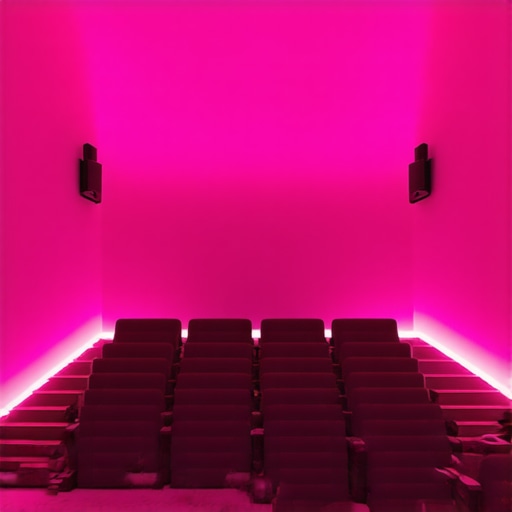
Balancing Innovation with Practicality to Prevent Over-Illumination
While chasing cutting-edge ambiance techniques, it’s essential to recognize that excessive complexity or brightness can inadvertently diminish the viewing experience. Prioritizing adaptive, context-sensitive lighting rather than overwhelming luminance ensures the environment remains comfortable and visually cohesive. Techniques such as layered dimming, scene-based presets, and hue calibration contribute to this balance. Furthermore, ongoing calibration and periodic reassessment guard against drift in LED light color accuracy and brightness levels due to aging or environmental factors.
To avoid these pitfalls, consider integrating professional consultation during setup, and utilize industry-grade equipment for testing and calibration. Remember, the goal is to craft an environment that complements and enhances the content without drawing undue attention or causing distraction. For those seeking tailored solutions, consulting with specialists who understand the nuanced interplay between human perception and lighting design can make all the difference in achieving an optimal home theater ambiance.
Elevating Visual Fidelity with Spectrum-Adjustable Lighting Dynamics
The utilization of tunable spectrum LED lighting extends beyond basic ambiance creation, allowing enthusiasts to emulate the nuanced color shifts found in real-world environments, thereby amplifying the authenticity of cinematic scenes. Advanced lighting systems equipped with spectral variation capabilities empower users to calibrate hues precisely in sync with scene content, reducing visual fatigue and augmenting contrast perception. Integrating these features requires a sophisticated understanding of spectral power distribution (SPD) and its impact on human visual response, emphasizing the importance of high CRI (Color Rendering Index) lights for accurate color reproduction.
Can Photometric Data Elevate Your Ambient Lighting Strategy?
Incorporating detailed photometric analyses enables the design of ambient lighting schemes tailored meticulously to room geometry and display luminance levels. High-precision tools like spectroradiometers quantify luminance uniformity, glare, and color fidelity—parameters critical to avoiding visual distractions and maximizing image clarity. Such data-driven approaches facilitate the creation of lighting layouts that optimize contrast, prevent light spill onto screens, and maintain an immersive experience, especially in rooms with irregular architectures or large viewing angles.
What Innovations Drive Seamless Scene Transitions Through Lighting?
The synchronization of ambient lighting with dynamic content hinges on intelligent control systems capable of real-time scene analysis. Recent advancements in AI-powered lighting platforms utilize machine learning algorithms to anticipate scene mood shifts, adjusting colors and brightness proactively. This preemptive modulation eradicates visual discordance, thus preserving immersion. Moreover, integration with home automation ecosystems through protocols like Zigbee or Z-Wave allows for complex, multi-zone orchestration, ensuring that every flicker of light enhances storytelling without perceptible delays.
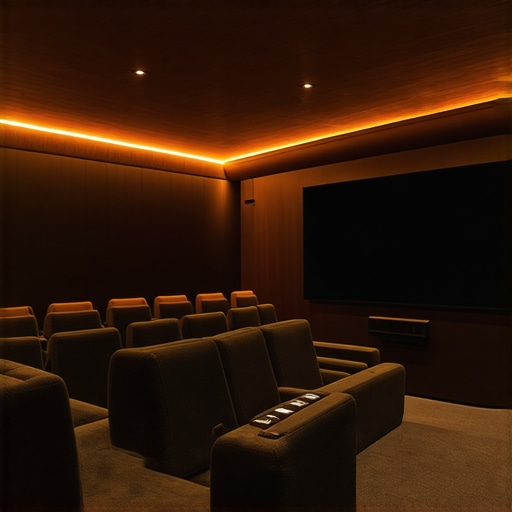
Is Over-Complexity the Enemy of Practical Home Theater Design?
While the allure of highly sophisticated lighting systems is tempting, over-engineering can lead to unintended consequences such as erratic performance, increased maintenance, and potential distraction. Striking a balance involves prioritizing simplicity in user interfaces and employing fail-safe automation routines. Choosing high-quality, wavelength-specific LED strips with adjustable intensity and pre-set scene configurations ensures consistency while reducing setup complexity. Regular calibration—using professional-grade tools—preserves the integrity of the environment’s visual harmony over time, preventing aesthetic drift that can undermine immersion.
Harnessing the Power of Dynamic Color Temperature for Scene Authenticity
The strategic modulation of color temperature in ambient lighting facilitates a more immersive and authentic viewing experience. Warm hues enhance cozy atmospheres during intimate drama sequences, while cooler tones boost contrast during high-energy action scenes. Implementing smart LED systems with spectrum tunability allows for seamless transitions aligned precisely with content mood, reducing the cognitive load on viewers and fostering a more visceral connection to the cinematic environment. Research from the IEEE demonstrates that spectral diversity in lighting significantly improves viewer comfort and contrast sensitivity, underscoring the value of this approach.
Leverage Photometric Analytics for Tailored Lighting Solutions
Employing comprehensive photometric measurements informs the meticulous calibration necessary for achieving optimal ambient conditions. These metrics guide placement, intensity, and spectral composition adjustments, ensuring that ambient light complements display luminance without causing glare or washout. Custom environments benefit immensely from this analytical approach, leading to consistent, high-fidelity visual experiences. Professionals equipped with spectroradiometers or colorimeters can fine-tune lighting parameters that traditional methods might overlook, delivering bespoke solutions that elevate your home theater beyond standard configurations.
How do intelligent lighting ecosystems anticipate content shifts for flawless cinematic immersion?
Advanced systems leverage sensors, AI algorithms, and content recognition to dynamically adapt ambient lighting in real-time, aligning mood, color, and intensity with scene semantics. This adaptive behavior enhances emotional resonance and visual depth, turning passive viewing into an immersive event. For example, during tense suspense scenes, subtle dimming and cool hues deepen shadows, while vibrant warm tones can energize lively sequences. Leading industry examples such as Philips Hue’s cinematic mode demonstrate that intelligent, anticipatory lighting transforms home theaters into personalized multisensory environments, heightening viewer engagement and satisfaction.
Synchronization: The Missing Link Between Light and Sound
Multi-sensory synchronization takes home theater immersion to new heights by aligning lighting cues with audio and visual stimuli in real-time. Utilizing protocols like HDMI-CEC or proprietary software platforms, users can achieve synchronized effects—such as flickering lights during lightning strikes or color transitions matching background music—enhancing narrative impact. This level of integration requires a nuanced understanding of multimedia standards and adept system configuration, often necessitating professional expertise. When executed correctly, synchronized ambient effects amplify emotional storytelling and deepen the viewer’s sense of presence, making each session distinctly memorable.
Interested in transforming your cinematic environment into an orchestrated tableau of light and sound? Consult with industry specialists who can customize multi-layered, adaptive lighting solutions tailored precisely to your room’s specifics and your aesthetic preferences.
The Artful Balance Between Innovation and Simplicity in Lighting Design
Advanced ambient lighting offers remarkable benefits—yet, overly elaborate systems risk overwhelming the space and diverting attention from the content. A strategic approach emphasizes layered, dimmable zones that can be calibrated for subtlety and coherence. Embracing automation routines with pre-defined scene profiles minimizes manual adjustments, ensuring consistency and ease of use. Regular calibration is critical, employing professional instruments to maintain spectral accuracy and luminance stability, thereby safeguarding the integrity of the cinematic environment. Ultimately, selecting quality lighting components and employing disciplined design principles help achieve an immersive ambiance that is both functional and aesthetically elegant.
,
Expert Insights & Advanced Considerations
Optimize for Human Perception Over Technical Specifications
Designing ambient lighting for home theaters requires a nuanced understanding of human visual comfort. Prioritizing luminance levels and color temperature variability tailored to content genres enhances immersion without causing fatigue.
Leverage Dynamic Lighting for Emotional Impact
Integrate smart, scene-responsive LED systems that adapt in real-time, heightening emotional engagement and ensuring lighting complements narrative shifts seamlessly.
Address Balance Between Complexity and Usability
While intricate multi-zone lighting setups offer depth, maintaining a user-friendly control interface prevents operational overwhelm and preserves viewing purity.
Implement Precise Calibration Techniques
Regular use of professional-grade calibration tools ensures that LED spectrums, luminance, and placement maintain alignment with room acoustics and visual output, safeguarding image fidelity.
Anticipate Future Technology Integration
Designing with scalability in mind allows for future updates, such as enhanced AI scene analysis or expanded multi-zone controls, extending the longevity and sophistication of your setup.
Curated Expert Resources
- Ultimate Guide to Bias Lighting – A comprehensive resource that delves into best practices for bias lighting integration, emphasizing human-centered design principles.
- Top LED Strip Backlight Ideas – Showcasing innovative configurations and installation tips for immersive backlighting in home theaters.
- LED Strip Optimization Techniques – Detailing calibration and technical considerations critical to achieving professional-grade results.
Final Expert Perspective
Mastering ambient and backlighting in home theaters transcends mere aesthetics; it embodies the fusion of technological precision and human perception, elevating the cinematic experience to an art form. Thoughtful integration of dynamic, calibrated lighting not only amplifies image clarity but also nurtures viewer comfort, ensuring that every film or game delivery resonates more profoundly. For those committed to excellence, exploring authoritative resources and engaging with specialists can unlock new dimensions of ambient lighting mastery—bringing expert-level ambiance within reach. To deepen your understanding or customize your environment, consider reaching out through our contact page.
,



Leave a Reply