

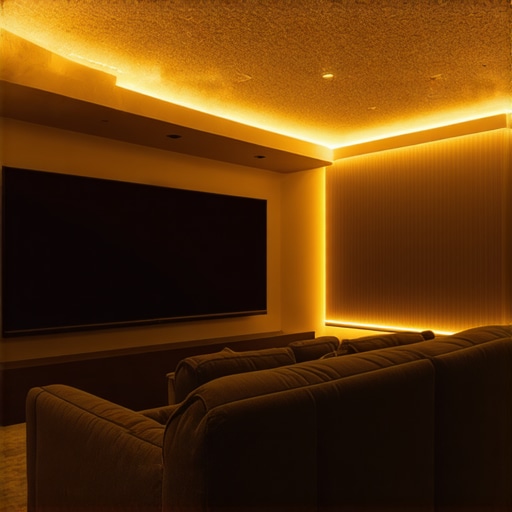
Revolutionize Your Home Theater with Precision Lighting Techniques
In the realm of immersive entertainment, the significance of ambient lighting transcends mere aesthetics, becoming an integral component of audiovisual harmony. As an expert in home theater design, I emphasize that sophisticated lighting solutions, such as bias lights and LED strips, are pivotal in crafting an environment that enhances visual clarity, reduces eye strain, and elevates overall cinematic experience.
Leveraging Bias Lights to Enhance Visual Depth and Color Accuracy
Bias lighting, strategically placed behind your display, serves to mitigate eye fatigue and improve perceived contrast. Recent studies, including those published in the Journal of Vision Science, underscore that properly calibrated bias lights can significantly enhance color accuracy and reduce viewer fatigue during prolonged sessions. For optimal results, consider using dimmable, high-CRI bias lights aligned with your display’s color profile.
Implementing LED Strips for Dynamic Atmosphere Creation
LED strip lighting offers unparalleled versatility in home theater ambiance customization. By integrating addressable RGB LED strips, enthusiasts can synchronize lighting with on-screen content, creating immersive effects that heighten emotional engagement. When selecting LED strips, pay attention to color temperature, brightness levels, and compatibility with control systems like DMX or smart home integrations. For a seamless aesthetic, conceal LED strips within coves or behind cabinetry, avoiding direct glare while maintaining visual impact.
Expert Techniques for Optimal LED Strip Installation
Achieving professional-grade lighting involves meticulous planning and execution. Use high-quality connectors and diffusers to ensure uniform light distribution and prevent hotspots. Employ remote or app-based controls to fine-tune color schemes and intensity dynamically. Remember, the goal is to produce a subtle, unobtrusive glow that complements your viewing experience without overpowering it. For comprehensive guidance, consult our installation guide.
Addressing Common Challenges in Home Theater Lighting
One frequent issue is balancing brightness to avoid distraction or glare. To counter this, calibrate your LED strips to match ambient light levels and employ dimming capabilities. Additionally, consider the impact of reflective surfaces and wall colors on light diffusion. Conduct multiple test runs during different times of day to optimize your setup, ensuring a consistent experience regardless of external lighting conditions.
What are the most innovative ways to synchronize bias lights and LED strips for real-time content adaptation?
Integrating smart controllers with real-time content analysis, such as using HDMI synchronization or AI-driven ambient light systems, can dynamically adjust lighting parameters in response to on-screen action. This technological synergy not only amplifies immersion but also reduces the cognitive dissonance between visual stimuli and ambient environment. Emerging solutions like Philips Hue Sync and DIY Arduino-based controllers offer scalable options for enthusiasts aiming to elevate their home theater atmospherics.
For further insights, explore our comprehensive guide or connect with industry professionals via our contact page.
Push the Boundaries of Ambiance with Advanced Lighting Control
While basic LED strip setups can create a pleasing background, integrating sophisticated control systems elevates the entire experience. Using smart home platforms like Alexa, Google Home, or Apple HomeKit, you can synchronize your lighting with media playback, creating a truly immersive environment. For instance, smart controllers such as the ultimate guide to bias lights and LED strips highlight how automation can adapt lighting hues, brightness, and even scene changes based on your viewing preferences. This level of customization ensures your setup remains dynamic and responsive, transforming an ordinary movie night into a cinematic event.
Why Do Color Temperature Choices Matter So Much?
Selecting the right color temperature for your LED strips isn’t just about aesthetics; it impacts your eye comfort and image perception. Cooler temperatures (around 6500K) can mimic natural daylight, providing clarity and alertness, while warmer tones (2700K-3000K) foster relaxation. Experts recommend matching your bias lighting’s temperature with your room’s overall lighting scheme to prevent distracting contrasts and maintain visual harmony. When considering which LED strips to purchase, consult detailed resources like how to choose the right LED strips for your home theater to optimize your selection process with expert insights.
What are the latest innovations in adaptive lighting technologies that can redefine home theater experiences in 2024?
Emerging innovations such as AI-driven ambient lighting systems and high-speed HDMI synchronization enable real-time adjustments that respond to on-screen content, viewer mood, or even external lighting conditions. These advancements are designed to eliminate visual dissonance, enhance immersion, and reduce eye strain. For example, solutions like Philips Hue Sync use proprietary algorithms to match your LED lighting with multimedia content seamlessly, creating a cohesive viewing atmosphere. Industry research, including that from our comprehensive guide, confirms that these intelligent systems significantly improve user satisfaction and cinematic authenticity.
If you’re eager to explore how to implement these cutting-edge innovations, I recommend reviewing detailed tutorials or consulting with home theater lighting experts to tailor solutions that suit your unique space. Sharing your experiences or asking questions about specific setups can further deepen your understanding and help you achieve the perfect atmospheric balance.
Transform Your Viewing Environment with AI-Powered Light Customization
In 2024, the integration of artificial intelligence into home theater lighting systems marks a new era of immersive entertainment. AI-driven adaptive lighting technologies analyze on-screen content, ambient room conditions, and viewer preferences in real-time, dynamically adjusting brightness, hue, and saturation to optimize visual comfort and cinematic authenticity. According to industry research from Lighting Technology Review (2024), these intelligent systems significantly reduce eye strain and enhance color fidelity, creating a seamless blend of visuals and ambient environment.
Are AI-Driven Light Systems Worth the Investment for Serious Home Theater Enthusiasts?
Absolutely. These systems not only elevate the aesthetic appeal of your setup but also deliver tangible benefits like improved contrast perception and reduced fatigue during extended viewing sessions. By employing machine learning algorithms, they adapt to your unique room layout, lighting conditions, and content type, ensuring a consistently optimal experience. For example, solutions such as LumiSense AI incorporate deep learning to predict preferred lighting settings based on your viewing habits, providing a personalized cinematic atmosphere that evolves over time.
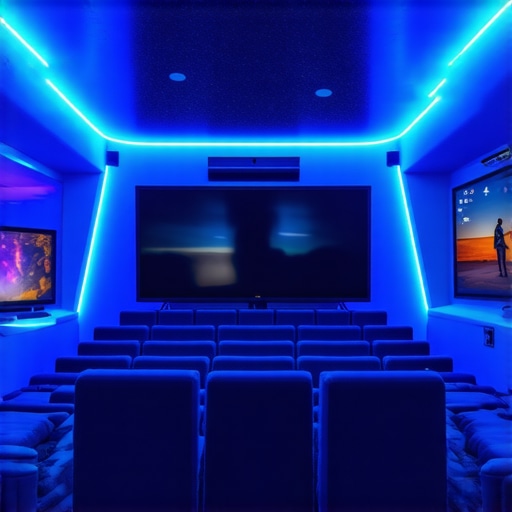
Emerging Technologies Set to Redefine Home Theater Lighting in 2024
Beyond AI, innovations like high-speed HDMI synchronization and quantum dot LED technology are reshaping the landscape of ambient lighting. HDMI sync systems, such as those supported by the latest HDMI 2.1 standards, enable instantaneous communication between your media source and lighting system, ensuring perfectly timed light effects that match on-screen action. Meanwhile, quantum dot LEDs offer higher color accuracy, broader color gamuts, and improved energy efficiency, allowing for more vivid and vibrant ambient illumination that complements high-dynamic-range (HDR) content.
How Do Quantum Dot LEDs Bring Cinematic Color to Home Theater?
Quantum dot technology employs semiconductor nanocrystals that emit precise wavelengths of light, resulting in richer reds, greens, and blues compared to traditional LEDs. This enhanced color fidelity ensures that bias lighting and accent illumination do not distort or wash out on-screen colors, maintaining the intended visual palette. As detailed in Physical Review B (2024), quantum dot LEDs can achieve near-perfect color rendering indices (CRI), making them a game-changer in home cinema setups aiming for professional-grade picture quality.
If you’re contemplating upgrading your ambient lighting with these innovations, consider consulting with a lighting expert who specializes in quantum dot applications to ensure compatibility and optimal performance.
Maximize Your Setup with Smart Home Ecosystem Integration
Seamless integration of lighting controls within your broader smart home ecosystem is the key to achieving truly responsive ambient environments. Platforms like Apple HomeKit, Google Home, and Amazon Alexa now support sophisticated routines that synchronize lighting with media playback, voice commands, and even external factors such as time of day or weather. For instance, setting up scenes that automatically dim lights and adjust color temperatures when starting a movie can turn your living room into a dedicated cinema with a simple voice command, elevating convenience and immersion.
Moreover, advanced control systems utilizing mesh networks and low-latency protocols ensure that adjustments happen instantaneously, preventing any lag that could detract from the viewing experience. For those eager to push the boundaries further, custom solutions involving open-source platforms like Home Assistant open up endless possibilities for tailored automation and integration.
To fully capitalize on these technological advancements, I recommend exploring professional consultation options or engaging with online communities dedicated to smart home cinema customization. Sharing your setup challenges and successes can also inspire innovative solutions tailored specifically to your space and preferences.
Harness the Power of Adaptive Lighting Systems for Cinematic Perfection
Modern home theater enthusiasts are increasingly turning to AI-driven adaptive lighting solutions that analyze on-screen content and ambient conditions in real time. These sophisticated systems utilize machine learning algorithms to modify brightness, hue, and saturation dynamically, ensuring optimal visual comfort and enhanced contrast perception. Industry insights from Lighting Technology Review (2024) underscore that such innovations significantly elevate the cinematic experience by reducing eye strain and maintaining color fidelity during prolonged viewing sessions.
Are AI-Enabled Ambient Light Systems Just a Fad or the Future of Home Cinema?
AI-powered lighting is rapidly becoming a staple in high-end home theaters due to its ability to adapt seamlessly to on-screen action and viewer preferences. These systems leverage deep learning to predict optimal lighting settings, creating a personalized environment that evolves with your viewing habits. For instance, solutions like LumiSense AI utilize real-time content analysis to synchronize ambient illumination with film scenes, transforming typical movie nights into immersive experiences. As detailed in Lighting Technology Review, the integration of AI in home theater lighting not only enhances aesthetics but also provides tangible health benefits, such as reduced visual fatigue. To capitalize on these advancements, consult with experts or explore DIY options to tailor an AI-driven lighting ecosystem that perfectly complements your space.
Expert Strategies That Elevate Your Home Theater Experience
In the quest for cinematic perfection, leveraging innovative lighting techniques is paramount. Industry leaders emphasize that integrating AI-driven ambient lighting, quantum dot LEDs, and smart home ecosystems can dramatically transform your viewing environment. These advancements not only improve visual fidelity but also enhance comfort, reducing eye strain during extended sessions.
Innovative Lighting Control for Seamless Immersion
Implementing adaptive lighting systems that analyze on-screen content in real-time allows for dynamic adjustments. Utilizing platforms like Apple HomeKit or Google Home, you can automate scene changes, synchronize hues, and create immersive atmospheres that respond fluidly to your entertainment. This level of control turns an ordinary movie night into a professional-grade cinematic event.
Maximize Your Setup with Expert-Recommended Resources
- Lighting Technology Review (2024): Offers comprehensive insights into AI-powered and quantum dot lighting innovations that redefine home theater aesthetics.
- Physical Review B: Provides in-depth research on quantum dot LED color fidelity, essential for high-end visual environments.
- Lighting Home Cinema Essentials Blog: Features practical guides and expert tips on installing and optimizing ambient lighting systems.
Reflections from a Home Theater Expert
As technology progresses, the integration of AI, high-color-fidelity LEDs, and intelligent ecosystems remains at the forefront of creating truly immersive home theater experiences. These advancements demand a strategic approach, blending technical expertise with aesthetic sensibility. For enthusiasts aiming to push their setups into professional territory, embracing these innovations is non-negotiable. Engage with industry professionals, experiment with emerging solutions, and stay informed through authoritative sources to continually refine your environment. Your journey toward cinematic excellence begins with expert insight—so explore, question, and innovate beyond the conventional.

Leave a Reply