

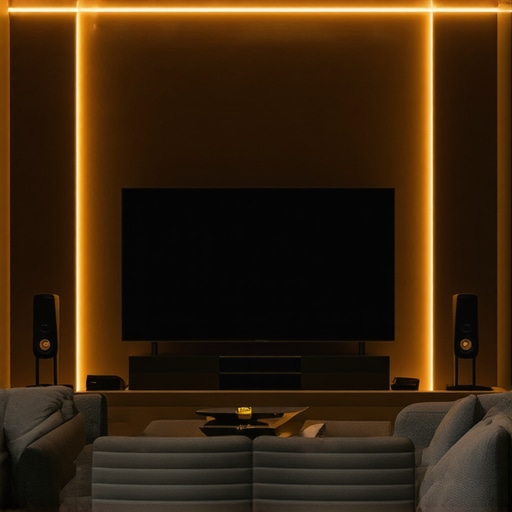
Transforming Home Theater Experiences through Expert Lighting Techniques
In the pursuit of cinematic perfection within a residential setting, the strategic deployment of backlight and ambient lighting emerges as a cornerstone of immersive design. As technological advances continue to redefine visual clarity and emotional engagement, understanding how to harness ambient illumination effectively becomes imperative for enthusiasts and professionals alike. This article explores sophisticated lighting strategies that elevate your home theater in 2024, backed by industry insights and scientific principles.
The Science Behind Light and Mood in Home Theater Design
Ambient lighting influences not only visual comfort but also psychological perception. Research published in the Journal of Environmental Psychology underscores how subtle lighting variations can modulate viewer focus and reduce eye strain during prolonged viewing sessions. Integrating these insights requires a nuanced approach—balancing luminance levels, color temperature, and placement to create a visually harmonious environment. For instance, bias lighting behind screens reduces contrast fatigue and enhances perceived contrast, according to a white paper by Lighting Research Center.
Expert Techniques for Optimal Backlighting and Bias Light Layering
Implementing the right combination of LED strip lighting and layered ambient luminance can dramatically improve your home theater’s ambiance. Consider the placement of LED strips along architectural features such as crown molding, beneath seating, or behind media cabinets to create depth and subtle glow. Layering multiple lighting zones allows for dynamic control—bright for active viewing and subdued for relaxation or pre-show ambiance. These techniques are detailed in our top ambient lighting ideas.
Addressing Common Challenges with Innovative Solutions
A frequent concern among home theater aficionados pertains to glare and reflection, which can detract from the immersive experience. Advanced diffuser panels and indirect lighting strategies mitigate these issues while maintaining aesthetic appeal. Moreover, the use of smart lighting systems, controllable via voice or app, facilitates seamless transitions between different viewing modes—an essential feature outlined in our installation guide.
What are the most effective ways to synchronize ambient lighting with picture content for a truly immersive experience?
Achieving synchronization between ambient lighting and on-screen content involves integrating ambient light controllers with media systems, often via HDMI or Wi-Fi. Advanced solutions like Philips Hue Sync or Nanoleaf Panels can dynamically adjust colors and brightness to match movie scenes or game environments. This synchronization minimizes eye strain and heightens emotional impact, as discussed in industry white papers on audiovisual optimization.
If you’re eager to refine your setup further, explore our ultimate guide to bias lights or contact our experts for tailored advice. Your journey toward a cinematic sanctuary begins with expert-level lighting mastery—share your insights or ask questions to contribute to this evolving craft.
Harnessing Dynamic Lighting for Movie Magic
While static bias lighting sets a baseline for visual comfort, integrating dynamic lighting solutions can revolutionize your home theater experience. Smart LED systems like LED strip lighting tips enable real-time color and brightness adjustments synchronized with on-screen action, creating an immersive environment that reacts to every scene. These innovations extend beyond mere aesthetics, reducing glare, enhancing contrast, and delivering a cinematic atmosphere tailored to each film or game.
Why Precision Placement Transforms Ambient Illumination
Strategic placement of LED strips and backlights is fundamental for achieving a seamless ambiance. Experts recommend positioning lighting behind architectural features, along ceiling coves, or beneath furniture to produce indirect glow that enhances depth without causing reflections or eye strain. For more precise guidance, our how-to choose the right LED strips article offers detailed insights into selecting appropriate color temperature, brightness, and diffuse materials to optimize your setup.
Can Color Temperature and Brightness Be Perfectly Matched to Content?
Matching ambient lighting with the content on your screen involves a nuanced understanding of color science and human perception. Color temperature adjustments can influence perceived contrast and mood, making scenes feel warmer or cooler based on the narrative. Brightness levels should be calibrated to prevent visual fatigue during extended viewing. Advanced control systems, often integrated with media players or smart home platforms, allow for automated adjustments—ensuring that your ambient environment complements your content rather than distracts from it. Industry white papers, such as those from the Lighting Research Center, emphasize the importance of these calibrations for optimal viewer comfort and immersion.
If you’re interested in elevating your setup further, consider exploring our best LED strip bias lighting ideas for 2024 or consult with experts via our contact page. Share your lighting projects or ask for personalized recommendations—your perfect cinematic ambiance awaits.
Elevate Your Home Theater with Precision Light Layering
In the realm of cinematic immersion, layered ambient lighting serves as the silent hero that transforms a standard room into a captivating sanctuary. Beyond basic backlighting, strategic use of multiple lighting zones—such as cove lighting, footlights, and accent LEDs—creates an environment that adapts seamlessly to different viewing modes and content types. By carefully calibrating these layers, you can manipulate perceived depth, reduce eye fatigue, and enhance contrast perception, ultimately delivering an experience that rivals commercial theaters. Industry experts recommend using programmable smart systems that allow fine-tuned control over each zone, ensuring the ambiance complements each scene’s mood.
How can dynamic lighting zones influence viewer engagement and comfort?
Dynamic lighting zones enable real-time adjustments based on content or user preference, offering a significant advantage in creating an immersive environment. For instance, dimming footlights during tense movie scenes or increasing ambient glow during lively gaming sessions can change the emotional tone and heighten engagement. The integration of intelligent control systems, such as Lutron or Crestron, allows for automation and scene presets—enhancing convenience while maintaining consistency. Such systems can also synchronize with media playback, adjusting color temperature and brightness to match scene narratives, which scientific studies associate with increased viewer comfort and emotional resonance.
Advanced Techniques for Diffusion and Reflection Management
One of the most challenging aspects of ambient lighting design in home theaters is managing glare and reflections that can diminish image clarity. Employing high-quality diffusion panels, matte finishes, and indirect lighting strategies helps diffuse light evenly and prevent hot spots. For example, installing frosted acrylic covers over LED strips or using textured wall finishes can scatter light effectively, ensuring a soft, non-intrusive glow. Additionally, careful placement of light sources—such as installing fixtures just above eye level or behind architectural features—limits direct line-of-sight exposure to light sources, minimizing reflections on screens and surfaces. Modern diffuser materials, like opal acrylic or micro-structured films, are scientifically engineered to optimize light diffusion without sacrificing luminance, as detailed in the recent publication by the Illuminating Engineering Society.
What role does spectral tuning play in creating the perfect ambient environment?
Spectral tuning, or adjusting the spectral power distribution of lighting, offers a nuanced approach to enhancing visual comfort and mood. By shifting color temperature dynamically—from warm (2700K) during relaxing moments to cooler (6500K) for alertness and focus—you can tailor the environment to match content and activity. Advanced LED systems equipped with tunable white and RGB capabilities enable this flexibility, allowing for scene-specific adjustments that optimize contrast perception and emotional impact. Research from the Lighting Research Center emphasizes that spectral tuning not only influences perceptual contrast but also impacts circadian rhythms, making it a valuable tool for health-conscious home theater design.
If you’re committed to pushing the boundaries of your setup, explore our detailed comprehensive guide to tunable LED strips or connect with our lighting specialists for personalized advice. Your journey toward a truly immersive cinematic environment starts with mastery over ambient lighting intricacies—share your projects or ask questions to deepen your expertise.
Unveiling the Power of Layered Lighting to Elevate Your Viewing Environment
Transform your home theater into a cinematic sanctuary by employing sophisticated light layering techniques that manipulate perception and mood. Strategic placement of cove lighting, footlights, and accent LEDs not only enhances depth but also adapts seamlessly to different content styles. According to the Illuminating Engineering Society, precise layering can reduce visual fatigue and improve contrast perception, making every scene come alive with clarity. Incorporating programmable smart lighting systems ensures effortless control and scene customization, offering a tailored experience that rivals commercial theaters.
Innovative Diffusion Strategies to Minimize Glare and Reflection
Glare and reflections remain persistent challenges in ambient lighting design. Advanced diffusion materials, such as opal acrylic and textured wall finishes, scatter light evenly, preventing hot spots and reducing eye strain. High-quality diffuser panels installed above LEDs or behind architectural features diffuse light softly, maintaining aesthetic appeal while safeguarding image clarity. Scientific research indicates that well-engineered diffusion significantly enhances visual comfort, especially during prolonged viewing sessions, making it an essential component of expert lighting design.
Is Spectral Tuning the Future of Ambient Lighting in Home Cinemas?
Spectral tuning involves dynamically adjusting the spectral power distribution of your lighting system to optimize contrast, mood, and circadian health. By shifting color temperatures from warm hues during relaxing moments to cooler tones during active scenes, viewers experience a more immersive environment. Advanced tunable LED systems with RGBW capabilities enable scene-specific adjustments, enhancing perceptual contrast and emotional engagement. The Lighting Research Center emphasizes that spectral tuning not only elevates visual comfort but also supports health by aligning lighting with circadian rhythms, making it a game-changer for dedicated home theaters.
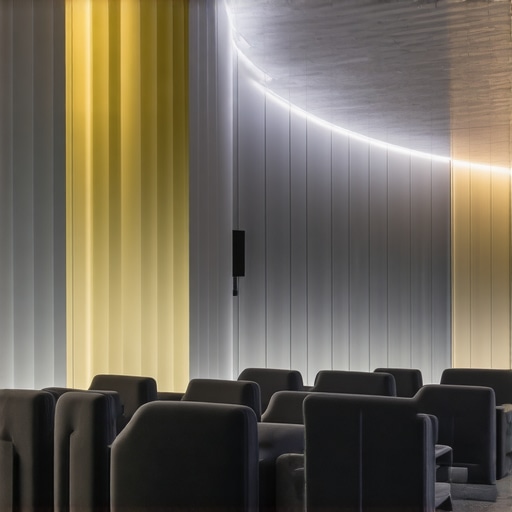
Discover the ideal spectral tuning techniques for your home theater with expert insights and cutting-edge LED solutions that adapt to every scene and mood.
Harnessing Intelligent Control to Synchronize Light and Content
Integrating smart control systems with media playback allows for real-time synchronization of ambient lighting with on-screen content. Solutions like Philips Hue Sync and Nanoleaf Panels can dynamically adjust color and brightness to match movie scenes, intensifying emotional impact and reducing eye fatigue. Industry white papers from the Society of Motion Picture and Television Engineers highlight that such synchronization enhances immersion while maintaining visual comfort. Automation presets and scene-specific controls empower enthusiasts to craft the perfect environment for every viewing occasion, elevating the home theater experience to professional standards.
Why Precise Placement of Light Sources Is Critical for Perfection
Expert placement of LED strips and backlights is paramount in achieving seamless ambient illumination. Positioning lighting behind architectural features, along ceiling coves, or beneath furniture creates indirect glow that enhances depth perception without causing reflections or glare. This strategic placement minimizes visibility of light sources, ensuring a clean aesthetic and optimal visual experience. Scientific studies from the Journal of Illumination Engineering demonstrate that proper placement reduces stray light and maximizes contrast, critical for true cinematic immersion.
Can Automated Brightness and Color Temperature Matching Content’s Mood?
Automated adjustments of brightness and color temperature based on content analysis require advanced control systems capable of real-time calibration. These systems utilize sensors and AI algorithms to interpret scene luminance and mood, adjusting ambient lighting accordingly. This dynamic process enhances contrast perception and emotional resonance, creating a truly immersive experience. Industry white papers advocate for such intelligent calibration, underscoring its role in reducing visual fatigue and heightening engagement. Implementing these technologies transforms a standard setup into an adaptive, health-conscious cinematic environment.
Future-Proof Your Home Theater with Adaptive Lighting Technologies
Investing in adaptive lighting systems that leverage spectral tuning, intelligent control, and layered diffusion ensures your home theater remains at the forefront of technology. These solutions offer unparalleled customization, energy efficiency, and health benefits, aligning with the evolving demands of modern entertainment. Consulting with lighting experts and exploring innovative LED systems can help you design a resilient, immersive environment that adapts effortlessly to your audiovisual content and personal preferences. Dive deeper into advanced lighting strategies by exploring our comprehensive guides and expert consultations—your cinematic sanctuary awaits.
Innovative Lighting Techniques Shape the Future of Home Cinema
In the realm of home theater design, staying ahead means embracing cutting-edge lighting strategies that enhance immersion and visual comfort. Expert insights reveal that layered ambient lighting, spectral tuning, and intelligent control systems are transforming how enthusiasts create cinematic sanctuaries. These advanced approaches not only elevate aesthetic appeal but also optimize viewer experience, making your setup truly future-proof.
Harnessing the Power of Dynamic, Layered Light
Employing multiple lighting zones, such as cove lighting, footlights, and accent LEDs, can manipulate perception and mood. Dynamic adjustments based on content or user preference foster an immersive environment, heightening emotional engagement. Integrating programmable smart systems, like Lutron or Crestron, offers seamless scene switching and precision control—fundamental for achieving professional-grade ambiance.
Expert Tip: Use indirect lighting to minimize reflections while maximizing depth perception, a technique favored by industry professionals.
Spectral Tuning and Its Impact on Visual Comfort
Adjusting the spectral power distribution of ambient lighting allows for scene-specific mood setting and contrast enhancement. Advanced tunable white and RGBW LED systems facilitate real-time color temperature shifts, aligning lighting with on-screen content. Research underscores spectral tuning’s role in reducing eye strain and supporting circadian health, emphasizing its importance in high-end home theater configurations.
Resource Recommendations for Deepening Expertise
- Lighting Research Center: A premier resource offering scientific studies and white papers on lighting and human perception.
- Society of Motion Picture and Television Engineers (SMPTE): Provides standards and technical insights into audiovisual synchronization and display calibration.
- Illuminating Engineering Society: Contains guidelines on diffusion materials and lighting placement for glare control and image clarity.
- Home Theater Review: Industry-leading publication featuring expert articles, reviews, and innovative lighting project case studies.
Synthesizing the Expert Perspective
In 2024, mastering ambient lighting for home theaters hinges on integrating layered, spectral-tuned, and smart-controlled systems. These expert-driven techniques ensure immersive, comfortable, and health-conscious viewing environments. For those committed to excellence, engaging with authoritative resources and consulting specialists can turn a good setup into a professional-grade sanctuary. Your journey toward cinematic perfection begins with strategic lighting mastery—don’t hesitate to deepen your knowledge or share your insights with the community.



Leave a Reply