

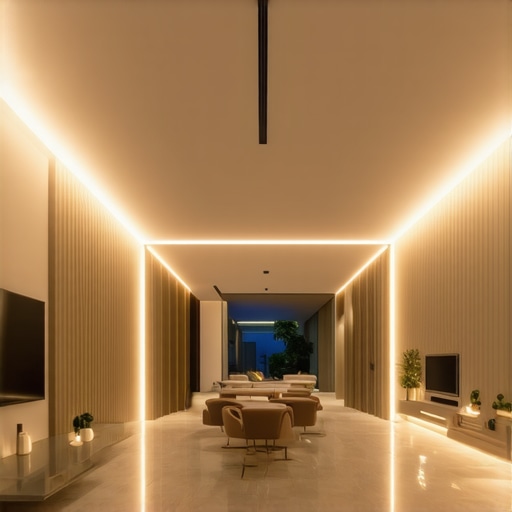
Revolutionizing Home Illumination: The Strategic Role of LED Strips in Ambient and Backlighting Designs
In the realm of modern interior styling, LED strip lighting has ascended beyond mere functionality to become a cornerstone of sophisticated design. As lighting experts, we recognize that the nuanced application of backlight and ambient lighting elevates spatial perception, influences mood, and enhances aesthetic appeal. The pivotal challenge lies in leveraging LED technology to craft immersive environments that are both visually compelling and technically optimized for 2024’s evolving trends.
From Functional Illumination to Artistic Expression: The Evolution of LED Strip Usage
Historically, LED strips served utilitarian purposes, but today they underpin complex lighting schemes that balance practicality with artistry. Advanced techniques involve integrating LED strips into architectural elements, such as coves, staircases, and ceiling recesses, to produce seamless, diffuse lighting that accentuates form and texture. The key innovation is the adoption of smart LED systems capable of dynamic color changes, programmable patterns, and integration with home automation platforms, thereby enabling personalized ambiance creation.
Expert Insights: How to Maximize the Potential of LED Backlighting in Your Space
Maximizing LED backlight effectiveness requires a deep understanding of color temperature, placement, and controller technology. For instance, utilizing the right LED strip type ensures compatibility with desired brightness and color range, vital for achieving the optimal visual impact. Moreover, strategic placement behind media units or along architectural coves can dramatically improve spatial depth, reduce eye strain, and create a cinematic atmosphere—especially critical for home theaters aiming for professional-level immersion.
What Are the Complexities of Achieving Perfect Color Harmony in Ambient Lighting?
How can professionals ensure color consistency across multiple LED zones without noticeable discrepancies, especially in large, multi-room setups?
Achieving consistent color harmony across expansive areas involves meticulous calibration of LED controllers, the use of high-quality LED strips with uniform diodes, and implementing feedback systems that auto-adjust color output. This technical rigor is essential to prevent color mismatch and maintain the integrity of the intended ambiance, particularly when integrating with high dynamic range content or synchronized lighting effects.
For comprehensive guidance on selecting and installing the most effective LED strip lighting, consider exploring our expert installation tips tailored to high-end home environments.
To foster community expertise and share innovative ideas, we invite professionals and enthusiasts to contribute their insights on emerging trends and technical challenges in LED lighting design.
For a broader context on the latest advancements, see this authoritative source on cutting-edge lighting research and standards.
Can Precision Calibration Elevate Your Home Theater’s Ambiance to a Professional Level?
One of the most overlooked aspects of achieving seamless LED backlighting is the importance of precise calibration. While selecting high-quality LED strips and controllers is essential, their optimal performance depends on meticulous calibration to ensure uniform color and brightness levels across multiple zones. This process involves using advanced tools like spectrometers or colorimeters, which provide real-time feedback, allowing technicians to fine-tune each zone for perfect harmony. Such precision prevents color mismatches that can disrupt immersion, especially when synchronized with high dynamic range (HDR) content or dynamic scene lighting, elevating your setup from good to professional-grade.
How do emerging technologies in LED control systems redefine the possibilities for dynamic, immersive home theater environments?
Recent innovations in LED control technology, including AI-driven algorithms and IoT integration, enable real-time scene adaptation and personalized lighting profiles. These advancements allow for dynamic lighting that responds to on-screen content, mood preferences, or even voice commands, creating a truly immersive experience. For instance, adaptive color temperature adjustments can mimic natural lighting conditions, reducing eye strain during long viewing sessions. To explore the latest in control systems and how to implement them effectively, visit our expert LED strip lighting tips page.
What are the best practices for integrating bias lighting with existing ambient lighting schemes to enhance viewing comfort without sacrificing style?
Effective integration of bias lighting involves layering multiple lighting elements—ambient, task, and accent lighting—while maintaining harmony and avoiding glare or color clashing. The key is to choose bias lights with adjustable color temperature and brightness levels, allowing seamless blending with surrounding ambient lighting. Using diffusers and indirect mounting techniques further softens the light, reducing eye strain and enhancing contrast perception. When executed thoughtfully, this layered approach not only improves visual comfort but also enriches the overall aesthetic of your home theater. For more insights on creating a balanced lighting environment, check out our top ambient lighting ideas guide.
If you’re interested in sharing your experiences or seeking tailored advice, we invite you to reach out to our experts. For further reading on technical standards and innovations, see this authoritative research source.
Unraveling the Complexities of Color Calibration in Multi-Zone LED Installations
Achieving impeccable color consistency across multiple LED zones isn’t merely a matter of initial setup; it demands ongoing calibration and sophisticated control strategies. Variations in diode manufacturing tolerances, voltage drops along the strip, and environmental factors can introduce discrepancies that diminish visual harmony. To counteract these challenges, professionals leverage high-precision calibration tools, such as spectrometers and advanced colorimeters, which provide real-time feedback for fine-tuning each zone. The integration of these tools with intelligent control systems enables auto-correction, ensuring seamless color blending and eliminating the dreaded “color mismatches” that compromise immersive experiences.
Harnessing AI and IoT to Revolutionize Dynamic Lighting in High-End Home Theaters
Emerging technologies are dramatically expanding the creative potential of LED lighting systems. AI-driven algorithms analyze on-screen content, adjusting color temperature, hue, and saturation dynamically to enhance visual fidelity and mood synchronization. IoT connectivity facilitates centralized control and automation, allowing homeowners to create personalized lighting profiles that adapt to their preferences or specific scenes. For example, adaptive lighting can shift from cool tones during action sequences to warm hues during dialogue-driven scenes, mimicking natural lighting conditions and reducing eye strain. This convergence of AI and IoT not only elevates aesthetic appeal but also streamlines operation, making advanced lighting accessible even to non-technical users.
What are the key considerations when integrating AI-driven control systems with existing home automation platforms?
Successful integration hinges on compatibility between control protocols, robust network security, and user-friendly interfaces. Ensuring that AI algorithms can communicate seamlessly with platforms like Google Home, Amazon Alexa, or proprietary automation hubs is critical. Additionally, implementing secure data handling practices prevents unauthorized access and preserves user privacy. As these systems evolve, ongoing firmware updates and interoperability testing become vital to maintain optimal performance and feature access, cementing the role of AI and IoT as cornerstones of next-generation lighting solutions.
Innovative Approaches to Layered Ambient and Task Lighting for Enhanced Visual Comfort
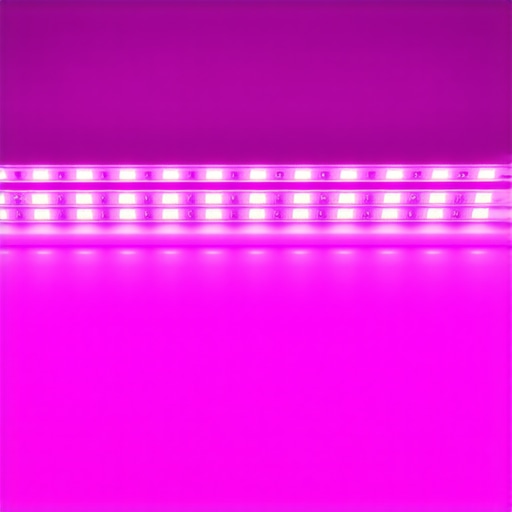
Layering ambient, task, and accent lighting is a nuanced art that requires careful planning and execution. The goal is to create a balanced environment where each layer complements the others, avoiding conflicts such as glare or oversaturation. Using adjustable color temperature fixtures as part of the ambient layer allows for seamless blending with bias lighting, which should be designed with diffusers and dimmable features to minimize harshness. In workspaces or reading areas, task lighting must be precisely targeted and glare-free, utilizing directional fixtures with high CRI (Color Rendering Index) ratings for accurate color perception. This layered approach not only enhances aesthetic depth but also promotes visual health, especially in environments demanding prolonged focus.
How can professionals optimize the interplay between different lighting layers to achieve a cohesive, non-intrusive environment?
Optimizing this interplay involves strategic placement, dimming controls, and the selection of compatible color temperatures. Implementing smart control systems that synchronize multiple zones allows for smooth transitions and scene-specific configurations. Additionally, leveraging light diffusion techniques and indirect mounting can soften shadows and reduce eye fatigue. Ultimately, the objective is to craft an environment where lighting enhances functionality without overpowering the visual experience, fostering both comfort and style.
For further insights into sophisticated lighting design, consider exploring authoritative resources such as the Illuminating Engineering Society’s research publications. To share your innovations or seek expert guidance, don’t hesitate to connect with our team.
Mastering the Art of Multi-Zone LED Calibration for Seamless Visual Harmony
Achieving impeccable color uniformity across multiple LED zones necessitates sophisticated calibration techniques that transcend basic setup. Variances in diode manufacturing tolerances, voltage drop across strips, and environmental influences can introduce discrepancies that undermine visual cohesion. Experts employ high-precision tools like spectrometers and advanced colorimeters, coupled with intelligent control algorithms, to perform real-time feedback and auto-correction. This meticulous process ensures that each zone blends seamlessly, eliminating color mismatches that could disrupt immersive viewing experiences, especially in multi-room or multi-zone configurations.
Revolutionizing Home Theater Lighting with AI and IoT Innovations
The integration of cutting-edge AI-driven control systems and IoT connectivity is transforming ambient lighting landscapes. These technologies enable dynamic scene analysis and real-time adjustments of hue, saturation, and brightness, synchronized precisely with on-screen content. Adaptive algorithms can mimic natural lighting shifts, reducing eye fatigue during extended viewing and enhancing cinematic realism. IoT enables centralized control via smartphones or voice commands, creating personalized lighting profiles that respond autonomously to user preferences and environmental cues, thereby elevating the aesthetic and functional aspects of high-end home theaters.
How Can Professionals Ensure Long-Term Color Fidelity in Complex LED Installations?
What are the most effective methods for maintaining consistent color performance over time in multi-zone LED systems?
Maintaining long-term color fidelity requires regular calibration using high-accuracy tools, coupled with proactive system maintenance. Implementing feedback loops with spectrometers ensures ongoing correction for diode aging, voltage fluctuations, and environmental changes. Additionally, selecting high-quality LED strips with minimal diode variance and incorporating firmware updates for control systems can sustain color consistency. Establishing a routine calibration schedule and employing automated calibration protocols are essential practices for preserving visual harmony in sophisticated installations.
For specialized guidance on maintaining color accuracy, consult authoritative sources such as the Illuminating Engineering Society’s standards and research.
Engage with our community to share your experiences and innovations in advanced lighting calibration—your insights can help push the boundaries of home theater illumination excellence.
What Are the Emerging Technologies That Will Shape the Future of LED Control Systems?
How will advancements in AI, machine learning, and 5G connectivity redefine dynamic lighting capabilities?
Innovations in AI and machine learning are enabling control systems to learn user preferences, predict lighting needs, and adapt scene parameters automatically, creating highly personalized environments. 5G connectivity facilitates rapid data transfer and low latency control, allowing for real-time adjustments and seamless integration with other smart home devices. These advancements will lead to intuitive, adaptive lighting ecosystems capable of responding to an array of stimuli—such as voice commands, environmental sensors, or even biometric feedback—ushering in a new era of immersive, intelligent lighting solutions for luxury home theaters and beyond.
To explore the latest breakthroughs, visit our dedicated expert insights on emerging control systems.
How Can Layered Ambient and Task Lighting Be Fine-Tuned for Optimal Viewer Comfort?
Fine-tuning layered lighting involves a strategic interplay of placement, color temperature, and control sophistication. Employing adjustable fixtures that support seamless dimming and color tuning allows for smooth transitions between ambient, task, and accent layers. Indirect mounting and diffusers soften shadows and reduce glare, fostering a balanced environment that minimizes eye strain. Smart control systems that synchronize multiple zones enable scene-specific lighting configurations, optimizing comfort without sacrificing aesthetic appeal. This delicate balance enhances both visual clarity and atmospheric immersion, essential for prolonged viewing sessions.
Expert Insights & Advanced Considerations
1. Precision Calibration is Crucial for Seamless Multi-Zone Lighting
Achieving uniform color and brightness across multiple LED zones requires meticulous calibration using high-precision tools like spectrometers and colorimeters. This ensures consistent visual harmony and prevents color mismatches that can disrupt immersion, especially in multi-room setups.
2. Integration of AI and IoT Elevates Dynamic Lighting Capabilities
Emerging control systems leverage AI algorithms and IoT connectivity to enable real-time scene analysis, adaptive color temperature adjustments, and personalized lighting profiles. These advancements facilitate highly immersive and responsive home theater environments.
3. Long-Term Color Fidelity Demands Routine Calibration and Quality Control
Maintaining consistent color performance over time involves regular calibration, proactive system maintenance, and selection of high-quality LED components. Automated calibration protocols help sustain visual harmony and prevent drift caused by diode aging or environmental factors.
4. Layered Lighting Must Be Carefully Balanced for Visual Comfort
Designing layered ambient, task, and accent lighting requires strategic placement, adjustable fixtures, and smart control synchronization. Proper diffusion and indirect mounting minimize glare and eye strain, creating a balanced atmosphere conducive to prolonged viewing.
5. Advanced Technologies are Reshaping Lighting Control Systems
Innovations in AI, machine learning, and 5G connectivity are enabling control systems to learn user preferences, predict lighting needs, and respond instantaneously. These developments are transforming immersive lighting into an intuitive, adaptive experience.
Curated Expert Resources
- Illuminating Engineering Society (IES): Provides authoritative standards, research publications, and guidelines for professional lighting design and calibration practices.
- Lighting Research Center (LRC): Offers cutting-edge studies on LED technology, control systems, and human-centric lighting innovations.
- Home Automation and Lighting Industry Reports: Industry insights and technical standards essential for integrating AI and IoT in advanced lighting solutions.
Final Expert Perspective
Mastering the art of LED backlighting in high-end home theaters requires a blend of precise calibration, innovative control technologies, and thoughtful layering of ambient and task lighting. As the landscape evolves with AI and IoT integration, staying informed through authoritative resources ensures that professionals can deliver immersive, reliable, and future-proof lighting environments. For those committed to elevating their expertise, engaging with the community and continuously exploring emerging standards will be key to pioneering next-generation lighting solutions. If you’d like to share your insights or explore tailored guidance, don’t hesitate to reach out to our experts.



Leave a Reply