

Innovating Ambient Lighting Solutions to Elevate Home Theater Environments
The convergence of ambient lighting, LED strip technology, and sophisticated backlight strategies has revolutionized home theater design, demanding a nuanced understanding of lighting dynamics that influence viewer perception and device performance. As the industry advances toward 2026, integrating these elements with precision becomes essential for achieving cinematic immersion and visual comfort.
The Interplay Between LED Strips and Home Theater Optimization
LED strip lighting has transcended basic illumination, serving as an adaptive component for creating immersive atmospheres. High-quality LED strips, especially those with dynamic color temperature controls, facilitate precise adjustments aligning with content type and ambient conditions. For instance, comprehensive guides highlight how proper LED strip placement optimizes scene contrast and reduces eye strain.
Enhancing Visual Fidelity with Backlight and Bias Light Synergies
Backlighting techniques, when paired with bias lights, substantially reduce perceived contrast differences, improving HDR rendering and black level perception. Bias lights, positioned behind displays, mitigate eye fatigue by anchoring the viewer’s focal point within a consistent luminance environment. As noted in recent research, expert analyses endorse the strategic use of bias lighting to enhance picture quality without interfering with display calibration.
Overcoming Technical Challenges in Implementing Ambient Light Systems
Addressing issues such as light bleed, flicker, and inconsistent color rendering requires meticulous planning. Advanced techniques, including the use of diffusion filters and power supply stabilization, are vital for achieving seamless integration. For example, practical tactics demonstrate how diffusers and proper mounting reduce hot spots and uniformize light distribution, ensuring visual harmony.
How Can Precise Calibration of Bias Lights Influence High-Nit Display Performance?
Accurate calibration of bias lighting not only enhances perceived contrast but also preserves OLED and LCD panel integrity. Misaligned color temperature or excessive brightness can introduce unwanted color cast or cause premature wear. Considerations from leading display calibration experts suggest utilizing spectroradiometers to optimize bias light settings, a practice pivotal in maintaining image accuracy post-installation.
For those interested in expanding their knowledge, exploring advanced bias lighting techniques can provide deeper insights into industry-best practices.
To ensure your installation aligns with evolving standards, consult detailed technical resources and consider sharing your experiences with professional communities dedicated to cinematic lighting design.
Refining Color Balance for Cinematic Immersion
Achieving perfect color harmony with bias lighting requires more than just selecting the right LED strip; it demands meticulous calibration to match your display environment. Misaligned color temperature can introduce visual artifacts, diminishing the immersive quality of your setup. Experts recommend utilizing tools like spectroradiometers for precise measurements, ensuring your bias lights complement your high-nit screens without introducing unwanted hues.
Integrating Smart Control Systems for Dynamic Lighting
Modern home theater enthusiasts leverage smart lighting systems to synchronize bias lighting with on-screen content, creating a seamless cinematic experience. These systems can adapt brightness and color based on the scene, enhancing contrast and depth. To explore effective integration strategies, visit advanced synchronization techniques that align your bias lighting with high-resolution displays.
Can Adaptive Bias Lighting Truly Elevate Your Viewing Experience to the Next Level?
Adaptive bias lighting, driven by real-time content analysis and ambient sensors, offers personalized illumination that responds to both scene dynamics and viewer preferences. This evolution in lighting technology promises to minimize eye strain while amplifying color accuracy, especially critical for HDR content. Industry experts emphasize that implementing such systems requires an understanding of sensor calibration, response latency, and lighting diffusion to avoid visual inconsistencies.
For comprehensive insights, consider reviewing expert-guided tutorials on adaptive lighting.
Interested in elevating your cinema experience? Share your thoughts or read more about the latest innovations in professional lighting solutions tailored for dedicated home theaters.
Elevate Your Visual Experience Through Precise Bias Light Calibration
In the pursuit of cinematic perfection, the importance of meticulous bias lighting calibration cannot be overstated. A misaligned color temperature or luminance level can subtly introduce color casts, reduce contrast perception, and even accelerate display degradation over time. professional calibration involves more than just setting the brightness; it requires leveraging advanced tools like spectroradiometers to fine-tune light output, ensuring that the bias lighting complements the display without overriding its intended contrast and color accuracy. Such precision not only preserves the integrity of HDR content but also minimizes viewer fatigue during extended viewing sessions.
How Do Spectroradiometers Enhance Bias Lighting Accuracy?
Spectroradiometers provide detailed spectral measurements, enabling calibration that accounts for the specific emission profile of your bias lights. By analyzing the spectral power distribution, informed adjustments can be made to match the display’s color temperature—typically around 6500K—to create a balanced ambient environment. This eradicates unwanted color casts that might interfere with accurate color reproduction, hence maintaining the fidelity of HDR and SDR content. As an example, professional home theater installers often utilize these tools to establish a baseline calibration, setting the scene for ongoing adjustments that adapt to seasonal or ambient light changes.
According to the Imatest certification, calibration accuracy directly correlates with viewer satisfaction and display longevity. Advanced calibration techniques emphasize the importance of spectral analysis, which is often overlooked in standard setup procedures.
Implementing Dynamic Calibration for Adaptive Environments
As home theater setups evolve into smart, adaptive environments, calibration must also adapt in real-time. Dynamic calibration systems utilize sensors to monitor ambient luminance and color temperature, adjusting bias lights automatically to maintain an optimal viewing environment. This ensures consistency across different times of day or lighting conditions, thereby safeguarding color accuracy and contrast perception without manual intervention. For instance, integrating these systems with home automation platforms like Crestron or Control4 allows seamless operation, deeply personalizing the cinematic experience.
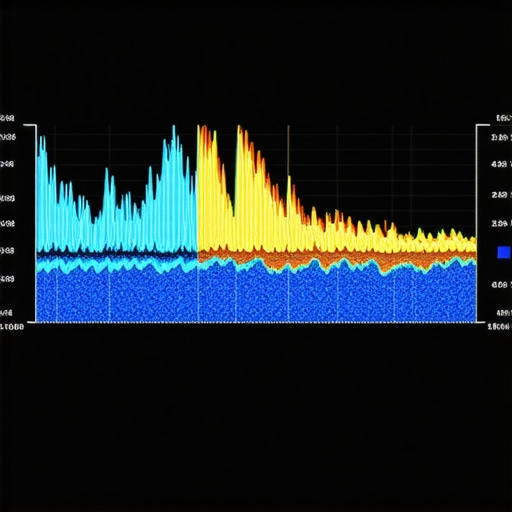
**Prompt:** High-resolution image of a professional calibration session with spectroradiometer measuring bias lighting in a home theater setting.** Alt:** Spectroradiometer calibration process in a cinematic room.** Title:** Spectroradiometer calibration for optimal bias lighting
Addressing Variability: The Challenge of Lighting Heterogeneity
One of the most subtle yet impactful challenges in bias lighting calibration is heterogeneity in ambient light conditions. Variations in wall color, room reflectance, and window positioning can create uneven lighting zones that distort calibration efforts. Employing diffusion filters, matte wall paints, and controlled window coverings reduces these variables, providing a more uniform environment for calibration. Furthermore, multi-point calibration—measuring multiple zones within the room—allows for tailored adjustments that reconcile these disparities, ensuring consistency across the entire visual field.
Research published in the SPIE Optical Engineering Journal emphasizes the necessity of considering room heterogeneity during calibration, advocating for comprehensive spatial measurement techniques.
Future-Proofing Your Calibration Strategy for 2026 and Beyond
With the rapid advancement of display technologies, from microLED panels to OLEDs with self-emissive capabilities, calibration processes must remain adaptable. Integrating calibration protocols that include spectral analysis and smart sensor feedback ensures your setup remains optimized as standards evolve. Moreover, staying abreast of emerging standards—such as the upcoming revisions to the SMPTE ST 2084 HDR specification—ensures your calibration practices support the latest cinematic formats and color gamuts.
Consider engaging with industry certification programs or professional communities specializing in high-fidelity display calibration to keep your practices at the forefront. As the landscape becomes more complex, leveraging expert knowledge is essential for sustaining an immersive, accurate viewing environment.
Unlocking the Potential of Spectral Calibration for Bias Lights
To maximize the efficacy of bias lighting, especially in high-end home theaters, spectral calibration is paramount. This process involves measuring and adjusting the spectral power distribution of your bias lights to align perfectly with your display’s color profile. Achieving this calibration ensures that ambient illumination enhances contrast perception without skewing accurate color reproduction, vital for HDR content enthusiasts. Leveraging spectroradiometers with high spectral resolution can reveal subtle mismatches, guiding precise adjustments that elevate your cinematic experience.
Achieving Room Uniformity Through Multizonal Light Calibration
One often-overlooked obstacle in ambient lighting optimization is the heterogeneity of room illumination. Variations in wall color, reflecting surfaces, and window positioning introduce inconsistencies that undermine calibration efforts. Implementing multizonal calibration—taking measurements at various points within the viewing environment—allows for tailored light adjustment, ensuring uniform luminance and color temperature across the entire visual field. This meticulous approach fosters an immersive environment where every scene is experienced with intended richness and depth.
Expert-Level Factors: How Do Wall Finishes Impact Bias Light Performance?
Wall textures, paint finishes, and reflective surfaces significantly influence bias light distribution and perception. Glossy or semi-gloss finishes tend to reflect unwanted glare and diffuse light unevenly, creating hotspots or glare that compromise contrast sensitivity. Conversely, matte finishes absorb stray light, promoting more consistent ambient illumination. For high-fidelity calibration, selecting wall coatings with low reflectance and employing diffusion materials can mitigate these issues, ensuring that bias lighting performs optimally and preserves the immersive quality of your setup. Consultations with acoustic and visual environment specialists can offer tailored solutions to enhance room uniformity and functionality.
Anticipating Display Innovations to Future-Proof Your Calibration Techniques
The landscape of display technology is evolving rapidly, with microLED, quantum dot, and self-emissive panels emerging as new benchmarks. These innovations demand adaptive calibration strategies that incorporate spectral analysis and real-time feedback mechanisms. Integrating sensor networks capable of monitoring ambient light dynamics and display spectral output enables continuous optimization, minimizing color shifts and contrast loss. Professionals recommend establishing calibration routines that leverage machine learning algorithms for predictive adjustments, ensuring your home theater remains at the forefront of visual fidelity well into 2026 and beyond.
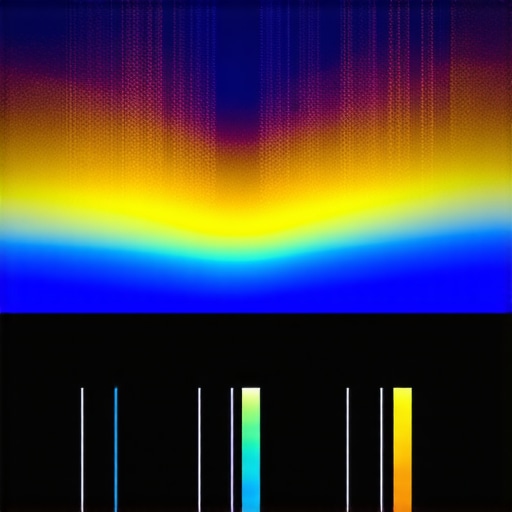
**Prompt:** High-resolution image of a spectral calibration session in a high-end home theater, featuring a spectroradiometer measuring bias lighting.** Alt:** Spectroradiometer during spectral calibration in a luxury cinema room.** Title:** Spectral calibration process enhances bias lighting accuracy
Handling Environmental Shadows and Light Spill for Seamless Ambience
In complex room geometries, shadows cast by furniture or architectural features can create uneven lighting zones, disrupting calibration consistency. Strategic placement of diffusers, light traps, and blackout curtains helps eliminate stray reflections and light spill, fostering a controlled environment for precise calibration. Additionally, employing spatial averaging techniques—taking multiple measurements across different room locations—can inform targeted adjustments, ultimately delivering a harmonious, shadow-free visual ambiance that complements your display’s capabilities.
The Role of Material Science in Advancing Bias Light Efficacy
Emerging innovations in material science—such as nanostructured diffusers and thermally stable phosphorescent coatings—offer promising avenues for crafting bias lights that are more efficient and less intrusive. These materials facilitate improved light diffusion, spectral control, and heat management, broadening the scope for elegant design and longer-lasting performance. Incorporating these advanced materials into your lighting setup can unlock new levels of precision and aesthetic integration, forging a symbiotic relationship between form and function within your cinematic sanctuary.
Expert Strategies for Next-Gen Home Theater Illumination
When pushing the boundaries of immersive home cinema, understanding the nuanced interplay of bias lighting, LED innovations, and room dynamics is crucial. Seasoned professionals recognize that choosing the right spectral calibration techniques and adaptive systems not only elevates picture quality but also preserves display longevity. Emphasizing spectral analysis and real-time sensor feedback is today’s route to future-proof your setup, facilitating sharp contrast and accurate color rendering in an ever-evolving technological landscape.
Where Innovation Meets Practical Calibration
Incorporating advanced diffusion materials, nanostructured diffusers, and thermally stable coatings transforms room environment control. These materials mitigate hot spots and reflections, ensuring uniform luminance—vital for precise bias light calibration. Industry experts consistently advocate for multi-point measurements and spectral matching, utilizing tools like spectroradiometers, to maintain high fidelity even as display standards shift toward microLED and self-emissive panels.
Unlocking Resources for the Informed Professional
– Ultimate Guide to Home Theater Lighting with Bias LED Strips: A cornerstone for understanding how to integrate calibration with ambient lighting.
– Pro Techniques for Diffusing Hot Spots: Essential tactics for achieving seamless light distribution.
– Sync Optimization for High-Resolution Displays: Critical guidance on minimizing latency in Smart lighting systems.
The Main Takeaway from Industry Experts
Relying solely on conventional bias lighting techniques risks compromising image fidelity, especially as display technologies leap into 2026 with brighter, more saturated panels. A sophisticated calibration approach—centered on spectral precision and adaptive controls—ensures your home theater not only remains visually stunning but also protects your investment over time. Engaging with professional-grade tools and staying informed through authoritative resources empowers you to craft an environment where cinematic storytelling truly comes alive.
If you aim to elevate your cinematic sanctuary, consider deepening your knowledge with trusted guides and share your experiences within professional communities. Precision in ambient lighting is no longer optional but a defining element of the modern home theater experience.



Leave a Reply