

Mastering Bias Lighting Stability: An Expert’s Approach to Flicker-Free Home Theater Ambience
In the realm of high-end home theater installations, the pursuit of immersive visual experiences hinges on a delicate balance of lighting precision and technological harmony. Bias lights, particularly LED strips and ambient lighting solutions, serve as vital components for reducing eye strain and enhancing black levels but often pose perplexing challenges such as flickering, which can undermine the cinematic atmosphere and distort perceived contrast. Addressing this issue demands a nuanced understanding of power dynamics and circuit integrity, grounded in proven solutions that ensure seamless operation.
The Underlying Power Dynamics Disrupting Bias Light Performance
Flickering in bias lighting typically originates from inconsistent power delivery, electromagnetic interference, or inadequate grounding, all of which can compromise the visual consistency crucial for a premium home theater experience. For instance, fluctuations in voltage supplied to LED strips may cause unstable current flow, resulting in perceptible flicker and color shifting that detract from the immersive environment. Recognizing these root causes is essential for selecting targeted power solutions that sustain the delicate equilibrium needed for high-quality ambient illumination.
Three Proven Power Tips to Resolve Bias Light Flickering
Optimize Power Supply Compatibility with LED Strips
The first step involves ensuring that your power supply matches the voltage and current requirements of your LED strips. Using a power supply with insufficient wattage or incompatible specifications leads to voltage drops under load, which manifest as flickering. Expert recommendations suggest investing in high-quality, UL-certified power adapters that provide stable current delivery and integrate with your lighting control systems for consistent performance.
Implement Quality Power Conditioning and Filtering
Electromagnetic interference from nearby devices or poor wiring can induce flicker. Incorporating noise filters, ferrite beads, or line conditioners helps mitigate these effects. For advanced setups, employing power conditioners that stabilize voltage and filter out noise ensures that your bias lighting receives a clean, steady power stream, thus eliminating transient flicker and shielding against future disruptions.
Ensure Proper Grounding and Circuit Design in Your Setup
Ground loops and improper wiring are subtle yet significant contributors to flicker phenomena. A well-designed circuit with dedicated grounding paths and shielded wiring minimizes interference. Additionally, consulting with a professional to verify that your electrical system adheres to best practices reduces potential for voltage fluctuations and current surges that could impair LED performance.
What Are the Risks of Ignoring Power Quality in Home Theater Bias Lighting?
Neglecting the importance of power quality not only causes visual disturbances but also accelerates component wear, increases energy consumption, and raises safety hazards. Persistent flickering indicates underlying electrical issues that, if unaddressed, can lead to permanent damage of LED components or compromise the overall integrity of your home theater system. For in-depth technical guidance, reference industry standards published by the Underwriters Laboratories.
To enhance your setup further, consider exploring expert LED strip installation techniques that optimize both power efficiency and aesthetic appeal.
Are you experiencing persistent flicker despite implementing these tips? Sharing your insights or seeking professional diagnostics can significantly improve your bias lighting performance and ensure your cinematic environment remains flawless.
Beyond Basic Lighting: Creating Depth and Dimension in Your Cinema Space
While traditional bias lighting effectively reduces eye strain, forward-thinking enthusiasts are now integrating layered ambient lighting that adds depth and dimension to the viewing environment. Combining LED strips with smart controls allows for dynamic adjustments, enhancing immersion and tailoring the atmosphere to match different movie genres or personal preferences. Implementing individual zones with programmable colors and intensities can transform a static setup into an interactive cinematic experience, reminiscent of professional theaters. For comprehensive guidance on designing multi-layered lighting schemes, visit this expert resource.
Reevaluating Common Assumptions About Bias Light Colors
Many assume that a single color temperature—often 6500K—is ideal for bias lighting, but emerging research suggests that customizing color temperatures based on room lighting conditions can significantly impact viewer comfort and image accuracy. Cooler temperatures can enhance contrast, but may also cause eye fatigue over long periods. Conversely, warmer tones promote relaxation and reduce blue light exposure. Balancing these factors involves calibrating LEDs precisely, sometimes utilizing review-based calibration tools or professional services. For detailed calibration techniques and color matching insights, consult this authoritative guide.
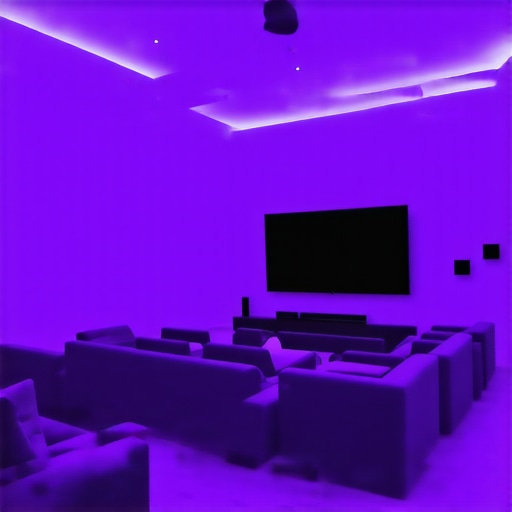
Could smarter bias lighting adapt in real-time to changing viewing conditions for optimal comfort?
The integration of sensors and AI-driven controls can enable bias lighting systems that respond dynamically to ambient light fluctuations, screen content, and viewer activity. Such adaptive systems promise to elevate the home theater experience by maintaining ideal contrast ratios and reducing eye strain automatically. This technological evolution questions traditional static setups and opens avenues for personalized, intelligent lighting environments. For more on innovative bias lighting controls, explore this resource.
If you’re considering upgrading to a smart, adaptive bias lighting system, sharing your goals and setup can help specialists recommend tailored solutions that seamlessly integrate with your existing entertainment infrastructure. Reach out through our contact page and start transforming your home cinema today.
Elevate Your Ambient Lighting: Implementing Advanced Circuit Techniques for Flicker-Free Bias Illumination
Achieving a truly flicker-free bias lighting system extends beyond selecting the right LED strips and power supplies; it involves meticulous circuit design that prioritizes stability and longevity. Professional-grade wiring practices, including twisted pairs for power and ground lines and proper shielding, minimize electromagnetic interference and reduce the risk of flickering caused by stray inductive or capacitive effects. Moreover, utilizing intelligent drivers equipped with active current regulation offers dynamic compensation for voltage fluctuations—ensuring consistent luminance and color fidelity over extended periods.
What Role Does Electromagnetic Compatibility Play in Bias Lighting Durability?
Electromagnetic Compatibility (EMC) considerations are vital in complex home theater environments. Unchecked electromagnetic emissions from nearby electronic devices can induce noise in power lines, adversely affecting LED performance. Incorporating EMC filters and ferrite beads at strategic points in the power circuitry can significantly suppress these unwanted signals, leading to more stable operation.
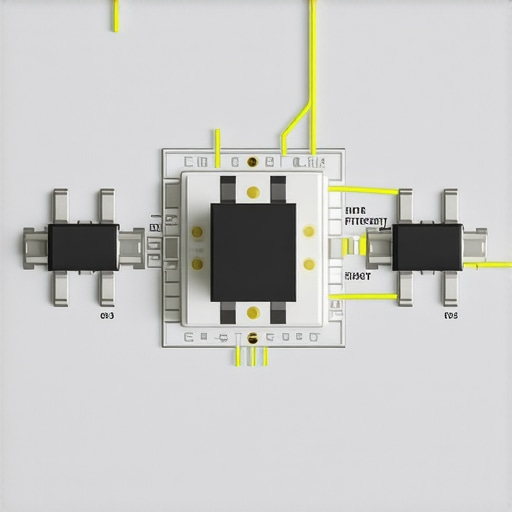
Improved circuit design combined with high-quality components can dramatically enhance the reliability and flicker-free operation of bias lighting, safeguarding your investment and the visual integrity of your home cinema.
Long-Term Maintenance and Troubleshooting for Consistent Ambient Illumination
Maintaining optimal bias lighting performance requires a proactive approach to diagnostics and component health. Regular visual inspections for discoloration or partial failure, coupled with measuring voltage and current parameters, help identify issues before they manifest as flickering. Employing diagnostic tools such as clamp meters and oscilloscopes enables technicians to monitor transient behaviors and detect subtle anomalies that could compromise system stability.
How Can Predictive Maintenance Minimize Downtime and Enhance User Experience?
Integrating IoT sensors within the lighting circuits allows for real-time monitoring of electrical parameters. These sensors can trigger alerts or automatically adjust settings to maintain optimal performance, preventing unexpected failures. Adopting such predictive maintenance strategies not only extends the lifespan of LED components but also ensures a consistently immersive experience for viewers, fostering trust and satisfaction.
Advanced troubleshooting techniques, including analyzing power quality logs and conducting harmonic distortion assessments, can uncover hidden electrical issues affecting bias lighting. Engaging professional consultation for systematic audits ensures that all possible energy and performance inefficiencies are addressed comprehensively.
Investing in Premium Components for Future-Proof Home Theater Lighting
While initial costs may rise, opting for certified LED modules, drivers, and circuitry designed for high stability provides long-term benefits. These components are engineered to withstand environmental stresses, fluctuating loads, and electrical transients, securing the fidelity and consistency of your ambient lighting setup. Additionally, choosing modular and upgradeable systems offers flexibility for future enhancements, such as integrating smart controls or expanding zone lighting capabilities.
Looking ahead, the convergence of circuit innovation and intelligent control systems promises to redefine ambient lighting benchmarks. Staying informed about emerging technologies and industry standards—such as the latest UL certifications and EMI regulations—positions enthusiasts and professionals to craft truly resilient, flicker-free environments that elevate the cinematic experience to new heights.
Harnessing Power-Quality Mastery for Ultimate Viewing Serenity
Achieving impeccable bias lighting performance extends beyond basic wiring; it necessitates a deep dive into the nuances of electrical harmonic management and sophisticated circuit topologies. A meticulous approach to electromagnetic compatibility (EMC) and transient suppression is critical, especially considering the sensitivity of LED drivers to voltage fluctuations and electromagnetic noise. Integrating advanced power conditioning modules with active noise cancellation capabilities can establish a resilient foundation, shielding your setup from external electromagnetic disturbances that induce flicker, thereby preserving luminance stability and color fidelity throughout extended viewing sessions.
Strategic Circuit Design Elements Fueling Reliability
Emphasizing the importance of a well-engineered circuit, the adoption of low-ESR film capacitor banks, combined with ferrite bead filtering, can significantly reduce high-frequency noise components. The placement of these components, adhering to best practices such as star grounding configurations, ensures that transient currents are effectively diverted, minimizing ripple effects. Moreover, selecting LED drivers with built-in active current regulation ensures that each segment of your bias lighting receives a consistent power load, counteracting the adverse effects of voltage drops under varying load conditions, thus maintaining flicker-free illumination.
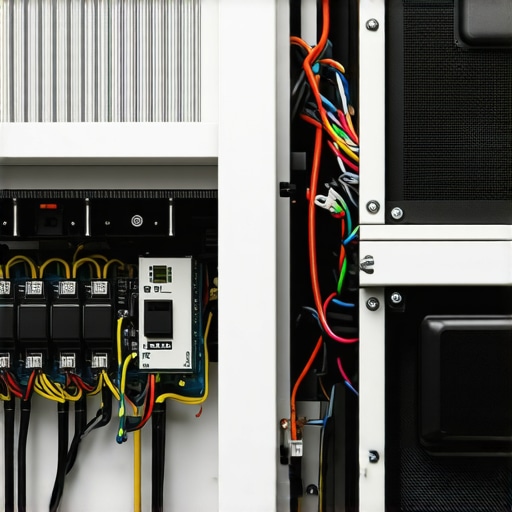
Could integrating adaptive feedback mechanisms into your bias lighting systems redefine ambient stability?
Emerging innovations in sensor technology and machine learning algorithms enable the development of smart bias lighting solutions that dynamically respond to temporal variations in ambient light, content luminance, and viewer focus. Such feedback loops facilitate real-time adjustments, sustaining optimal contrast ratios and mitigating eye fatigue without manual intervention. This paradigm shift toward adaptive lighting systems exemplifies a fusion of intelligent control with high-fidelity circuitry, promising an unprecedented level of environmental harmony. For expert insights into implementing such technologies, consult this authoritative resource.
If you’re poised to upgrade your setup with adaptive controls, collaborating with specialists possessing expertise in embedded sensor integration ensures seamless functionality and maximum immersive benefit. Connect through our contact page for tailored consultations.
Innovating with Circuit Components: Towards Next-Level Flicker Suppression
Next-generation bias lighting prioritizes the integration of active filtering modules equipped with harmonic compensation features. Employing digital power controllers that adjust parameters in response to real-time voltage and current measurements can thwart subtle flicker triggers, especially under fluctuating mains supply conditions. Combining these controllers with isolating transformers designed for audiovisual applications ensures galvanic separation and optimal noise attenuation, establishing an environment conducive to stable, flicker-resistant ambient lighting.
What Can Electromagnetic Compatibility Strategies Reveal About Long-Term System Resilience?
By meticulously assessing EMI emission profiles and deploying tailored shielding enclosures alongside line filters, practitioners can harness empirical data from harmonic distortion analyses to fortify bias lighting circuits. This proactive approach anticipates potential interference sources, minimizes susceptibility, and enhances system robustness, ultimately safeguarding your ambient environment against unseen electrical anomalies that could compromise visual consistency and component longevity.
Implementing these advanced EMC and circuit design principles translates into a resilient architecture capable of delivering unwavering flicker-free illumination—protecting your investment and elevating the fidelity of your cinematic ambiance.
Future-Proofing with Predictive Maintenance and Smart Diagnostics
The longevity of high-quality bias lighting setups hinges on proactive health monitoring. Embedding IoT-enabled sensors within circuit modules allows continuous surveillance of electrical parameters, facilitating early detection of anomalies such as incipient capacitor failure or emerging harmonic distortions. Automated diagnostic platforms can analyze trending data, predicting potential points of failure and scheduling targeted maintenance, thus minimizing downtime and ensuring sustained visual excellence.
How Does Integrated Data Analytics Empower Peace of Mind?
Harnessing detailed power quality logs, frequency spectrums, and real-time voltage/current readings, system owners can gain unparalleled insights into their lighting ecosystem’s operational integrity. The deployment of AI-powered analytics not only anticipates failure modes but also recommends optimal operational settings aligned with your custom environment, fostering a fault-tolerant, self-adjusting system. Engaging with certified professionals for periodic audits leveraging these technologies can exponentially extend your bias lighting’s lifespan while maintaining impeccable performance standards.
By embracing these sophisticated approaches, enthusiasts and professionals alike can forge ambient lighting setups that define reliability and immersive excellence in home theater environments, aligning technical mastery with aesthetic aspiration at every turn.
Expert Insights & Advanced Considerations
Precision Power Management Is Non-Negotiable for Flicker-Free LED Strips
Implementing dedicated, high-quality power supplies with active regulation minimizes voltage fluctuations, ensuring consistent luminance and reducing flicker. Relying on superior components designed for audiovisual environments preserves color accuracy and prolongs device lifespan.
Electromagnetic Compatibility Is Critical in Complex Setups
Proactively addressing EMI through shielding, filters, and proper wiring techniques prevents electromagnetic interference from disrupting LED performance, maintaining visual stability and system integrity over time.
Dynamic Circuit Design Elevates Reliability
Adopting low-ESR capacitors, star grounding, and intelligent drivers equipped with active current regulation creates robust, noise-resistant circuits that deliver flicker-free and uniform ambient lighting, even under fluctuating electrical conditions.
Harnessing IoT and AI Enhances User Experience
Integrating sensors and machine learning algorithms allows bias lighting systems to adapt in real-time to ambient light and content, optimizing comfort and contrast seamlessly, and setting a new standard for personalized home cinema environments.
Long-Term Maintenance Pays Dividends
Routine diagnostics with advanced tools and predictive analytics help identify potential failures early, preventing downtime, safeguarding investments, and ensuring that your cinematic ambiance remains impeccable for years to come.
Curated Expert Resources
- UL Standards and EMC Guidelines: Essential for designing reliable, compliant bias lighting circuits that resist electromagnetic interference and transient disturbances.
- Lighting Industry Whitepapers: In-depth analyses on high-performance power supplies and circuit topologies tailored for professional-grade ambient lighting systems.
- IoT and AI Integration Manuals: Step-by-step guides for deploying sensors and automation tools that enable adaptive bias lighting responsive to real-time environment changes.
- Professional Calibration Techniques: Trusted protocols for color, luminance, and contrast calibration that ensure your bias lighting complements your display and room lighting perfectly.
The Expert Perspective You Should Embrace
In the realm of home theater lighting, mastering bias lighting stability through meticulous power management, electromagnetic compatibility, and innovative circuit design distinguishes a casual setup from an elite cinematic environment. The convergence of expert strategies and emerging technologies unlocks unparalleled ambiance control and visual fidelity. To push the boundaries further, professionals and enthusiasts are invited to share insights, collaborate on cutting-edge solutions, or explore authoritative resources such as this comprehensive guide. Elevate your understanding and craft a lighting environment that not only impresses but endures.



Leave a Reply