

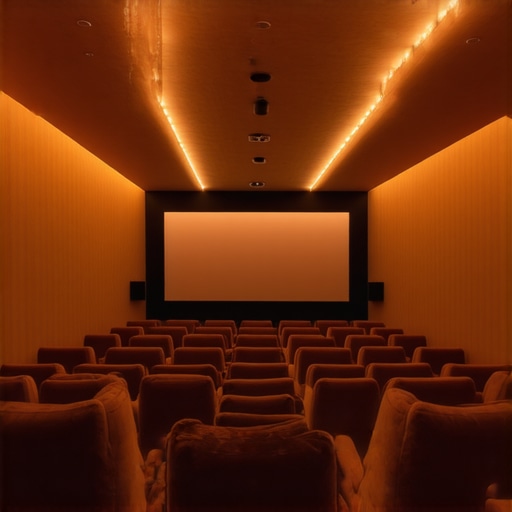
Elevate Your Home Theater with Advanced Bias Lighting Techniques
Creating an immersive movie experience hinges on meticulous ambient lighting design, where bias lights and LED strips play a pivotal role. As an industry expert, I recognize that strategic placement and selection of lighting elements can significantly influence visual clarity and viewer comfort. Modern advancements in LED technology allow for dynamic control, enabling tailored atmospheres that complement high-definition content.
Harnessing the Power of Color Temperature and Brightness for Cinematic Impact
Understanding the nuances of color temperature—ranging from warm to cool tones—is crucial in optimizing bias lighting for cinematic authenticity. Cooler tones enhance contrast and detail perception, whereas warmer hues foster a cozy ambiance. Adjusting brightness levels to prevent glare while maintaining sufficient contrast is a delicate balancing act that demands precision. According to recent studies published in the Journal of Light & Visual Environment, properly calibrated bias lighting reduces eye strain and enhances image perception during prolonged viewing sessions.
Integrating LED Strips for Multi-Dimensional Ambient Effects
LED strip lighting offers versatility for creating layered lighting schemes that elevate the home theater experience. By deploying LED strips along ceiling coves, behind screens, or along flooring edges, enthusiasts can craft immersive backdrops that deepen spatial perception. The key lies in selecting high-CRI (Color Rendering Index) LED strips to accurately reproduce on-screen colors, thus preserving visual fidelity. The Creating Immersive Ambiance guide emphasizes the importance of uniform light dispersion and flicker-free operation for optimal results.
What Are the Technical Limitations of LED Bias Lighting and How to Overcome Them?
Can flickering or color inconsistency undermine your cinematic atmosphere?
Indeed, flickering and color inconsistencies remain prevalent challenges that can detract from the immersive experience. High-quality LED strips equipped with advanced drivers and dimming capabilities mitigate these issues. Additionally, employing smart controllers and synchronized lighting systems ensures seamless adjustments, avoiding distracting visual artifacts. For detailed technical insights, consult the Ultimate Guide to LED Strip Bias Lighting.
For enthusiasts seeking expert guidance, exploring dedicated forums and consulting with professional installers can yield tailored solutions that address unique room configurations and aesthetic preferences.
Interested in refining your setup further? Discover more advanced strategies in our Expert LED Strip Lighting Tips article or reach out through our Contact Us page to share your insights and experiences.
Uncover Hidden Potential with Layered Lighting Techniques
While basic bias lighting can dramatically improve your viewing comfort, integrating layered LED strip schemes unlocks a new realm of visual depth. Positioning LED strips along ceiling moldings, behind the TV, or along wall edges creates a dynamic environment that adapts to different content moods. Utilizing zones with separate controls allows you to switch seamlessly from a subtle glow to vibrant hues, elevating your cinematic experience. For tailored advice on creating balanced, multi-layered lighting schemes, visit our comprehensive ambient lighting ideas.
Why Smart Controls Are Game Changers in Home Theater Lighting
Manual on/off switches are outdated in the age of automation. Smart LED controllers enable you to synchronize lighting with your media system, adjusting brightness and color temperature based on the content. Imagine a scene change that triggers a subtle shift in bias lighting to enhance contrast or reduce eye strain automatically. Advanced systems can even integrate voice commands or mobile apps for effortless control. Investing in these technologies ensures your setup remains flexible and future-proof. For a detailed overview of the latest integrations, see the expert LED strip tips.
Have You Considered the Impact of LED Quality on Visual Fidelity?
Not all LED strips are created equal. Lower-quality options often suffer from flickering, color shifting, and poor color rendering, which can compromise your cinematic immersion. High-CRI (Color Rendering Index) LED strips, paired with quality drivers and diffusers, provide true-to-image colors and flicker-free operation. This ensures that your lighting enhances rather than distracts from your viewing. For a thorough comparison of top LED strip options, explore the best bias lighting guides for 2024.
Are you ready to upgrade your lighting to match your high-definition content? Dive deeper into lighting setups by checking out our ultimate guide to ambient backlight solutions and share your experiences in the comments. Your insights could help fellow enthusiasts elevate their home theaters even further!
Enhance Visual Clarity with Precision LED Calibration
Achieving the perfect bias lighting setup requires meticulous calibration of brightness and color temperature. Advanced professional tools like spectroradiometers enable installers to measure the spectral output of LED strips with high accuracy, ensuring the lighting complements the on-screen colors without introducing unwanted color casts or flickering. According to the IEEE Transactions on Consumer Electronics, precise spectral calibration can reduce visual fatigue and improve perceived contrast, making it a critical component for high-end home theaters.
Designing Layered Ambient Lighting for Depth and Dynamism
Beyond basic bias lighting, layered ambient schemes integrate multiple lighting zones—such as wall wash lights, backlit ceiling coves, and perimeter LED strips—to craft a richly immersive environment. By employing DMX512 or DALI-compatible controllers, enthusiasts can program dynamic lighting scenes that respond to content changes, enhancing the emotional impact of films. Integrating smart home ecosystems like Crestron or Control4 allows for seamless automation, giving users the ability to customize lighting profiles for different genres or viewing moods effortlessly.
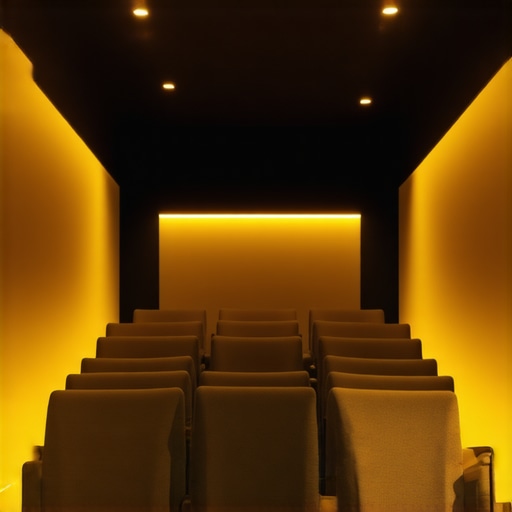
How Can Advanced Control Protocols Elevate Your Home Theater Atmosphere?
Implementing protocols like DMX512 or DALI offers granular control over multiple lighting zones, enabling synchronized effects that elevate cinematic immersion. For instance, a horror film climax can be accompanied by gradual dimming of ambient lights, intensifying suspense. These protocols support high refresh rates and flicker-free operation, crucial for maintaining visual fidelity during fast-paced scenes. An authoritative resource on this topic is the Control4 Blog on Advanced Lighting Control, which explores best practices for integrating professional-grade lighting systems.
For those eager to push their setup further, engaging with professional lighting designers and leveraging specialized software like Lightwright or Capture is invaluable. These tools facilitate detailed planning, testing, and implementation of complex layered lighting arrangements that elevate your home theater into a true cinematic sanctuary.
Addressing the Challenges of LED Quality and Longevity
High-quality LED strips are engineered to deliver consistent spectral output and maintain color stability over time. Conversely, lower-quality options often suffer from lumen depreciation, color shifting, and flickering, which can undermine the immersive experience. Utilizing LEDs with a high CRI (Color Rendering Index) of 90 or above ensures accurate color reproduction, critical for film enthusiasts and professionals alike. Moreover, investing in robust power supplies and drivers extends the lifespan of your lighting system, safeguarding your investment and maintaining optimal performance.
For detailed comparisons, consult the LED Supply technical guide that breaks down specifications and best practices for selecting components suited for high-fidelity home theater environments.
Are you ready to revolutionize your cinematic experience? Explore our comprehensive resources or connect with industry experts to craft a custom lighting scheme that blends technical excellence with aesthetic brilliance. Your perfect home theater ambiance awaits—take the next step today!
Enhancing Visual Depth Through Sophisticated Ambiance Design
Developing an immersive home theater environment transcends mere equipment selection; it hinges on the intricate orchestration of ambient lighting. Employing layered bias lighting with advanced LED configurations can dramatically amplify perceived depth and contrast, creating a theater-like realism. Strategic placement along architectural features such as coves, crown moldings, and behind screens maximizes the spatial perception, transforming your room into a cinematic sanctuary.
Refining Color Temperature for Precise Image Rendering
Choosing the right color temperature for bias lighting—ranging from warm (~2700K) to cool (~6500K)—is vital for aligning with high dynamic range (HDR) content and achieving accurate color reproduction. Cooler temperatures enhance contrast perception and detail discernment, while warmer hues promote relaxation and reduce visual fatigue. According to the IEEE Transactions on Consumer Electronics, meticulous calibration of these parameters can prevent spectral mismatch issues that compromise cinematic fidelity.
Optimizing LED Strip Technology for Elite Visual Fidelity
High-CRI LED strips, especially those with a CRI of 90 or above, are indispensable for maintaining color accuracy. Incorporating flicker-free drivers and high-quality diffusers ensures uniform illumination without introducing distracting artifacts. To elevate realism, consider using tunable LED strips compatible with sophisticated control systems, enabling dynamic adjustments synchronized with on-screen content. The Creating Immersive Ambiance guide emphasizes these technological nuances for discerning enthusiasts.
How Can High-Precision Calibration Elevate Your Setup?
What are the cutting-edge tools for spectral calibration of bias lighting?
Employing spectroradiometers and colorimeters allows for exact measurement of spectral output, ensuring the bias lighting complements the display’s color profile. This process mitigates spectral spillover that could distort on-screen colors, particularly in HDR workflows. The IEEE highlights that such calibration can significantly reduce visual fatigue and enhance perceived contrast, especially during extended viewing sessions.
Engaging with professional calibration services or utilizing advanced software like CalMAN or SpectraCal can further refine the balance between ambient and display luminance, elevating your home theater to a professional-grade standard.
The Future of Ambient Lighting: Integrating Smart and Dynamic Systems
Emerging technologies seamlessly synchronize lighting with media content, employing protocols such as DMX512, DALI, or proprietary smart home ecosystems. This integration enables real-time scene-based adjustments—dimming or color-shifting in response to cinematic cues—thus amplifying emotional impact. For example, a tense scene might trigger subtle dimming of peripheral lights, immersing viewers more profoundly. The Control4 Blog explores these innovations, illustrating how automation transforms ambient lighting from an aesthetic feature into an immersive storytelling tool.
Unveiling the Art of Multi-Layered Lighting Schemes
Beyond simple bias lighting, deploying multiple zones with dedicated control—such as wall washes, backlit ceilings, and perimeter LEDs—fosters a multi-dimensional environment. This layered approach allows you to tailor lighting scenes to different genres or moods, from vibrant action sequences to intimate dramas. Using DMX or DALI controllers facilitates complex programming, enabling dynamic scene transitions that heighten cinematic realism. For expert guidance, consult specialized resources like Top Ambient Lighting Ideas.
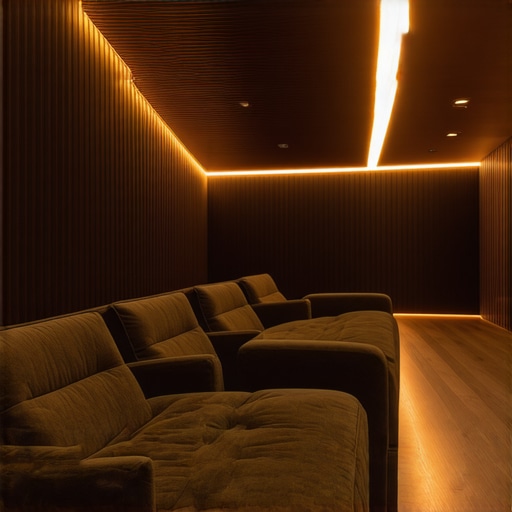
How Can Advanced Protocols Revolutionize Your Ambient Lighting?
Implementing control protocols such as DMX512 or DALI ensures granular, synchronized management of multiple lighting zones. This precision unlocks cinematic effects previously relegated to professional theaters, like synchronized dimming with on-screen action or mood-specific color transitions. These protocols support high refresh rates and flicker-free operation, critical for maintaining visual integrity during fast-paced scenes. The Control4 Blog offers insights into integrating these systems seamlessly into your setup, empowering you to craft a truly immersive environment.
For enthusiasts eager to push boundaries, collaborating with lighting professionals and utilizing software tools like Lightwright or Capture can facilitate sophisticated scene programming, elevating your home theater ambiance to a professional level.
Ensuring Longevity and Consistency in Your Lighting Investment
Selecting high-quality LED products with robust drivers and thermal management extends system lifespan and maintains spectral fidelity. High-CRI LEDs with superior build quality are less susceptible to lumen depreciation and color shifting over time. Proper electrical infrastructure, including stable power supplies and surge protection, safeguards against performance degradation. For detailed component specifications, consult the LED Supply technical guide.
Armed with these insights, you can engineer a lighting ecosystem that not only amplifies your viewing pleasure but endures the test of time, ensuring your investment continues to deliver cinematic excellence for years to come.
Expert Insights & Advanced Considerations
Precision Calibration Is Non-Negotiable
Achieving cinematic perfection hinges on meticulous spectral calibration of bias lighting. Utilizing spectroradiometers ensures accurate spectral output, reducing visual fatigue and enhancing contrast perception. Professionals acknowledge that even slight deviations can significantly impact image fidelity, making precise calibration a cornerstone of high-end home theaters.
Layered Lighting Unlocks New Depths
Implementing multi-zone LED configurations along ceiling coves, behind screens, and along walls creates a dynamic environment. This layered approach amplifies spatial perception and emotional immersion, especially when controlled via DMX or DALI protocols. Such sophistication transforms a standard setup into a true cinematic sanctuary, aligning with expert standards.
Smart Control Systems Elevate User Experience
Integrating advanced control protocols like DMX512 and DALI enables seamless synchronization of ambient lighting with media content. Automated scene adjustments respond to cinematic cues, heightening immersion. Voice commands and mobile app integrations further streamline operation, offering a future-proof, professional-grade setup.
Choose High-CRI, Flicker-Free LEDs
Only premium LED strips with a CRI of 90+ and flicker-free drivers guarantee color accuracy and visual comfort. Such quality components prevent spectral spillover and color shifting, maintaining the integrity of high-definition content. Investing in top-tier LEDs ensures longevity and consistent performance, critical for discerning enthusiasts.
Curated Expert Resources
- Creating Immersive Ambiance guide – An authoritative resource detailing layered LED schemes and calibration techniques for optimal cinematic impact.
- IEEE Transactions on Consumer Electronics – Offers cutting-edge research on spectral calibration and visual ergonomics essential for professional setups.
- Control4 Blog on Advanced Lighting Control – Insights into integrating automation protocols for dynamic, synchronized ambient lighting.
- Lighting Industry Professional Forums – Platforms where experts discuss practical installation tips, component selection, and troubleshooting.
- Spectroradiometer and CalMAN Software Guides – Technical resources for precise spectral measurement and calibration practices.
Final Expert Perspective
In the realm of home theater lighting, mastering bias lighting demands an expert-level approach—combining precise spectral calibration, layered multi-zone configurations, and sophisticated control systems. These elements collaboratively elevate visual fidelity, reduce fatigue, and craft an immersive cinematic environment. For those committed to excellence, engaging with authoritative resources and consulting industry professionals can transform your setup from good to extraordinary. Ready to push your home’s cinematic boundaries? Explore our comprehensive guide to immersive ambiance and connect with specialists today to begin your journey toward perfection.



Leave a Reply