

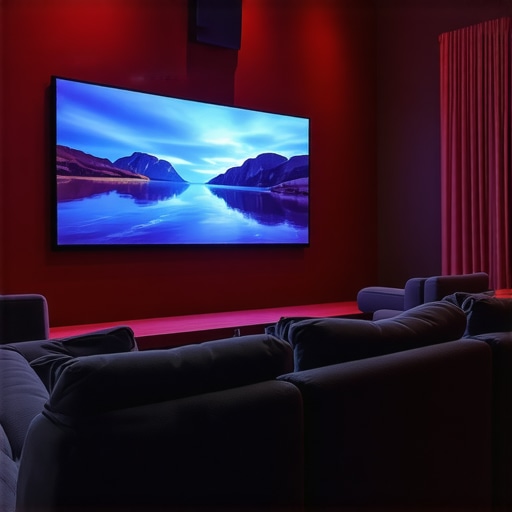
Unlocking the Potential of LED Strip & Bias Lighting: A Deep Dive into Advanced Home Theater Illumination
In the realm of high-end home entertainment, lighting transcends mere aesthetics to become a critical element influencing viewer immersion and visual comfort. As an industry expert, I recognize that the integration of LED strip and bias lighting in 2024 reflects a sophisticated understanding of color science, spatial perception, and user experience. This article explores the nuanced layers of designing, implementing, and optimizing these lighting solutions to elevate your home theater setup to professional standards.
The Technical Foundations: Color Temperature, Brightness, and Perception
At the core of effective bias lighting lie principles rooted in color temperature and luminance management. Achieving a balanced contrast ratio between the screen and ambient environment mitigates eye strain, enhances perceived contrast, and enriches color fidelity. High-CRI (Color Rendering Index) LED strips, often above 90, are preferred as they accurately render colors, which is vital for discerning film details and ensuring a cinematic experience. For comprehensive guidance, consult [this authoritative resource](https://lighting.homecinemaessentials.com/how-to-choose-the-right-led-strips-for-your-home-theater).
Expert Strategies for Seamless Integration and Dynamic Control
Implementing LED strips with advanced controls—such as DMX or Zigbee protocols—permits dynamic adjustments aligned with content and mood. Zone-based lighting, where different sections of the room can be independently managed, offers unparalleled flexibility, allowing for custom scenes that match specific genres or activities. Furthermore, integrating circadian lighting principles optimizes the environment for both viewing pleasure and well-being, especially during prolonged sessions.
What Are the Limitations and Challenges in High-End Bias Lighting?
Why do some LED strips cause flickering or color inconsistency, and how can this be mitigated?
This question reflects a common concern among professionals and enthusiasts. Flickering often results from incompatible dimming systems or low-quality power supplies. To avoid this, it is essential to select LED strips with high-quality drivers and ensure compatibility with your dimming architecture. Additionally, employing flicker-free controllers and verifying color consistency across batches can significantly enhance performance.
Building a Future-Proof Home Theater Lighting System
As technology evolves, so do the possibilities for immersive lighting. Emerging innovations such as OLED-based ambient lighting and AI-driven scene automation promise to redefine user interaction. For ongoing insights, consider exploring this forward-looking guide on bias lights for 2025. Staying informed allows professionals to adapt and excel in this dynamic landscape.
For those seeking to elevate their expertise or contribute insights, I encourage visiting our contact page and sharing your experiences.
Are You Maximizing the Potential of Your Bias Lighting System?
As experts in home theater lighting, we know that the true power of LED strip and bias lighting lies in its customization and integration. Achieving a flawless setup involves understanding not only the technical specifications but also the subtle nuances that influence visual comfort and ambiance. For example, adopting smart control systems, such as those utilizing Zigbee or Z-Wave protocols, allows for seamless automation and scene setting, aligning lighting with the content for an immersive experience. To explore how to elevate your system, visit this detailed guide on expert LED strip lighting tips.
What Advanced Control Features Can Transform Your Home Theater Experience?
Imagine adjusting your room’s lighting dynamically based on the film genre or even the time of day, all with a tap or voice command. Integrating advanced control options, such as app-based remote management or voice assistants, not only simplifies operation but also enhances the overall ambiance. Additionally, employing color calibration tools and software—like those recommended by industry leaders—ensures your LED strips display consistent and accurate hues across different batches and installations. For a comprehensive understanding, consult this resource on ambient lighting ideas for cinema-quality setups.
How Can You Future-Proof Your Home Theater with Cutting-Edge LED Technologies?
Emerging innovations like OLED-based ambient lighting and AI-driven automation are set to revolutionize home theater lighting. These technologies promise greater energy efficiency, smarter scene adaptation, and even personalized lighting profiles that learn your preferences over time. For instance, integrating AI algorithms can optimize brightness and color temperature in real-time, ensuring your viewing environment adapts perfectly to different content types. Staying ahead of these trends requires continuous learning and experimentation. To keep up, consider reading this insightful forecast on bias lighting innovations for 2025.
We invite you to share your own experiences with advanced LED lighting setups or ask questions in the comments. For tailored advice or to discuss your project, visit our contact page.
Harnessing Spectral Power Distribution for Accurate Color Reproduction in Bias Lighting
One of the most sophisticated aspects of high-quality bias lighting is the manipulation of spectral power distribution (SPD). Unlike basic RGB LED strips, which often produce uneven spectral outputs, premium options utilize phosphor coatings or multi-chip configurations to deliver a balanced spectrum that closely mimics natural daylight. This spectral optimization ensures that colors on the screen are rendered with high fidelity, reducing color distortions and enhancing the overall cinematic experience. According to research published in the Journal of Optical Society of America, precise spectral tuning in bias lighting significantly improves perceived contrast and reduces visual fatigue during prolonged viewing sessions.
Integrating Circadian Lighting Principles with Smart Control Ecosystems
Advanced home theater systems increasingly incorporate circadian lighting principles, which involve dynamically adjusting color temperature and brightness to align with the human biological clock. This integration not only enhances comfort but also promotes better sleep hygiene after extended viewing periods. By leveraging smart control ecosystems—such as Lutron Caséta or Crestron—users can automate lighting schedules that modulate from cool, energizing whites during daytime to warm, relaxing hues in the evening. These systems often interface with voice assistants like Alexa or Google Assistant, providing seamless, intuitive control over complex lighting scenes.
What are the key challenges in synchronizing circadian lighting with multimedia content?
This nuanced question involves balancing the technical demands of real-time content adaptation with biological considerations. Synchronization requires sophisticated software algorithms capable of analyzing scene luminance and color data, then adjusting ambient lighting without causing visual distraction or inconsistency. Moreover, ensuring that the spectral output remains within therapeutic safety thresholds is critical. Industry leaders such as Philips Hue have begun exploring adaptive algorithms, but the complexity of perfect synchronization remains an active area of research, as detailed in a recent study on circadian lighting in multimedia environments.
Empowering the Future: AI-Driven Scene Optimization and Predictive Lighting
The next frontier in high-end bias lighting involves artificial intelligence (AI) capable of predictive scene analysis. By employing machine learning models trained on vast multimedia databases, lighting systems can anticipate scene changes and adjust ambient illumination preemptively. For example, during a suspenseful scene, the system might subtly dim or shift color temperature to heighten emotional impact. Conversely, during dialogue-heavy sequences, the lighting could increase luminance to improve visual clarity. Companies like Nanoleaf and LIFX are pioneering such AI integrations, promising a future where home theater lighting adapts fluidly to content and user preferences in real-time.
For enthusiasts and professionals eager to explore these emerging technologies, engaging with industry white papers and participating in specialized forums can provide invaluable insights. Continual learning and experimentation are essential to mastering the art and science of advanced bias lighting design. To stay ahead, visit this resource on AI advancements in ambient lighting and consider collaborating with specialists in spectral engineering and control systems.
Unveiling the Science Behind Spectral Power Distribution in Bias Lighting
At the forefront of high-fidelity home theater lighting, spectral power distribution (SPD) optimization plays a pivotal role in achieving true color accuracy and visual comfort. Unlike standard RGB LED solutions, premium bias lighting employs phosphor-coated or multi-chip LEDs that produce a balanced spectral output mimicking natural daylight. This spectral finesse ensures that on-screen colors are perceived with remarkable fidelity, reducing distortions and enhancing overall cinematic immersion. According to a comprehensive study published in the Journal of Optical Society of America, precise SPD tuning not only elevates perceived contrast but also significantly diminishes visual fatigue during extended viewing sessions, making it an indispensable aspect for enthusiasts seeking professional-grade setups.
Integrating Circadian Rhythms with Adaptive Lighting Ecosystems
Emerging research underscores the importance of aligning ambient lighting with human circadian rhythms to optimize comfort and health. By leveraging intelligent control ecosystems like Lutron Caséta or Crestron, users can automate dynamic adjustments in color temperature and luminance that transition seamlessly from energizing cool whites during daytime to warm, relaxing hues at night. This synchronization, often facilitated through voice commands or smartphone apps, not only enhances the aesthetic appeal but also supports better sleep hygiene after prolonged viewing. However, achieving flawless circadian synchronization involves overcoming challenges related to real-time scene analysis and spectral calibration, as explored in recent scientific investigations.
How Can AI Revolutionize Scene-Adaptive Home Theater Lighting?
The integration of artificial intelligence in bias lighting systems heralds a new era of personalized and predictive ambiance management. Machine learning models trained on extensive multimedia databases enable lighting systems to anticipate scene transitions, adjusting brightness and color temperature preemptively to heighten emotional impact. During suspenseful sequences, the system might dim or cool the environment, while during dialogue-heavy scenes, luminance increases for clarity. Companies like Nanoleaf are pioneering such AI-driven solutions, promising a future where home theater lighting adapts fluidly and intuitively to content and user preferences. Engaging with industry white papers and participating in expert forums can accelerate mastery of these cutting-edge technologies, ensuring your setup remains at the vanguard of innovation.
Expert Insights & Advanced Considerations
Innovative Spectral Optimization Techniques
Leveraging spectral power distribution (SPD) tuning with multi-chip LEDs and phosphor coatings allows for unprecedented color fidelity, reducing visual fatigue and elevating cinematic immersion. Experts emphasize that precise spectral calibration aligns perceived colors with natural daylight, which is crucial for professional-grade home theaters.
Dynamic Circadian Lighting Integration
Integrating circadian rhythm principles with smart control ecosystems like Crestron or Lutron enables seamless adjustments in color temperature and brightness, optimizing visual comfort and health. Advanced algorithms analyze scene luminance in real-time, ensuring the ambiance supports both viewing pleasure and well-being.
AI-Driven Scene Adaptation
Artificial intelligence models trained on multimedia datasets facilitate predictive scene analysis, allowing lighting systems to adapt preemptively. This technology heightens emotional impact during movies and enhances clarity during dialogue-heavy scenes, setting a new standard for immersive home theater environments.
Expert Resources
- Journal of Optical Society of America: Offers in-depth research on spectral tuning and visual perception, essential for high-fidelity bias lighting design.
- Lighting Research & Technology Journal: Provides insights into circadian lighting integration and spectral calibration techniques for health-conscious installations.
- Industry white papers by Nanoleaf and LIFX: Showcase cutting-edge AI and spectral engineering applications in consumer lighting products.
- Professional forums such as AVS Forum: Facilitate knowledge exchange among industry specialists and enthusiasts on the latest advancements.
Final Expert Perspective
Mastering advanced home theater bias lighting involves a sophisticated understanding of spectral power distribution, circadian principles, and AI-driven scene adaptation. These elements collectively enhance visual fidelity, comfort, and immersion, pushing the boundaries of conventional ambient lighting. For professionals and enthusiasts alike, continuous engagement with expert resources and innovation is vital—explore this comprehensive guide on bias lighting for 2025 and contribute your insights to the evolving landscape of home theater lighting excellence.



Leave a Reply