

Elevate Your Home Theater Experience with Expert LED Lighting Integration
In the realm of audiovisual excellence, ambient lighting significantly influences viewer immersion and emotional engagement. As a professional in home theater design, I recognize that the strategic deployment of bias lights and LED strip lighting transcends basic illumination, offering a nuanced palette for creating truly cinematic atmospheres. This article explores advanced design principles and innovative techniques to harness LED technology effectively, transforming ordinary spaces into immersive entertainment sanctuaries.
Harnessing the Power of Lumen Control and Color Dynamics for Visual Harmony
One of the pivotal challenges in home theater lighting is achieving a balance between brightness and contrast. Employing variable lumen outputs in LED strips allows for adaptable illumination levels that respond to content, thus minimizing glare and enhancing perceived contrast ratios. Additionally, integrating color temperature modulation—from warm ambers to cool whites—enables precise control over ambiance, aligning with the emotional tone of the film or game. This meticulous calibration ensures that lighting complements rather than competes with the visual content, upholding professional standards of cinematic presentation.
Why Does Light Placement Matter in Creating Depth and Focus?
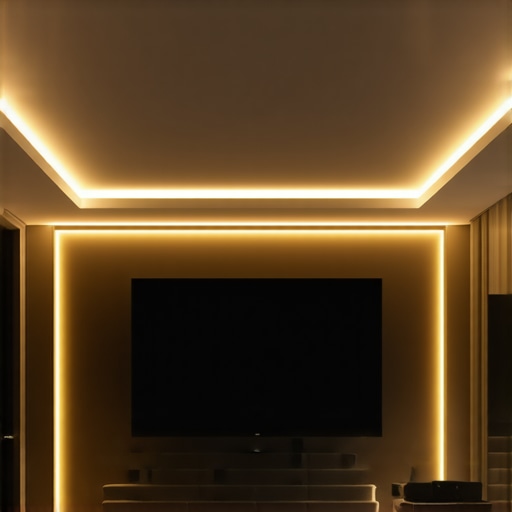
Effective LED placement is not merely about illumination but about sculpting space. Expertly positioned bias lights and backlighting reinforce depth perception, guide viewer focus, and prevent eye strain. For instance, installing LED strips behind the screen and along architectural features can produce a layered glow that enhances spatial perception, making the room feel larger and more immersive. The strategic placement also reduces visual fatigue during extended viewing sessions, a crucial consideration for high-end home theaters.
How can advanced LED configurations achieve seamless integration without distraction?
Achieving seamless integration requires meticulous planning of wiring and control systems. Employing smart controllers and DMX systems enables dynamic scene changes and synchronization with audiovisual content. This level of automation ensures lighting transitions are smooth and contextually appropriate, elevating the overall cinematic experience. Moreover, professional-grade LED strips with high CRI (Color Rendering Index) values ensure color accuracy, reinforcing realism and emotional impact.
For those seeking to refine their setup further, consulting authoritative sources such as the expert guides on ambient lighting can provide invaluable insights into the latest advancements and best practices. Your commitment to high-quality lighting design will not only enhance aesthetics but also optimize functional performance, making your home theater a benchmark of cinematic excellence.
Interested in expanding your knowledge? Explore related content on ambient lighting innovations or connect with fellow enthusiasts and professionals to exchange insights and techniques.
Refining LED Placement for Maximum Impact
Strategic positioning of LED strips is crucial to achieving a professional cinematic atmosphere in your home theater. Expertly placed LED backlights can create a sense of depth, highlight architectural features, and reduce eye strain during extended viewing sessions. For example, installing LED strips behind the screen edges, along ceiling coves, or along floor moldings can produce a layered glow that enhances spatial perception and immerses viewers in the content. Proper placement also involves considering room geometry and light spill, which can be optimized through careful planning and adjustable mounting techniques. To learn more about optimal LED placement strategies, consult our comprehensive guide on choosing the right LED strips.
Automating Your Lighting for Cinematic Magic
Automation elevates your home theater lighting from simple illumination to an immersive experience. Using smart controllers and DMX systems, you can synchronize LED lighting with movie scenes, music, or gaming events, creating dynamic visual effects that respond in real-time. This not only enhances the emotional impact but also simplifies operation, allowing you to focus on enjoying your entertainment. Advanced automation solutions support scene presets, voice commands, and even integration with home automation platforms, offering seamless control and customization. For detailed insights into automation options, explore our ultimate guide on LED strip automation.
How can professional-grade automation systems redefine your home theater experience?
Imagine a setup where lighting reacts instantaneously to on-screen action, mood shifts, or even your voice commands. Expert-level automation not only enhances immersion but also preserves the aesthetic integrity of your space by hiding wiring and controllers out of sight. By integrating high-CRI LED strips with smart controllers, you ensure accurate color rendering and smooth transitions that match cinematic scenes perfectly. Such systems also facilitate troubleshooting and updates, keeping your setup future-proof. For inspiration and practical advice, consider consulting industry leaders and authoritative sources like the expert guides on ambient backlight solutions.
Interested in exploring the latest advancements? Share your thoughts or ask questions in the comments below. If you’re eager to transform your setup further, visit our contact page for personalized advice or to suggest topics for future articles.
Innovative Techniques for Seamless LED Integration in Home Theaters
Beyond basic placement, the true art of LED lighting design lies in creating a harmonious blend of aesthetics and functionality. Utilizing fiber optic diffusers combined with LED strips allows for ultra-smooth, glare-free illumination that can be subtly concealed within architectural elements. This approach not only enhances visual coherence but also prevents hotspots, offering a more immersive experience. For instance, embedding fiber optic cables behind textured wall panels creates diffuse, even lighting that complements high-resolution displays without distracting glare, elevating the overall cinematic environment.
Leveraging Dynamic Color Calibration for Emotional Impact
Achieving accurate color reproduction in your ambient lighting setup is critical for maintaining visual fidelity. Employing spectrally calibrated LED strips, combined with advanced color management systems, ensures that the hues projected during scene transitions are consistent and emotionally resonant. This is particularly important when replicating the subtle moods of different genres—warm tones for cozy dramas or cooler shades for sci-fi thrillers. According to industry standards outlined by the IEEE Transactions on Consumer Electronics, precise color calibration enhances viewer engagement and reduces fatigue over long sessions.
How can adaptive lighting systems respond to real-time content changes?
Adaptive lighting integrates sensors and AI-driven algorithms to analyze on-screen content and adjust ambient lighting dynamically. For example, during a sunset scene, the system can gradually shift the wall colors to warmer hues, heightening emotional immersion. Implementing machine learning-based automation allows for predictive adjustments based on user preferences and viewing habits. This level of sophistication ensures that the lighting not only complements but actively enhances cinematic storytelling, creating a truly personalized environment that adapts seamlessly to content and mood.
For those seeking to push their setup to the next level, collaborating with lighting engineers and integrating professional-grade controllers can facilitate complex scene orchestration. The goal is to craft an environment where every lighting cue is synchronized flawlessly with visual and auditory stimuli, transforming your home theater into a space that rivals commercial cinemas in both ambiance and technical excellence.
Optimizing Wiring and Power Management for Aesthetic Integrity
Achieving a clutter-free installation requires meticulous planning of wiring routes and power distribution. Employing low-profile, flexible conduit systems and concealed wiring channels preserves the sleek aesthetic characteristic of high-end theaters. Additionally, integrating smart power management modules ensures stable voltage delivery and prevents flickering or color shifting caused by power fluctuations. Such measures are essential for maintaining the integrity of your lighting system over time, especially when utilizing high-CRI, color-accurate LEDs that demand consistent power supply.
Advanced power solutions also include backup systems and surge protection, safeguarding your investment against electrical anomalies. The integration of these components into a unified control system allows for seamless operation and troubleshooting, ensuring your cinematic environment remains pristine and reliable for years to come.
Engage with the Experts to Transform Your Home Cinema Lighting
Implementing these sophisticated lighting strategies requires a nuanced understanding of both technical and aesthetic principles. Consulting with professional lighting designers or specialized integrators can dramatically improve your results, providing personalized solutions tailored to your space and content preferences. For further insights into cutting-edge techniques and industry innovations, explore resources like the expert guides on home theater lighting. Whether you’re upgrading an existing setup or designing a new environment, investing in professional advice ensures your home cinema not only looks stunning but also functions flawlessly, delivering an immersive experience that rivals commercial venues.
Innovative Layering Strategies for Seamless Lighting Integration
Achieving a harmonious blend of architectural aesthetics and functional illumination requires more than just strategic placement; it demands sophisticated layering techniques. Utilizing multiple LED layers—such as recessed strips, fiber optic diffusers, and hidden cove lighting—can create a dynamic depth that responds to the content and mood. For instance, embedding fiber optics behind textured wall panels diffuses light evenly, eliminating hotspots and ensuring a consistent glow that enhances high-resolution displays.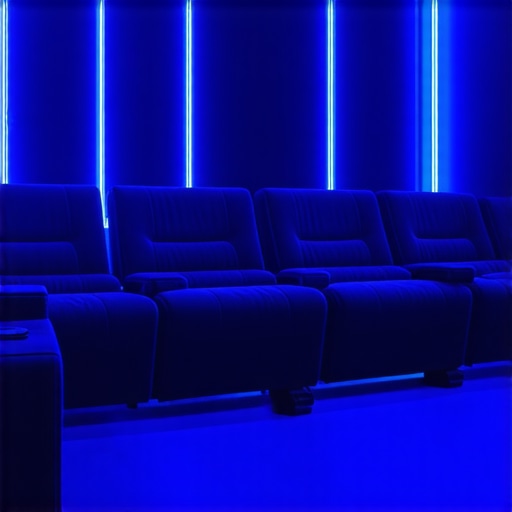
Harnessing Spectral Tuning for Emotional Precision
Beyond basic color control, spectral tuning involves adjusting the precise wavelength distribution of LED light to evoke specific emotional responses and scene authenticity. High CRI, spectrally calibrated LEDs can replicate natural lighting conditions with exceptional accuracy, vital for immersive viewing. Industry standards outlined by the IEEE emphasize that spectral fidelity directly correlates with viewer comfort and visual engagement, especially during prolonged sessions. Incorporating tunable spectral systems allows for real-time adjustments that align with cinematic atmospheres, from warm sunset hues to stark sci-fi whites.
How Can AI-Driven Content-Responsive Lighting Revolutionize Home Cinema?
Integrating artificial intelligence with your lighting system transforms passive illumination into an active storytelling partner. Advanced AI algorithms analyze on-screen content—detecting scene shifts, color palettes, and emotional tone—and dynamically adjust ambient lighting accordingly. This creates a synchronized environment where lighting enhances narrative impact, heightening immersion and emotional resonance. Implementing machine learning-based automation not only elevates user experience but also future-proofs your setup against evolving entertainment formats. For further insights, consult industry-specific sources such as the IEEE Transactions on Consumer Electronics, which explore the intersection of AI and audiovisual environments.
Power and Data Management for Flawless Aesthetic Continuity
High-end LED systems demand meticulous power and data infrastructure to maintain visual integrity. Employing low-profile, concealed wiring and intelligent power modules prevents visual clutter, preserving the room’s sleek aesthetic. Smart power management systems ensure stable voltage delivery, minimizing flicker and color shifts—crucial for high-CRI LEDs. Incorporating surge protection and backup power solutions safeguards against electrical anomalies, ensuring uninterrupted performance. These considerations are vital for maintaining consistent color accuracy and system reliability over time, especially when deploying complex, multi-layered lighting arrangements.
What Future Innovations Will Define Next-Generation Home Theater Lighting?
The horizon of home cinema lighting is set to expand with innovations like holographic projection integration, responsive ambient environments driven by biometric feedback, and even immersive scent and light synchronization. Wearable sensors could allow for personalized lighting adjustments based on viewer mood and physiological responses, creating a deeply individualized experience. Industry leaders suggest that the convergence of IoT, AI, and advanced materials will soon enable fully adaptive, intuitive lighting ecosystems that seamlessly meld with audiovisual content, setting new standards in cinematic immersion. Staying informed through authoritative sources such as the IEEE and specialized industry publications will ensure you remain at the forefront of these developments.
Harness the Power of Precision Lighting in Your Home Theater
Expertly designed LED lighting transforms your home theater from ordinary to extraordinary. By focusing on strategic placement and advanced control systems, you can create an environment that enhances visual clarity and emotional impact. Professional insights emphasize the importance of calibrating lumen output and color temperature to match content and mood, ensuring an immersive experience that rivals commercial cinemas.
Strategic Expert Tips for Optimal LED Integration
Achieving seamless integration begins with meticulous planning of wiring and positioning. Implementing smart controllers and DMX systems allows dynamic scene changes synchronized with your audiovisual content. High-CRI LED strips offer accurate color rendering, vital for maintaining visual fidelity and reducing viewer fatigue during long sessions. Incorporate fiber optic diffusers and layered lighting to eliminate hotspots and create depth, further elevating your cinematic environment.
Top Resources for Advanced Home Theater Lighting
- Lighting Home Cinema Essentials Guides: Comprehensive manuals on choosing and installing LED strips, with expert-backed techniques for achieving professional results.
- IEEE Transactions on Consumer Electronics: Industry-standard research on spectral fidelity and color calibration, essential for high-end setups.
- Industry-Led Automation Solutions: Reviews and case studies on integrating AI and machine learning for adaptive, content-responsive lighting systems.
- Home Theater Design Forums: Peer discussions and expert advice on troubleshooting, upgrades, and emerging trends.
Refined Perspective from the Experts
In the realm of home theater lighting, mastering LED integration is about more than just illumination; it’s about crafting a narrative through light. Precision in placement, control, and calibration unlocks a level of immersion that elevates entertainment to an art form. For enthusiasts aiming for professional-grade results, collaborating with seasoned lighting designers and leveraging authoritative resources is non-negotiable. Your next step? Engage with industry experts, explore cutting-edge automation, and continually refine your setup to stay ahead in cinematic innovation.



Leave a Reply