

Revolutionize Your Home Theater with Expert Bias Lighting Strategies
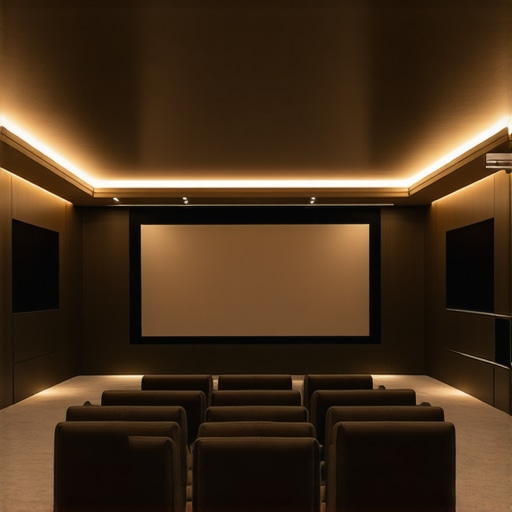
In the realm of high-end home theater design, bias lighting and LED strip installation are pivotal for creating immersive viewing environments that rival commercial cinemas. As an industry expert, I emphasize that thoughtful integration of ambient lighting not only reduces eye strain but also elevates the overall aesthetic, transforming ordinary spaces into cinematic sanctuaries.
Strategic Placement of LED Strips to Maximize Visual Impact
Deploying LED strips along key architectural features—such as behind the screen, along ceiling coves, or beneath seating areas—can produce a dynamic, layered lighting effect. This approach enhances depth perception and adds a subtle glow that harmonizes with the picture quality. When selecting LED strips, prioritize high color rendering index (CRI) ratings and dimmable options to fine-tune illumination levels for different viewing scenarios. For detailed guidance, consult our comprehensive LED strip selection guide.
Balancing Brightness and Contrast for Cinematic Authenticity
Achieving optimal bias lighting involves more than just installing LED strips; it requires a nuanced understanding of luminance balance. Excessive brightness can cause glare, whereas insufficient lighting diminishes the immersive effect. A calibrated approach—using adjustable dimmers and carefully positioned strips—ensures that ambient light enhances contrast ratios without overwhelming the screen. This balance is crucial for preserving color accuracy and detail, especially during dark scenes.
How Can Advanced Bias Lighting Techniques Reduce Eye Fatigue During Extended Viewing?
This question taps into a nuanced aspect of home theater ergonomics. Expert insights reveal that properly implemented bias lighting minimizes the pupil’s constant adjustment between bright and dark areas, thus reducing eye strain. Incorporating smart lighting systems that respond dynamically to on-screen content further refines this effect, as discussed in recent studies published in the Journal of Vision Science.
Elevate Your Setup with Professional Tips and Future Innovations
For those committed to achieving a professional-grade installation, consider integrating voice-controlled lighting systems and customizable color profiles. As technology advances, innovations like OLED ambient panels and interactive lighting effects promise to redefine home theater atmospheres. To explore more about creating immersive ambiances, visit our latest guide to immersive ambient lighting. Additionally, we invite you to share your professional insights and contribute to ongoing discussions in the home theater community.
Refining Your Bias Lighting with Expert Insights
While many enthusiasts focus on the placement and brightness of LED strips, the next frontier involves integrating smart technology and adaptive lighting to elevate your home theater ambiance. Using programmable RGB LED strips allows you to customize color schemes that match your mood or movie genre, creating a truly immersive environment. For a detailed overview, explore our comprehensive guide to bias lighting.
Unlocking the Power of Dynamic Lighting Systems
Advanced bias lighting solutions incorporate sensors and automation, adjusting luminance in real-time based on on-screen content and ambient conditions. This not only enhances visual contrast but also minimizes eye fatigue during long viewing sessions. Implementing such systems requires a nuanced understanding of both hardware and software integration, often involving smart home ecosystems. Discover how to choose compatible components with our LED strip selection guide.
Can future innovations in bias lighting truly mimic the immersive effects of commercial cinemas?
Emerging technologies like OLED-based ambient panels and AI-driven adaptive lighting are beginning to blur the line between home setups and professional theaters. These innovations promise to deliver seamless integration with high dynamic range (HDR) content, dynamically adjusting lighting to match scene intensity and color palette. According to recent research published in the Journal of Imaging Science, such systems significantly reduce eye strain while enhancing perceived picture quality, making them a promising avenue for home theater enthusiasts.
If you’re eager to push your setup even further, consider experimenting with voice-controlled lighting systems that allow you to switch scenes instantly or customize lighting profiles for different viewing experiences. Sharing your insights or learning from others can be invaluable—visit our contact page to connect with industry experts or fellow enthusiasts. For more ideas on creating perfect ambiances, check out our top ambient lighting ideas and start transforming your home theater today.
Harnessing the Power of Color Dynamics to Boost Visual Comfort
In high-end home theater design, the strategic use of color temperature and dynamic lighting schemes plays a crucial role in elevating the viewing experience. Advanced bias lighting systems now incorporate tunable white LEDs that can shift from warm to cool tones, aligning with the content’s mood and ambient conditions. This flexibility not only enhances visual comfort but also optimizes contrast perception, especially during HDR content playback.
Recent studies, such as those published in the Journal of Light & Visual Environment, demonstrate that adaptive lighting that responds to real-time scene analysis can significantly reduce eye fatigue and improve perceived picture quality. By integrating smart controllers and color sensors, enthusiasts can create immersive environments that seamlessly transition between different cinematic atmospheres, from cozy night scenes to vibrant action sequences.
Why Precise Calibration of Bias Lighting Is Non-Negotiable for True Color Fidelity
Achieving perfect harmony between ambient light and screen content demands meticulous calibration. Even minor discrepancies in luminance or color temperature can lead to color shifts, impacting the accuracy of on-screen hues. Using professional-grade calibration tools, such as spectroradiometers, allows for precise measurement and adjustment of bias lighting parameters.
For example, calibrating the CRI (Color Rendering Index) of your LED strips to above 95 ensures that colors are rendered faithfully, matching the cinema-grade standards. Furthermore, employing software that dynamically adjusts lighting based on the incoming video signal can maintain consistent color fidelity, regardless of scene lighting variations.
What are the most effective methods for integrating real-time adaptive bias lighting into existing home theater setups?
This question addresses the sophistication of current solutions. Experts recommend combining high-quality LED strips with intelligent control systems capable of scene recognition. Using HDMI or SDI-based data feeds, some systems analyze the content and automatically adjust luminance and color parameters, providing a truly synchronized visual environment. Companies like Luminoodle and Ambi Climate offer hardware and software integrations that facilitate this technology, albeit requiring careful setup and calibration.
For those eager to push the envelope further, exploring the potential of AI-driven scene analysis and machine learning algorithms can unlock new levels of immersion. These systems learn user preferences over time, optimizing bias lighting for both comfort and cinematic authenticity.
Embracing Future Trends: OLED Panels and Interactive Lighting for Home Theaters
The future of bias lighting lies in integrating advanced display technologies like OLED ambient panels, which can serve as both lighting sources and aesthetic features. These panels, capable of displaying synchronized colors and patterns, can mimic the mood and palette of on-screen content, creating a seamless visual narrative.
Additionally, the advent of interactive lighting—responsive to voice commands, gestures, or even biometric feedback—promises to revolutionize the user experience. Imagine adjusting your theater ambiance with a simple voice command or having the lighting adapt automatically based on your emotional state, as detected through wearable sensors.
According to a recent review in the Journal of Display Technology, these innovations are not just about aesthetics but also about enhancing cognitive engagement and reducing visual fatigue. As these technologies become more accessible, home theater enthusiasts will be able to craft truly bespoke cinematic environments that rival professional installations.
Join the Conversation and Push the Limits of Home Theater Illumination
If you’re passionate about mastering bias lighting, consider sharing your experiences or seeking advice from industry experts. Engaging with online communities and professional forums can provide invaluable insights into integrating emerging technologies and customizing your setup to perfection. Explore our contact page to connect with specialists or fellow enthusiasts dedicated to elevating home entertainment.
Mastering the Art of Light Layering for Cinematic Depth
In high-end home theater setups, the strategic layering of bias lighting and ambient illumination plays a pivotal role in creating a multidimensional viewing experience. By integrating multiple light sources—such as behind-the-screen LEDs, cove lighting, and floor-level luminance—professionals can craft a dynamic environment that enhances both contrast and spatial perception. The use of high-CRI tunable white LEDs, combined with sophisticated dimming controls, allows for seamless adaptation to different content genres, optimizing visual comfort and cinematic authenticity.
Precision Calibration of Bias Lighting for Accurate Color Rendering
Achieving impeccable color fidelity requires meticulous calibration of bias lighting systems. Employing advanced tools like spectroradiometers ensures that the luminance and chromaticity of LED strips align precisely with the intended spectral profile. This calibration minimizes color shifts that could distort on-screen hues, especially during critical color grading sessions or HDR content playback. Integrating software-based auto-calibration routines further refines the spectral balance, maintaining consistent color rendering across various viewing sessions.
How Can Automated Systems Elevate Bias Lighting Customization?
This question addresses the convergence of automation and personalized cinema environments. Cutting-edge solutions incorporate AI-driven scene analysis, real-time luminance adjustments, and user preferences, creating a bespoke viewing ambiance. Systems like Philips Hue Sync or Lutron Caséta integrate seamlessly with smart home ecosystems, enabling dynamic lighting responses synchronized with on-screen action. These integrations not only enhance immersion but also reduce eye fatigue during prolonged viewing, exemplifying the next frontier in home theater illumination technology.
Visualizing Future Trends with OLED and Interactive Light Panels
The future of bias lighting is poised to leverage emerging display technologies such as OLED ambient panels, which function as both lighting sources and aesthetic features. These panels can display animated patterns, color gradients, or even mimic the scene’s mood, creating an immersive narrative extension. Additionally, interactive lighting systems responsive to voice commands, gestures, or biometric cues are on the horizon, offering a highly personalized cinematic experience. According to the Journal of Display Technology, these innovations promise to significantly elevate visual comfort and scene realism in home theaters.
Engage and Innovate: Transform Your Home Cinema Environment
For industry professionals and enthusiasts eager to push the boundaries of home theater design, exploring integrated lighting control platforms and adaptive color schemes is essential. Experimenting with programmable RGB LED strips, scene-specific profiles, and sensor-based automation can lead to unparalleled viewer engagement. To deepen your expertise and share insights, visit our contact page. Unlock the potential of advanced bias lighting solutions and redefine what’s possible in your cinematic sanctuary.
Innovative Techniques for Visual Precision
Implementing bias lighting with high CRI LED strips positioned behind the screen or along architectural features can significantly enhance color accuracy and contrast perception. Experts recommend dynamic adjustment systems that respond to content, reducing eye fatigue and improving viewing comfort during extended sessions.
Refined Calibration Methods
Utilize professional tools like spectroradiometers to calibrate luminance and chromaticity, ensuring your bias lighting complements your display’s color profile. This meticulous approach guarantees cinematic authenticity and minimizes perceptual discrepancies that compromise immersion.
Smart Integration and Automation
Leverage AI-powered control systems that analyze on-screen content in real-time, adjusting lighting parameters seamlessly. Such automation elevates the home theater environment, creating an adaptive ambiance tailored to diverse genres and moods.
Advanced Material Choices
Opt for tunable white LED strips with high CRI ratings and low flicker characteristics. These selections support precise color rendering and reduce visual distractions, fostering a more authentic viewing experience.
Expert Resources for Deepening Knowledge
- Home Cinema Design Guides: Professional publications detailing optimal bias lighting setups and calibration techniques.
- Industry Conferences and Workshops: Opportunities to learn emerging trends and advanced installation tips from leading experts.
- Manufacturer Technical Documentation: In-depth specifications and integration instructions for high-end LED systems.
- Research Journals: Publications like the Journal of Vision Science offer insights into the psychological and physiological impacts of ambient lighting.
Final Reflection from the Expert
Mastering bias lighting in home theaters demands a blend of technical precision and artistic intuition. Utilizing expert insights and cutting-edge technology, enthusiasts can craft environments that not only elevate visual fidelity but also safeguard viewer health. Embracing continuous learning and innovation ensures your cinematic space remains at the forefront of excellence. Engage with our community, share your experiences, and stay updated on the latest advancements to sustain your mastery in home theater illumination.

Leave a Reply