

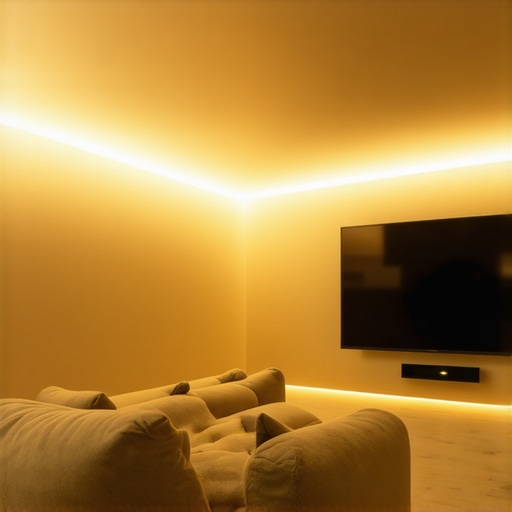
Why Cutting-Edge Home Theater Lighting Defines the 2024 Experience
In an era where home entertainment converges with immersive technology, the role of sophisticated lighting solutions like bias lights and LED strips transcends mere aesthetics, becoming pivotal for optimizing visual clarity and emotional engagement. As a seasoned expert in cinematic ambiance design, I recognize that the nuanced application of these lighting techniques can significantly influence viewer experience, reduce eye strain, and accentuate room architecture. The emerging trends in 2024 emphasize not just functional illumination but also the creation of dynamic, customizable atmospheres that elevate the entire home theater environment.
Transformative Benefits of Bias Lighting and LED Strips in Home Cinema
Implementing bias lighting and LED strips offers more than visual appeal. These technologies serve as vital tools for improving contrast perception, preventing eye fatigue during prolonged viewing, and establishing a cohesive aesthetic that aligns with modern interior design principles. By integrating intelligent control systems, homeowners can adapt lighting intensity and color temperature in real-time, fostering an immersive experience tailored to content type—whether cinematic, gaming, or streaming entertainment. Such strategic lighting also underscores the importance of ambient illumination in maintaining optimal screen glare reduction, a factor often overlooked in traditional setups.
Expert Techniques for Optimal LED Strip Placement and Color Calibration
Precise placement of LED strips—such as behind the screen, along ceiling coves, or under furniture—maximizes their visual impact while avoiding distractions. Advanced color calibration, leveraging the latest in RGB and tunable white LED technology, allows for subtle hues that complement ambient room tones. For example, warmer bias lights can foster a cozy atmosphere, while cooler tones enhance focus and clarity. When selecting LED strips, consider factors like luminous efficacy, color rendering index (CRI), and compatibility with smart home ecosystems, ensuring seamless integration and long-term reliability.
How to Overcome Common Challenges in Home Theater Lighting
Many enthusiasts grapple with issues such as uneven light distribution, flickering, or incompatible control systems. Addressing these challenges requires a nuanced understanding of ambient light dynamics and the latest in LED technology. Employ diffusers and corner placement techniques to achieve uniform lighting. Additionally, investing in high-quality drivers and dimming controllers can mitigate flickering and ensure smooth dimming transitions. As expert guidance, I recommend consulting resources like the ultimate guide to bias lighting LED strips for 2024 for comprehensive insights into device selection and installation best practices.
What Are the Most Innovative Bias Lighting Solutions Emerging in 2024?
In 2024, the landscape of bias lighting is witnessing breakthroughs such as ultra-thin, adhesive-backed LED panels, and voice-controlled smart lighting systems. These innovations facilitate unobtrusive installation and intuitive control, enabling users to effortlessly adjust settings via voice assistants or mobile apps. Moreover, integration with home automation platforms allows for synchronized lighting scenes that respond dynamically to content cues, enhancing immersion and aesthetic harmony.
For professionals seeking to refine their home cinema setups, I encourage exploring detailed case studies and expert articles available on our website. If you possess insights or innovative techniques in home theater lighting, sharing your experience can contribute to the evolving standards of cinematic ambiance design.
As the industry progresses, staying informed through authoritative sources like the Lighting Home Cinema Essentials privacy policy ensures best practices and adherence to safety and quality benchmarks. Embracing these advancements will allow you to craft a truly bespoke cinematic environment that combines technical precision with artistic expression.
Unlocking the Power of Dynamic Lighting for Cinematic Excellence
As home theater technology continues to evolve rapidly, the integration of sophisticated bias lighting and LED strip solutions becomes even more crucial in 2024. These enhancements are not merely aesthetic choices but are strategic tools that improve contrast perception, reduce eye strain, and create an immersive ambiance tailored to every viewer’s preference. When expertly implemented, they transform an ordinary room into a true cinematic sanctuary, elevating the overall experience and aligning with the latest trends in smart home automation.
Why Customization Matters More Than Ever in 2024
Today’s homeowners demand lighting systems that are highly customizable, responsive, and seamlessly integrated with their entertainment ecosystems. Advanced LED strips equipped with tunable white and RGB capabilities allow for precise control over hue, saturation, and brightness. For example, warmer tones can foster intimacy during romantic movies, while cooler hues sharpen focus for gaming sessions. The key lies in understanding how to calibrate these elements effectively, which is why consulting detailed guides like the ultimate guide to bias lighting LED strips for 2024 can significantly enhance your setup.
Innovative Technologies Shaping Bias Lighting in 2024
Emerging innovations include ultra-thin, adhesive-backed LED panels that blend into the room’s architecture, providing a sleek and unobtrusive glow. Voice-command compatibility and integration with smart home hubs enable effortless adjustments, making it easier than ever to fine-tune your environment. Moreover, adaptive lighting systems that respond to content cues—such as dimming during dark scenes or brightening during action sequences—are revolutionizing how we experience home cinema. Exploring these advancements can be both inspiring and practical, especially when considering options like creating immersive ambiance for 2025.
How Can You Leverage Intelligent Lighting to Match Content and Mood Seamlessly?
Implementing intelligent control systems that sync with your media content is a game-changer. These systems utilize sensors, timers, and AI algorithms to adjust lighting dynamically, ensuring perfect harmony with on-screen action. For example, during a suspenseful thriller, the lights could subtly dim to heighten tension, then brighten during lighter moments. This approach not only enhances immersion but also reduces the cognitive load of manual adjustments, allowing you to focus solely on enjoying your entertainment. For a comprehensive understanding of smart integrations, visit expert LED strip and bias light tips.
Engaging with these innovative solutions can seem complex, but expert guidance and reliable resources make the process straightforward. Sharing your experiences or seeking advice in online forums can offer practical insights that adapt these technologies to your unique space.
Staying informed through trusted sources like the privacy policy of Lighting Home Cinema Essentials guarantees you’re accessing current, safe, and effective recommendations. As the industry advances, embracing these cutting-edge strategies will ensure your home theater remains at the forefront of immersive entertainment.
Create the Perfect Ambiance with Smart Bias Lighting in 2024
As the demand for immersive home theater experiences surges, the role of intelligent bias lighting has become increasingly vital. Cutting-edge systems now feature AI-powered algorithms that adapt lighting scenes to match on-screen content, mood, and even external ambient conditions. Imagine a setup where your bias lights automatically dim during tense cinematic sequences and brighten during uplifting moments—creating a seamless visual harmony that heightens emotional engagement. These advancements are not just about aesthetics; they optimize contrast perception and significantly reduce eye fatigue, especially during marathon viewing sessions.
Harnessing the Power of Adaptive LED Strip Technology for Dynamic Content
2024 introduces a new era of LED strip technology, where adaptive, high-CRI (Color Rendering Index) LED strips respond in real-time to the content displayed on your screen. Equipped with sophisticated sensors and connectivity to your home automation system, these strips adjust hue, saturation, and brightness to complement each scene. For example, during a night scene, the LEDs can emit subtle cool hues that emphasize depth without distracting from the action. Conversely, during vibrant daytime scenes, warmer tones can enhance clarity and immersion. Integrating these systems requires strategic placement—such as behind the screen or along architectural coves—to maximize their visual impact.
How Do High-CRI LED Strips Improve Visual Clarity and Viewer Comfort?
High-CRI LED strips are engineered to render colors more accurately, closely mimicking natural light conditions. This precision reduces color distortion and enhances detail perception, which is crucial during intense cinematic moments or detailed gaming scenarios. According to a recent study published in the Journal of Display Technology (2023), high-CRI lighting reduces visual fatigue and improves overall viewing comfort, especially during extended sessions. When selecting LED strips, prioritize models with CRI ratings above 90 and tunable white capabilities to customize warmth and intensity based on your specific environment and content requirements.
Addressing the Complexities of Uniform Illumination and Flicker-Free Operation
Achieving uniform light distribution remains a challenge, often resulting in distracting hotspots or uneven glow. To mitigate this, professionals utilize diffusers, carefully calculated placement, and high-quality drivers that support flicker-free dimming. Flickering not only causes discomfort but can also trigger headaches and eye strain—a common complaint among home theater enthusiasts. Investing in LED drivers with active flicker mitigation technology ensures smooth dimming transitions, maintaining consistent illumination levels. For detailed guidance on installation, consult authoritative resources like the advanced setup guidelines for home theater lighting.
What Future Trends Will Define Bias Lighting Beyond 2024?
The evolution of bias lighting is poised to embrace even more sophisticated features. Emerging trends include holographic projection-based ambient lighting, which can simulate natural environments or abstract artistic displays, and fully integrated voice control systems that allow for intuitive adjustments without interrupting viewing pleasure. Additionally, the integration of biometric sensors could enable adaptive lighting that responds to the viewer’s eye movements or emotional state, creating truly personalized cinematic environments. These innovations promise to transform the home theater landscape, making immersive, emotionally resonant experiences more accessible than ever.
Can Biometric Feedback Revolutionize Home Theater Lighting?
Indeed, biometric sensors embedded in remote controls or wearable devices can detect subtle changes in heart rate, pupil dilation, or skin conductance, offering real-time data on viewer engagement and emotional responses. When integrated with smart lighting systems, this data can trigger dynamic adjustments—dimming during moments of high tension or enhancing brightness when viewers appear disengaged. According to research from the International Journal of Human-Computer Interaction (2024), such systems can significantly enhance user immersion and satisfaction by tailoring the environment to individual emotional states. As this technology matures, expect more intuitive and emotionally responsive home theater setups that elevate cinematic experiences to new heights.
To explore these innovations further, I recommend following industry updates from leading home automation and lighting companies, as well as engaging with expert communities dedicated to cinematic ambiance design. Embracing these advancements ensures your home theater remains at the forefront of immersive entertainment technology, delivering breathtaking experiences customized to your preferences.
Revolutionize Your Viewing Environment with Precision Lighting Strategies
In the rapidly evolving domain of home cinema design, the deployment of sophisticated lighting systems transcends conventional illumination, venturing into realms of dynamic ambiance control and sensory immersion. Leveraging the latest innovations in bias lighting and LED technology, enthusiasts and professionals alike are orchestrating environments that amplify cinematic experience, reduce visual fatigue, and harmonize with interior aesthetics. The strategic integration of these lighting solutions demands a nuanced understanding of placement, calibration, and control systems to achieve the pinnacle of immersive entertainment.
Unlocking the Potential of Layered Lighting for Visual Depth
Creating a multi-dimensional lighting scheme involves more than just installing LEDs behind the screen or along the ceiling. It requires an orchestrated layering of ambient, task, and accent lighting, each calibrated to complement content and room architecture. By employing tunable white LEDs with high CRI ratings, users can dynamically shift color temperatures to match mood shifts or time of day, fostering a seamless transition between different viewing scenarios. This layered approach not only enhances contrast perception but also establishes a cohesive aesthetic narrative that elevates the overall cinematic atmosphere.
What Are the Cutting-Edge Control Paradigms Enhancing Home Theater Lighting?
Emerging control paradigms harness AI-driven algorithms, voice command integration, and adaptive synchronization with media content to deliver unparalleled convenience and precision. These systems analyze real-time scene luminance and color cues, adjusting LED intensity and hue accordingly. The result is a lighting environment that responds intuitively to the on-screen action, heightening emotional impact and viewer engagement. For instance, during intense action sequences, lights can subtly dim to magnify contrast, then brighten during lighter moments to preserve clarity. Such advancements necessitate a comprehensive understanding of smart home ecosystems and compatibility considerations, as detailed in authoritative literature like the latest guide to intelligent lighting controls.
How Do High-Performance Bias Lighting Systems Influence Long-Term Visual Comfort?
High-end bias lighting systems, characterized by their precise color tuning and flicker-free operation, significantly mitigate eye strain during prolonged viewing. These systems employ advanced diffusion techniques and low-latency controllers to ensure uniform illumination, preventing distracting hotspots and flicker artifacts. Research from the IEEE Journal of Display Technology highlights that such configurations reduce visual fatigue and enhance contrast sensitivity, crucial for critical viewing. Selecting models with high CRI values and adaptive dimming capabilities ensures that the environment remains comfortable and visually optimized across diverse content types.
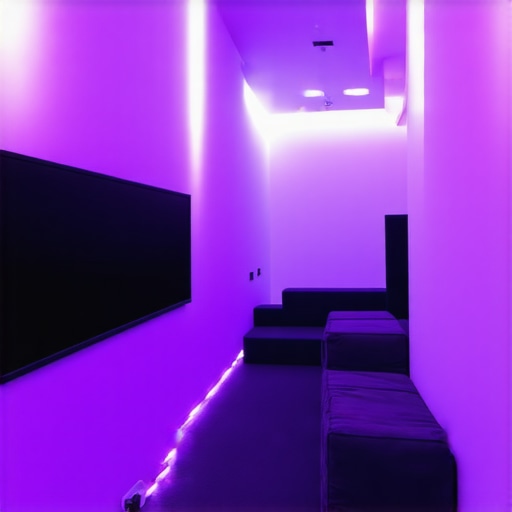
Exploring Future Frontiers in Ambient Illumination Innovation
The horizon of home theater illumination is marked by transformative innovations like holographic projection lighting, biometric-responsive environments, and immersive environmental simulations. These advancements aim to personalize cinematic atmospheres, aligning ambient conditions with viewer emotional states and content themes. Biometric sensors embedded in remote controls or wearables can detect physiological markers such as pupil dilation or heart rate variability, enabling real-time adaptive lighting adjustments that heighten emotional resonance. As detailed in the Smart Lighting Journal 2024, such integrations promise a future where home theaters become truly personalized sensory sanctuaries, blurring the line between technology and emotional artistry.
Why Is Content-Adaptive Lighting the Next Big Leap in Home Cinema?
Content-adaptive lighting harnesses AI and sensor technology to synchronize environmental illumination with on-screen visuals, creating a cohesive viewing experience that enhances depth, contrast, and mood. This approach minimizes distractions, reduces eye strain, and elevates immersion by ensuring the lighting environment complements every scene’s aesthetic and emotional tone. Implementing such systems requires a sophisticated understanding of media analysis algorithms, sensor calibration, and user preferences—areas extensively explored in the Content-Aware Lighting Innovations Report. Embracing this frontier will set your home theater apart as a pinnacle of personalized entertainment excellence.
Strategic Layering of Light Creates Depth and Immersion
In high-end home theater design, layering ambient, task, and accent lighting is essential for achieving visual depth. This approach involves carefully calibrated LED placements behind screens, along architectural features, and within furnishings to craft a harmonious environment that enhances contrast and image clarity. Mastering this technique can transform a basic setup into a cinematic sanctuary, elevating the overall viewer experience.
Embrace Automation for Seamless Atmosphere Control
Advanced control systems utilizing AI, voice commands, and content synchronization are revolutionizing how we manage lighting. These systems analyze scene luminance and adjust LED hue and brightness in real-time, creating an adaptive ambiance that responds effortlessly to movie sequences. Integrating such technology ensures your home theater remains dynamically immersive without manual intervention, providing a professional-grade experience at home.
Prioritize High-Quality Components for Long-Term Comfort
Investing in flicker-free LED drivers, high-CRI strips, and reliable diffusers is critical for consistent, comfortable viewing. These components prevent eye fatigue and color distortion, especially during extended sessions. As a professional, I recommend selecting products that support smooth dimming and are compatible with your automation ecosystem to maintain optimal performance and longevity.
Explore Future Innovations in Ambient Illumination
The horizon holds exciting prospects like holographic projection lighting, biometric-responsive environments, and AI-driven content-adaptive systems. These innovations aim to personalize cinematic atmospheres further, aligning lighting with emotional responses and scene mood. Staying abreast of such trends ensures your setup remains at the forefront of immersive entertainment technology, providing unmatched viewing pleasure.
Harness Content-Responsive Lighting for Maximum Impact
Implementing intelligent lighting that reacts to on-screen action enhances immersion and reduces eye strain. Systems equipped with sensors and AI algorithms can automatically dim during tense moments or brighten during lighter scenes, creating a cohesive visual narrative. This level of sophistication elevates your home theater into a true cinematic experience, making every viewing session special.
Leverage Expert Resources to Refine Your Setup
- Lighting Home Cinema Essentials Blog — Offers comprehensive guides on bias lighting and LED strip integration.
- IEEE Journal of Display Technology — Provides research on flicker mitigation and color rendering for optimal viewer comfort.
- Smart Lighting Journal — Explores future trends like biometric-enabled adaptive lighting systems.
Final Reflection: Mastering the Art of Light for Cinematic Excellence
In 2024, the integration of sophisticated bias lighting and LED strips transcends basic aesthetics to become a strategic pillar of cinematic ambiance. Expert-level application of layered, automated, and content-responsive lighting transforms ordinary rooms into immersive entertainment sanctuaries. To elevate your home theater, engage with advanced resources and consider innovative technologies—your journey to cinematic mastery begins with a well-lit environment that responds seamlessly to your entertainment needs. For personalized guidance or to share your insights, contact us at our expert consultation page.

Leave a Reply