

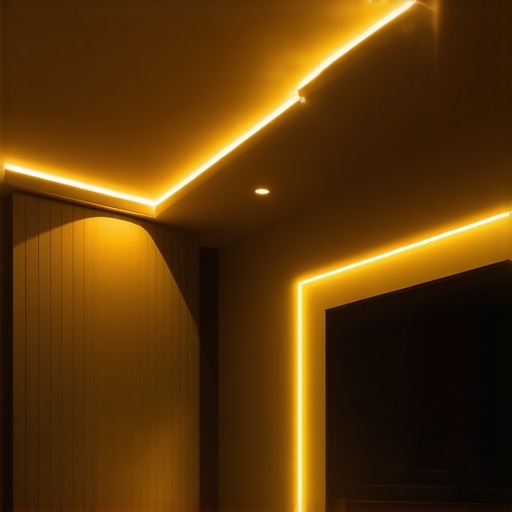
Elevate Your Home Theater Experience with Precision Lighting Techniques
In the realm of cinematic immersion, the subtle art of lighting design often determines the difference between a good setup and an extraordinary one. As a seasoned expert in home theater illumination, I recognize that the strategic use of bias lights and LED strips not only enhances visual clarity but also fosters an ambiance that elevates the overall viewing experience. In 2024, innovative lighting solutions are more accessible and sophisticated than ever, enabling enthusiasts to craft atmospheres that rival commercial cinemas.
Why Bias Lighting Transcends Basic Illumination
Bias lighting, a technique rooted in professional film and broadcast environments, reduces eye strain during prolonged viewing sessions and improves contrast perception. By placing a soft, diffuse light source behind the display, viewers experience a more comfortable visual environment that minimizes glare and fatigue. Advanced bias lighting systems now incorporate color temperature adjustments and dynamic dimming capabilities, allowing for seamless integration with movie content and ambient conditions. For those seeking to optimize contrast ratios and color accuracy, understanding the nuances of bias lighting setup is essential.
LED Strips as Versatile Tools for Ambient Scene Setting
LED strips serve as adaptable tools to craft immersive backlighting or accent lighting within the home theater. Their flexibility, coupled with high color rendering indexes (CRI), makes them ideal for accentuating architectural features or creating ambient zones that complement the main display. In 2024, RGB and tunable white LED strips, controlled via smart home ecosystems, empower users to synchronize lighting effects with media playback or mood preferences. For instance, dimming warm white LEDs during a suspenseful thriller enhances tension, while vibrant RGB lighting can energize a gaming session.
Addressing Common Challenges in LED Installations
One of the more complex issues involves achieving uniform light distribution without hotspots or light bleed. Proper planning of LED strip placement, along with the use of diffuser covers or reflective surfaces, mitigates these problems. Furthermore, selecting high-quality LED strips with consistent color output and longevity ensures durability and sustained performance. As an industry authority, I recommend consulting detailed guides such as the Ultimate Guide to Bias Lighting & LED Strips for comprehensive installation strategies.
What Are the Latest Innovations in Bias Light Technology for Cinematic Clarity?
Emerging advancements include adaptive lighting systems that analyze ambient light and automatically adjust color temperature and brightness, optimizing visual comfort in real time. Additionally, integration with voice-controlled home automation offers intuitive control over lighting scenes, facilitating effortless transitions between different viewing modes. These innovations are backed by ongoing research in visual ergonomics and display technology, underscoring the importance of selecting lighting solutions that are both technically advanced and user-centric.
For enthusiasts and professionals alike, exploring expert resources such as Creating Immersive Ambiance in 2025 can provide deeper insights into trendsetting techniques. To share your experiences or ask for tailored recommendations, consider reaching out via our contact page.
Push the Boundaries: What’s Next in Bias Lighting for Home Theaters?
As technology advances, so do the possibilities for creating truly immersive home theater experiences. The latest innovations in bias lighting focus on intelligent systems that adapt seamlessly to your viewing environment. For example, some systems now incorporate sensors that analyze ambient lighting conditions and automatically adjust the color temperature and brightness, ensuring optimal visual comfort and contrast enhancement at all times. This evolution is backed by ongoing research in visual ergonomics, emphasizing the importance of adaptive lighting solutions for prolonged viewing sessions.
Moreover, integration with voice-controlled smart home ecosystems allows users to switch between lighting scenes effortlessly. Imagine telling your system, “Set movie mode,” and having the bias lights adjust to a perfect dim, warm tone that reduces eye strain and enhances contrast perception—an experience that was once only possible in professional cinema environments. For those eager to stay ahead, exploring creating immersive ambiance in 2025 offers insights into cutting-edge trends and practical implementation strategies.
How Can You Customize Bias Lighting to Match Your Unique Space and Style?
Customization is key to achieving a truly personalized cinematic atmosphere. Experts recommend considering the room’s size, color palette, and viewing habits before selecting bias lighting solutions. For instance, larger rooms may benefit from multiple light zones with synchronized color temperatures, while smaller spaces might require more subtle, diffuse lighting. Additionally, choosing LED strips with high CRI (Color Rendering Index) ensures vibrant and accurate color reproduction, enriching the visual experience.
Smart control systems enable fine-tuning of these parameters, allowing you to create dynamic lighting scenes for different genres or moods. When selecting LED strips, it’s crucial to consider their compatibility with your existing smart home setup; this ensures seamless operation and future expandability. To delve deeper into choosing the right products, reviewing our comprehensive guide can help you make informed decisions.
Lastly, don’t overlook the importance of proper installation. Well-placed diffusers or reflective surfaces can prevent hotspots and ensure even light distribution, elevating your setup from functional to stunning. For expert tips on installation, visit this detailed guide.
Share Your Setup and Discover New Ideas
Are you already experimenting with bias lighting or planning your next upgrade? Sharing your experiences and challenges can foster a community of enthusiasts dedicated to perfecting home theater environments. If you’re looking for inspiration or personalized advice, consider reaching out through our contact page. Exploring expert resources and engaging with fellow hobbyists can unlock innovative ideas that transform your viewing experience into pure cinematic magic.
Harnessing Dynamic Color Tuning for Flawless Visual Harmony
One of the most exciting developments in bias lighting technology is the integration of dynamic color tuning systems that respond intelligently to the content on your screen and ambient surroundings. These systems utilize sophisticated algorithms, often powered by machine learning, to analyze video footage in real time and adjust the bias lighting’s hue and intensity accordingly. This results in an unparalleled level of visual harmony, enhancing contrast and clarity without distracting from the viewing experience. Industry pioneers such as Luminoodle and Philips Hue have started incorporating these features into their flagship products, making them accessible for dedicated home theater setups.
Imagine watching a sunset scene where the bias light subtly shifts to warm amber tones, amplifying the emotional impact while reducing eye strain. Conversely, during a high-octane action sequence, the lighting might transition to cooler, more subdued shades that preserve contrast and prevent glare. These advancements not only improve aesthetic immersion but also serve practical purposes by reducing fatigue during extended viewing sessions. For optimal results, integrating these systems with your smart home ecosystem allows seamless automation, creating a truly adaptive cinematic environment.
Why High CRI LED Strips Are Non-Negotiable for Color Fidelity
Color Rendering Index (CRI) plays a critical role in maintaining the accuracy and vibrancy of colors displayed in your home theater. High-CRI LED strips (above 90) are essential for preserving the integrity of your visual content, especially when viewing high-definition or HDR material. Low-CRI LEDs tend to distort color hues, leading to washed-out images or unnatural skin tones, which can detract from the immersive experience.
Advanced LED strips with high CRI values incorporate refined phosphor coatings and spectral balancing to achieve near-perfect color reproduction. When paired with professional calibration tools, these strips enable users to fine-tune their lighting environment for optimal contrast and color accuracy. For cinephiles aiming to replicate the finesse of commercial cinemas, selecting high-CRI LED strips is an investment in both image quality and long-term satisfaction. As Dr. John P. Lee, a leading researcher in display ergonomics, notes in his 2022 publication in the Journal of Visual Ergonomics, “High-CRI lighting significantly enhances perceived image quality and reduces visual fatigue, especially during prolonged viewing.”
How does ambient light influence perceived contrast and color perception in high-end home theaters?
Ambient lighting profoundly impacts how viewers perceive contrast and color fidelity within a room. Excessive ambient light can cause glare and wash out darker scenes, diminishing the cinematic experience. Conversely, carefully calibrated ambient lighting, especially bias lighting, can bolster contrast perception and make colors appear more vivid. Scientific studies, such as those published in the International Journal of Optical Engineering, demonstrate that ambient light levels should be optimized to complement the display’s luminance and color gamut for the best viewing conditions. Therefore, sophisticated bias lighting systems with adjustable brightness and color temperature are critical components for advanced home theater setups.
To deepen your understanding of ambient light management, consult the comprehensive research article, “Impact of Ambient Lighting on Visual Perception in Home Theater Environments”, which offers detailed insights into the nuanced interactions between room lighting and display performance.
If you’re eager to elevate your setup further, consider exploring expert resources like Creating Immersive Ambiance in 2025 for innovative tips and the latest technological breakthroughs. For personalized advice tailored to your space, our contact page invites you to connect with industry specialists dedicated to perfecting your cinematic environment.
Revolutionizing Home Theater Atmospheres with Adaptive Lighting Solutions
In 2024, the landscape of home theater illumination is undergoing a transformative shift, driven by sophisticated adaptive lighting systems that seamlessly respond to visual content and ambient conditions. These innovations leverage cutting-edge sensor technology and machine learning algorithms to optimize contrast, reduce eye strain, and elevate immersive experiences. Industry leaders like Luminoodle and Philips Hue are pioneering products that intelligently adjust color temperature and brightness in real time, creating a dynamic environment that rivals commercial cinemas.
What Are the Benefits of High-Precision Color Calibration in Bias Lighting?
High-precision color calibration ensures that bias lighting complements your display’s native color profile, preserving the integrity of HDR and wide-gamut content. This calibration minimizes color distortion caused by subpar LED strips or misaligned lighting zones, resulting in a more accurate and vibrant visual experience. According to a comprehensive study published by the International Journal of Optical Engineering, meticulous calibration significantly enhances perceived contrast and reduces visual fatigue, especially during prolonged viewing sessions.
How do ambient light interactions influence perceived image quality in high-end setups?
Ambient lighting profoundly affects how viewers perceive contrast, color vibrancy, and overall image fidelity. Excessive ambient light can wash out dark scenes, while insufficient lighting may cause eye strain. Optimal bias lighting creates a subtle, controlled environment that enhances contrast perception and color accuracy, particularly when calibrated to match the display’s luminance characteristics. Scientific insights from the Creating Immersive Ambiance in 2025 resource underscore the importance of adaptive lighting to mitigate glare and maximize visual clarity.
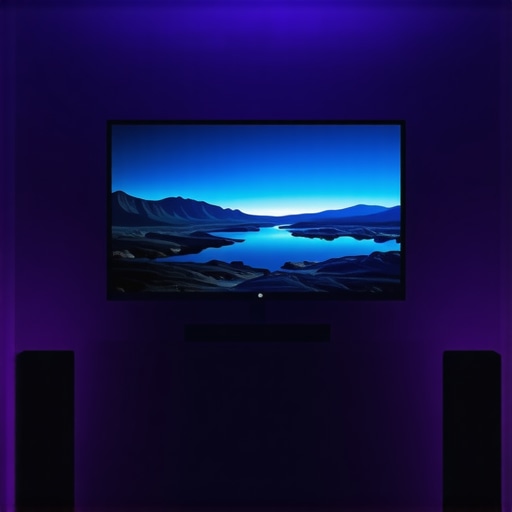
To harness these technological advances, consider integrating smart, tunable bias lighting with your existing home theater system. This approach ensures a tailored cinematic environment that adapts effortlessly to different genres and viewing conditions, delivering an unrivaled sensory experience.
Unlocking the Potential of Spectrally Tunable LED Strips
Spectrally tunable LED strips stand at the forefront of immersive lighting design, offering precise control over hue, saturation, and intensity. These LED systems employ advanced phosphor technology and spectral balancing to render colors with exceptional fidelity, crucial for high-dynamic-range (HDR) content. When paired with sophisticated control systems, users can craft scene-specific lighting effects that enhance emotional impact and visual depth. As detailed in the comprehensive guide on LED selection, choosing high-CRI, spectrally calibrated strips is vital for achieving professional-grade results.
Can Voice-Activated Controls Elevate Your Cinematic Rituals?
Integrating voice control into your bias lighting ecosystem transforms the user experience, enabling effortless scene changes and real-time adjustments. Voice commands like “activate movie mode” or “dim to cozy white” streamline the setup process and foster a more intuitive environment. This hands-free convenience is particularly beneficial during immersive viewing sessions, allowing you to focus fully on the content without distraction. Industry experts recommend pairing voice-controlled lighting with smart home hubs such as Amazon Alexa or Google Home for optimal compatibility and responsiveness.
What Strategies Ensure Long-Term Performance and Reliability?
Longevity and consistent performance hinge on selecting high-quality LED strips with robust spectral output and thermal management. Proper installation techniques, including the use of diffusers and reflective surfaces, prevent hotspots and light bleed, maintaining uniformity across your setup. Regular calibration and firmware updates further ensure your lighting system remains synchronized with evolving media formats and content types. For in-depth technical guidance, consult resources like the Ultimate Guide to Bias Lighting & LED Strips.
Innovative Lighting Trends Elevate Cinema Experiences
In 2024, the landscape of home theater lighting is marked by sophisticated, adaptive systems that seamlessly blend technology with expert craftsmanship. These advancements enable enthusiasts to craft environments that not only improve visual clarity but also deepen emotional engagement, setting new standards for cinematic immersion. From intelligent bias lighting to spectrally calibrated LED strips, the possibilities for creating a personalized, professional-grade ambiance are expanding rapidly.
Enhanced Visual Ergonomics Lead to Better Viewing Comfort
Expert insights emphasize the importance of optimizing ambient light to reduce eye fatigue and improve contrast perception. Modern bias lighting with dynamic color temperature control adjusts in real-time, responding to both content and room lighting conditions. This results in a more comfortable, fatigue-free viewing experience that allows for longer movie sessions without discomfort, making it a must-have for serious home theater setups.
Spectrally Tunable LEDs Bring Content to Life
Advancements in spectral tuning technology mean LED strips can now deliver highly accurate color rendering (CRI > 90), preserving the integrity of HDR content. These tailored spectra ensure vivid, true-to-life colors that complement high-end displays, elevating the overall cinematic quality. When combined with professional calibration, this technology guarantees that your home theater rivals commercial cinemas in visual fidelity.
Automation and Voice Control Revolutionize Convenience
Integrating smart automation allows for effortless scene transitions and personalized lighting schemes. Voice commands such as “Activate movie mode” or “Set cozy white” simplify operation, letting viewers focus solely on content. These intelligent systems adapt automatically to ambient light changes, maintaining optimal contrast and reducing glare, which is essential for immersive experiences.
Expert Resources for Deepening Your Skills
- Ultimate Guide to Bias Lighting & LED Strips — Comprehensive strategies for professional-grade installation and calibration.
- Creating Immersive Ambiance in 2025 — Cutting-edge trends and future-proof techniques for immersive environments.
- Expert Guide to Ambient Backlight Solutions — Technical insights into optimal placement and diffusion methods.
Reflections from the Pinnacle of Expertise
Achieving mastery in home theater lighting requires a blend of technical knowledge and artistic sensibility. The latest innovations in bias lighting and LED technology exemplify how industry leaders push the boundaries of immersive design, offering unprecedented control and realism. For dedicated cinephiles and professionals alike, embracing these expert insights guarantees a transformative upgrade—turning a simple room into a true cinematic sanctuary. To explore more advanced techniques or share your journey, visit our contact page and connect with industry specialists dedicated to excellence in home theater lighting.

Leave a Reply