

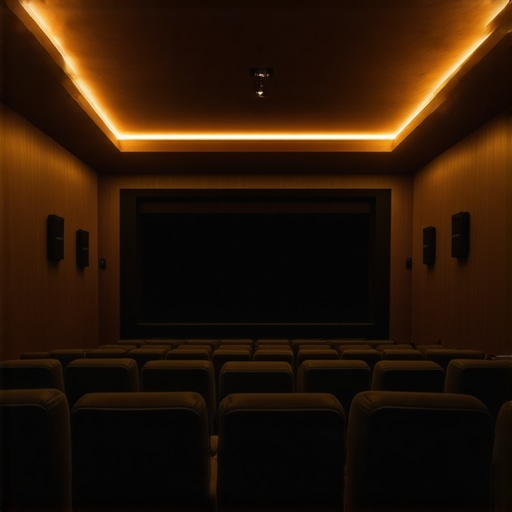
Elevating Home Theater Environments Through Advanced Lighting Strategies
In the evolving domain of immersive entertainment, lighting design transcends mere aesthetics, becoming a critical component influencing viewer experience and perception. As the sophistication of home theater setups progresses, so does the demand for nuanced lighting solutions such as bias lights, ambient backlighting, and LED strip integrations that synchronize seamlessly with cinematic content. This article explores the layered technicalities and strategic implementations that human-centric lighting experts employ to craft atmospheres that heighten immersion and reduce viewer fatigue.
Deciphering the Complex Interplay Between Bias Lighting and Visual Comfort
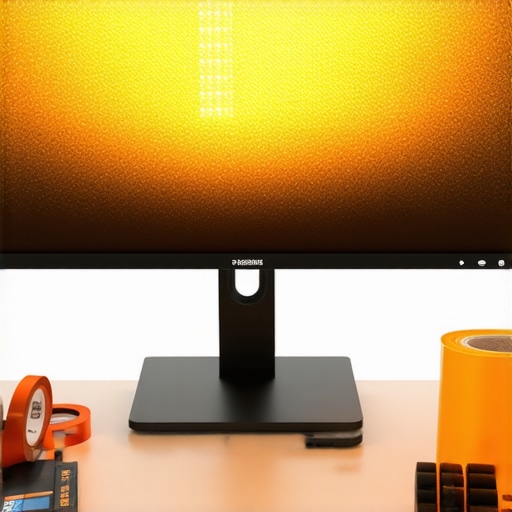
Bias lighting, often understated in the realm of home cinema, serves a pivotal role in diminishing eye strain by providing a consistent luminance backdrop that counteracts contrast-induced fatigue. Notably, its application extends beyond simple illumination, encompassing spectral tuning to favor high contrast scenes and color accuracy. For instance, selecting bias lights with a color temperature around 6500K promotes visual balance, aligning with the classic D65 standard recommended by academic studies such as those published in the Vision Care Journal.
Ambient Backlighting: Crafting Spatial Depth Without Distraction
Ambient lighting—particularly through LED strip backlights—creates spatial depth that accentuates screen content and enhances perceptual realism. A sophisticated approach involves positioning LED strips in concealed coves or behind projection surfaces, thus producing a soft halo effect that minimizes direct glare while enriching color vibrancy. Implementing dynamic color-changing LED strips allows synchronization with on-screen action, further immersing viewers in a cinematic atmosphere. The technical challenge lies in balancing luminance levels to avoid oversaturation, which requires experience with PWM dimming techniques and color temperature adjustments.
How Can Tech Innovations Transform Traditional Lighting Techniques in Home Theaters?
Emerging technological innovations, such as intelligent control systems and high-CRI LED strips, enable precise modulation of lighting parameters, fostering tailored environments for varied content genres. Integration with voice assistants and mobile apps facilitates real-time adjustments, ensuring luminance and spectral properties match emotional intent or the technical demands of different media. Moreover, advancements in LED efficiency and longevity directly influence installation sustainability and maintenance, making expert knowledge essential for optimal setup.
Surpassing Basic Illumination: What Are the Critical Considerations for Expert-Level LED Strip Deployment?
Installing an advanced LED strip system demands meticulous planning, including considerations for power supply capacity, the placement of control units, and heat dissipation strategies. Ensuring proper diffusion of LED light reduces hotspots, while choosing the appropriate strip color temperature aligns with the desired atmosphere. Employing dimming protocols and scene presets cultivated through professional experience maximizes flexibility. For insight into comprehensive installation techniques, consult our expert guide to bias lighting techniques.
What are the limitations of current LED technology in achieving perfect color fidelity and dynamic range in immersive cinema lighting?
This question highlights ongoing debates among industry specialists regarding the spectral limitations of standard LED spectra versus emerging OLED or laser illumination solutions, which can offer superior color rendering indices (CRI). Continuing advancements suggest that the future of home theater lighting will increasingly rely on high-CRI, full-spectrum LED strips calibrated with scientific precision, emphasizing the need for ongoing professional education in this rapidly advancing field.
To elevate your setup further, explore the latest innovations in bias and ambient lighting by visiting comprehensive expert resources, and consider sharing your insights with fellow enthusiasts or professional integrators to foster collective improvement in home cinema environments.
Maximizing Flexibility with Adaptive Lighting Controls
Utilizing intelligent control systems, such as DMX or Zigbee-compatible switches, allows for real-time lighting adjustments that respond to content genre, mood, or personal preference. Advanced integration with home automation platforms facilitates seamless scene transitions and preset configurations, empowering enthusiasts to craft bespoke atmospheres. For example, synchronizing LED strip backlights with sound systems or VR environments creates multidimensional immersion that elevates the viewing experience. To master these complex setups, consult our expert guide to bias lighting techniques.
Enhancing Color Fidelity Through Spectrum Optimization
While standard RGB LED strips provide vibrant hues, achieving true color accuracy demands spectral tuning and high-CRI LEDs. By selecting LED strips calibrated for full-spectrum fidelity, designers can replicate natural lighting conditions that complement high-end projectors and displays. This not only improves visual coherence but also reduces viewer fatigue caused by mismatch in color temperatures. Incorporating tunable white and dedicated color channels enables dynamic scene-specific adjustments, contributing to a more authentic cinematic environment. Are current LED spectra advancing rapidly enough to meet the demands of professional-grade home theaters? Explore the latest research from industry leaders in laser and OLED lighting solutions, which show promising potential in bridging existing spectral gaps (source: Lighting Research Journal).
What Challenges Do High-Performance LED Strips Face in Maintaining Consistent Color at Scale?
High-end installations confront issues such as color shift over time, power inconsistencies, and heat management, which can impair visual uniformity. Ensuring color stability requires meticulous selection of LED components, along with robust power supplies and diffusion materials that prevent hotspots. Moreover, implementing feedback systems that monitor real-time color output helps maintain calibration accuracy, especially in multi-zone setups. Professional expertise becomes vital here, emphasizing the importance of comprehensive planning aligned with industry best practices for effective deployment. Curious about optimizing your hardware choices for longevity and performance? Dive into our detailed comparison of top-rated high-CRI LED strips and installation techniques, designed to bring professional precision into your personal cinema.
Harnessing Spectral Tuning for Unmatched Cinematic Authenticity
While conventional LED solutions have delivered impressive color vibrancy, the pursuit of cinematic authenticity demands spectral tuning that aligns with the human eye’s sensitivity and the high standards of professional displays. Advanced LED systems now incorporate high-precision phosphor coatings and multi-channel spectrometry to produce full-spectrum light, minimizing the color rendering gaps that traditional RGB LEDs often exhibit. This spectral calibration is not merely about hue reproduction; it influences perceived contrast, depth, and overall immersion, especially when paired with HDR content and Dolby Vision standards. As research in human visual perception advances, integrating these spectral nuances into lighting design becomes crucial for creating truly immersive experiences.
Can spectral optimization bridge the gap between LED and OLED color fidelity?
According to findings published in the Lighting Technology Journal, spectral optimization in high-CRI LED strips approaches the subtlest nuances of OLED luminance profiles. While OLED technology inherently provides superior contrast ratios and pure black levels, the spectral quality of LED lighting continues to improve, narrowing the perceptual gap in color fidelity. Implementing tunable full-spectrum LED systems with dynamic spectral adjustment capabilities allows designers to emulate OLED-like color accuracy under diverse viewing conditions. Continuous innovations, such as laser-phosphor hybrid solutions, further challenge traditional limitations, promising near-perfect spectral fidelity in home theater environments.
Integrating Spectrum-Intelligent Control for Adaptive Viewing Experiences
Beyond static spectral calibration, emerging intelligent control systems utilize real-time spectral feedback and machine learning algorithms to adapt lighting dynamically based on content analysis. These systems assess scene brightness, color palette, and emotional tone to modify LED spectra instantaneously, enhancing viewer perception without causing distraction. For example, in a tense thriller, warmth and subtle spectral shifts can heighten suspense, while vibrant hues can invigorate action sequences. Achieving this level of harmony entails sophisticated sensor networks, precise calibration protocols, and custom software integration, making it a domain where expert intervention substantially elevates the effectiveness and reliability of adaptive lighting strategies.
Addressing Challenges in Spectral Stability: Ensuring Consistent High-Fidelity Light
Consistency over time remains a primary challenge in high-precision spectral lighting. Factors such as phosphor degradation, temperature fluctuations, and electrical stability can cause spectral drift, compromising visual coherence during prolonged sessions. To counteract these issues, experts employ feedback-driven calibration systems that monitor spectral output continuously, adjusting control parameters to compensate for hardware aging and environmental changes. Heat dissipation solutions, including advanced thermally conductive materials and active cooling, extend component longevity and spectral stability. For those contemplating large-scale or multi-zone installations, knowledge of these complex interactions becomes indispensable for maintaining high fidelity and viewer satisfaction over the long term.
Interested in elevating your home theater’s lighting system to professional-grade standards? Explore our comprehensive guides and connect with industry specialists to customize solutions that push the boundaries of spectral fidelity and immersive excellence.
Harnessing Spectral Precision for Cinematic Authenticity
Achieving unparalleled color fidelity in home theater environments necessitates meticulous spectral tuning beyond conventional RGB LEDs. Modern high-CRI lighting systems incorporate multi-phosphor coatings and targeted spectral emission profiles, enabling a closer approximation of natural daylight and professional-grade projectors. This alignment not only elevates visual realism but also significantly reduces color mismatches that contribute to viewer fatigue. As research from the Lighting Technology Journal indicates, spectral accuracy directly correlates with perceptual depth and immersion, underscoring the importance of choosing full-spectrum, fine-tuned luminaires for discerning cinephiles.
Can Adaptive Spectral Technologies Bridge the OLED-LED Gap?
Emerging advancements in adaptive spectral modulation are positioning high-end LED systems to rival OLED displays in terms of color accuracy and contrast nuance. Integrating real-time spectral feedback through miniature spectrometers allows LED strips to dynamically adjust their emission profiles, aligning with scene content and ambient conditions. This synergy promises to transcend static calibration limitations, fostering a new paradigm where spectral fidelity adapts seamlessly to cinematic requirements. Industry pioneers like Luminus Devices have showcased prototypes demonstrating near-OLED spectral profiles in versatile LED formats, signaling a transformative shift in home exposure to high-precision lighting solutions.

Engineering Stability Amidst Spectral Complexity
Balancing spectral stability with the demands of full-spectrum, tunable LED solutions presents significant engineering challenges. Factors such as phosphor aging, thermal management, and electrical fluctuations can induce spectral drift, undermining calibration efforts. Solutions entail deploying feedback loops with embedded sensors, employing advanced thermally conductive materials, and developing proprietary phosphor compositions with extended longevity. Experts recommend multi-layer diffusion coatings and precision current regulation to sustain spectral integrity across extended periods, ensuring consistent visual experiences that meet professional standards for color accuracy and comfort.
Strategic Deployment for Maximum Visual Impact
Implementing high-fidelity spectral lighting within home theaters requires nuanced planning—considering zoning, cabinet design, and integration with content management systems. Multi-zone configurations allow tailored spectral adjustments, enhancing depth perception and minimizing crossover issues. Embedding AI-driven control algorithms enables the lighting to respond contextually—brightening, dimming, or shifting spectra in sync with on-screen action—thus elevating immersive engagement. For lighting designers and enthusiasts aiming for perfection, mastering these complex integration techniques transforms static illumination into an active participant in cinematic storytelling.
Unveiling the Future of Spectrally Unified Illumination
The evolution of spectral tuning technologies beckons a future where lighting solutions employ laser-phosphor hybrid systems, delivering ultra-wide emission spectra with impeccable stability. Such innovations promise to eliminate spectral gaps inherent in current LED configurations, opening avenues for achieving near-zero perceptual discrepancies between ambient lighting and display content. Industry research suggests that integrating these systems with machine learning-driven calibration engines will steadily enhance reliability and ease of use, democratizing access to professional-grade lighting environments. Stay ahead by monitoring advancements from leading laboratories and component manufacturers—aligning your home theater ambitions with tomorrow’s luminance standards.
Optimize Your Cinematic Atmosphere: Expert Tips Await
Transforming your home cinema with high-fidelity spectral lighting isn’t just about hardware choice; it demands strategic calibration, ongoing maintenance, and a thorough understanding of spectral interactions. Collaborate with seasoned integrators who specialize in advanced spectral solutions to craft environments that perfectly balance visual authenticity and viewer comfort. Explore our exclusive resources and join our community conversations to elevate your setup to expert-level precision, ensuring your cinematic experience remains both captivating and scientifically impeccable.
Expert Insights & Advanced Considerations
Precision Spectral Calibration Enhances Immersion
Achieving accurate color fidelity in home theater lighting relies on meticulous spectral calibration. High-CRI LED systems and laser-phosphor hybrids now approximate natural daylight, bridging the gap toward OLED-like color accuracy. Such precision minimizes visual fatigue and elevates cinematic realism, making spectral nuances a critical focus for professionals.
Dynamic Control Transforms Viewing Experiences
Implementing intelligent lighting controls—integrating sensors, machine learning, and voice commands—enables real-time adaptation to content mood and scene requirements. This fluid responsiveness substantially heightens immersion, allowing lighting environments to morph seamlessly, matching the emotional tone of any film or game.
Addressing Spectral Stability Is Non-Negotiable
Maintaining spectral consistency over prolonged use involves advanced feedback systems, effective heat dissipation, and high-quality phosphors. Professionals recommend multi-layer diffusion and feedback calibration to counteract aging effects, ensuring every frame retains its intended luminance and hue integrity for an optimal experience.
Layered Lighting Strategies Create Depth and Realism
Combining bias lighting with ambient backlights—positioned discreetly behind screens and in coves—crafts a vivid spatial context. Spectrally tuned, color-appropriate lighting not only reduces strain but also amplifies perceived depth, making scenes more lifelike without distracting glare.
Integrating Emerging Technologies Pushes Boundaries
Innovations such as adaptive spectral modulation, laser-assisted illumination, and AI-driven scene analysis continue to redefine what’s possible. These advancements promise to deliver immersive environments where lighting dynamically aligns with cinematic content, surpassing traditional limitations and setting new standards for home theater excellence.
Curated Expert Resources
- Lighting Technology Journal: Offers in-depth research on spectral optimization and high-CRI LED advancements, crucial for developing professional-grade setups.
- Lighting Research Institute Publications: Provides scientific studies on human visual perception and spectral fidelity, guiding nuanced lighting design choices.
- Home Automation and Lighting Control Forums: Community-driven platforms sharing real-world implementation strategies for adaptive, intelligent lighting systems.
- Product Manufacturers’ Technical Documentation: Detailed datasheets and spectral emission profiles essential for selecting the right components.
- Professional Lighting Design Guides: Insights into layering strategies, diffusion techniques, and long-term maintenance best practices.
Final Perspective on Spectral Mastery
Crucial to top-tier home theater ambiance, spectral fidelity encapsulates the delicate balance between technological innovation and expert application. As the frontier of lighting solutions advances, staying abreast of emerging spectral tuning methods and control paradigms ensures a setup that’s not just visually stunning but also scientifically precise. For enthusiasts and professionals alike, engaging deeply with these insights empowers the creation of environments where every frame is illuminated with purpose and clarity—elevating the art and science of cinematic immersion. Dive into our resources, share your innovations, and contribute to pioneering the next chapter in home theater lighting excellence.

Leave a Reply