

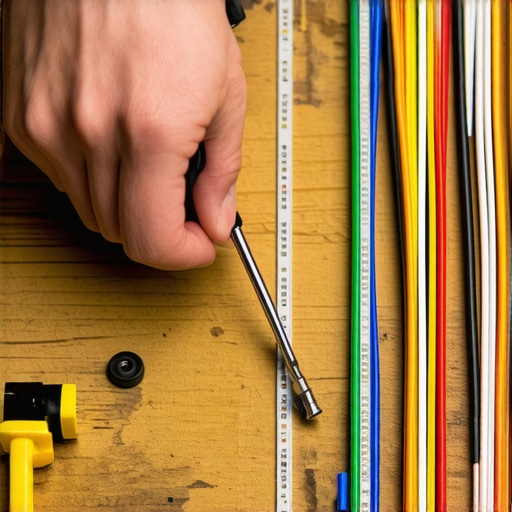
Mastering the Intricacies of LED Signal Integrity in Modern Home Theaters
In the realm of home theater innovations, LED strip lighting has become an integral component of ambient aesthetics, enhancing immersive experiences through sophisticated backlighting and bias lighting configurations. However, enthusiasts and professionals alike face a prevalent technical challenge: signal drop in 2026 LED strips compromising visual consistency and control precision. This issue, often overlooked, demands a nuanced understanding of electrical signal pathways and meticulous wiring techniques integral to advanced installations.
Electric Foundations of Signal Preservation in LED Strip Installations
The core of efficient LED strip operation hinges on maintaining stable voltage and current delivery across the entire length of the strip. Signal drop occurs when resistance, inadequate wiring gauges, or poor connections induce voltage sag, resulting in inconsistent brightness, color shifts, and delayed response times—an issue critically salient when deploying bias lights that require exact color calibration for scene accuracy. To mitigate this, experts recommend adopting wiring strategies that optimize conductivity and reduce electrical interference, ensuring robust signal transmission even over extended distances.
Implementing Advanced Wiring Techniques to Combat Signal Drop
One effective approach involves employing thicker gauge cables, such as 16 AWG, for power and data lines, which significantly reduce voltage resistance. In parallel, serial wiring configurations—separately branching power and data lines to segments—help distribute electrical load evenly, preserving signal fidelity. Additionally, integrating inline power injectors at strategic intervals replenishes voltage levels, a practice especially crucial for longer LED runs commonly used in professional-grade ambient lighting or cinematic backlights.
Mitigating Electromagnetic Interference and Grounding Strategies
Furthermore, shielding data lines against electromagnetic interference (EMI) enhances signal clarity, which can be achieved through twisted pair wiring or employing ferrite beads at connection points. Grounding techniques, including establishing a common ground plane and ensuring proper electrical earthing, also play a pivotal role in preventing signal degradation. These methods, refined over years of professional implementation, align with industry standards detailed in technical manuals, such as those by LED strip manufacturers and electrical engineering disciplines, underscoring their efficacy in preserving signal integrity.
Practical Considerations for High-Performance Home Theater Systems
For home theater aficionados seeking perfection, it’s imperative to meticulously plan wiring layouts, opting for high-quality components, and adhering to best practices—like avoiding daisy-chaining excessive lengths without signal boosting. When implementing bias lighting or LED backlights, understanding the wiring hierarchy and power distribution will significantly influence immersive visual fidelity, elevating your setup beyond typical consumer installations.
How Can Complex Wiring Practices Be Simplified for Advanced Home Theater Users?
Professionals often employ custom wiring harnesses and modular systems to streamline complex configurations, facilitating easier troubleshooting and upgrades. Alternatively, utilizing professional consultation or high-end controllers equipped with signal amplifiers can dramatically improve reliability. To explore comprehensive wiring solutions tailored for high-end AV setups, visit our detailed guide on [LED strip installation techniques](https://lighting.homecinemaessentials.com/guide-to-led-strip-installation-bias-lighting-techniques-for-movie-rooms).
As the field evolves, continuous innovation in wiring methodologies and control protocols remains paramount. For those committed to delivering gallery-quality visual experiences, embracing expert wiring tactics is not just a technical necessity but a pathway to aesthetic excellence. To deepen your knowledge or contribute insights from your own projects, connect with our community of AV professionals through our [contact page](https://lighting.homecinemaessentials.com/contact-us).
References: For an authoritative overview of electrical standards in LED installations, see the IEEE Standards Association publications on LED wiring and electrical safety guidelines.
Innovative Solutions to Elevate Your LED Signal Quality
Ensuring impeccable signal integrity in your home theater isn’t just about choosing the right cables; it involves a comprehensive approach that integrates sophisticated wiring techniques, strategic component placement, and modern control systems. Advanced wiring methods, such as implementing twisted pair cabling and dedicated ground planes, significantly reduce electromagnetic interference, which often causes flickering and color inconsistencies. These practices are particularly vital when deploying high-end bias lighting or extensive LED backlighting configurations, where even minor fluctuations can detract from cinematic immersion.
Are DIY Wiring Hacks Compromising Your Visual Integrity?
Many enthusiasts attempt cost-saving DIY solutions, frequently overlooking the nuances of signal preservation, which can lead to unpredictable performance and hardware damage over time. Expert guidance suggests investing in professional-grade cables and connectors designed specifically for long-distance data transmission to prevent voltage drops and signal attenuation. For a detailed breakdown of wiring best practices tailored to home cinema setups, consult our comprehensive guide to LED strip installation techniques.
Incorporating inline signal extenders and intelligent power injection points can further stabilize your LED network, ensuring consistent brightness and color accuracy. Additionally, deploying high-quality controllers with built-in signal amplifiers simplifies the setup, reducing the risk of lag or flicker that plagues less robust systems. Expert sources, such as the IEEE standards on electrical safety and signal management (IEEE Standards for LED Wiring), emphasize the importance of adhering to rigorous technical guidelines as a pathway toward flawless calibration.
Why Precision Calibration Is the Key to Visual Fidelity
Beyond hardware considerations, fine-tuning your LED strips for optimal color temperature, voltage levels, and response times can drastically improve the overall viewing experience. Proper calibration minimizes issues like color shifting, hot spots, and response lag, making your setup truly cinema-quality. Incorporating tools such as digital color meters and profile calibration software allows for meticulous adjustment, aligning your bias lighting with your display’s native color profile. This practice is especially crucial if you are customizing lighting to match HDR content or developing a multi-zone configuration that demands seamless transitions.
For expert insights into achieving perfect color accuracy and dynamic control, visit our detailed article on LED strip lighting tips. Remember, every component’s placement, wiring, and calibration stage collectively define the final visual outcome, transforming a mere ambient light into an immersive extension of your cinematic environment.
Harnessing the Power of Signal Conditioning for Optimal LED Performance
Achieving pristine LED synchronization in high-end home theater setups necessitates not only meticulous wiring but also the integration of advanced signal conditioning components. Signal conditioners, such as galvanic isolators and high-frequency filters, serve as guardians against the disruptive influences of electromagnetic interference (EMI) and transient voltage spikes. By isolating data lines from potential ground loops and filtering out high-frequency noise, these devices significantly improve the clarity and stability of LED signals, especially critical when deploying multi-zone lighting that demands uniform color rendering and response timing.
Can Adaptive Signal Protocols Future-Proof Your Lighting System?
Emerging communication standards like DMX512-A and Art-Net have begun to replace traditional PWM-driven LED controls, offering enhanced flexibility, bandwidth, and error correction capabilities. Adaptive protocols intelligently adjust data transmission parameters in response to real-time conditions, mitigating issues such as packet loss or jitter that can cause flickering or color inconsistency. Integrating these protocols with robust hardware architectures ensures your system remains resilient amidst electrical noise and long-distance data transfer challenges, providing a seamless lighting experience aligned with professional standards.
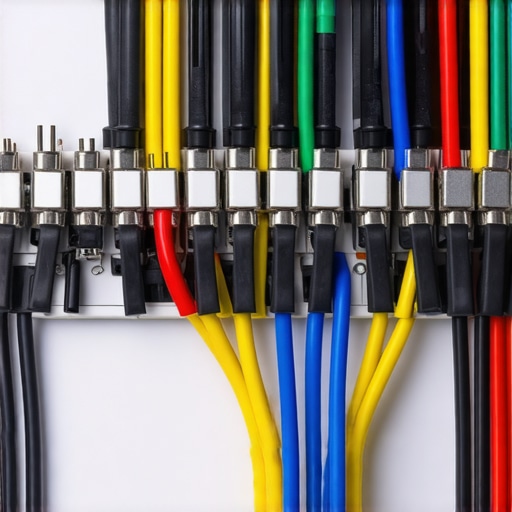
Designing for Longevity and Scalability in LED Wiring Architectures
Smart wiring design doesn’t merely focus on immediate performance but also emphasizes future expandability. Modular wiring harnesses and socket-based connections facilitate straightforward upgrades, repairs, and reconfigurations without extensive rewiring. Employing bus-based architectures, such as EtherCAT or CAN bus systems, enables multiple LED segments to communicate over a shared network, reducing cable clutter and simplifying troubleshooting. These scalable solutions align with the evolving demands of immersive home theaters, where additional zones or dynamic effects may be incorporated post-installation.
What Are the Critical Factors in Selecting High-Performance Wiring Components?
Material quality, insulation integrity, and connector durability play pivotal roles in overall system reliability. Gold-plated contacts resist corrosion, ensuring consistent connectivity over time, while high-grade PTFE insulation minimizes signal attenuation at high frequencies. When choosing power supplies and connectors, look for certifications from reputable standards organizations, such as UL and CE, which verify compliance with safety and performance benchmarks. Investing in premium components not only prolongs system lifespan but also guarantees the precision required for cinematic-grade ambient lighting.
To explore comprehensive wiring strategies designed for professional-grade home theater installations, consult our authoritative resource on advanced LED wiring solutions for immersive environments.
Integrating Smart Control and Feedback Loops for Dynamic Visuals
The next frontier involves intelligent control systems capable of real-time feedback integration. By embedding sensors that monitor parameters like color temperature, voltage level, and ambient light conditions, your control backbone can dynamically adjust outputs to maintain desired visual standards. Feedback loops, facilitated through high-speed data protocols and microcontroller arrays, enable adaptive responses—such as compensating for power fluctuations or ambient interference—thus ensuring consistent ambience even under variable conditions. Such systems exemplify the convergence of hardware robustness and software intelligence, critical for truly immersive cinematic environments.
Are Existing Control Architectures Adequate for Future 4K and HDR Content Demands?
Many current control solutions struggle to support the bandwidth and precision demands posed by ultra-high-definition, HDR, and multi-zone color management. Upgrading to next-generation controllers that incorporate FPGA-based signal processing and responsive algorithms will be essential in delivering the color fidelity, response speed, and reliability needed for such demanding applications. These advanced systems often come with comprehensive developer APIs, allowing customization and seamless integration with other smart home components. To stay ahead, professionals and enthusiasts should explore emerging technologies, such as digital twin modeling and predictive maintenance, which offer predictive insights into system health and performance optimization.
To keep your setup at the cutting edge, consider consulting with experts who specialize in integrated AV control systems, and visit our detailed article on next-generation LED control architectures for home theaters.
Beyond Basic Wiring: Decoding the Secrets of Signal Preservation in High-End Home Cinemas
While the standard practices of wiring and component selection provide a solid foundation for LED-based ambient lighting, achieving true excellence demands an appreciation of nuanced signal management techniques that address the intricate electromagnetic environment within a sophisticated home theater. Implementing multi-layered shielding methods, such as braided twisted pair cables complemented by electromagnetic interference (EMI) filters, is instrumental in safeguarding signal fidelity amid complex wiring architectures. These sophisticated measures mitigate the risk of flickering, color distortion, and delayed response—culminating in an immersive visual symphony that transcends consumer-grade setups.
Expert Insights: How Do Signal Conditioners Revolutionize LED Control in Cinematic Spaces?
Signal conditioners, including galvanic isolation modules and high-frequency filters, serve as the linchpins of pristine LED performance. By isolating the data transmission pathways from noisy grounds and filtering out transient noise spikes, these devices prevent disruptive phenomena like data packet loss and jitter commonly experienced in extended wiring runs. Recent advances incorporate adaptive filtering algorithms that dynamically adjust to the electrical environment, ensuring unwavering precision—a critical factor when coordinating multiple zones or intricate color gradations in HDR content. For detailed technical guidance, references from IEEE’s standards on electrical noise mitigation (see IEEE 1688-2015) elucidate industry best practices.
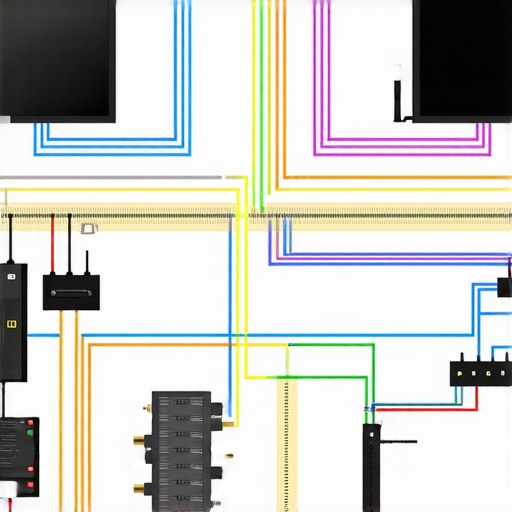
Revolutionizing Signal Protocols for Future-Ready Lighting Ecosystems
Transitioning from traditional PWM methods to digital communication standards like DMX512-A, Art-Net, or KiNET fundamentally transforms the landscape of LED control. These protocols facilitate multi-layer error correction, real-time feedback, and ultra-high bandwidth data exchange—crucial for synchronizing dynamic color effects with cinema-grade audio-visual cues. Incorporating intelligent network topologies, such as Mesh or Star configurations with fiber-optic backbone support, further boosts resilience against EMI and long-distance signal degradation. Industry pioneers suggest that future-proofing your system ensures compatibility with upcoming innovations like augmented reality integrations or automated calibration routines.
Custom Wiring for Scalability and Resilience
Designing scalable wiring platforms involves selecting modular connectors with high contact resistance, employing bus architectures like Ethernet-based AV-over-IP, and embracing socketed LED modules. These choices not only facilitate seamless expansions but also embody fault-tolerant principles by localizing potential failures, thereby optimizing maintainability. When constructing such architecture, priority should be given to high-quality, UL-listed components with proven endurance ratings, as well as implementing redundant power injection points to counteract voltage sags in multi-zone environments. For advanced design strategies, consult technical whitepapers on modular AV wiring solutions available through professional AV associations.
Calibration and Feedback: The Art of Precision in LED Environments
Embedding real-time sensors to monitor voltage levels, temperature, and ambient light enables adaptive feedback loops that fine-tune LED output with impeccable precision. These mechanisms utilize microcontroller-driven algorithms that respond dynamically to environmental fluctuations, preserving color accuracy, response timing, and luminance consistency. Sophisticated calibration software, integrated with firmware capable of profiling and compensating for component aging effects, empowers AV professionals to achieve and sustain cinematic quality. Experts highlight that such feedback-infused architectures are vital when deploying multi-zone systems that demand seamless transitions, especially during HDR playback where minute variations can impact viewer immersion.
Advanced Control Systems: Embracing Next-Gen Connectivity and Learning Capabilities
The convergence of high-speed protocols, machine learning algorithms, and edge computing positions modern control systems at the cusp of innovation. “Smart” controllers equipped with FPGA-based processing units can analyze signal integrity metrics in real-time, adapting transmission parameters to optimize performance. Integration of AI-driven predictive maintenance routines can preempt component failures, ensuring uninterrupted operation in high-demand environments. As the standards evolve—incorporating protocols like RDM (Remote Device Management) and Open Systems Gateway—home theater installations can attain a level of automation and responsiveness previously deemed unattainable. To harness these emerging technologies effectively, collaborating with specialists in embedded systems and embedded AI is advisable.
Mastering Advanced Wiring Principles for Flawless LED Performance
Achieving impeccable LED signal integrity requires a deep understanding of electrical pathways, component quality, and installation finesse. By prioritizing high-grade connectors, proper grounding practices, and optimized cable layouts, professionals ensure consistent brightness and color accuracy—critical in cinematic environments.
Invest in Quality Components and Materials
Choose certified, durable wiring and connectors designed for high-frequency data transmission. Materials like gold-plated contacts and PTFE-insulated cables reduce resistance and signal attenuation, safeguarding your setup against performance degradation over time.
Implement Strategic Power Injection and Signal Amplification
Strategic placement of inline power injectors and signal amplifiers maintains voltage levels and prevents data loss across extended runs. This proactive approach ensures uniform lighting, vital for multi-zone or expansive installations.
Adopt Shielded, Twisted Pair Cabling for Data Lines
Using twisted pair cables with electromagnetic shielding minimizes interference from other electronic devices. This technique preserves signal clarity, reducing flickering and color inconsistencies, especially in complex setups.
Resources for Deepening LED Signal Mastery
- IEEE Standards Association Publications: Industry-leading guidelines on electrical safety and EMI mitigation. Explore the standards here.
- Professional Wiring Solution Providers: Specialized companies offering modular wiring harnesses and custom cabling options for seamless high-end installations.
- Technical Manuals from LED Manufacturers: In-depth specifications and recommended practices to optimize signal routing and hardware compatibility.
- Expert Forums and Communities: Engage with AV professionals sharing insights on innovative wiring techniques at our contact page.
Evolving the Standard: Embrace the Future of LED Control
Next-generation protocols like DMX512-A and Art-Net revolutionize signal management, offering error correction, multi-zone synchronization, and real-time feedback. Incorporating these standards into your wiring architecture elevates system robustness and visual fidelity, aligning with high-end cinematic ambitions.
Upgrade Your System Towards Smart, Adaptive Wiring Solutions
Implementing intelligent controllers with built-in signal conditioners and feedback loops ensures consistent color rendering and response times. These systems adapt dynamically to electrical fluctuations, maintaining perfect calibration even during extended operating periods.
Ultimately, mastering complex wiring and signal strategies separates ordinary installations from professional-grade setups capable of delivering immersive, gallery-quality experiences. For a comprehensive approach, consult our detailed wiring guide and collaborate with seasoned AV specialists committed to excellence.
Leave a Reply