

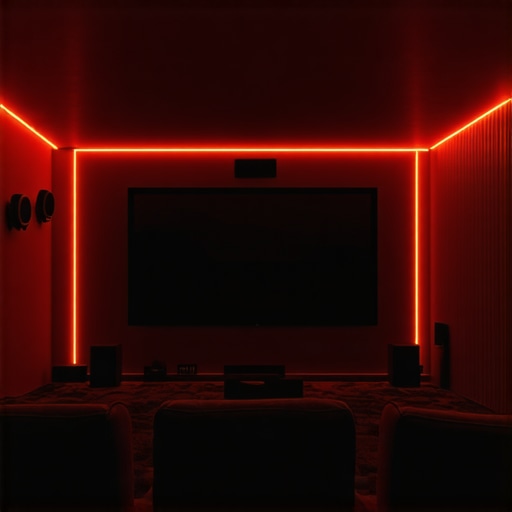
Transforming Ambiance: The Strategic Role of LED Strip and Bias Lighting in Modern Home Theaters
In the pursuit of cinematic perfection within the comfort of our residences, lighting design assumes a pivotal role that extends beyond mere illumination. Expertly integrated LED strips and bias lights redefine the sensory experience, creating immersive atmospheres that reflect a deep understanding of visual ergonomics and aesthetic harmony. As we progress into 2024, mastering the subtleties of ambient lighting is indispensable for serious aficionados aiming to optimize their home theater environments.
Unpacking the Complexities of Light Spectrum and Color Accuracy
One cannot overstate the significance of choosing LED lighting with precise spectral outputs. High-quality LED strips tailored for home theaters often feature adjustable color temperatures and high CRI ratings, ensuring vivid but natural hues that complement on-screen content. This calibration reduces eye strain and enhances color fidelity, which is especially critical during extended viewing sessions where light quality directly influences visual comfort.
How Does Bias Lighting Mitigate the Psychological Effect of Bright Screen Discrepancies?
Bias lighting serves as a subtle yet powerful mechanism to balance luminance disparities between the bright display and darker surroundings. Such strategic lighting not only alleviates visual fatigue but also amplifies perceived contrast, rendering images more vibrant and immersive. Expert configurations recommend positioning bias lights behind screens in a manner that minimizes glare while maximizing ambient utility, a technique detailed in dedicated guides like comprehensive bias strip setups.
Creating Synergy Between Backlighting and Overall Room Atmosphere
Effective backlighting involves layering LED strip placement to craft a cohesive environment that elevates the theatrical experience. Strategic placement—such as along crown moldings, behind shelves, or under furniture—couples functional illuminations with aesthetic enhancements. When integrated thoughtfully, backlighting transforms the room from a simple viewing area into a cinematic sanctuary, emphasizing spatial depth and color vibrancy.
Expert Techniques and Common Pitfalls in LED Ambient Illumination
Field experience underscores several key considerations: selecting LEDs with dimming capabilities, ensuring flicker-free operation, and employing seamless color transitions. Conversely, pitfalls include using overly bright lights that steal focus, inconsistent color temperatures that clash visually, or improper wiring leading to flickering or hardware failure. For in-depth strategies, consulte expert backlight integration tips.
What are the latest innovations in LED strip technology that can revolutionize home theater lighting in 2024?
As the industry advances, developments like addressable RGB LED strips with enhanced pixel control, improved color rendering index (CRI), and intelligent automation systems offer unprecedented customization and efficiency. Such innovations enable users to synchronize lighting with content, creating dynamic effects that elevate immersion, as discussed in recent white papers from lighting technology leaders.
For professionals seeking to push the boundaries of ambient lighting, exploring collaborative forums and consulting with lighting specialists can reveal emerging trends. Additionally, engaging with reputable sources such as the Illuminating Engineering Society provides authoritative insights into standards and best practices.
Interested in elevating your setup? Discover how to refine your lighting configurations and contribute your insights to the broader home theater community by reaching out through our contact page.
,
Harnessing Advanced LED Technologies to Elevate Home Theater Illumination
Innovations in LED strip design, such as miniature flexible circuits and high CRI, tunable-spectrum modules, are transforming the possibilities for ambient lighting. These cutting-edge solutions enable seamless integration into unconventional spaces and allow for ultra-precise color calibration, crucial for maintaining image fidelity and reducing eye strain during lengthy viewing sessions. Incorporating the latest bias lighting options ensures your setup remains at the forefront of both aesthetics and functionality.
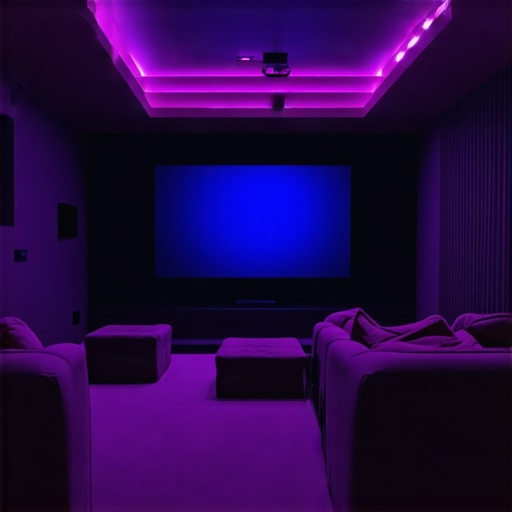
Why Are Custom Control Systems a Game Changer for Home Cinema Lighting?
Traditional wall switches and dimmers often fall short in delivering the dynamic luminance necessary for an immersive experience. Enter smart control systems—integrating LED strips with voice assistants, remote apps, and automation platforms like intelligent lighting controls offers unprecedented flexibility. These systems can sync with media playback, adjusting colors and brightness automatically to match scene intensity, thereby amplifying emotional engagement and realism in your cinematic environment.
How Can You Develop a Personalized Lighting Ecosystem to Match Every Movie and Mood?
Creating a versatile, yet coherent, lighting ecosystem demands a strategic approach that considers room layout, content types, and user habits. Layered lighting strategies—combining bias lights behind screens, accent lights along architectural features, and ambient washes—are vital. Additionally, leveraging custom scene presets can facilitate quick adjustments tailored for different genres, from action-packed blockbusters to serene documentaries. This personalized setup enhances viewer comfort and transforms your space into a true cinematic sanctuary.
If you’re eager to refine your environment further, engaging with professional lighting designers or consulting authoritative industry guidelines can help tailor solutions to your unique space. Remember, wise integration and innovative control elevate your setup from mere illumination to an emotional experience—ready for the next step? Reach out via our contact page for expert advice and tailored recommendations.
Precision Spectral Tuning for Visual Harmony in Home Cinema
Achieving unparalleled visual coherence demands more than just pre-set colors; it involves meticulous spectral tuning of your LED strips to align with your display’s color accuracy. Utilizing full-spectrum LED modules calibrated through spectroradiometers ensures ambient lighting complements the on-screen hues rather than conflicts with them. Experts recommend integrating spectral power distribution analysis into your setup, as detailed in technical resources like the Journal of Display Technology, which emphasizes the importance of matching ambient light spectra with display emission profiles for optimal visual harmony.
Maximizing Contrast Perception through Strategic Luminance Balancing
Perceptual contrast isn’t merely about brightness levels; it revolves around the dynamic interplay between luminance and viewer adaptation. Implementing adaptive bias lighting, which adjusts intensity based on ambient conditions and content luminance, can significantly enhance contrast perception. This approach employs sensors and intelligent controls to modulate light in real-time, ensuring that the scene details remain vivid without causing glare or discomfort. For an in-depth methodology, see the comprehensive guide published by the Illuminating Engineering Society on adaptive lighting techniques.
What Advanced Techniques Enable Room-Scale Lighting Synchronization with Content?
Synchronizing ambient lighting with video content on a room-wide scale transcends basic color matching. This requires employing spatially-aware lighting networks utilizing technologies such as DMX512, Art-Net, or even Wi-Fi-based protocols. By integrating these with media servers and real-time analytics, users can generate immersive effects that respond instantaneously to scene changes, creating an
Illuminating the Path to Personalized Light Mastery in Home Cinema
Transforming a standard room into a bespoke cinematic sanctuary demands more than off-the-shelf lighting; it encompasses a nuanced understanding of spectral tuning, control systems integration, and aesthetic cohesion. High-precision LED strips with full-spectrum capabilities allow enthusiasts to calibrate ambient light that harmonizes perfectly with their display’s color profile, ensuring visual fidelity and mood enhancement. Leveraging spectroradiometric analysis—an advanced technique scrutinized extensively in the Journal of Display Technology—can fine-tune spectral emission, elevating the immersive quality beyond conventional setups.
The Intricacies of Adaptive Luminance Balancing for Visual Comfort
Beyond static lighting, adaptive luminance strategies dynamically respond to content luminance and ambient conditions, optimizing contrast perception and reducing eye fatigue. This involves integrating sensor-based intelligent controls that modulate bias and accent lighting in real-time, a practice advocated by the Illuminating Engineering Society’s latest standards. Implementing these systems ensures that the ambient environment complements motion picture luminance curves, adding a layer of perceptual depth and realism that transcends basic backlighting.
Can You Synchronize Room-Wide Illumination with Your Media Seamlessly?
Achieving flawless synchronization between ambient lighting and cinematic content necessitates sophisticated hardware protocols such as DMX512 or Wi-Fi-enabled intelligent lighting networks. These systems facilitate pixel-perfect timing and color adjustments across multiple zones, enabling effects like color washes, dynamic accents, and scene-specific presets. Advanced media servers equipped with real-time analytics decode scene luminance and motion cues, translating them into synchronized lighting effects. As documented in recent white papers by industry innovators, this synergy exponentially elevates viewer immersion, allowing your home theater to respond intuitively to every scene.
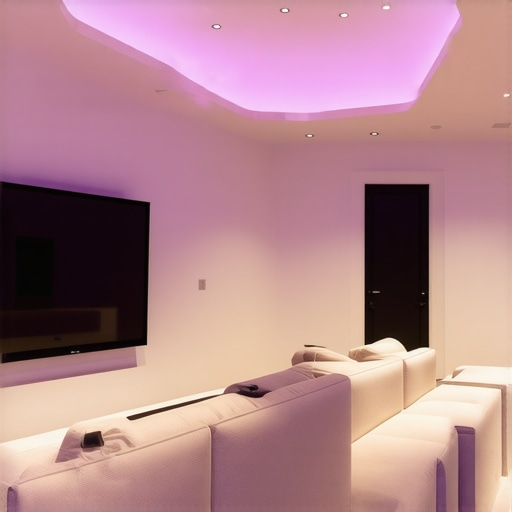
Implementing Multi-Zone, Layered Lighting for Depth and Atmosphere
Create spatial complexity by strategically layering lighting zones—install behind coves, beneath furniture, and along architectural borders—to craft a multidimensional environment. This approach balances functional illumination with aesthetic storytelling, guiding viewers’ focus and emulating theatrical depth. When combined with intelligent controls, layered lighting setups can adapt on-the-fly, transforming your space into a dynamic tableau that adapts to various genres and moods, enhancing both comfort and cinematic authenticity.
Embracing Innovation: The Future of LED Strip and Control Technologies
Emerging trends such as micro-scale flexible circuits and ultra-high CRI modules are redefining possibilities. Addressable RGB LED strips now feature pixel-level control, allowing for complex, scene-specific lighting effects synchronized with media playback. Integration with artificial intelligence and machine learning algorithms further enables predictive adjustments based on user preferences and environmental factors. Industry reports from the Illuminating Engineering Society highlight that these innovations not only improve visual harmony but also increase energy efficiency and operational longevity, paving the way for truly intelligent home theater environments.
Engage Deeper—Harness the Potential of Cutting-Edge Ambient Lighting Solutions
To stay ahead in the realm of immersive home cinema, it’s vital to participate in professional forums, consult with lighting technologists, and review leading industry standards. Exploring collaborations with specialists enables tailored implementations that maximize your setup’s potential. Dive into resources like the IES Lighting Handbook for authoritative guidance, and consider reaching out via our contact platform to unlock personalized strategies that perfectionize your cinematic sanctuary.
Expert Insights & Advanced Considerations
Brightness Calibration is Not Enough
Optimal ambient lighting requires meticulous spectral tuning to ensure harmony with your display’s color profile, reducing color fatigue and enhancing realism—standard brightness adjustments typically fall short of this precision necessary for high-end setups.
Layered Control Systems Elevate Experience
Integrating multi-zoned, intelligent control architectures allows seamless synchronization of lighting with media—this level of sophistication transforms your environment from static illumination to dynamic storytelling.
Spectral Power Distribution Guides Your Choices
Deep dives into spectral analysis inform the selection of full-spectrum, high-CRI LED modules, ensuring ambient light complements on-screen hues without causing conflict or visual strain, a nuance often overlooked in DIY approaches.
Adaptive Luminance Shapes Perception
Real-time adjustment of ambient lighting based on scene luminance enhances contrast perception and prevents eye fatigue, a cutting-edge technique that requires sensor integration and intelligent algorithms.
Room-wide Synchronization Unlocks Immersion
Employing spatially-aware lighting networks with media analytics enables instantaneous, scene-matched ambient effects, elevating the cinematic experience to professional levels within a personal space.
Curated Expert Resources
- Illuminating Engineering Society (IES) Standards: Offers comprehensive guidelines on adaptive lighting and spectral optimization essential for serious enthusiasts aiming for precision.
- Journal of Display Technology: Provides technical insights into spectral power distribution analysis, aligning ambient light with advanced display profiles for perfect harmony.
- Lighting Industry White Papers: Reports on recent innovations like addressable RGB LED strips and AI-driven control systems, shaping the future of home theater lighting.
Final Perspective from a Lighting Connoisseur
Mastering the art of ambient lighting in your home theater transcends conventional setups—it’s about embracing spectral precision, layered control, and adaptive technologies that synchronize seamlessly with your cinematic ambitions. As the landscape evolves, staying informed through authoritative sources and embracing innovative techniques places you at the forefront of immersive home experiences. Ready to elevate your environment? Connect with professionals or delve into expert resources to redefine what’s possible with your home cinema lighting.



Leave a Reply