

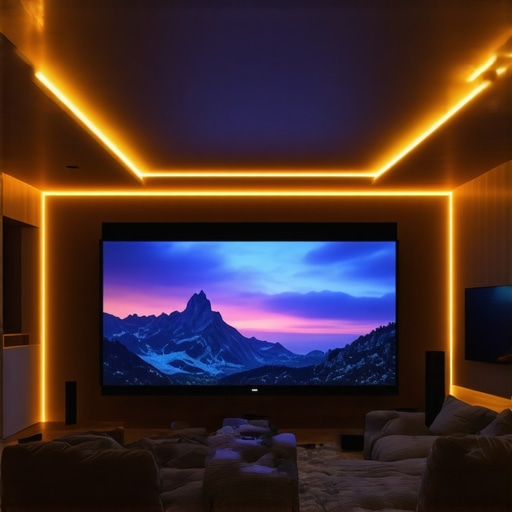
Unlocking the Potential of LED Technologies for a Premium Home Theater Experience
In the realm of high-end home theaters, ambient lighting transcends mere aesthetics, becoming a critical element that influences viewer immersion, reduces eye strain, and enhances overall cinematic quality. As an expert in lighting solutions, I recognize that the integration of innovative LED strip and bias lighting strategies is paramount for creating a sophisticated, adaptable environment in 2024. This discussion explores advanced concepts, technical considerations, and expert insights into optimizing LED lighting for home theaters.
The Science Behind Color Temperature and Brightness Control in Bias Lighting
One of the fundamental aspects of premium LED strip lighting involves precise control over color temperature and luminance levels. High-quality LEDs offer a broad spectrum of white light options, from warm 2700K tones to crisp 6500K daylight hues, which can be tailored to match ambient conditions and personal preferences. Implementing dimming capabilities with high fidelity ensures seamless transitions, vital for maintaining visual comfort during prolonged viewing sessions. For instance, the use of DMX or Zigbee-compatible controllers elevates this experience by enabling granular adjustments, integrating with smart home ecosystems for synchronized lighting cues.
Designing for Spatial Harmony: Layered Lighting and Zone Control
Expert-level home theater design emphasizes layered lighting, where LED strips are strategically placed to highlight architectural features, concealment elements, and provide functional illumination. Zoning techniques, enabled by advanced controllers, facilitate independent adjustment of different light segments, fostering dynamic atmospheres that adapt to content mood or user activity. For example, the perimeter LED strips can serve as bias lighting, reducing eye strain during dark scenes, while accent strips enhance room depth, and footlights improve safety without compromising the cinematic experience. For detailed guidance, consider consulting our comprehensive guide to LED strip and bias lighting.
Addressing the Challenges of Color Consistency and Longevity
Achieving uniform color and brightness across extensive LED installations requires meticulous selection of LEDs with high binning standards and robust heat management. The use of aluminum profiles and controlled environments extends lifespan and maintains color fidelity over years of operation. Additionally, calibration tools and software enable regular adjustments to ensure consistent quality. The debate on RGB versus tunable white LEDs remains active among professionals; however, tunable white LEDs generally offer more accurate color rendering and are preferable for bias lighting applications.
What are the most effective methods for integrating LED strip lighting with existing home automation systems to achieve truly seamless control?
Integrating LED lighting with smart home ecosystems such as Control4, Crestron, or Alexa-enabled devices requires compatibility with protocols like Zigbee, Z-Wave, or Wi-Fi. Professionals often utilize specialized controllers and custom programming to synchronize lighting with content playback, time-based routines, or voice commands. This integration not only enhances user experience but also ensures energy efficiency and long-term reliability. For practical implementation, review our expert tips on LED integration.
Conclusion
Mastering advanced LED strip and bias lighting techniques involves a nuanced understanding of color science, control systems, and aesthetic design principles. As technology evolves in 2024, staying informed about the latest innovations and industry standards remains essential for professionals aiming to deliver immersive, high-performance home theater environments. For further insights and personalized consultation, explore our contact page and become part of the elite community dedicated to cinematic excellence.
Elevating Home Theater Ambiance: The Nuances of LED Bias Lighting Customization
In the pursuit of cinematic perfection, the subtle art of bias lighting plays a pivotal role in elevating the viewer’s experience. Modern LED strip innovations allow for an unprecedented level of customization, enabling homeowners and professionals to tailor lighting schemes that complement specific room characteristics, content types, and personal preferences. By integrating tunable white LEDs with smart controllers, users can dynamically adjust color temperature and brightness, aligning lighting conditions with ambient daylight or evening settings. This flexibility not only enhances visual comfort but also preserves color accuracy, creating a more immersive environment. For practical guidance on selecting the best LEDs for your setup, visit our comprehensive guide on LED selection.
Are We Overlooking the Power of Layered Lighting for Depth and Dimension?
Many enthusiasts focus solely on perimeter bias lighting, but expert design emphasizes the importance of layered lighting strategies that introduce depth and spatial harmony. Incorporating accent lights, footlights, and architectural highlights enhances room perception, making the space feel larger and more integrated with the cinematic content. Advanced zoning controllers facilitate independent control of each layer, allowing for scene-specific adjustments that heighten immersion. For example, during a dark, suspenseful movie scene, dimming perimeter bias lights while accentuating architectural features can dramatically heighten tension and focus. To explore how layered lighting transforms your theater, check our expert guide to layered ambient lighting.
What innovative control systems can seamlessly synchronize LED bias lighting with audio-visual content to create a truly synchronized experience?
Achieving seamless integration between lighting and media playback involves leveraging advanced control systems like DMX512, Art-Net, or proprietary smart home platforms capable of real-time synchronization. These systems interpret audio cues, video frames, or scene metadata to adjust LED lighting dynamically, producing effects such as color shifts, pulsing, or scene-specific ambiance. For instance, when watching a fireworks scene, lights can pulse in harmony with sound effects, heightening immersion. Integrating these systems with voice commands or automation routines further enhances convenience and consistency. Professionals often recommend using dedicated controllers and software that support protocols like advanced synchronization tools for optimal results.
If you’re eager to push your home theater lighting to the next level, consider sharing your ideas or questions below, or explore more expert tips on enhancing your setup through professional LED strategies.
Harnessing Dynamic Color Calibration for Ultra-Realistic Home Theater Environments
One of the most sophisticated aspects of optimal LED bias lighting involves dynamic color calibration that adapts to various content and ambient lighting conditions. Utilizing high-end spectroradiometers and software algorithms, technicians can precisely map the spectral output of LED strips, ensuring flawless color rendering and uniformity across large installations. This calibration process is crucial for maintaining accurate color perception during complex visual scenes, especially in scenarios involving HDR content where luminance and color fidelity are paramount. According to a detailed study by the IEEE Transactions on Consumer Electronics, advanced spectral calibration techniques significantly improve perceived image quality and reduce viewer fatigue over extended periods. For enthusiasts aiming for professional-grade setup, integrating such calibration tools with smart home control systems is a game-changer, allowing real-time adjustments that keep the viewing experience consistently immersive.
Customizing Layered Lighting for Depth: Beyond Basic Zoning
While zoning has become a standard practice, expert-level home theater design extends into highly customized layered lighting schemes that incorporate multiple control layers, each with its own dynamic behavior. For example, integrating cove lighting with adjustable color temperatures, architectural uplights, and hidden footlights creates a multidimensional environment that responds to both content and user mood. This approach involves complex programming of DMX or advanced automation platforms, enabling scene-specific presets that automatically adjust the intensity, hue, and saturation of each layer. Such sophistication allows for scene-by-scene lighting cues that heighten narrative tension or emotional impact, transforming the room from a static environment into an active participant in the cinematic experience. Industry leader Home Theater Shack emphasizes the importance of meticulous planning and software-driven control for achieving this level of nuance.

Alt: Home theater layered lighting setup with multi-zone LED strips
What are the most effective methods for synchronizing complex layered lighting setups with multi-sensory media cues for heightened emotional engagement?
Synchronization of layered lighting with audio-visual content involves integrating multi-protocol control systems such as DMX512, Art-Net, or proprietary IP-based solutions. These systems interpret real-time media cues—such as scene changes, audio peaks, or metadata tags—and translate them into precise lighting adjustments across multiple layers. Advanced software platforms, like Lightjams or Madrix, facilitate scripting complex cues that respond to cinematic elements, creating a truly immersive environment. For example, during a tense action scene, lighting can subtly shift in hue and intensity in harmony with sound effects, enhancing emotional resonance. Moreover, incorporating AI-driven analytics and machine learning algorithms can optimize cue timing and transitions, ensuring seamless synchronization that elevates the viewer’s experience. According to the ScienceDirect Journal of Entertainment Computing, these integrations significantly amplify cinematic immersion and can be customized for individual preferences. For those seeking the pinnacle of home theater sophistication, mastering these control systems is essential—consider consulting with a professional to tailor a bespoke setup that aligns with your content preferences and technical environment.
Harnessing Spectral Precision: Elevating Color Calibration for Superior Visual Fidelity
Achieving ultimate color accuracy in home theater LED bias lighting necessitates deploying spectral calibration techniques that go beyond standard RGB adjustments. Utilizing high-resolution spectroradiometers, professionals can meticulously analyze the spectral output of LED strips, ensuring that the emitted light aligns precisely with cinematic standards. This process involves creating detailed spectral profiles and implementing software-based color management systems that adapt in real-time to ambient conditions and content requirements. According to the IEEE Transactions on Consumer Electronics, state-of-the-art spectral calibration significantly enhances perceived image quality by minimizing color shifts and ensuring consistency across large, multi-zone installations. For enthusiasts aiming for professional-grade precision, integrating such calibration protocols is paramount—pushing the boundaries of visual immersion and accuracy.
Expert Insights & Advanced Considerations
Precision Control Enhances Visual Comfort
Implementing high-fidelity dimming and color temperature adjustments with DMX or Zigbee controllers ensures seamless transitions and reduces eye fatigue during prolonged viewing. Mastering these controls elevates the cinematic experience and aligns lighting with content dynamics.
Layered Lighting and Zoning for Spatial Harmony
Strategic placement of LED strips across architectural features, coupled with independent zone control, creates immersive environments. Expert design emphasizes balancing bias, accent, and foot lighting to heighten depth and mood responsiveness, transforming room perception.
Spectral Calibration for Color Fidelity
Utilizing spectroradiometers and software calibration minimizes color shifts and maintains consistency, especially in HDR content. This advanced approach ensures the lighting complements high-resolution visuals, preserving authenticity and viewer engagement.
Seamless Media Synchronization
Leveraging control systems like DMX512 and AI-driven cues enables dynamic lighting responses aligned with media playback. Synchronizing color shifts, pulsing effects, and scene-specific cues heightens emotional impact and cinematic immersion.
Dynamic Color Calibration Techniques
Employing spectral profiles and real-time adjustments with professional calibration tools refines color accuracy. This precision ensures uniformity across multi-zone setups, elevating the overall visual fidelity and immersive quality of the home theater environment.
Curated Expert Resources
- Lighting Home Cinema Essentials Guide: Offers comprehensive insights on selecting and integrating LED strips for optimal home theater ambiance. Its detailed technical advice supports expert-level customization.
- IEEE Transactions on Consumer Electronics: Provides peer-reviewed research on spectral calibration and display technology, essential for understanding high-end color management techniques.
- Home Theater Shack: Features advanced ambient lighting design strategies, case studies, and software integration tips for professional-grade setups.
Final Expert Perspective
Mastering advanced LED bias lighting involves a nuanced understanding of spectral calibration, layered zoning, and synchronized control systems. As the field evolves in 2024, professionals who leverage these insights will craft truly immersive, high-fidelity home theater environments. For those committed to excellence, exploring detailed calibration protocols and integrating AI-driven automation offers the path to cinematic perfection. Engage with our resources and share your innovations—your expertise can redefine home entertainment standards.



Leave a Reply