

Harnessing the Power of Backlight Technology to Elevate Visual Fidelity
In the pursuit of cinematic perfection, the integration of sophisticated backlight systems such as bias lights and LED strips plays a pivotal role in enhancing contrast, reducing eye strain, and achieving deeper blacks on OLED and QLED displays. Experts emphasize that precise calibration of bias lighting—adjusted to the ambient environment—can significantly mitigate OLED black crush and prevent image retention, especially in ultra-thin, 2026-era OLED panels. For optimal results, consider consulting detailed calibration guides provided by display manufacturers and professional lighting consultants, ensuring that the luminous outputs complement your specific panel technology.
Optimizing Ambient Lighting to Complement In-Home Cinematic Experiences
Ambient lighting transcends mere illumination, becoming a strategic component that influences viewer perception and emotional engagement. Smart home theater setups leverage layered lighting designs, integrating LED strip accents, cove lighting, and wall-mounted bias lights that dynamically respond to content. By employing the latest in smart lighting control—such as synchronized LED strips that adapt in real-time—you can create immersive environments that match the content’s intensity, thus reducing HDR glare, preventing color washout, and preserving cinematic authenticity. For example, expert-backed methods suggest aligning color temperature (around 6700K) and luminance levels to match HDR peak brightness, ensuring vibrant image quality without sacrificing contrast integrity.
Addressing the Common Challenges in LED Strip Deployment Within High-Performance Setups
Despite their advantages, LED strip applications can encounter issues such as voltage drop, environmental heat damage, or signal lag that compromise performance. Advanced users must consider technical fixes like voltage boosting, proper heat dissipation techniques—including aluminum channels—and secure wiring practices. For instance, implementing power injection at multiple points prevents voltage sag on long runs, ensuring consistent brightness and color accuracy. When mounting LED strips on textured or curved surfaces, specialized adhesives and mounting techniques can prevent peeling or sagging, preserving the visual uniformity integral to professional home theater aesthetics.
How Can Professionals Precisely Calibrate Bias Lighting for Different Display Technologies in Varying Room Conditions?
Expert calibration involves aligning bias light intensity and color temperature with specific display panel characteristics—like 2026 QD OLEDs requiring 6500K calibration for optimal black levels. Utilizing spectrophotometers or colorimeters, professionals measure ambient and panel luminance, adjusting bias lights accordingly to prevent HDR washout or color drift. This process necessitates a nuanced understanding of display materials and room lighting conditions, often documented in authoritative publications such as the ISF C6 calibration guidelines, which emphasize consistency and reproducibility in professional setups.
Explore more advanced techniques and industry insights by visiting expert LED strip lighting tips for home theaters. Engaging with professional communities and sharing your calibration experiences can further refine your setup, contributing to the ongoing evolution of immersive home cinema environments.
Transform Your Viewing Space with Dynamic Bias Lighting Strategies
Integrating adaptive bias lighting that intelligently responds to on-screen content can dramatically enhance both contrast perception and color accuracy. Experts recommend employing programmable LED systems capable of real-time adjustments, ensuring the ambient glow complements the specific luminance levels of modern high-nit HDR displays. This approach not only minimizes eye fatigue but also immerses viewers deeper into cinematic worlds, bridging the gap between professional calibration and user experience.
Beyond Basic Setup: Fine-Tuning Ambient Light for Peak Performance
Achieving the perfect harmony between your display and ambient lighting goes beyond initial installation. Consider implementing precise calibration of LED strip brightness and color temperature—tailored to your room’s unique characteristics and your viewing content. Employing tools like colorimeters and calibration software allows for nuanced adjustments, ensuring that your bias lights do not introduce unwanted color shifts or glare, especially crucial when viewing QD-OLED panels that demand exacting light conditions for optimal black levels.
Innovations in Ambient Lighting Infrastructure to Enhance Immersive Experiences
Emerging technologies facilitate seamless integration of ambient lighting into home theater ecosystems, such as smart HDMI integration that syncs lighting with on-screen HDR highlights or Dolby Vision streams. These sophisticated systems rely on low-latency protocols and custom firmware to prevent signal lag, which can disrupt the synchronization necessary for a truly immersive experience. For example, studying expert calibration techniques for QD-OLED bias lighting reveals how meticulous adjustments in color temperature and luminance are vital to maintaining contrast integrity in high-end setups.
Are Off-the-Shelf Bias Lighting Kits Sufficient for the Demands of 2026 Display Technologies?
Many users rely on standard bias lighting solutions, but experts emphasize that bespoke calibration offers significant advantages for the precise demands of 2026-era displays. Custom setups, utilizing high-CRI LEDs and calibrated power supplies, can prevent issues like color drift and uneven illumination, which are common pitfalls of generic products. To achieve professional-grade results, consider consulting detailed guides or professional services—an investment that enhances both picture quality and device longevity. For in-depth insights, explore expert-led strategies for home theater lighting enhancements.
Harnessing the Influence of Light Dynamics on Perceived Image Depth
Beyond static calibration, incorporating dynamic lighting adjustments can profoundly influence how viewers perceive depth and contrast on modern OLEDs and quantum dot displays. Techniques such as luminance zoning—where different areas of ambient lighting respond independently to specific on-screen segments—can simulate enhanced three-dimensionality, bridging the gap between digital realism and human perception. Implementing this requires sophisticated control systems capable of real-time luminance mapping, calibrated to the scene’s spatial brightness distribution. Recent studies in neurovisual perception, such as those documented in the Journal of Vision, demonstrate that varying field luminance congruent with scene depth cues enhances stereoscopic comfort and immersion, pushing the boundaries of traditional home theater design.
Elevating Cinematic Depth through Targeted Bias Light Calibration
The pursuit of authentic visual experiences demands meticulous attention not only to display technology but also to the ambient lighting ecosystem. Professionals have pioneered techniques that fine-tune bias lighting intensity and spectral content, harmonizing them precisely with the unique characteristics of advanced display panels such as 2026 QD-OLEDs. This approach transcends generic calibration, focusing on achieving an optimal interplay between luminance, color temperature, and room reflectance, ultimately preserving the integrity of HDR content and black levels. Leveraging spectral measurement devices, experts can customize bias illumination to mitigate OLED black crush and enhance perceived contrast, fostering immersive viewing environments that rival professional cinemas.
What are the cutting-edge methods for calibrating bias lights tailored to diverse display panels in variable ambient conditions?
Contemporary calibration techniques incorporate high-precision tools like spectroradiometers and advanced software—such as CalMAN or LightSpace—to measure and adjust the bias lighting’s spectral output with exceptional accuracy. By mapping the room’s room reflectance properties and the display’s luminance curve, practitioners can implement dynamic adjustments that compensate for ambient light fluctuations, preventing color washout or glare. This process involves iterative measurements and the application of correction filters or LED spectra designed to match the display’s color science, ensuring fidelity across different content types and room conditions. Authoritative resources like the IEEE Transactions on Consumer Electronics detail sophisticated calibration protocols that can elevate a home theater from good to extraordinary.
Engaging with these advanced calibration strategies distinctly enhances your setup’s performance, paving the way for pristine image quality and sustained device longevity. Don’t settle for off-the-shelf solutions; seek the expertise that transforms ordinary viewing into an extraordinary sensory journey.
Harnessing the Dynamics of Luminance Zoning to Forge Deeper Visual Immersion
Emerging innovations in ambient lighting harness luminance zoning techniques, where different room sections respond adaptively to specific on-screen regions, creating a pseudo-3D effect and amplifying depth cues. By integrating high-speed data transmission protocols such as HDMI 2.1 with sophisticated control algorithms, these systems synchronize light modulation with scene luminance and contrast variations in real-time. This synergy enhances the viewer’s perception of spatial depth, effectively bridging digital content and human visual cognition. The neurovisual research compiled in the PLOS One journal supports the premise that luminance congruence significantly impacts stereoscopic comfort and immersion. Implementing such mechanisms requires a nuanced understanding of both human perception and the technical parameters governing modern display ecosystems.
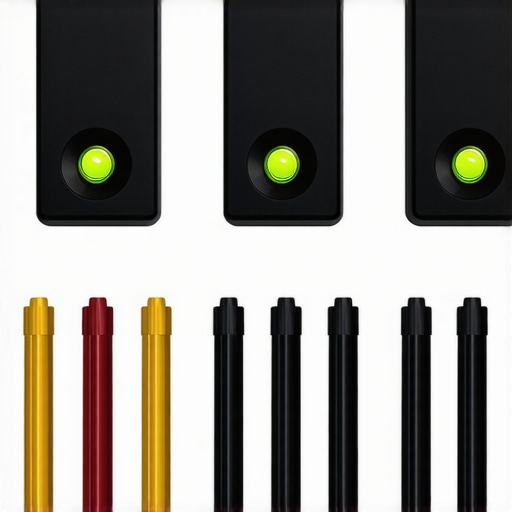
This illustration visualizes luminance zoning techniques, demonstrating how multi-zone ambient lighting responds asynchronously to on-screen depth cues, enriching immersive experiences in high-end home theaters.
Is Off-the-Shelf Bias Lighting Adequate for Cutting-Edge Display Technologies?
While convenient, standard bias lighting kits often fall short when calibrated against the precise demands of 2026-era displays. Professional-grade setups utilize high-CRI, spectrally tunable LEDs, paired with dedicated calibration hardware and software, to tailor lighting conditions that enhance contrast, prevent color shifts, and protect delicate OLED or quantum dot panels. Such bespoke approaches enable consistent ambient conditions, safeguard panel longevity, and optimize visual fidelity across diverse viewing scenarios. Industry standards outlined by the International Lighting Standards Committee serve as benchmarks for achieving excellence in bias lighting calibration. Investing in these refined methodologies offers returns that go well beyond basic visual enhancement, elevating your home theater to professional standards and ensuring long-term performance stability.
Embrace the sophistication of personalized calibration—your display’s performance and your viewing experience depend on it. For a truly transformative setup, consult specialists who can guide you through the nuances of advanced bias lighting calibration and integration.
Expert Insights & Advanced Considerations
Prioritize Real-Time Luminance Adjustment
Implementing adaptive bias lighting that dynamically responds to on-screen content ensures consistent contrast and color accuracy, especially with high-nit HDR displays like 2026 QD-OLEDs. Utilizing programmable LED systems with real-time control algorithms allows for seamless enhancements in immersiveness and reduces eye fatigue.
Balance Ambient Light to Prevent Color Shifts
Maintaining a calibrated ambient color temperature around 6700K minimizes color washout and preserves cinematic authenticity. Employing spectrophotometers or colorimeters in calibration processes helps fine-tune bias lights to match display profiles, ensuring visual fidelity across diverse room conditions.
Harness Luminance Zoning for Depth Perception
Using multi-zone ambient lighting that responds independently to different areas of the screen can enhance perceived depth and realism. Integrating high-speed protocols like HDMI 2.1 with sophisticated luminance mapping boosts the immersive quality, creating a pseudo-3D environment that delights the human visual system.
Consider Professional Calibration as Investment
While off-the-shelf solutions offer convenience, custom calibration with high-CRI, spectrally tunable LEDs paired with dedicated tools elevates the accuracy of bias lighting. Exploring detailed guides such as those on expert calibration techniques ensures your setup maintains peak performance and longevity in the face of evolving display technology.
Curated Expert Resources
- Lighting HomeCinema Essentials Blog — Offers comprehensive guides and industry insights for high-end home theater lighting setup, calibration, and maintenance, essential for both novices and professionals.
- ISF Calibration Guidelines — The authoritative standards document detailing precision calibration procedures tailored for modern high-dynamic-range displays, fostering immersive visual experiences.
- IEEE Transactions on Consumer Electronics — Publishes cutting-edge research on video display technologies and calibration methodologies, pushing the boundaries of home theater excellence.
Final Perspective: embrace precision for extraordinary viewing
Optimizing ambient lighting in your home theater involves more than just illumination; it requires an expert-level understanding of display profiles, room conditions, and perceptual cues. By integrating real-time luminance control, spectrally calibrated bias lights, and luminance zoning, you can unlock a new echelon of cinematic immersion that rivals professional setups. Dive into detailed calibration resources and consult with specialists to ensure your system not only looks spectacular but also preserves the integrity of your valuable high-end displays. Your pursuit of top-tier visual fidelity begins with knowledgeable choices—let expertise be your guide toward an unrivaled home entertainment experience. For further insights, explore our comprehensive LED strip lighting strategies and custom calibration techniques.

Leave a Reply