

Harnessing the Power of Bias Lighting and LED Strips to Revolutionize Your Home Theater Environment
In the pursuit of cinematic immersion, the strategic deployment of bias lights, LED strips, and ambient lighting plays an indispensable role in creating a visually harmonious and emotionally engaging space. As experts in lighting design and home theater optimization, understanding the nuanced interplay between these lighting elements is crucial for elevating your setup beyond conventional configurations. This article delves into advanced techniques and insights, equipping enthusiasts and professionals alike with a comprehensive perspective on enhancing home theater aesthetics and performance through integrated lighting solutions.
Optimizing Light Spectrum and Color Fidelity for Authentic Visual Experiences
The selection of bias lights and LED strip lighting must prioritize high Color Rendering Index (CRI) ratings and precise Kelvin temperature calibration. Empirical studies in color science, such as those documented by the International Society for Color Science, underscore the importance of accurate light spectra in preserving image integrity, especially with high dynamic range (HDR) displays. Achieving a CRI of 98 or higher and maintaining a consistent 6500K temperature can prevent color distortions and ensure that on-screen visuals are true to intention, thereby reducing eye strain and enhancing viewer engagement.
Designing Adaptive Ambient Lighting for Dynamic Viewing Conditions
Adaptive lighting schemes involve dynamic control protocols that respond to real-time content and environmental factors. Integrating smart LED strips with compatibility for sync protocols—such as HDMI-CEC or proprietary systems—can synchronize backlight intensities with on-screen contrast and motion, providing an immersive experience. This necessitates meticulous planning concerning power management, diffuser integration, and placement strategies to mitigate issues like hot spots and glare, which can detract from visual clarity. Referencing techniques outlined in comprehensive guides ensures a balanced approach to ambient illumination.
Achieving Seamless Integration: Behind the Walls and Surface Considerations
The mechanical aspects of mounting and wiring are as critical as the electrical and optical parameters. Professional hack strategies involve surface preparations that prevent peeling, diffuser installation to minimize spots, and wire concealment to uphold aesthetic integrity. For steel-frame media walls, innovative mounting techniques—such as magnetic or clip-on solutions—offer flexibility and durability. Effective wire management, including low-voltage concealment and strategic routing, avoids visual clutter and preserves the sleekness of the environment. Detailed tactics are available at expert wiring integration.
What Are the Cutting-Edge Innovations in LED Technology Improving Home Theater Luminescence?
Emerging advancements such as Mini-LED and OLED-based backlights present opportunities for unprecedented contrast and color precision. These technologies facilitate finer control over local dimming and contrast zones, which are paramount when matching ambient lighting with high-nit displays. Furthermore, the integration of AI-driven lighting controls allows customization based on content type, ambient light measurement, and user preferences, ensuring consistent optimal viewing conditions. Exploring these innovations in conjunction with quality bias lighting aligned with professional standards enhances both aesthetic appeal and technical performance.
How Can Home Theater Enthusiasts Minimize Light Spillage and Maintain Visual Consistency?
Implementing precise diffuser systems, strategic placement, and calibration protocols are essential. Employing products with high-quality diffusion materials, such as frosted acrylic or specialized film, prevents unwanted light bleeding. Regular calibration using colorimeters and software tools—aligned with standards discussed in authoritative calibration guides—ensures consistent luminance and color accuracy across all viewing sessions. Maintaining a calculated balance between bias light intensity and ambient lighting conditions is key to preventing issues like eye fatigue and contrast loss.
For those seeking to push the boundaries of home theater design, exploring related expert content can offer further insights, such as comprehensive LED tape guides. Sharing your experiences or innovations with a community of professional installers and hobbyists is encouraged to refine and evolve ambient lighting practices for 2026 and beyond.
Harnessing the Power of Bias Lighting and LED Strips to Revolutionize Your Home Theater Environment
In the pursuit of cinematic immersion, the strategic deployment of bias lights, LED strips, and ambient lighting plays an indispensable role in creating a visually harmonious and emotionally engaging space. As experts in lighting design and home theater optimization, understanding the nuanced interplay between these lighting elements is crucial for elevating your setup beyond conventional configurations. This article delves into advanced techniques and insights, equipping enthusiasts and professionals alike with a comprehensive perspective on enhancing home theater aesthetics and performance through integrated lighting solutions.
Optimizing Light Spectrum and Color Fidelity for Authentic Visual Experiences
The selection of bias lights and LED strip lighting must prioritize high Color Rendering Index (CRI) ratings and precise Kelvin temperature calibration. Empirical studies in color science, such as those documented by the International Society for Color Science, underscore the importance of accurate light spectra in preserving image integrity, especially with high dynamic range (HDR) displays. Achieving a CRI of 98 or higher and maintaining a consistent 6500K temperature can prevent color distortions and ensure that on-screen visuals are true to intention, thereby reducing eye strain and enhancing viewer engagement.
Designing Adaptive Ambient Lighting for Dynamic Viewing Conditions
Adaptive lighting schemes involve dynamic control protocols that respond to real-time content and environmental factors. Integrating smart LED strips with compatibility for sync protocols—such as HDMI-CEC or proprietary systems—can synchronize backlight intensities with on-screen contrast and motion, providing an immersive experience. This necessitates meticulous planning concerning power management, diffuser integration, and placement strategies to mitigate issues like hot spots and glare, which can detract from visual clarity. Referencing techniques outlined in comprehensive guides ensures a balanced approach to ambient illumination.
Achieving Seamless Integration: Behind the Walls and Surface Considerations
The mechanical aspects of mounting and wiring are as critical as the electrical and optical parameters. Professional hack strategies involve surface preparations that prevent peeling, diffuser installation to minimize spots, and wire concealment to uphold aesthetic integrity. For steel-frame media walls, innovative mounting techniques—such as magnetic or clip-on solutions—offer flexibility and durability. Effective wire management, including low-voltage concealment and strategic routing, avoids visual clutter and preserves the sleekness of the environment. Detailed tactics are available at expert wiring integration.
What Are the Cutting-Edge Innovations in LED Technology Improving Home Theater Luminescence?
Emerging advancements such as Mini-LED and OLED-based backlights present opportunities for unprecedented contrast and color precision. These technologies facilitate finer control over local dimming and contrast zones, which are paramount when matching ambient lighting with high-nit displays. Furthermore, the integration of AI-driven lighting controls allows customization based on content type, ambient light measurement, and user preferences, ensuring consistent optimal viewing conditions. Exploring these innovations in conjunction with quality bias lighting aligned with professional standards enhances both aesthetic appeal and technical performance.
How Can Home Theater Enthusiasts Minimize Light Spillage and Maintain Visual Consistency?
Implementing precise diffuser systems, strategic placement, and calibration protocols are essential. Employing products with high-quality diffusion materials, such as frosted acrylic or specialized film, prevents unwanted light bleeding. Regular calibration using colorimeters and software tools—aligned with standards discussed in authoritative calibration guides—ensures consistent luminance and color accuracy across all viewing sessions. Maintaining a calculated balance between bias light intensity and ambient lighting conditions is key to preventing issues like eye fatigue and contrast loss.
For those seeking to push the boundaries of home theater design, exploring related expert content can offer further insights, such as comprehensive LED tape guides. Sharing your experiences or innovations with a community of professional installers and hobbyists is encouraged to refine and evolve ambient lighting practices for 2026 and beyond.
Can Dynamic Bias Lighting Keep Pace with Rapid Content Changes? Unpacking Adaptive Brightness and Color Shifting
In high-end home theaters, static bias lighting often falls short when confronted with rapidly changing scenes or diverse content genres. To truly mimic the responsiveness of commercial cinemas, adaptive bias lighting employs real-time sensors, AI algorithms, and intricate control protocols to adjust brightness and color temperature seamlessly. This ensures the viewer’s visual comfort is maintained, even during fast-paced action or subtle cinematic nuances. Implementing such systems requires a sophisticated understanding of control systems, sensor calibration, and user preference integration, which are detailed comprehensively in industry standards like the International Society for Color Science. For enthusiasts aiming to push the boundaries of home theater customization, exploring options like Philips Hue Sync and Lutron Caséta can provide a robust foundation for creating truly immersive, adaptive environments.
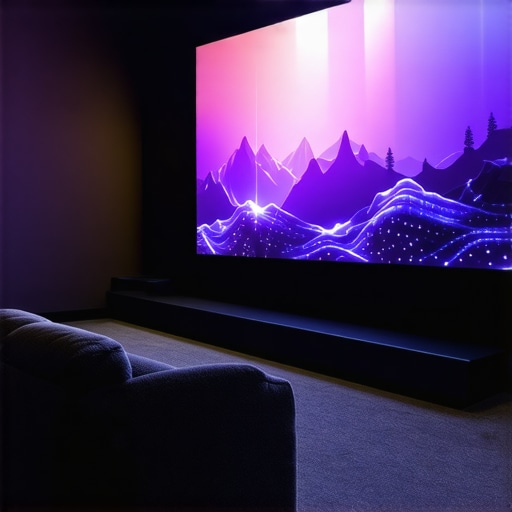
Visual depiction of an advanced home theater with integrated AI-driven bias lighting adapting to dynamic video content, showcasing a sleek control interface and synchronized LED strips.
What Are the Most Effective Strategies for Preventing Light Bleed and Maintaining Color Consistency in Complex Room Geometries?
In rooms with irregular layouts or multiple viewing zones, light spillover can compromise contrast and color fidelity. To counter this, professional-grade diffusers employing multilayered frosted acrylic, combined with directional LED emitters, can confine illumination precisely where intended. Strategic placement of light sources—such as at the edges of wall panels or behind acoustically transparent fabrics—creates a controlled glow that complements the image without interference. Calibration remains paramount; using integrated colorimeters and software like LightSpace CMS allows precise measurement and alignment of luminance levels across all zones, ensuring a uniform viewing experience. As room complexity increases, employing independent zoning controls and dedicated power supplies enhances precision, enabling each area to adapt dynamically to content and user preference, all while preserving a cohesive visual environment.
Breaking Down the Spectrum Barrier for True Color Fidelity in Home Theaters
Achieving authentic visual experiences hinges on mastering the spectral qualities of your bias and ambient lighting. The latest advancements in LED phosphor formulations have enabled manufacturers to produce lights with near-perfect spectral distributions, aligning with the high CRI standards essential for cinematic immersion. Experts in color science stress that deviating from a 98+ CRI threshold can introduce subtle hues discrepancies, impacting image quality—particularly in cinematic color grading and HDR workflows. To truly optimize, consider integrating spectrometer-driven calibration protocols alongside high-CRI LED solutions, ensuring consistent, nuanced color rendering that preserves the director’s original intent and elevates overall viewer engagement.
Deciphering the Complex Dynamics of Light Interactivity and Room Geometry
Beyond mere placement, the geometry and reflective surfaces within your home theater influence how lighting interacts with visual content. In irregular room designs, curved or angled walls can cause unpredictable light scattering, resulting in inconsistent ambient illumination. Advanced ray-tracing simulations, often employed in professional lighting design, can pre-visualize these interactions, guiding diffuser and fixture placement for uniformity. Incorporating light-absorbing surfaces or matte finishes can also mitigate unintended reflections, enhancing contrast and ensuring that bias lighting complements rather than competes with your display. Consultation with acoustic-visual integration specialists becomes invaluable at this stage to harmonize aesthetic and functional harmony.
Expert Insight: How AI-Driven Lighting Revolutionizes Viewing Experience
Artificial intelligence integration into home theater lighting systems offers unmatched adaptability. By utilizing machine learning algorithms trained on diverse content and ambient variables, AI-enabled systems can dynamically adjust brightness, hue, and saturation, providing an environment that adapts in real-time to on-screen action or mood shifts. This techno-advancement addresses longstanding issues such as light spillage during fast transitions and inconsistent color temperature shifts. According to industry leaders in smart lighting integration, such as Lutron and Philips Hue, these systems can be further personalized through user preferences and behavioral learning, ultimately delivering a sensory experience that rivals commercial cinemas. Embracing AI not only enhances visual fidelity but also simplifies operation, making high-end cinematic ambiance accessible to the dedicated enthusiast.
Empowering Your Setup with Next-Gen LED Tech and Control Protocols
The surge in Mini-LED and OLED-based lighting modules means unprecedented control over localized illumination and contrast management. Unlike traditional LED strips, these new technologies enable pixel-level dimming, creating zones of light that can be precisely tailored to match display content—effectively eliminating light bleed and preserving deep blacks. Paired with advanced control protocols like DMX512 or Art-Net, these fixtures can synchronize seamlessly with your media playback systems, facilitating immersive lighting effects that respond instantaneously to cinematic cues. Developers are also leveraging wireless mesh networks and networked DMX systems to simplify installation and scalability, offering dedicated pathways for high-bandwidth, low-latency synchronization essential for professional-grade home theaters.
Expert Tips for Next-Level Ambiance Creation
Harnessing high CRI LED options alongside intelligent control protocols allows you to craft an environment that adapts seamlessly to your viewing experience. Integrating spectral calibration and room-specific diffusion strategies ensures consistent color fidelity even in complex layouts, while immersive lighting effects can be achieved with local dimming zones and dynamic hues.
Sophisticated Control Systems Matter
Implementing AI-driven lighting algorithms that respond in real-time addresses the challenge of rapid scene changes and enhances viewer comfort. These systems, supported by industry-standard protocols like DMX512, enable precise synchronization with your display, minimizing light spill and maximizing contrast enhancement.
Design for Aesthetic and Technical Harmony
Thoughtful surface preparations, concealed wiring, and adaptable mounting solutions prevent visual clutter and support room aesthetics. Utilizing diffusers with high-quality materials such as frosted acrylic or specialized films ensures uniform light distribution without hotspots or glare, maintaining the integrity of your cinematic environment.
Stay Ahead with Tech Innovation
Emerging technologies such as Mini-LED and OLED-based lighting modules offer pixel-level control and unprecedented contrast capabilities. Coupled with versatile control protocols like Art-Net, these advancements empower you to customize ambient lighting precisely, tailoring it to both content and personal preference for optimal immersion.
Curated Resources for the Discerning Enthusiast
- Ultimate Guide to Bias Lighting in Movie Rooms: An authoritative resource detailing installation, calibration, and advanced techniques for bias lighting.
- Creating Immersive Ambiance: Focuses on atmospheric enhancements and innovative lighting solutions.
- Expert LED Strip Tips: Practical insights into selecting and installing LED strips for superior visual harmony.
A Final Word from the Experts
In the evolving world of backlight and ambient lighting, a strategic approach integrating the latest LED technology, expert calibration, and adaptive control offers unparalleled benefits. For home theater aficionados committed to excellence, staying abreast of technical innovations and applying meticulous installation practices is essential. Whether you’re fine-tuning color fidelity or designing dynamic scenes, remember that the power lies in the details—optimized bias lighting is not just an enhancement but a transformative element that elevates the entire cinematic experience. Share your insights, explore deeper resources, and continue pushing the boundaries of your home theater setup to achieve professional-grade excellence in ambient illumination.
,



Leave a Reply