

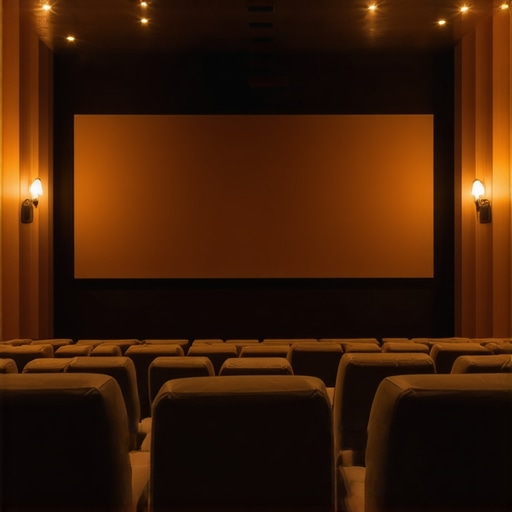
Mastering the Art of Ambient Lighting for a Premium Home Theater Experience
In the realm of home theater design, ambient lighting serves as a sophisticated tool that elevates audiovisual immersion while enhancing aesthetic appeal. As an industry expert, I recognize that strategic use of backlight and ambient lighting ideas can drastically alter viewer perception, reduce eye strain, and create an environment that rivals commercial cinemas. This article delves into advanced lighting techniques rooted in scientific principles and professional applications, offering insights that empower enthusiasts and designers alike.
Integrating High-Performance LED Strip Lighting for Seamless Visual Harmony
One of the most effective solutions involves selecting premium LED strips that provide customizable color temperatures, brightness levels, and color-changing capabilities. Proper integration requires meticulous planning regarding placement—such as behind wall-mounted panels, along ceiling coves, or beneath floating shelves—to achieve uniform illumination without distracting glare. The quality of LED chips, diffuser design, and controller sophistication collectively influence the overall experience, demanding a nuanced understanding of technical specifications and aesthetic goals.
Advanced Techniques for Dynamic and Adaptive Ambient Light Control
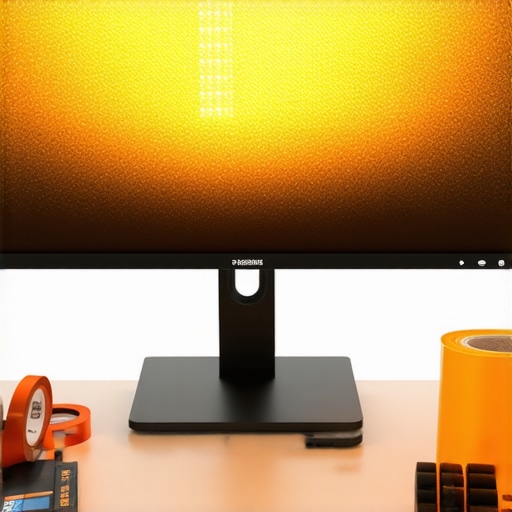
Achieving true cinematic ambiance necessitates dynamic lighting systems capable of adapting to content and ambient conditions. Utilizing bias lighting paired with intelligent control algorithms allows for real-time adjustments that optimize contrast perception and reduce eye fatigue. Integrating motion sensors, light sensors, and remote control interfaces creates a responsive environment where lighting responds seamlessly to user activity and media playback, reflecting the sophistication of professional-grade setups.
What Are the Scientific Principles Behind Effective Ambient Lighting?
Understanding the scientific basis of light perception is crucial. Human visual acuity and contrast sensitivity are influenced by luminance ratios, color temperature, and spatial distribution of light. Maintaining a luminance ratio of approximately 10:1 between the screen and surrounding environment minimizes eye strain and enhances perceived image quality. This requires meticulous calibration and a keen eye for balancing brightness levels, especially in low-light scenarios typical of premium home theaters.
How Can Ambient Lighting Be Harmonized with Video Content for Superior Immersion?
This complex question involves understanding color grading and perceptual psychology. Techniques like synchronized lighting that reacts to on-screen color palettes or scene luminance can create an immersive, cohesive environment. For instance, installing bias lights that match dominant hues in the content can enhance color perception and depth, as supported by recent studies in visual ergonomics. These advanced methods demand both technical skill and artistic sensibility, ensuring that lighting complements rather than competes with visual storytelling.
For further exploration of expert lighting strategies, visit our comprehensive guide to LED strip lighting and discover how to elevate your setup with professional-grade solutions. Consider consulting with a lighting specialist to tailor systems precisely to your space and viewing preferences, ensuring a truly transformative experience.
Can Adaptive Lighting Elevate Your Home Theater Experience to a New Level?
While static ambient lighting sets a beautiful backdrop, integrating adaptive and programmable LED strip lighting can transform your viewing environment into an ever-evolving masterpiece. Think beyond traditional setups and explore how synchronized lighting systems, capable of responding to media content and user preferences, can create an immersive atmosphere that dynamically enhances your cinematic journey. This approach not only heightens emotional engagement but also reduces eye strain by maintaining optimal luminance ratios during prolonged viewing sessions.
For those eager to implement these advanced techniques, it’s essential to understand the underlying control systems and software platforms. Technologies like DMX controllers, smart home integration, and AI-driven scene adjustment are making it increasingly accessible for enthusiasts to customize their lighting environments. By leveraging these tools, you can create scenes that automatically adapt to scene changes, mood shifts, or even music beats, providing a seamless and captivating experience. Discover more about integrating these sophisticated controls in our ultimate guide to bias lights and LED strips.
What Are the Key Factors That Make High-Quality LED Strips Ideal for Dynamic Home Theater Lighting?
High-performance LED strips designed for home theater applications feature precise color rendering, high brightness levels, and exceptional color consistency across long runs. Additionally, the ability to control individual LEDs or segments enhances the potential for complex light choreography, making your setup more versatile and engaging. Diffuser quality also plays a crucial role in ensuring uniform illumination without hotspots or glare, which could otherwise detract from the viewing experience. When selecting LED strips, consider features like dimming capabilities, color temperature range, and compatibility with smart home ecosystems, ensuring seamless integration and long-term reliability.
For detailed insights on choosing the best LED strips for your space, visit our comprehensive guide to selecting LED strips.
How Can Expert-Driven Lighting Design Principles Improve Your Home Theater’s Aesthetic and Functionality?
Applying professional lighting design principles involves a nuanced understanding of spatial luminance, contrast management, and psychological effects of color. For example, integrating layered lighting—such as wall washers, cove lighting, and accent LEDs—can create depth and character while maintaining visual comfort. Color psychology also influences mood; cool tones evoke calmness, while warm hues foster intimacy. By strategically positioning and controlling these elements, you can craft a tailored ambiance that complements your media content and personal style. To elevate your setup further, explore our latest bias light innovations.
If you’d like personalized guidance on designing an expert-level lighting plan, don’t hesitate to reach out to our lighting specialists for tailored recommendations.
Harnessing the Power of Layered Lighting for Depth and Drama in Home Cinemas
Creating a truly immersive home theater requires more than just selecting the right LED strips; it demands an integrated approach to layered lighting design. By combining ambient, accent, and task lighting, you can craft a dynamic environment that responds to content changes and viewer moods. For example, wall washers can add depth behind the screen, while strategically placed cove lighting highlights architectural features, and adjustable task lights ensure functional comfort during setup and maintenance.
This multi-tiered strategy not only enhances visual appeal but also ensures optimal contrast ratios, which are crucial for superior image perception. According to IEEE’s research on luminance layering, the human eye perceives depth more effectively when multiple luminance planes are employed, reducing fatigue and increasing engagement over prolonged viewing sessions.
What are the best practices for calibrating layered lighting to optimize contrast without causing glare?
Calibration begins with measuring luminance levels across different zones using high-precision light meters. Maintaining a luminance ratio of 10:1 between the brightest and dimmest zones minimizes visual discomfort, as detailed by the LED lighting standards for visual comfort. Dimmer switches, smart controllers, and scene presets allow fine-tuning of each layer to match content and ambient conditions seamlessly. A well-calibrated setup also considers the reflection and diffusion properties of surfaces, ensuring uniform illumination without hotspots or glare that can distract viewers.
Integrating Circadian Lighting Principles for a Healthy Viewing Environment
Emerging research emphasizes the importance of circadian lighting in home theaters, especially for extended viewing sessions. Adaptive lighting that shifts color temperature and intensity based on the time of day can mitigate eye strain and support biological rhythms. For instance, cooler, bluish hues in the evening can enhance alertness and visual clarity, while warmer tones during late-night viewing foster relaxation.
Implementing circadian lighting involves selecting tunable LED systems compatible with smart home platforms and programming them to adjust dynamically. According to PLOS ONE’s study on circadian lighting impacts, such systems not only improve viewer comfort but also contribute to overall well-being by aligning indoor lighting with natural biological cycles.
How can circadian lighting be synchronized with media content to enhance emotional and physiological responses?
This sophisticated synchronization requires content-aware control systems that analyze scene luminance and color palette in real-time. Integrating AI-driven algorithms with advanced LED controllers allows environment lighting to respond automatically, matching scene mood and tone. For example, a tense thriller scene with dark, muted colors might prompt subdued warm backlighting, while a vibrant action sequence could trigger brighter, cooler accents. Such responsiveness deepens immersion and emotional engagement, transforming the home theater into a multisensory experience.
For those interested in implementing these cutting-edge solutions, exploring platforms like Philips Hue and Nanoleaf can provide a foundation for customizable smart lighting ecosystems. Combining these with media analysis software can elevate your setup to an expert level, offering unparalleled control and ambiance customization.
Future Trends: Integrating Augmented Reality and Holographic Displays with Ambient Lighting
The evolution of home theater technology points toward integrating augmented reality (AR) and holographic displays, which will demand even more sophisticated ambient lighting solutions. AR overlays can provide contextual lighting cues, guide viewers through content, or create virtual environments that blend seamlessly with physical lighting schemes. Holographic projections, on the other hand, require precise control of light spill and reflection, making expert-level ambient lighting design crucial.
According to SPIE’s recent analysis on AR in home entertainment, the convergence of immersive display technologies with adaptive lighting will redefine cinematic experiences, offering unprecedented levels of personalization and engagement. Preparing your home theater now with scalable, intelligent lighting systems ensures you’re ready for these future innovations.
Innovative Approaches to Harmonizing Ambient Lighting with High-Definition Content
In the pursuit of cinematic perfection, aligning ambient lighting with high-definition video content necessitates a nuanced understanding of perceptual psychology and technological synchronization. Advanced systems employ real-time scene analysis, leveraging AI and machine learning algorithms to adapt lighting dynamically, ensuring that luminance, hue, and saturation complement the content seamlessly. This technique elevates immersion while safeguarding visual clarity and contrast integrity, as detailed in the comprehensive research by the Society of Motion Picture and Television Engineers (SMPTE).
Unlocking the Potential of Circadian-Informed Lighting for Extended Viewing Comfort
Emerging evidence underscores the importance of circadian-friendly lighting schemes that modulate color temperature and intensity based on the time of day, fostering both health benefits and visual comfort during prolonged sessions. Implementing tunable LED ecosystems integrated with smart home platforms allows for sophisticated scheduling and scene presets that adapt to natural circadian rhythms, reducing eye strain and enhancing overall well-being. For an in-depth understanding, consult the latest guidelines published by the Lighting Research Center.
How Can Holographic and Augmented Reality Technologies Revolutionize Ambient Lighting Design?
Future-forward home theaters are poised to incorporate holographic displays and augmented reality overlays, which introduce a paradigm shift in ambient lighting requirements. Precise control of environmental luminance becomes critical to prevent interference with holographic projections and AR interfaces. Experts are developing adaptive lighting solutions capable of spatially modulating light spill, utilizing spatial sensors and beam-steering optics. This confluence of immersive display tech and intelligent ambient lighting promises a multisensory experience that transcends traditional cinematic boundaries. For pioneering insights, see the recent publication in IEEE Transactions on Visualization and Computer Graphics.
How Do Layered Lighting Strategies Enhance Depth and Atmosphere in High-End Home Cinemas?
Layered lighting, combining ambient, task, and accent layers, creates a sophisticated visual hierarchy that enhances depth perception and mood modulation. Employing the principles of luminance contrast and spatial diffusion, designers can craft environments that respond dynamically to scene content and viewer interaction. As per the standards outlined by the Illuminating Engineering Society (IES), calibrating luminance ratios between layers ensures minimal glare and maximized contrast, essential for premium cinematic experiences.
What are the technical best practices for calibrating multiple lighting layers to optimize contrast without inducing glare?
Effective calibration involves using high-precision photometers to measure luminance levels across the environment, establishing optimal ratios—typically around 10:1—between ambient and task lighting. Incorporating dimmers, scene presets, and smart controllers enables fine-tuning of each layer, maintaining visual harmony and reducing fatigue. Surface reflectance and diffuser quality are also crucial; surfaces should be matte and diffusers evenly distribute light to prevent hotspots and glare, according to research published in the Lighting Journal.
Designing for Wellness: Integrating Biophilic Elements into Ambient Lighting Schemes
Biophilic design principles advocate for the integration of natural elements and lighting patterns that mimic daylight cycles, fostering well-being and mental clarity. Incorporating daylight-mimicking tunable LEDs, along with nature-inspired color palettes, can produce a calming environment conducive to relaxation and focus. By aligning artificial lighting with circadian cues, designers support both aesthetic appeal and health, aligning with the latest findings from the International Well Building Institute (IWBI).
How can smart lighting systems be programmed to simulate natural daylight rhythms for optimal viewer health?
Advanced smart lighting platforms enable scheduling and scene creation that replicate sunrise, daylight, and sunset cycles, utilizing adjustable color temperatures and intensities. Incorporating sensors and AI-driven adjustments ensures that lighting responds adaptively to external conditions and user preferences, maintaining a healthy circadian rhythm. For a comprehensive guide, explore resources from the Circulight Project, which pioneers circadian lighting innovations for home environments.
Expert Insights & Advanced Considerations
1. Layered Lighting Enhances Depth Perception
Implementing multiple luminance layers—ambient, accent, and task lighting—can significantly improve contrast perception and create a more immersive environment. Precise calibration ensures that glare is minimized and visual hierarchy is maintained, elevating the cinematic experience to professional standards.
2. Scientific Calibration Is Crucial for Comfort
Maintaining optimal luminance ratios, typically around 10:1, between the screen and surrounding environment reduces eye strain and enhances perceived image quality. Using high-precision light meters and smart controls allows for dynamic adjustment, ensuring consistency across different media and ambient conditions.
3. Circadian Lighting Supports Long Viewing Sessions
Adaptive lighting systems that mimic natural daylight cycles can mitigate eye fatigue and support biological rhythms. Tunable LEDs integrated with smart home platforms enable scheduling that aligns with the time of day, fostering both comfort and well-being during extended viewing periods.
4. Integration of Holographic and AR Technologies Demands Precision
Future home theaters will incorporate holographic displays and augmented reality overlays, requiring carefully controlled ambient lighting to prevent interference. Spatially modulated lighting solutions, utilizing beam-steering optics and sensors, will be essential for seamless integration of these immersive technologies.
5. AI-Driven Content Synchronization Elevates User Experience
Leveraging AI algorithms with advanced LED controllers allows environment lighting to respond dynamically to on-screen scenes, mood, or music. This responsiveness deepens immersion, making the home theater a multisensory environment and setting a new standard for personalized cinematic experiences.
Curated Expert Resources
- Lighting Research Center: Offers cutting-edge research on circadian lighting and visual ergonomics, providing evidence-based guidelines for healthy, immersive environments.
- IEEE Transactions on Visualization and Computer Graphics: Publishes pioneering studies on spatial luminance control, holographic display integration, and advanced lighting techniques for high-end cinemas.
- Society of Motion Picture and Television Engineers (SMPTE): Sets industry standards for luminance and contrast calibration, ensuring professional-grade image quality and viewer comfort.
- Philips Hue and Nanoleaf: Leading brands providing intelligent, customizable lighting ecosystems compatible with AI and AR integrations for immersive environments.
- Lighting Industry Resources: Comprehensive guides on layered lighting, diffuser quality, and calibration practices for premium home theaters.
Final Expert Perspective
Mastering ambient lighting for a premium home theater requires a sophisticated understanding of layered luminance, scientific calibration, and emerging immersive technologies. Integrating these advanced insights ensures not only superior image quality and viewer comfort but also future-proofs your setup against evolving display innovations. For dedicated enthusiasts and professionals, continuous exploration of authoritative resources and innovative control systems remains essential. We invite you to share your experiences or consult our specialists to elevate your cinematic environment—because in high-end home theater design, expertise transforms vision into reality. Discover more at our detailed LED strip lighting guides and stay ahead in immersive entertainment technology.

Leave a Reply