

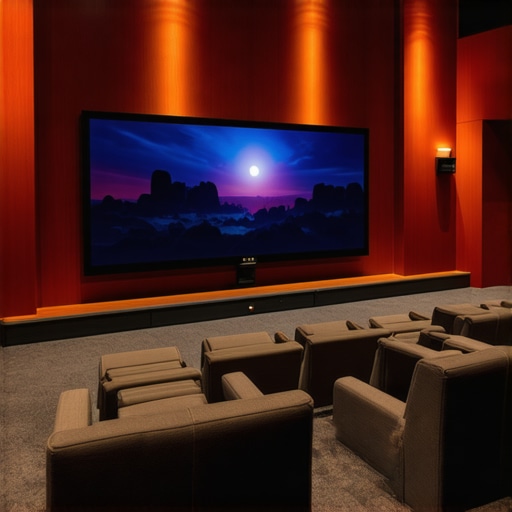
Revolutionize Your Movie Experience with Expert Home Theater Lighting Techniques
In the modern pursuit of cinematic immersion, the intricacies of lighting design—ranging from bias lights to sophisticated LED strip configurations—play a pivotal role in shaping the audiovisual ambiance. As technology advances, so does the potential to craft environments that not only elevate visual fidelity but also optimize viewer comfort and emotional engagement. Deep understanding of these lighting modalities enables content creators and enthusiasts to transcend basic illumination and venture into a realm of nuanced atmospheric control.
The Art of Bias Lighting in Cinema-Quality Setups
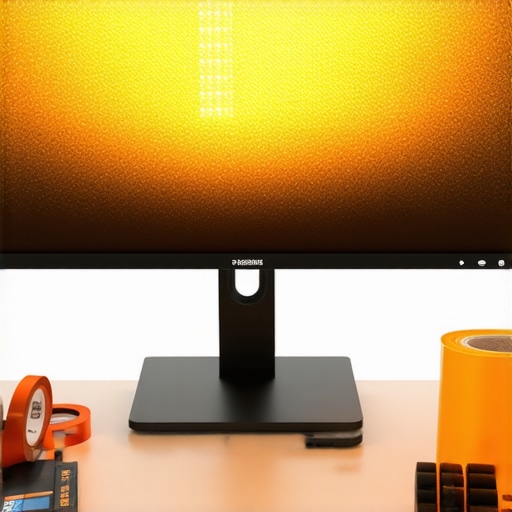
Bias lighting, an understated yet potent element, serves to mitigate eye strain and enhance perceived contrast without distracting from the screen. Expert installations leverage bias LED strip lighting placed strategically behind displays, ensuring a seamless transition between the glow and the content. Proper bias lighting not only renews visual clarity but also influences psychological responses, heightening immersive sensation when calibrated with professional precision.
Navigating the Complexity of Backlighting for Dynamic Environments
Backlighting, often intertwined with ambient lighting schemes, introduces layered depth and spatial awareness within home theater environments. Unlike static illumination, backlights can be dynamically adjusted to match scene changes, employing LED strips that support DMX control systems or set color-temperatures. This adaptability amplifies contrast ratios and cinematic realism, fostering an atmospheric fidelity that aligns with expert standards documented in advanced lighting methodologies.
Crafting Ambiance through Layered LED Strip Configurations
Expert implementation advocates for the segmentation of LED strips into zones, each programmable for color, intensity, and timing, thus enabling complex lighting sequences synchronized with audio-visual stimuli. Such configurations transcend basic accent lighting, becoming integral to the narrative flow of a film. For instance, soft ambient hues during dialogue scenes contrast vividly with intense backlight bursts during action sequences, a technique discussed extensively in recent lighting strategy white papers.
How Can I Balance Brightness and Color in LED Backlight Systems to Maximize Comfort Without Sacrificing Atmosphere?
Achieving this balance requires meticulous calibration of LED intensity and color temperature—ideally employing professional-grade dimmers and spectrally tuned LEDs to prevent eye fatigue and color distortions. Using smart lighting controls that adapt based on ambient light levels and content type further optimizes this equilibrium. Experts recommend referencing detailed guides on LED strip bias lighting installation for tailored strategies.
For advanced insights into integrating these techniques seamlessly, explore our comprehensive resources or connect with home theater lighting professionals to tailor solutions that meet your unique environment demands.
Interested in elevating your lighting game? Delve into our expert articles or share your innovative setups at our contact portal.
Elevate Your Atmosphere with Smart Zone Customization
One of the most profound advancements in home theater lighting involves segmenting LED strip systems into multiple programmable zones, allowing for dynamic, scene-based adjustments that synchronize seamlessly with your content. This layered approach facilitates tailored visual effects—like dimming sections for focused viewing or changing colors to match mood swings—profoundly enriching the cinematic experience. By employing advanced controllers supporting DMX or Wi-Fi protocols, users gain nuanced control, transforming ambient light from mere background to a pivotal storytelling element. For detailed guidance on setting up these sophisticated configurations, consult our comprehensive guide on LED strip zoning techniques.
The Power of Calibrated Color Temperatures in Visual Comfort
Beyond basic brightness, the precise calibration of LED strip color temperatures plays a critical role in optimizing comfort and reducing eye strain. Expert installations recommend a sequence of steps: measuring ambient light, assessing content requirements, and selecting LEDs capable of displaying a full spectrum—ranging from warm 2700K hues for cozy environments to cooler 6500K tones for neutral, balanced viewing. Recognizing that inconsistent lighting can lead to visual fatigue, it’s essential to employ high-quality dimmers and spectrally tuned LEDs to ensure uniformity. For deeper insights, explore our targeted article on creating immersive ambiance with precisely tuned bias lights.
What Are the Hidden Benefits of Integrating Voice-Controlled Lighting in a Home Theater?
Incorporating voice-control technology with your lighting setup offers more than mere convenience. It enables real-time adjustments, scene activation, and integration with broader smart home systems, thereby enhancing accessibility and streamlining transitions between different viewing modes. Moreover, voice commands can facilitate rapid adaptation to evolving content, such as switching from ambient to blackout scenes during intense action sequences, all without interrupting your cinematic immersion. Such integration not only elevates user experience but also aligns with the latest trends in smart home automation, as detailed in industry-leading sources like expert lighting automation strategies.
Are you ready to push your home theater lighting into the future? Reach out to our specialists through our contact page and discover personalized solutions that blend technology with artistry.
Harnessing Circadian Lighting Principles to Optimize Viewing Comfort
Integrating circadian lighting concepts into your home theater design transcends basic ambiance, targeting the synchronization of artificial lighting with natural human biological rhythms. The strategic use of tunable LEDs that simulate natural daylight profiles—ranging from warm dawn hues to cool midday tones—can significantly diminish eye fatigue and enhance overall relaxation during extended viewing sessions. According to leading chronobiology research published in PLOS ONE, implementing adaptive lighting that aligns with circadian rhythms promotes better sleep patterns and cognitive alertness post-viewing. Expert-level systems incorporate dynamic control algorithms that adjust color temperature and luminance based on the time of day, content type, and viewer preferences, creating a seamless and health-conscious environment.
Optimizing Color Rendering for Visual Precision and Narrative Depth
Delving into the nuances of color rendering indices (CRI) reveals their critical influence on cinematic fidelity. High-CRI lighting—typically above 90—ensures accurate color reproduction, vital for both professional content creators and passionate cinephiles seeking authenticity. Advanced LED systems equipped with spectral tuning capabilities allow precise control over spectrum outputs, facilitating nuanced storytelling through lighting cues that match emotional beats or scene moods. This calibration extends beyond mere aesthetics; it influences viewer perception and emotional response, as demonstrated by neurovisual studies in NeuroImage. Effective implementation involves integrating these fixtures with smart controllers that automate adjustments in real-time, aligning scene transitions with lighting shifts for an immersive experience that rivals professional cinema environments.
What Are the Pitfalls of Over-Complicating Lighting Configurations Without Proper Calibration?
Advanced lighting setups, while offering immense creative flexibility, carry the risk of introducing visual inconsistencies that can detract from the cinematic experience if not meticulously calibrated. Overly complex zone controls or spectral tuning without rigorous testing may result in color mismatches, flickering, or undesirable shifts in luminance—distractions that diminish immersion. Moreover, excessive layering of lighting effects can inadvertently cause viewer fatigue or interfere with dark scene details, especially if ambient light bleed becomes an issue. Industry experts caution that each technological addition must be supported by comprehensive calibration procedures, such as utilizing spectroradiometers and employing standardized test patterns, to ensure coherence. For those eager to refine their setup, consulting authoritative guidelines from organizations like the International Lighting Design Association can provide invaluable insights into maintaining balance amidst technological complexity.
Understanding these potential pitfalls underscores the necessity for a disciplined approach, combining technological proficiency with artistic sensibility. Interested enthusiasts and professionals alike should consider engaging with specialized training or consulting services to master the delicate art of multi-layered lighting calibration, ensuring each element reinforces the others without overwhelming the visual narrative.
Integrating Circadian Rhythms to Transform Viewing Comfort
Beyond aesthetic appeal, the strategic design of lighting systems in home theaters can harness circadian principles to promote viewer well-being. Utilizing tunable LEDs aligned with natural daylight cycles—warm hues in the early evening and cooler tones during daytime—can mitigate eye strain and foster synchronized biological rhythms. Such integration demands meticulous calibration, incorporating spectroradiometric assessments and dynamic control algorithms, to emulate natural photopic patterns convincingly. According to research published in PLOS ONE, this approach not only enhances visual comfort but may contribute to improved sleep quality post-viewing sessions.
Employing Advanced Spectral Tuning to Elevate Narrative Impact
Advances in spectral tuning technology empower creators and enthusiasts to craft lighting environments that respond to narrative nuances with remarkable fidelity. High-CRI LEDs with customizable spectral outputs enable scene-specific color rendering that enhances mood and emotional resonance. Integration with intelligent control systems allows for real-time adjustments synchronized with content progression, elevating the cinematic atmosphere. Expertise in spectral calibration—using tools like spectroradiometers—ensures the precise delivery of intended hues, thus preserving narrative integrity and visual authenticity across diverse content types. For authoritative guidance, consult industry white papers from organizations like The International Lighting Design Association.
What Are the Most Effective Strategies for Correcting Color Mismatches in Multi-Zone LED Setups?
Remedying color inconsistencies across segmented lighting zones necessitates a combination of rigorous calibration protocols and sophisticated control algorithms. Employing spectral measurement devices combined with machine learning-driven calibration routines can harmonize color output, ensuring seamless transitions and uniform appearance. Additionally, scene-specific presets stored within control systems facilitate swift, precise adjustments, thereby maintaining atmospheric cohesion during dynamic content shifts. To attain mastery over these techniques, industry professionals recommend comprehensive training modules focusing on spectral management and multi-zone synchronization.
Compare and contrast advanced calibration methodologies to determine which best suits your environment’s complexity—embrace the challenge of perfecting your cinematic sanctuary.
The Understated Power of Voice Control in Cinematic Ambiance
The advent of voice-activated lighting systems marks a significant leap toward intuitive, immersive home theater experiences. Beyond convenience, voice control enables instantaneous scene adjustments—dim the lights for a suspenseful moment, or brighten subtly during a dialogue—without disrupting viewer engagement. Integrating these systems with smart home networks enhances accessibility, especially for users with mobility constraints. Advanced implementations leverage natural language processing to interpret contextual cues, allowing for complex commands that synchronize lighting with audiovisual elements. The result is a seamlessly orchestrated environment that elevates storytelling and user convenience alike—detailed in the latest industry innovations documented by leading smart home automation sources.
Ready to revolutionize your cinematic environment? Connect with our experts and discover how to implement cutting-edge voice-controlled lighting solutions tailored to your aesthetic and functional priorities.
Unseen Depths of Lighting Precision
Achieving cinematic excellence requires more than just installing LED strips; it demands meticulous calibration and strategic zoning that transforms a simple room into an immersive masterpiece. Professionals leverage spectral tuning, dynamic scene adjustments, and circadian rhythm principles to craft environments that resonate emotionally and visually. Every hue, intensity, and placement is a deliberate choice shaping the narrative of your space.
Amplify Emotional Impact with Color Dynamics
Employing high-CRI LEDs with customizable spectral outputs allows for nuanced storytelling. Subtle shifts in color temperature can evoke feelings of warmth, tension, or tranquility. Integrating real-time control systems enables seamless scene transitions that mirror film moods, elevating the viewer’s connection beyond passive consumption.
Layered Lighting as a Narrative Tool
Segmenting LED zones into distinct regions supports complex lighting sequences synchronized with content. This layered approach not only enhances contrast and depth but also facilitates scene-specific ambiance adjustments, making your setup a storytelling partner rather than mere illumination.
Intelligent Integration for Seamless Control
Modern systems support voice commands, smartphone apps, and automation routines. These integrations enable spontaneous scene changes, adaptive brightness, and Mood-boosting circadian alignment, all orchestrated effortlessly—your room becomes a living, breathing part of the cinematic journey.
Prioritize Comfort While Maximizing Atmosphere
Calibrating brightness and color temperature to reduce eye strain without sacrificing mood involves employing spectrally tuned LEDs and smart dimming. Regular measurement with spectroradiometers ensures consistency. Elegant solutions like adaptive lighting, which responds to ambient conditions, keep viewers comfortable during marathon viewings.
Expert Resources to Deepen Your Mastery
- Lighting Home Cinema Essentials’s Guide to Bias Lighting Techniques offers comprehensive insights into selecting and installing bias lights for optimal contrast and comfort.
- White Paper on Spectral Tuning and LED CRI Standards from industry leaders provides technical depth on achieving accurate color rendering.
- Home Automation and Lighting Control Protocols documentation covers the latest in voice, app, and AI integration for seamless scene management.
- Chronobiology Studies on Circadian Lighting published in reputable journals explain how to align lighting with natural rhythms for health benefits.
- Professional Calibration Services and Tools directories connect enthusiasts with expert technicians and equipment to ensure perfect setups.
Transform Your Space with Insight and Precision
Elevating your home theater lighting transcends basic installation; it embodies an art of nuanced control, atmospheric storytelling, and health-conscious design. By integrating spectral tuning, zoned programmable systems, and circadian principles, you craft an environment tailored precisely to your cinematic expectations and well-being. Remember, mastery begins with informed choices and strategic implementation—embrace these expert insights to realize your ultimate audiovisual sanctuary. Ready to refine your setup? Engage with our seasoned specialists or explore detailed tutorials to unlock the full potential of your lighting domain.

Leave a Reply