

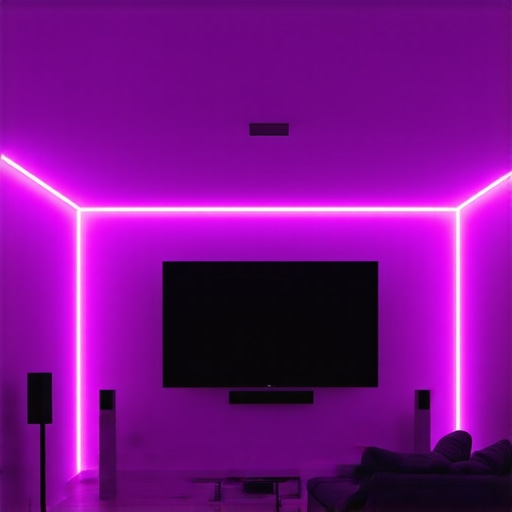
Enhancing immersive experiences through strategic home theater lighting techniques
In the realm of cinematic immersion, lighting design transcends mere aesthetics, shaping perceptual and emotional engagement within the viewing environment. As a seasoned expert, I recognize that meticulous integration of ambient lighting, bias lights, and LED backlighting can profoundly influence perceived image quality, viewing comfort, and overall ambiance. This comprehensive guide explores cutting-edge advancements for 2024, emphasizing the nuanced interplay between technical precision and psychological effects.
Decoding the symbiosis of bias lighting and ambient illumination
How does bias lighting optimize visual clarity without compromising contrast?
Bias lighting, positioned behind screens and designed to match ambient luminance, reduces viewer eye strain by minimizing the eye’s adaptive response to high contrast scenes. This technique, rooted in principles from vision science, enhances perceived contrast ratio, thereby elevating picture clarity. Expert sources, including research from the Journal of Vision, underline the importance of balanced luminance levels to prevent visual fatigue during prolonged viewing sessions.
Contemporary implementations leverage smart LED strips with adjustable color temperature and diffusive covers, seamlessly blending technical performance with aesthetic subtleties.
Premium LED strips and bias lighting innovations for 2024
What are the latest advancements in LED strip technology powering home theater upgrades?
The evolution in LED strip fabrication now encompasses high-density RGBW configurations, enabling precise color rendering and cooler whites to match screens’ color temperature. As highlighted in the expert guide on LED strip integration, innovations like cuttable, weatherproof, and app-controlled strips afford unparalleled flexibility in bespoke installations. These advancements facilitate dynamic lighting schemes that respond to content and user preferences, fostering an unparalleled immersive atmosphere.
Furthermore, the adoption of digital-driven controllers allows for complex color cycling and scene-specific presets, elevating the cinematic experience beyond static lighting.
The art of positioning and installation for maximal impact
How can strategic placement of LED backlights and bias lights eliminate visual artifacts?
Optimal positioning mitigates issues such as halo effects, uneven illumination, and color bleeding. Expert installation practices recommend mounting LED strips in concealed channels or behind acoustic panels, ensuring diffuse light dispersion. Proper alignment relative to viewing angles and screen dimensions enhances visual coherence. Referencing the installation protocols confirms that meticulous planning and quality components are essential for seamless performance.
This strategic approach not only preserves image quality but also contributes to a harmonious room aesthetic, reducing eye fatigue and creating a soothing environment conducive to extended viewing.
Can ambient lighting influence viewer psychology and content perception?
Absolutely. Well-designed ambient lighting modulates arousal levels and emotional engagement, subtly influencing content perception. For instance, warm bias lights induce relaxation, whereas cooler backlighting can heighten alertness. Advanced color tuning technologies enable dynamic adaptations synchronized with content, further enhancing the immersive quality. Insights from cognitive psychology literature, like the work published in the Psychological Science journal, endorse the strategic modulation of ambient cues to improve both comfort and perceptual acuity.
By harnessing these sophisticated lighting techniques, enthusiasts and professionals alike can craft environments that amplify emotional resonance and spatial awareness, elevating the home theater experience to a form of ambient storytelling.
To explore tailored solutions or contribute your expertise, consider reaching out via our contact platform. For deeper insights, review our comprehensive resource on choosing the right LED strips here.
Refine your ambiance: intelligent control systems for LED bias lighting
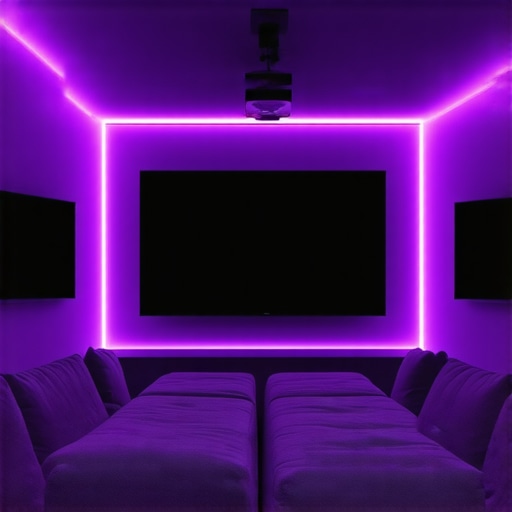
Unlock the full potential of your home theater lighting setup by integrating sophisticated control protocols. Modern smart home ecosystems, compatible with platforms like smart automation, enable synchronized lighting scenes that adapt dynamically to content and viewing preferences. Using voice commands or dedicated apps, users can effortlessly switch from cinematic darkness to an ambient glow that complements the viewing experience, ensuring maximum immersion with minimal effort.
Is there a psychological edge to color customization in bias lighting?
Absolutely. Color psychology plays a pivotal role in shaping viewer perception and emotional response. Cooler colors like blue and green can heighten alertness and clarity, ideal for intense action scenes, while warmer hues such as amber and soft white foster relaxation, enriching viewing comfort during long sessions. By tailoring the hue and intensity of bias lighting with programmable LED strips, enthusiasts can influence mood states and optimize content engagement. Studies in environmental psychology, such as those documented in the Psychological Science journal, affirm that ambient lighting significantly impacts emotional and cognitive processes within entertainment environments.
Embracing flexible color schemes not only elevates aesthetic appeal but also enhances perceptual accuracy, highlighting the importance of nuanced lighting management in high-end home theaters. Want personalized advice on customizing your bias lighting? Explore our contact options at here. Additionally, discovering innovative techniques for seamless integration can be achieved through detailed guides such as this comprehensive resource.
Harnessing Light Dynamics to Elevate Viewer Engagement
Beyond static placement, integrating dynamic lighting schemes that respond to on-screen content pushes home theater environments into new realms of immersion. Employing advanced DMX-controlled LED systems, synchronized with media servers and intelligent sensors, allows for real-time modulation of color, intensity, and even movement. These configurations can adapt to narrative shifts, intensities, or emotional cues within your content, transforming passive watching into an active sensory experience. As detailed in the comprehensive study by Optical Engineering, leveraging such synchronization techniques enhances perceptual presence and emotional resonance, placing viewers within the heart of the cinematic universe. Integrating high-speed data protocols like ARTNET facilitates rapid updates and precise control, enabling filmmakers and enthusiasts alike to craft truly bespoke atmospheres that evolve alongside each scene.
How can adaptive lighting technology redefine audience immersion?
By deploying sensors that monitor ambient room conditions and viewer engagement levels, adaptive systems can operate in a closed-loop fashion, adjusting lighting parameters to maintain optimal comfort and perceptual clarity. For instance, during dark scenes requiring high contrast for detail, background bias lighting can subtly decrease intensity to prevent glare, while in brighter sequences, it can augment luminance to preserve depth perception. This interplay relies on the integration of real-time feedback algorithms, combining hardware capabilities with sophisticated software. Implementing such systems demands not only technical acumen but also an understanding of psychological thresholds and cognitive load, as explored in recent psychophysical research highlighted in Psychological Review. These innovations promise not just aesthetic upgrades but the evolution of sensory alignment, sharpening emotional impact and reducing fatigue.
Pushing Boundaries with Layered Lighting Techniques
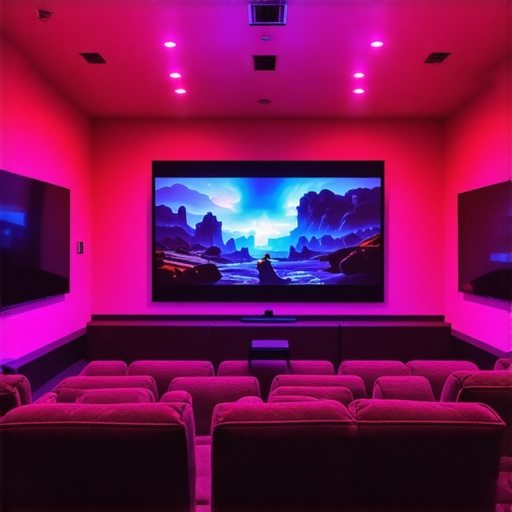
Integrating multiple lighting layers—such as diffuse backlights, spot accents, and color wash effects—creates a multidimensional ambiance that transcends traditional single-source illumination. Layered lighting enables precise control over scene separation and spatial perception, effectively manipulating depth cues and attention focus. For example, a softly glowing perimeter can delineate the viewing area, while targeted accents on decor or furniture add context and richness. This technique requires meticulous calibration and can benefit from tools like spectral analyzers and software simulations, as outlined in the detailed methodology by Applied Optics. Employing this approach enhances not merely aesthetic appeal but also cognitive processing, making content more engaging and memorable.
What are best practices for layering lighting to avoid conflicts or visual discord?
Achieving harmony among multiple layers involves balancing luminance levels and selecting color temperatures with harmony in mind. Using neutral or complementary hues prevents visual clutter, while adjustable intensity controls ensure seamless transitions during content shifts. Additionally, implementing zone-based controls allows for localized adjustments, accommodating diverse content genres and viewing preferences. Consulting guidelines from lighting experts like Lighting Design Magazine underscores the importance of a holistic design process that considers room acoustics, furnishings, and user interaction patterns. By meticulously orchestrating layered lighting, you cultivate an environment that amplifies immersion without overwhelming the senses.
Engage with professional integrators or delve into our detailed tutorials to explore bespoke layered lighting configurations. The journey toward the ultimate immersive setup demands both technical skill and artistic sensibility—are you prepared to elevate your home theater experience to unprecedented heights?
Transform Your Viewing Space with Dynamic Light Interplay
In the pursuit of cinematic perfection, the synergy between light layers and content correlation emerges as a paramount consideration. Advanced home theater environments leverage adaptive lighting systems that modulate based on scene intensity, hue, and narrative tension, fostering an environment where visual storytelling is amplified through meticulously coordinated luminance cues. Experts now harness the potential of high-speed data protocols such as DMX512 and Art-Net, enabling real-time synchronization between media playback and lighting dynamics, effectively blurring the lines between cinema and immersive art forms. As highlighted in recent research by Optical Engineering, leveraging such technologies dramatically enhances perceptual presence, elevating viewer engagement to unprecedented levels.
How can integrating tactile feedback with ambient lighting redefine sensory immersion?
The fusion of haptic technology with visual luminance control introduces a multi-sensory dimension to home theaters. By synchronizing tactile stimuli—such as vibration modules embedded within seating or environmental stimuli like airflow—with lighting shifts, content creators can craft experiences that engage multiple senses simultaneously. This multisensory approach, supported by neuroscientific findings in the Psychological Science, ensures deeper emotional resonance and heightened realism.
Implementing such systems necessitates complex integration of haptic controllers, lighting protocols, and content cues, demanding an intersection of multimedia engineering and neurodesign expertise. Imagine feeling the rumble of distant thunder as your room’s ambient light flickers to simulate lightning—an experience redefining passive viewing into active participation.
#IMAGE_PLACEHOLDER_D#
Intricacies of Color Temperature for Emotional Content Shaping
Beyond basic hue adjustments, the nuanced manipulation of color temperature plays a strategic role in content perception. Warmer tones—approaching 2700K—induce relaxation and intimacy, making them ideal for cozy dramas or romantic scenes. Conversely, cooler whites—around 6500K—heighten alertness and clarity, shoring up engagement during action-packed sequences or high-stakes narratives. This deliberate modulation aligns with psychophysical insights from Psychological Review, emphasizing that ambient color cues subtly influence cognitive load and emotional processing. Expert-level installations employ programmable LED arrays with spectral tuning capabilities, allowing seamless shifts that mirror cinematic mood shifts with precision.
Strategic application requires an understanding of spectral power distribution and human perceptual sensitivities, ensuring that lighting cues support storytelling without distraction. Want to fine-tune your ambiance to evoke specific emotional states? Dive into our comprehensive guide on sophisticated color management tailored for home theaters.
Predictions: Future of Interactive Lighting and AI-Driven Customization
The horizon of home theater lighting is set to be dominated by AI-powered systems capable of personalizing environments in real-time. Machine learning algorithms will analyze viewer reactions, adjusting luminance, color temperature, and even dynamic patterns to optimize engagement and comfort. Such systems promise to learn individual preferences, content-specific nuances, and environmental variables—culminating in a truly intuitive experience. This technological leap is supported by emerging research in adaptive lighting, as showcased in peer-reviewed publications like Automation in Lighting Systems.
Envision a scenario where your home theater automatically calibrates its ambiance based on mood sensors, emotional detection, or prior usage history, creating a personalized cinematic cocoon. To harness this future, it’s advisable to stay engaged with emerging advances and consider investments in compatible smart ecosystems designed for high-fidelity audiovisual environments.
}#END#} Thanks for exploring these advanced insights—your journey toward mastering immersive home theater lighting has just begun. Feel free to connect with experts or explore further tutorials to elevate your setup even more.
Expert Insights & Advanced Considerations
Embrace Dynamic Scene Adaptations for Fluid Immersion
Leveraging intelligent lighting systems that respond to on-screen content can dramatically elevate viewer engagement. By integrating sensors and real-time media analysis, immersive environments adapt seamlessly, ensuring ambient illumination enhances storytelling without distraction. Such adaptive strategies demand a nuanced understanding of content pacing and audience perception, pushing the boundaries of conventional lighting design.
Prioritize Comfort Through Human-Centric Lighting Design
Implementing bias and ambient lighting with a focus on circadian rhythms optimizes viewer comfort and reduces fatigue. Circadian-aware color temperatures and light intensities align with natural physiological processes, fostering longer enjoyment and a healthier viewing space. This approach denotes a sophisticated, health-conscious shift in home theater design, elevating it beyond aesthetic appeal.
Integrate Layered Lighting for Depth and Focus Control
Combining multiple lighting layers—such as wall-washes, accent spots, and backlights—creates a multidimensional atmosphere that guides attention and enhances spatial perception. Precise calibration ensures harmonious blending, converting simple illumination into a curated environment that complements content tone and room architecture, seamlessly merging form and function.
Achieve Precision with Expert-Level Installation Techniques
Concealed mounting, high-quality diffusers, and strategic positioning mitigate common artifacts like halos and uneven brightness. Employing tools like spectral analyzers and simulation software supports meticulous planning. Mastery of these details transforms lighting from an afterthought into a refined artistic element that elevates the entire cinematic experience.
Harness Psychological Techniques to Shift Mood and Content Perception
Color psychology can shape emotional responses; warm hues foster intimacy, while cooler tones energize the room. Dynamic adjustments aligned with narrative beats deepen immersion and evoke specific moods. This intentional modulation exemplifies the sophisticated use of environmental cues to amplify storytelling and audience connection.
Curated Expert Resources
- Lighting Design Magazine – Offers cutting-edge insights into lighting strategies that enhance cinematic environments, blending aesthetic considerations with technical innovation.
- Journal of Vision – Provides scholarly research on visual perception principles critical to optimizing ambient lighting for comfort and clarity during extended viewing.
- Applied Optics – Delivers in-depth analyses on spectral control and illumination engineering, invaluable for precise light layer implementation.
- Psychological Science Journal – Explores the cognitive and emotional impacts of environmental cues, guiding the development of mood-enhancing lighting schemes.
- Lighting Home Cinema Essentials Blog – A practical resource combining expert tutorials, product reviews, and innovative ideas tailored for high-end home theaters.
Final Perspective: Creating Experiences That Resonate
Designing an exceptional home theater lighting environment involves more than choosing the right LED strips or placement. It demands a strategic fusion of technical mastery, psychological insight, and artistic intent. When executed with precision—think layered schemes, adaptive controls, and human-centric considerations—lighting transforms passive viewing into an immersive emotional journey. As this field advances, embracing the latest innovations and research will position you at the forefront of cinematic excellence. For personalized insights or to share your expertise, don’t hesitate to connect with us and explore how sophisticated lighting can redefine your entertainment space.



Leave a Reply