

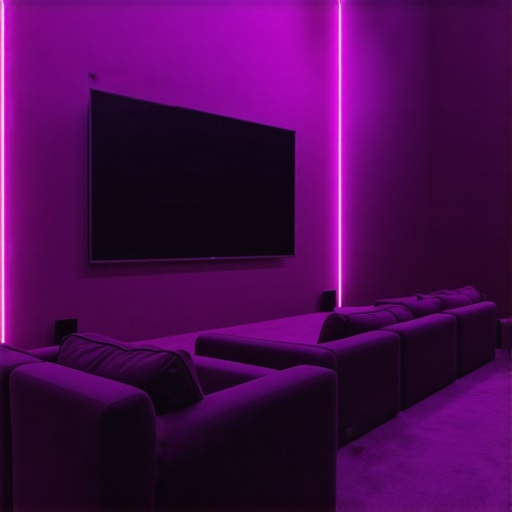
Unlocking the Potential of LED Backlighting in Home Theater Design
In the realm of immersive home cinema, lighting plays a pivotal role in shaping viewer experience. As an industry expert, I recognize that the integration of LED strip lighting and backlighting techniques transcends mere aesthetics, influencing perceived space, color accuracy, and ambient comfort. This guide delves into advanced strategies to optimize your home theater lighting, ensuring a professional-grade setup that elevates your cinematic environment.
Critical Considerations for Selecting High-Performance LED Strips
What are the key technical specifications that define an ideal LED strip for dynamic home theater backlighting?
Choosing the right LED strips involves evaluating color rendering index (CRI), brightness levels, and color temperature consistency. High CRI (above 90) ensures accurate color reproduction, essential for high-fidelity viewing. Brightness should be adjustable, with dimming capabilities to transition smoothly from daytime to cinematic lighting. Furthermore, opting for LED strips with uniform light diffusion minimizes hotspots, creating a seamless glow that enhances visual comfort and reduces eye strain.
Innovative Techniques for Achieving Cinematic Ambiance
Expert applications incorporate bias lighting synchronized with on-screen content, which not only reduces eye fatigue but also enhances perceived contrast. Dynamic lighting systems, managed via smart controllers, can adapt ambient colors to match scene moods, leveraging color psychology for immersive effects. For optimal results, integrate these with sound-absorbing materials to prevent light reflection and maintain clarity of visuals.
How to Integrate LED Backlighting with Your Existing Equipment
Seamless integration requires compatibility checks with your AV receiver and control systems. Use dedicated dimmers and controllers to synchronize lighting with audio-visual cues, creating a cohesive environment. For instance, linking LED strips to your home automation system allows scene-specific lighting adjustments, elevating user experience and operational efficiency.
Expert-Recommended Resources for Advanced Home Theater Lighting
For comprehensive insights, consult resources like the ultimate guide to bias lights and LED strips. This source offers in-depth technical guidance, product reviews, and installation tips from industry specialists, ensuring your setup adheres to the highest standards of quality and functionality.
What Are the Nuances of Color Temperature Tuning for Different Content Types?
Adjusting color temperature—ranging from warm (2700K) to cool (6500K)—can significantly impact viewing comfort and color accuracy. For cinematic content, a neutral 4000K to 5000K setting balances vividness and realism. Advanced systems allow scene-specific tuning, aligning ambient light with content genre to optimize viewer immersion. This nuanced control is vital for professional-grade home theaters seeking to replicate commercial cinema conditions.
For further expertise, explore related content such as enhancing your home theater with expert LED strip lighting tips or best bias lights for 2025. These resources provide actionable insights to refine your setup and elevate your cinematic experience.
Refining Your Home Theater Lighting: Beyond Basic LED Setup
While selecting high-CRI LED strips and syncing them with your content are foundational, advanced enthusiasts seek to push the boundaries of ambient lighting customization. Techniques such as dynamic color grading, scene-specific presets, and integration with voice control systems elevate the experience from functional to extraordinary. These methods require a nuanced understanding of both hardware capabilities and software integration, enabling you to craft a truly personalized cinematic environment.
How Can You Leverage Color Psychology and Technology for Maximum Impact?
By harnessing the principles of color psychology, you can influence mood and perception within your home theater. For instance, cool blue hues can promote calmness and focus during intense action scenes, while warm amber tones evoke coziness for relaxed viewing. Implementing these effects demands programmable LED controllers that support complex scripting and scene transitions. The use of advanced controllers, such as those compatible with home automation platforms, allows you to schedule lighting changes automatically based on time, content genre, or user activity.
Moreover, integrating your LED lighting system with voice assistants like Alexa or Google Home offers seamless control, enabling you to adjust ambiance with simple commands. This level of automation not only enhances convenience but also ensures your lighting complements your audiovisual setup flawlessly. For detailed guidance on selecting and configuring the right controllers, visit the guide on choosing the right LED strips.
Can you design an adaptive lighting system that responds in real-time to on-screen action?
Imagine a lighting setup that dynamically reacts to the content being displayed—brightening during daytime scenes or dimming during dark sequences—thereby intensifying immersion. Achieving this requires sophisticated software capable of analyzing video content in real time, paired with high-speed controllers and addressable LED strips. Tools like HDMI sync boxes or media server integrations can facilitate this process, creating a responsive environment that elevates your home theater to a professional level.
For a comprehensive understanding of how to implement such systems, explore the ultimate guide to bias lights and LED strips. This resource offers expert insights into the latest technology and practical tips to help you design an adaptive, visually stunning setup.
If you’re passionate about perfecting your home cinema ambiance, consider sharing your ideas or challenges in the comments section below. Also, don’t miss the opportunity to discover more innovative lighting solutions by browsing our related articles on creating immersive atmospheres and integrating smart controls for a seamless experience.
Mastering the Art of Color Temperature Tuning for Different Content Genres: A Deep Dive
In the realm of professional-grade home theater design, the ability to finely calibrate color temperature according to content type is paramount. This nuanced control enhances visual fidelity, minimizes viewer fatigue, and creates an immersive cinematic experience. While basic settings such as 2700K warm or 6500K cool serve as starting points, sophisticated systems enable scene-specific adjustments that reflect the emotional tone and technical requirements of each genre.
For example, during intense action sequences or sci-fi epics, a cooler, higher color temperature (around 6000K-6500K) can heighten contrast and sharpness, amplifying the sense of urgency and clarity. Conversely, warmer tones (around 2700K-3000K) foster a cozy, relaxed ambiance suitable for dramas or romantic films. This dynamic tuning requires advanced calibration tools such as professional-grade colorimeters (e.g., X-Rite i1Display Pro) and calibration software (e.g., CalMAN or LightSpace), which facilitate precise measurements and adjustments.
Implementing these settings involves creating custom profiles within your AV receiver or integrated control system, often through HDMI-CEC or IP-based interfaces. The goal is seamless transitions between modes, either manually triggered or automated based on content recognition. Such automation relies on metadata analysis, where scene analysis algorithms predict optimal lighting conditions, aligning with the principles of color psychology and perceptual psychology to maximize viewer engagement.
What are the challenges and solutions in maintaining consistent color temperature calibration over time?
One of the critical challenges in high-end home theater setups is the drift of LED light sources and display components, which can alter color accuracy and temperature fidelity over months or even weeks. Environmental factors such as ambient temperature, humidity, and power fluctuations contribute to this variability. To combat this, professional calibration involves routine re-measurement and adjustment, ideally using automated calibration routines integrated into smart control systems. Regularly scheduled calibration sessions, supported by cloud-based data logging and remote diagnostics, ensure your setup remains true to its original specifications.
Furthermore, selecting high-quality, temperature-stable LED strips and employing active feedback loops—where sensors continuously monitor ambient and backlight conditions—can significantly mitigate drift. Advanced systems incorporate AI-driven algorithms that learn and compensate for these variances in real-time, maintaining consistent color temperature and overall picture quality.
For an authoritative resource on this subject, consult the comprehensive technical guide published by SpectraCal, which offers in-depth insights into calibration techniques and dynamic color management for professional and enthusiast-level systems.
Enhancing Viewer Comfort and Visual Accuracy Through Adaptive Color Management
Adaptive color management systems leverage real-time data to optimize color temperature, contrast, and luminance based on content analysis and ambient conditions. These systems utilize machine learning algorithms that interpret scene data, adjusting backlighting and display parameters to achieve the desired visual harmony. For instance, during a sunset scene, the system might subtly shift the ambient light warmer, enhancing realism and reducing eye strain.
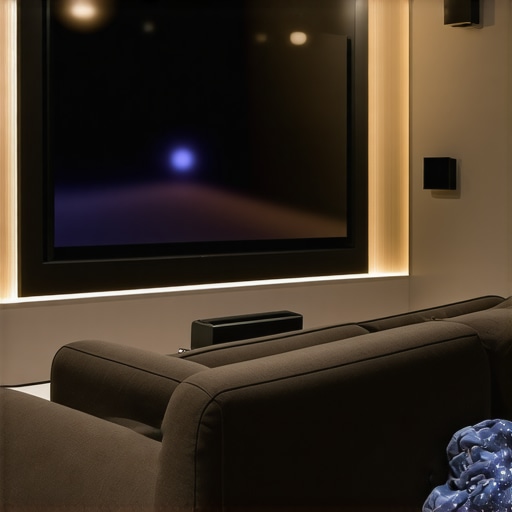
Such adaptive systems go beyond static calibration, providing a continuously optimized viewing environment. They can be integrated with smart home ecosystems, allowing users to customize presets for different genres, times of day, or even personal preferences. This level of control not only elevates the cinematic experience but also fosters healthier viewing habits by reducing the need for excessive brightness or contrast adjustments.
To explore cutting-edge solutions in adaptive lighting, consider resources like Home Theater Magazine, which regularly reviews the latest in dynamic backlighting and automation technologies. Engaging with these expert insights helps you stay at the forefront of home theater innovation, ensuring your setup remains both functional and aesthetically refined.
Harnessing the Power of Spectral Tuning for Enhanced Cinematic Realism
In professional home theater environments, spectral tuning extends beyond simple color temperature adjustments, delving into the manipulation of specific wavelength distributions to match the cinematic palette more accurately. By employing tunable LED systems equipped with multi-channel controllers, enthusiasts can refine the spectral output to optimize color fidelity, reduce eye fatigue, and elevate the overall immersive experience. This precise control over spectral content allows for a more authentic recreation of film color grading and scene-specific atmospheres, translating to a truly cinematic visual journey.
What Are the Cutting-Edge Calibration Methodologies for Maintaining Consistency?
Advanced calibration techniques now include the use of high-precision spectroradiometers and AI-driven calibration software that continuously monitor and adjust backlighting parameters. These systems can compensate for LED aging, environmental changes, and power fluctuations, ensuring consistent color temperature and luminance over time. For example, integrated feedback loops utilizing real-time sensor data can dynamically adapt LED output, maintaining impeccable accuracy for critical viewing conditions. Engaging with industry-standard calibration protocols from organizations like ISF (Imaging Science Foundation) guarantees adherence to the highest quality benchmarks, essential for discerning enthusiasts and professional setups alike.
How Can Adaptive Lighting Systems Improve Viewer Comfort During Extended Sessions?
Adaptive lighting leverages machine learning algorithms to analyze scene content and ambient conditions, dynamically adjusting backlighting to optimize comfort and visual clarity. Such systems can detect scene luminance and contrast shifts, modulating ambient light to reduce glare and eye strain while preserving the intended cinematic ambiance. For instance, during dark scenes, the system subtly dims the backlight to enhance perceived contrast, whereas during brighter sequences, it increases luminance to prevent visual fatigue. Integrating these systems with smart home automation platforms facilitates personalized presets, enhancing user satisfaction and health-conscious viewing habits.
To visualize the intricacies of spectral tuning and adaptive backlighting, an image illustrating a high-end calibration setup with spectroradiometers and LED arrays in a professional home theater environment would be invaluable. This visual aid can deepen understanding of the precision and complexity involved in these advanced lighting techniques.
What Are the Future Trends in LED Backlighting Technology for Home Cinemas?
Emerging innovations include quantum dot-enhanced LEDs, which offer superior color accuracy and wider color gamuts, and micro-LED arrays capable of pixel-level control for unparalleled detail in lighting effects. Additionally, integration with augmented reality (AR) interfaces could enable real-time, user-driven customization of ambient lighting, further personalizing the cinematic experience. These advancements promise to bridge the gap between consumer and professional-grade setups, fostering immersive environments that adapt seamlessly to content and user preferences.
How Can Professionals and Enthusiasts Collaborate to Push the Boundaries of Home Theater Lighting?
Collaborative efforts between hardware manufacturers, calibration specialists, and content creators are vital for developing next-generation lighting solutions. Participating in industry forums, beta testing new products, and sharing calibration data can accelerate innovation and refinement. Enthusiasts should also consider consulting with certified lighting and AV professionals to tailor these cutting-edge technologies to their specific environments, ensuring optimal performance and longevity. Staying informed through authoritative sources like the Society of Motion Picture and Television Engineers (SMPTE) can guide informed decision-making and technological adoption.
Expert Insights & Advanced Considerations
1. Emphasize the importance of spectral tuning for cinematic realism
Utilizing multi-channel tunable LED systems allows fine control over wavelength distribution, significantly improving color fidelity and reducing eye fatigue. This advanced spectral management is critical for authentic scene reproduction and immersive experiences.
2. Leverage real-time adaptive lighting through AI integration
Implementing AI-driven algorithms with high-speed controllers enables dynamic adjustments based on scene luminance and ambient conditions, maintaining optimal visual comfort and contrast, especially during extended viewing sessions.
3. Prioritize calibration stability with high-quality components
Selecting thermally stable, high-grade LED strips and employing automated calibration routines with spectroradiometers ensures consistent color temperature and luminance over time, preserving professional-grade quality in home theaters.
4. Integrate spectral tuning with content-aware automation
Linking lighting profiles to content genres or specific scenes enhances immersion. Scene-specific presets that adjust hue, saturation, and brightness create a tailored cinematic atmosphere, elevating the overall experience.
5. Explore emerging quantum dot and micro-LED technologies
Next-generation LEDs with quantum dot enhancement or pixel-level micro-LED control promise unprecedented color accuracy, wider gamuts, and personalized ambient effects, setting new standards in home theater lighting.
Curated Expert Resources
- SpectraCal: Offers detailed calibration methodologies and spectral management techniques essential for maintaining color consistency and precision in advanced lighting systems.
- Home Theater Magazine: Provides reviews and insights into the latest in adaptive lighting, spectral tuning, and automation solutions for high-end home cinemas.
- Society of Motion Picture and Television Engineers (SMPTE): Sets industry standards and best practices for color accuracy, calibration, and immersive environment design.
- CalMAN Calibration Software: Industry-leading software for precise color calibration, crucial for maintaining spectral and temperature fidelity over time.
- Industry Expert Forums and Beta Testing Programs: Facilitate collaboration and early access to cutting-edge technologies like quantum dot LEDs and AI-driven adaptive systems.
Final Expert Perspective
In the realm of premium home theater design, integrating spectral tuning, adaptive AI-driven lighting, and rigorous calibration protocols elevates the cinematic experience to a professional standard. These advanced strategies ensure consistency, realism, and viewer comfort, making your setup truly exceptional. For those committed to excellence, continuous engagement with authoritative resources and industry innovations is essential. To deepen your expertise and explore tailored solutions, consider reaching out through our contact page. Embrace the forefront of home theater lighting technology and transform your space into a cinematic sanctuary.



Leave a Reply