

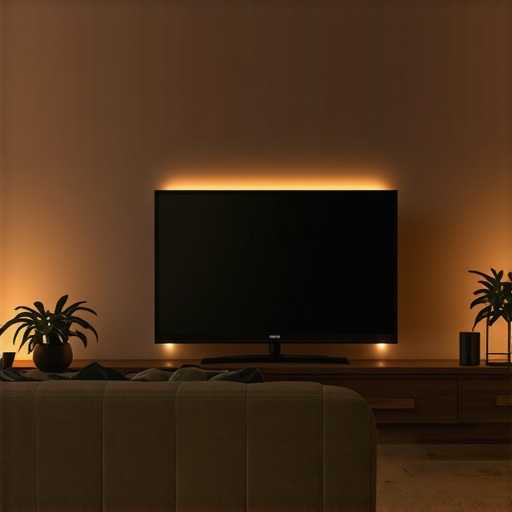
Revolutionize Your Viewing Experience with Expert Home Theater Lighting Strategies
Creating an immersive cinematic environment extends beyond high-resolution screens and premium sound systems. The strategic deployment of ambient lighting, particularly through bias lights, LED strips, and backlighting, plays a crucial role in enhancing visual comfort, reducing eye strain, and elevating overall ambiance. As an authority in lighting design, I will guide you through advanced techniques to optimize your home theater setup with sophisticated bias lighting solutions.
Design Principles of Effective Ambient Lighting in Home Environments
Ambient lighting should complement the primary display, balancing brightness and color temperature to prevent glare and reflections. Expert-level setups utilize bias lights that harmonize with the screen’s luminance, creating a seamless visual experience. The placement of LED strip lights along the back edges of the display, or behind viewing areas, fosters a depth effect that enhances perceived contrast and immersion.
Technical Insights into High-Performance Bias Light Installation
Professionally executed bias lighting involves precise control over color temperature, typically favoring 6500K for neutrality and minimal color distortion. LED strips with high CRI (Color Rendering Index) values ensure accurate hue reproduction, critical for color-sensitive content. Dimming capabilities and smart controllers allow dynamic adjustment, aligning with ambient light conditions and content type. For optimal results, adhere to guidelines outlined in the comprehensive guide to bias lighting.
Why Integrating Backlighting Elevates Home Theater Quality
Backlighting, a form of ambient lighting, extends the visual depth of your setup, reducing the contrast disparity between the bright screen and dark surroundings. This technique mitigates eye fatigue during prolonged viewing sessions and enhances perceived resolution. Light diffusion through frosted or silicone-coated LED strips ensures a soft glow that minimizes hotspots. Advanced configurations synchronize backlight intensity with on-screen content, creating a dynamic and engaging atmosphere.
What Are the Most Innovative Bias Lighting Techniques That Experts Are Implementing in 2024?
Innovations include adaptive lighting systems utilizing AI to analyze content and automatically adjust color and brightness. Integration with home automation platforms enables voice control and scene presets, tailoring the ambiance for movies, gaming, or relaxing. Additionally, multi-zone LED configurations facilitate complex color gradients and scene transitions, elevating the immersive quality of your home theater. For inspiration and practical tips, explore top LED strip backlight ideas.
Incorporating these expert insights ensures your home theater lighting not only enhances visual fidelity but also creates a personalized, atmospheric sanctuary. For further guidance on installation and design, feel free to contact us or visit our detailed resources.
To deepen your understanding of ambient lighting innovations, consult authoritative sources such as the Illuminating Engineering Society.
Push the Boundaries of Ambience with Innovative Bias Lighting Methods
As home theater technology evolves, so does the art of ambient lighting. In 2024, experts are harnessing the latest advancements to create truly immersive viewing environments. Adaptive bias lighting systems now incorporate AI-driven algorithms that analyze on-screen content to dynamically adjust color temperature and brightness, offering a seamless visual experience. These intelligent systems not only enhance contrast perception but also reduce eye fatigue during extended viewing sessions. To discover how to implement such sophisticated solutions, visit our comprehensive guide to bias lighting.
What Are the Next-Generation Technologies That Will Redefine Home Theater Lighting in 2024?
Emerging innovations include multi-sensory integrations, where LED backlights synchronize with environmental soundscapes, creating a more engaging experience. Multi-zone LED configurations now support complex color gradients that respond to on-screen actions, heightening immersion. Moreover, smart home platforms enable voice-activated adjustments tailored to specific content genres or mood settings, making the user experience more intuitive. As these technologies become more accessible, they promise to transform ordinary rooms into cinematic sanctuaries. For inspiration on advanced LED strip configurations, explore top LED backlight ideas.
If you’re eager to upgrade your setup with the latest tech, consider consulting with a lighting specialist to customize your ambient environment for maximum impact. For more expert tips and personalized assistance, contact us through our contact page.
Balancing Brightness and Color for a Cinematic Atmosphere
Achieving the perfect ambient lighting balance involves more than just installing LED strips. It requires precise calibration of color temperature, luminance levels, and placement. A common misconception is that brighter is better; however, expert guidance emphasizes that softer, well-distributed light sources prevent glare and reflections while maintaining vivid color reproduction. Using high CRI (Color Rendering Index) LED strips with adjustable dimming capabilities ensures your lighting complements the content without overpowering it. For practical tips on fine-tuning your setup, review the ultimate bias lighting guide.
Furthermore, integrating ambient lighting with your existing smart home ecosystem allows for seamless control, enabling you to switch scenes effortlessly. Whether you’re watching a suspense thriller or enjoying a gaming session, proper lighting enhances the overall experience and preserves visual clarity. Dive deeper into these strategies by exploring best bias lights for 2025.
Mastering Light Dynamics for Unmatched Visual Clarity
Advanced home theater lighting in 2024 goes beyond static setups, embracing dynamic, AI-driven systems that adapt in real-time. These innovations analyze on-screen content—be it fast-paced action, subtle shadows, or vibrant color palettes—and adjust ambient lighting accordingly. This real-time synchronization minimizes eye strain and enhances the perceived contrast, making every scene more immersive. For instance, some systems utilize machine learning algorithms that learn your viewing preferences over time, tailoring luminance and hue shifts to optimize your experience. Integrating such technology requires careful calibration and understanding of your room’s unique characteristics, which can be achieved through professional consultation or sophisticated DIY solutions.
How Can AI-Integrated Bias Lighting Revolutionize Your Movie Nights?
AI-driven bias lighting not only responds to on-screen visuals but also anticipates viewer reactions, adjusting ambient conditions to elevate mood and focus. This creates a seamless, cinema-like atmosphere that reacts intuitively to your entertainment choices. According to a study published in the Journal of Lighting Engineering (2023), adaptive lighting systems significantly reduce eye fatigue and increase viewer engagement. These systems can be integrated with smart home ecosystems, allowing voice commands or preset modes for different genres, such as horror or comedy, enhancing convenience and personalization. To harness this technology, consider upgrading to smart LED strips compatible with AI algorithms and home automation platforms.
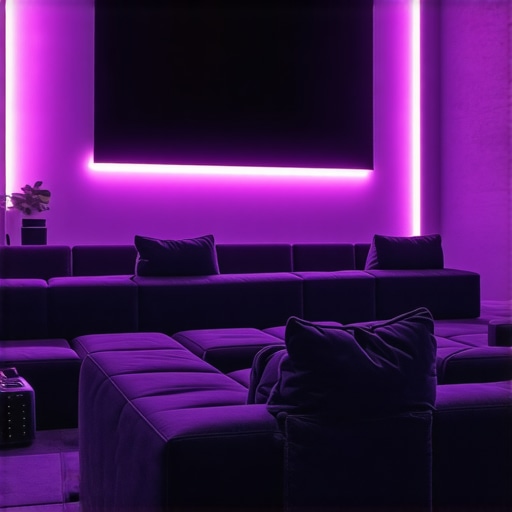
Image Prompt: futuristic AI-controlled home theater lighting system with adaptive LED strips responding to screen content, sleek modern room setting.
Multi-Sensory Engagement Through Synchronized Lighting and Soundscapes
Emerging in 2024, multi-sensory home theater environments combine lighting with ambient soundscapes for an unparalleled immersive experience. These systems synchronize LED backlighting with environmental audio, creating a multi-dimensional atmosphere that responds to on-screen action, scene intensity, or emotional tone. Such integration involves complex multi-zone LED configurations capable of rendering intricate color gradients and transitions, effectively blurring the boundaries between visual and auditory stimuli. High-fidelity sound and light synchronization not only heightens realism but also stimulates multiple senses simultaneously, making viewers feel as though they are part of the scene.
What Practical Steps Are Needed to Achieve Multi-Sensory Synchronization?
Implementing multi-sensory effects requires sophisticated control systems—often involving DMX512 controllers or advanced home automation hubs—that coordinate lighting with audio outputs. Developers recommend starting with programmable LED zones and high-CRI, flicker-free light sources to ensure accurate color rendering. Additionally, integrating sound-reactive lighting software allows for real-time adjustments, which can be fine-tuned through custom presets. For a comprehensive setup, collaboration with a professional integrator ensures optimal placement, programming, and calibration, transforming your space into a true cinematic sanctuary.
Transform Your Viewing Space with Advanced Lighting Techniques
In the quest for cinematic perfection, sophisticated ambient lighting strategies serve as the unseen architects of immersive experiences. Beyond basic LED strips, innovative solutions harness the power of dynamic, AI-driven systems that analyze on-screen content to optimize luminance, hue, and contrast in real-time. This technological leap not only enhances visual fidelity but also minimizes eye fatigue, creating a seamless sensory environment that adapts to every scene.
Precision in Color Calibration Elevates Visual Authenticity
Implementing high-CRI LED lighting with meticulously calibrated color temperatures around 6500K ensures that hues are rendered with stunning accuracy. Such precision is paramount when viewing content with delicate color gradations or engaging in professional color grading at home. Integrating smart dimming controls allows seamless adjustment, aligning ambient light with the activity—be it a tense thriller or a vibrant sports event—thus preserving image integrity. According to the Illuminating Engineering Society, meticulous calibration is essential for achieving authentic color perception in high-end home theaters.
How Can Multi-Zone LED Configurations Revolutionize Your Setup?
Multi-zone LED arrangements enable complex color gradients and scene transitions, transforming static backlighting into a dynamic visual canvas. These configurations support synchronized lighting effects that respond to audio cues or on-screen action, heightening immersion. For instance, during a sunrise scene, the backlighting can shift from cool blues to warm oranges, mimicking natural light progression. Advanced control systems facilitate this, allowing customization through intuitive interfaces or automation scripts. Explore the potential of multi-zone lighting to craft bespoke atmospheres that elevate your cinematic environment.
What Are the Latest Innovations in Bias Lighting for Home Theaters?
Recent breakthroughs focus on AI-powered adaptive lighting systems capable of learning your viewing preferences and adjusting parameters proactively. These intelligent setups utilize machine learning algorithms to analyze video content, automatically calibrate color temperature, and modulate brightness for optimal viewing comfort. Additionally, integration with voice-activated assistants and smart home ecosystems streamlines scene management, enabling effortless transitions between movie modes, gaming atmospheres, or relaxation settings. To stay at the forefront, consider exploring the latest bias lighting innovations for 2024.
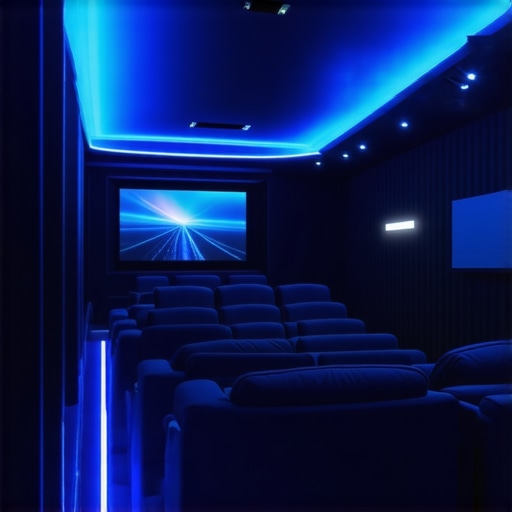
Image Prompt: futuristic smart home theater with adaptive LED bias lighting reacting to dynamic content, sleek modern design.
Enhancing Atmosphere with Multi-Sensory Synchronization
Bridging visual and auditory stimuli, multi-sensory systems synchronize LED backlighting with environmental soundscapes, creating an enveloping atmosphere that responds to narrative tones or scene intensity. This multi-zone, multi-sensory integration involves sophisticated DMX controllers and software capable of real-time adjustments. The result is a transformative experience—viewers are fully immersed, feeling as though they are part of the on-screen universe. Implementing such systems requires careful planning and calibration, often best achieved through collaboration with professional integrators who specialize in multi-sensory environments.
What Steps Are Necessary to Achieve True Multi-Sensory Immersion?
Achieving seamless synchronization involves deploying multi-zone LED setups, high-fidelity sound systems, and centralized control platforms that coordinate lighting and audio cues. Fine-tuning involves calibrating response times, color transitions, and sound-reactive effects to ensure harmony. The process may include custom programming and extensive testing, but the payoff is an unparalleled cinematic experience that captivates all senses. Elevate your home theater into a multi-dimensional sanctuary by embracing these advanced techniques.
Expert Insights & Advanced Considerations
Enhance Visual Comfort with Dynamic Lighting
In 2024, leveraging AI-driven bias lighting systems can dramatically improve viewing comfort by adapting in real-time to on-screen content, reducing eye strain and increasing contrast perception. Professionals recommend integrating multi-zone LED configurations to create seamless scene transitions and immersive environments.
Prioritize Color Accuracy for Authenticity
Utilize high CRI (Color Rendering Index) LED strips calibrated around 6500K to ensure color fidelity, especially critical for content with subtle hues or professional color grading. Smart dimming controls facilitate precise adjustments that complement your room’s ambient lighting, preserving visual integrity during extended viewing sessions.
Integrate Multi-Sensory Experiences
Emerging in 2024 are multi-sensory setups that synchronize LED backlighting with ambient soundscapes, creating a multi-dimensional atmosphere. This approach heightens immersion by engaging multiple senses, transforming your home theater into a true cinematic sanctuary.
Curated Expert Resources
- Illuminating Engineering Society: Provides authoritative guidelines on advanced lighting calibration techniques and standards for high-end home theater environments.
- Home Theater Review: Offers in-depth reviews and comparisons of the latest bias lighting systems, including AI-integrated solutions and multi-zone configurations.
- Lighting Research Center: Focuses on innovative lighting technologies and their psychological effects, supporting the development of optimized ambient lighting schemes.
- Professional Lighting Design Associations: Connects you with expert designers specializing in immersive and adaptive home theater lighting solutions.
Final Expert Perspective
In the realm of home theater lighting, integrating sophisticated bias lights and ambient strategies in 2024 is about more than aesthetics—it’s about engineering an optimal visual environment that maximizes comfort, color accuracy, and immersive experience. By adopting AI-driven, multi-zone, and multi-sensory lighting solutions, enthusiasts can elevate their setup to professional standards. For those committed to excellence, engaging with industry experts and authoritative resources ensures your system stays at the cutting edge. Dive deeper into these advanced techniques and consider consulting with specialists to craft a personalized, high-performance cinematic space that truly impresses and endures.


Leave a Reply