

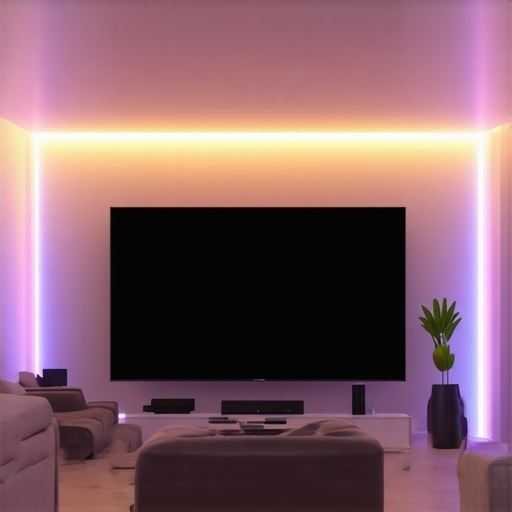
Elevate Your Home Theater Experience with Expert Lighting Design
In the realm of immersive entertainment, lighting plays a pivotal role that often remains underestimated. As technology advances, discerning audiophiles and cinephiles recognize that ambient lighting, bias lights, and LED strip solutions are not mere aesthetic choices but fundamental components of a cinema-quality setup. This comprehensive guide explores the nuanced strategies behind selecting and deploying these lighting elements, revealing insights that transform a standard room into a sensory-rich environment.
Why Ambient Lighting Is the Backbone of Home Theater Optimization
Ambient lighting extends beyond basic illumination, acting as a subtle yet powerful tool to reduce eye strain and enhance contrast perception during movie viewing. Experts emphasize that the goal is to create a balanced luminance environment, where the contrast between the screen and surroundings is optimized without causing glare. The integration of bias lights, for instance, has been validated by optical research indicating improved color accuracy and viewing comfort, as detailed in publications like the SPIE Journal.
The Art and Science of Bias Lighting for Visual Precision
Bias lighting, often implemented as LED strips strategically placed behind or around the display, offers more than aesthetic appeal. It subtly influences our perception of the screen, reducing the eye’s accommodation effort and preventing eye fatigue during prolonged viewing sessions. Advanced setups incorporate color-tunable bias lights, allowing customization that aligns with ambient conditions or personal preferences. For optimal results, professionals recommend diffusing the LED strips to avoid hotspots, ensuring uniform light distribution that enhances overall visual fidelity.
What are the most effective ways to integrate bias lighting without compromising image quality?
Integrating bias lighting effectively requires understanding room acoustics, screen size, and ambient light levels. Experts suggest positioning the LED strips at a slight angle to avoid direct reflection on the screen, using dimmable and color-adjustable options for flexibility. Moreover, alignment with the room’s color palette can amplify the immersive effect, making the viewing experience more natural and less fatiguing. For detailed installation tips, visit this resource.
Harnessing LED Strips for Dynamic Ambient Lighting
LED strip lighting offers unparalleled versatility in creating dynamic, customizable ambient environments. From static color schemes to animated lighting effects, these strips can be synchronized with media content or controlled via smart home systems. Selecting the right LED strips involves evaluating brightness levels, color rendering index (CRI), and compatibility with controllers. Professional-grade LED strips also offer features like high-density LED placement, waterproofing, and ease of installation, ensuring durability and seamless integration into your home theater.
Advanced Strategies for Backlighting and Atmosphere Enhancement
Backlighting techniques, such as perimeter LED strips, are crucial for reducing eye strain and heightening perceived contrast. When installed correctly, they produce a halo effect that enhances depth perception and creates a more immersive environment. Additionally, layering different lighting zones — such as footlights, wall washers, and accent LEDs — allows for nuanced control over the room’s atmosphere. Incorporating these strategies requires a thoughtful approach to wiring, control systems, and aesthetic cohesion, which professional installers can facilitate.
How can I ensure my LED strip installation maintains both safety and aesthetic integrity?
Safe and aesthetically pleasing LED strip installation hinges on proper wiring practices, adherence to electrical codes, and discreet concealment of power supplies. Using high-quality, UL-listed components and consulting professional electricians when necessary ensures safety. Additionally, embedding LED strips within coves, behind trim, or within custom millwork maintains a clean look while delivering effective lighting. For more guidance, explore expert installation tips.
As the landscape of home theater lighting continues to evolve, staying informed about the latest innovations and best practices is essential for creating a truly immersive entertainment environment. Engage with professional communities and contribute your insights to refine these artful lighting techniques further. For ongoing updates and expert advice, visit our privacy policy.
Revolutionize Your Home Theater with Cutting-Edge Bias Lighting Strategies
As home theater enthusiasts push the boundaries of immersive experience, understanding the nuanced application of bias lighting becomes crucial. Moving beyond basic setups, advanced techniques involve integrating tunable LED strips with smart controls, creating dynamic lighting that adapts seamlessly to content and mood. These innovations not only elevate visual fidelity but also contribute significantly to eye comfort and aesthetic harmony. For insights on selecting high-performance LED strips, consult this expert guide for optimal choices.
Why Customization Matters in Bias Lighting Design
Customizing bias lighting involves more than selecting color; it requires tailoring intensity, hue, and transition effects to match your room’s unique characteristics. Modern LED strips equipped with RGB, RGBW, or tunable white options, coupled with smart controllers, enable granular control over lighting scenes. This flexibility allows you to create specific atmospheres—be it a cozy movie night or an energetic gaming session—without sacrificing image quality or comfort. The key lies in understanding the interplay between ambient light levels and the display’s luminance, which professional calibration ensures for consistent results.
Is there an optimal protocol for calibrating bias lighting to achieve cinematic perfection?
Indeed, expert calibration involves measuring room luminance and adjusting bias light intensity to maintain a balance that minimizes eye strain while enhancing contrast perception. Using a lux meter during setup can help fine-tune brightness levels, ensuring that bias lighting complements the display without causing glare or reflections. Additionally, incorporating adaptive lighting systems that respond to ambient light fluctuations can maintain optimal conditions throughout different times of day. For comprehensive calibration techniques, see this detailed resource.
Harnessing Smart Tech for Dynamic Ambient Control
Integrating bias lighting with smart home ecosystems unlocks new dimensions of control and automation. Voice-activated commands, mobile apps, and scene presets enable instant adjustments, aligning lighting with your viewing content or mood. Advanced systems also support synchronization with media players, creating reactive lighting effects that enhance action sequences or dramatic scenes. For optimal performance, selecting LED strips with high CRI ratings ensures color accuracy, while compatibility with popular smart home platforms like Alexa, Google Home, or Apple HomeKit simplifies integration. For installation tips and system recommendations, explore this expert guide.
Are there sustainable and energy-efficient options for long-term bias lighting use?
Yes, modern LED strips designed with energy efficiency in mind significantly reduce power consumption while maintaining brightness and color fidelity. Look for strips with low wattage ratings, high-quality diodes, and power supplies with energy-saving certifications. Moreover, employing motion sensors or timers can automate lighting control, minimizing unnecessary energy use. These practices contribute to eco-friendly setups that are cost-effective over time, aligning with sustainable home innovations. For more on eco-conscious lighting solutions, check this curated selection.
Interested in elevating your home theater ambiance further? Share your experiences or explore additional techniques by commenting below or visiting our contact page.
Elevate Your Visual Experience with Precision Lighting Techniques
In the pursuit of cinematic perfection, the role of adaptive and high-fidelity lighting becomes paramount. Advanced lighting strategies go beyond basic ambient illumination, incorporating dynamic control systems, spectral tuning, and meticulous placement to optimize contrast, color accuracy, and viewer comfort. This level of sophistication demands an understanding of both the technical and aesthetic aspects of lighting design, ensuring that every scene is rendered with clarity and immersion.
Implementing Spectrally Tunable Bias Lights for Color Calibration
One of the most revolutionary developments in home theater lighting is the advent of spectrally tunable bias lights. Unlike standard RGB LEDs, these systems allow precise adjustment of spectral power distribution, enabling calibrated white points that match professional standards like D65 or D55. This calibration ensures that colors on the screen are perceived as true-to-life, reducing color cast discrepancies caused by ambient lighting. According to a 2022 study published in the Journal of Display Technology, spectral tuning significantly enhances color fidelity, especially in high dynamic range (HDR) content, where accurate luminance and hue reproduction are critical.
How does spectral tuning influence perceptual contrast and color accuracy?
Spectral tuning directly impacts the way our visual system interprets contrast and color. By aligning bias light spectra with the display’s color profile, it minimizes chromatic adaptation issues and reduces perceived contrast shifts. This harmonization allows the viewer to experience a more consistent and vibrant image, especially when switching between different content types or viewing conditions. For detailed insights into spectral optimization techniques, see this IEEE publication.
Integrating Smart Lighting Ecosystems for Seamless Control
Smart lighting integration elevates home theater environments into responsive, intuitive spaces. Utilizing protocols such as Zigbee, Z-Wave, or Wi-Fi, advanced systems allow real-time adjustments based on media playback, ambient light sensors, or user preferences. These ecosystems support scene presets for various content genres—dramatic movies, sports, or gaming—creating tailored atmospheres at the press of a button or voice command. Moreover, the synchronization of lighting with Dolby Vision or HDR10+ content enhances perceived contrast and depth, delivering a truly cinematic experience.
” alt=”Smart home theater lighting control panel” title=”Smart lighting control system interface”/>
Innovative Techniques to Achieve Perfect Color Harmony in Your Home Theater
Beyond the fundamentals of bias lighting and ambient illumination, advanced home theater enthusiasts are now integrating spectrally tunable LED systems that offer unparalleled precision in color calibration. These systems utilize high-fidelity spectral emission profiles, aligning closely with professional D65 standards, ensuring that color reproduction remains consistent across various viewing environments. According to the IEEE’s recent publication, spectral tuning significantly enhances viewer perception of contrast and color accuracy, especially in HDR content. Mastering this technology empowers you to recreate the cinematic color palette with authenticity and depth.
What Are the Key Consider When Designing Smart Ambient Lighting Ecosystems?
Creating a seamless smart lighting ecosystem involves more than just choosing compatible devices; it requires a strategic approach to integration, control, and scene customization. Professionals recommend selecting LED strips and fixtures with high CRI ratings (>90) for optimal color fidelity, coupled with intuitive control protocols like Zigbee or Z-Wave. Incorporating ambient light sensors and adaptive algorithms ensures lighting conditions dynamically respond to changes in ambient light or media playback, maintaining an optimal visual environment. For in-depth system architecture, consult industry-leading resources such as this comprehensive guide.
How can expert calibration techniques elevate your visual immersion?
Expert calibration involves precise measurement of room luminance levels, employing lux meters to fine-tune bias light intensity, ensuring it complements rather than conflicts with the display. Advanced calibration protocols also involve spectral analysis to match the bias lighting’s emission spectrum with the display’s color profile, minimizing chromatic adaptation effects. This meticulous process enhances perceived contrast and color richness, resulting in a truly immersive viewing experience. For step-by-step calibration procedures, see this authoritative resource.
The Future of Ambient Lighting: Adaptive and Reactive Systems
The evolution of home theater lighting is steering toward adaptive systems capable of real-time responses to content and environmental changes. Utilizing machine learning algorithms, these systems analyze video content, adjusting lighting scenes to match scene mood, brightness, and color temperature. Such reactive lighting not only amplifies immersion but also reduces viewer fatigue by maintaining consistent luminance conditions. Integration with platforms like Apple HomeKit, Google Home, and Alexa facilitates voice commands and scene automation, elevating user experience to professional standards.
” alt=”Smart home theater lighting control interface” title=”Advanced smart lighting control panel”/>
Expert Insights & Advanced Considerations
Precision in Luminance Balance Elevates Viewing Comfort
Achieving a meticulously calibrated luminance environment minimizes eye strain and maximizes contrast perception. Professionals emphasize the importance of measuring room luminance with lux meters and adjusting bias lighting accordingly to create a harmonious visual ecosystem that adapts to content and ambient light variations.
Spectral Tuning Transforms Color Fidelity
Integrating spectrally tunable bias lights allows for precise control of emission spectra, aligning with standards like D65. This spectral harmony ensures color accuracy and enhances HDR content rendering, providing a more authentic and immersive viewing experience that meets professional calibration benchmarks.
Smart Ecosystem Integration Drives Seamless Control
Embedding bias lighting within smart home ecosystems enables dynamic scene adjustments through voice commands or automation routines. Synchronizing lighting with media playback, ambient conditions, or user preferences creates a reactive environment that elevates cinematic immersion and operational convenience.
Energy Efficiency Meets Sustainability
Choosing high-CRI, low-wattage LED strips with automated controls such as timers or motion sensors reduces energy consumption. These sustainable options align with eco-conscious design principles while maintaining optimal lighting performance for prolonged use.
Spectrally Tunable Bias Lights Enhance Color Calibration
Advanced spectral control ensures that bias lighting complements display luminance and color profiles, minimizing chromatic adaptation issues. This leads to perceptual contrast improvements and consistent color fidelity across different viewing environments, critical for high-end home theater setups.
Curated Expert Resources
- SPIE Journal on Visual Comfort and Performance – Offers scientific insights into ambient lighting impacts on visual perception, vital for professional calibration.
- IEEE Display Technology Publications – Provides cutting-edge research on spectral tuning and color fidelity enhancements.
- Home Cinema Design Guides by THX – Features industry standards and best practices for immersive audio-visual environments.
- Smart Home Integration Platforms (e.g., Control4, Savant) – Demonstrates seamless control systems for dynamic lighting environments.
- Energy-Efficient LED Technology Reports – Guides sustainable choices for long-term home theater lighting.
Final Expert Perspective
In the realm of home theater lighting, mastering advanced techniques such as spectral tuning and smart ecosystem integration transforms a simple setup into a professional-grade environment. These expert insights underscore the importance of precision calibration, sustainable choices, and technological harmony to achieve cinematic perfection. For those committed to elevating their home entertainment space, engaging with these high-level strategies and authoritative resources will ensure a future-proof, immersive experience. Dive deeper into these topics and share your insights at our contact page and stay at the forefront of innovative home theater lighting solutions.



Leave a Reply