

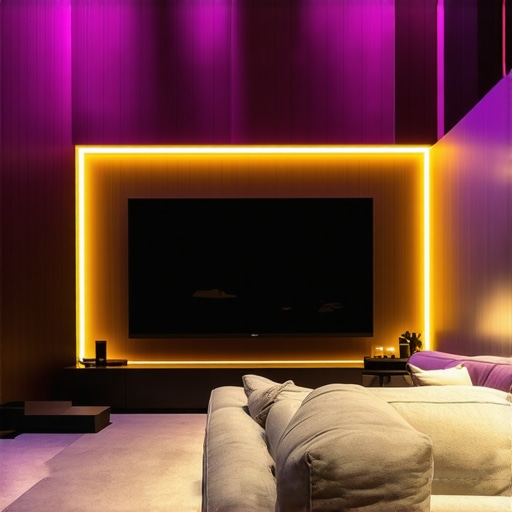
Elevate Your Home Theater Experience with Precision Lighting Strategies
In the realm of immersive entertainment, the importance of carefully curated lighting cannot be overstated. As an experienced home cinema specialist, I recognize that lighting nuances significantly influence visual clarity, contrast perception, and overall ambiance. In 2024, leveraging advanced bias lights and LED strip solutions offers a path to transform ordinary setups into extraordinary cinematic environments.
The Science Behind Bias Lighting and Its Impact on Visual Comfort
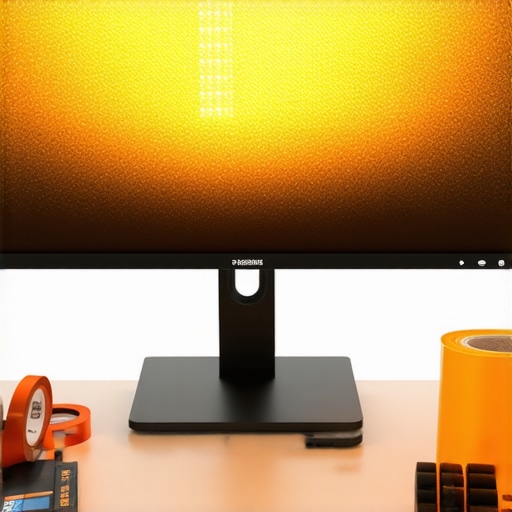
Bias lighting refers to subtle illumination placed behind screens, which reduces eye strain and enhances perceived contrast. Recent studies, including those published by the National Institutes of Health,
demonstrate that appropriate bias lighting can significantly diminish eye fatigue during extended viewing sessions. In 2024, integrating customizable bias lights with high color rendering index (CRI) LEDs ensures accurate color perception and reduces color distortion, which is vital for high-definition content.
Innovative LED Strip Configurations for Dynamic Ambient Effects
LED strip lighting has evolved into a sophisticated tool for creating immersive environments. The key lies in strategic placement — under crown molding, behind AV racks, or along ceiling perimeters. Advanced programmable LED strips enable scene-specific lighting, controlled via smart home systems, to adapt brightness and color temperature dynamically. For example, warm tones promote relaxation, while cooler shades heighten focus during intense action sequences. For detailed guidance, review the comprehensive ultimate guide to LED strips and bias lights.
Addressing Common Challenges in LED Strip Installation
Despite their benefits, LED strip installation presents challenges such as uneven lighting, visible power supplies, and wiring clutter. Expert installation involves precise measurement, surface preparation, and the use of diffusers to ensure seamless light distribution. Moreover, choosing high-quality, dimmable LED drivers enhances control and longevity. For practical tips, consult the article on top LED strip installation tips.
What are the most effective methods to synchronize multiple LED zones for cohesive lighting effects in complex home theaters?
Achieving synchronized lighting across multiple zones involves integrating LED controllers with home automation systems such as Crestron or Lutron. Using DMX protocols or Wi-Fi-enabled controllers allows for unified scene management, ensuring consistent color and brightness transitions. Advanced software solutions facilitate real-time adjustments, crucial for maintaining immersive consistency during movie marathons or gaming sessions.
For further mastery, explore the article on ultimate guide to bias lights and LED strips.
If you’re seeking to deepen your expertise or share your professional insights, don’t hesitate to contact us through our contact page.
Refining Your Lighting Setup for Flawless Visual Harmony
As home theater enthusiasts seek the perfect balance between aesthetic appeal and functional lighting, understanding the nuances of LED strip placement and color calibration becomes crucial. Properly configured bias lighting can dramatically improve contrast perception, as emphasized in the ultimate guide to bias lights. Achieving this harmony requires meticulous attention to the spatial arrangement and color temperature tuning of LED strips.
Strategic Placement for Maximum Impact
Positioning plays a pivotal role in creating an immersive environment. Installing LED strips behind crown molding, along the perimeter of ceiling coves, or beneath floating shelves can produce a soft, indirect glow that reduces glare and enhances depth perception. When planning your layout, consider the natural focal points within your space to ensure the lighting complements rather than distracts. For expert tips on installation techniques, visit the comprehensive guide to LED strip installation.”}
How Do You Achieve Seamless Color Transitions Without Flicker?
One of the biggest challenges in complex multi-zone lighting setups is maintaining uniform color and brightness, especially during scene changes. Advanced LED controllers equipped with Wi-Fi or DMX interfaces enable synchronized adjustments across multiple zones, ensuring seamless transitions. Moreover, employing high-quality diffusers and proper wiring techniques minimizes flickering and hot spots, resulting in a more professional appearance. For detailed insights, explore top LED strip solutions for immersive ambiance.”}
Are you ready to elevate your home cinema with expert lighting tactics? Share your experiences or ask for personalized advice in the comments below, and don’t forget to check out more expert tips on bias lighting.
Harmonize Multiple LED Zones for Flawless Visual Flow
Implementing synchronized lighting across various zones in a home theater demands more than just connecting multiple LED strips; it requires a strategic approach to control algorithms, wiring integrity, and scene management. Advanced controllers equipped with multi-channel DMX or Wi-Fi capabilities enable seamless coordination, ensuring that transitions between scenes are smooth and visually consistent. This synchronization is especially crucial during dynamic scenes in movies or gaming, where abrupt or mismatched lighting can break immersion.
One often overlooked aspect is the importance of wiring topology. Proper daisy-chain configurations, combined with high-quality, shielded cables, reduce signal degradation and prevent flickering or color inconsistencies. Additionally, integrating scene-specific presets into your control system allows for instant adjustments—be it a cinematic blue glow or a warm, inviting ambiance—without manual reconfiguration.
What are the best practices for integrating multiple LED zones with home automation systems to achieve cohesive, scene-specific lighting?
To achieve optimal integration, it is essential to select controllers compatible with your existing home automation ecosystem, such as Crestron, Lutron, or Control4. These systems facilitate centralized control, allowing you to set and recall complex lighting scenes with a single command. Moreover, employing software that supports real-time adjustments and scripting can dramatically enhance responsiveness and scene precision. For example, using DMX controllers with Ethernet interfaces enables reliable, high-speed communication, ensuring that all zones transition seamlessly during scene changes.
Additionally, incorporating feedback mechanisms, such as LED status indicators or sensors, can help monitor zone performance and maintain consistency over time. Regular calibration, especially after firmware updates or hardware modifications, ensures uniform color rendering and brightness levels across all zones.
For detailed technical insights, consult the comprehensive guide on advanced multi-zone LED control systems. This resource covers wiring schemas, controller compatibility, and scripting techniques essential for professional-grade installations.
Push Your Setup Beyond Basics with Innovative Scene Management
Moving past simple on/off or static color schemes, advanced scene management enables dynamic lighting that adapts to various content types and user preferences. Implementing automation routines that respond to media playback, ambient light sensors, or even voice commands transforms your home theater into an interactive environment. For instance, activating a “Movie Night” scene could gradually dim main lighting, activate bias lights, and set LED strips to a deep blue hue, immersing viewers in cinematic depth.
To elevate your scene management, consider integrating AI-driven control systems that learn your preferences over time, adjusting lighting nuances accordingly. Such systems leverage machine learning algorithms to optimize scene transitions, color gradients, and brightness levels—creating a truly personalized experience.
As you refine your setup, remember that meticulous calibration and testing are vital. Use professional-grade tools to measure color consistency, and document your configurations for future adjustments. Keep an eye on emerging technologies like OLED-based lighting or smart fabric integrations, which promise even more immersive possibilities in the near future.
If you’re eager to explore more about sophisticated LED control or need tailored advice, visit our detailed guides or contact our expert team for personalized support.
Revolutionize Your Cinematic Atmosphere with Customizable Lighting Arrays
In the pursuit of cinematic perfection, the strategic deployment of layered lighting schemes becomes paramount. By integrating multi-zone LED configurations with intelligent control systems, enthusiasts can craft environments that respond dynamically to content and user preferences. The latest advancements in pixel-mapped LED matrices allow for intricate light choreography, enhancing immersion during pivotal scenes or gaming marathons.
The Role of Spectral Optimization in Bias Lighting for Color Fidelity
Optimizing spectral output of bias lighting involves selecting LEDs with tailored spectral power distributions, minimizing metameric mismatches and ensuring color accuracy across various display technologies. According to a study published in the Journal of Electronic Imaging, spectral tuning significantly reduces perceived contrast loss, especially in HDR content. This precision enables content creators and home theater aficionados to experience visuals with unprecedented fidelity.
How Can Adaptive Lighting Systems Elevate Your Viewing Experience?
Adaptive lighting leverages sensors and machine learning algorithms to modify luminance and color temperature in real time, aligning ambient conditions with content mood. Integrating such systems with voice control or automation platforms like Control4 enhances convenience and responsiveness. For example, during a suspense thriller, the system could subtly dim bias lights while maintaining visual comfort, heightening tension without manual intervention.
What are the key considerations when designing multi-layered, scene-specific lighting for complex home theaters?
Designing effective scene-specific lighting necessitates meticulous planning of zones, power management, and control hierarchies. Employing DMX512 or Art-Net protocols ensures high-fidelity synchronization across multiple zones, while scene presets facilitate seamless transitions. It is crucial to incorporate feedback mechanisms, such as photodiodes or color calibration sensors, to maintain consistency over time. This approach guarantees that each scene transition remains fluid, preserving immersion and visual harmony.
For more detailed insights, consult the comprehensive resource on advanced scene control systems.
Engage with our expert community or schedule a consultation to refine your lighting architecture and push your home theater into the realm of professional-grade installations.
Innovative Material Choices for Light Diffusion and Glare Reduction
Beyond electronic controls, selecting optimal diffusers and surface treatments enhances light quality and reduces glare. Materials such as micro-structured acrylics or holographic films disperse light evenly, eliminating hot spots and ensuring uniform illumination. The integration of nano-textured panels can further minimize internal reflections, creating a softer glow that complements high-contrast displays. These material innovations are crucial for achieving a refined aesthetic and functional performance in sophisticated setups.
What Advanced Techniques Can Prevent Flickering and Color Shifts During Scene Changes?
Flickering and color inconsistency during dynamic scene changes often stem from power supply limitations or protocol mismatches. Employing high-quality, low-EMI LED drivers with active filtering stabilizes voltage fluctuations. Additionally, employing synchronized, high-speed data protocols such as Art-Net or sACN ensures instant, uniform updates across zones. Rigorous wiring practices, including shielded cabling and proper grounding, further mitigate signal degradation. These measures collectively uphold visual integrity during complex transitions, elevating the overall cinematic experience.
Explore the technical whitepapers on precision LED control techniques for an in-depth understanding of maintaining flawless scene fidelity.
Ready to elevate your home theater lighting with cutting-edge solutions? Connect with our specialists for tailored guidance and implementation strategies.
Innovating Your Home Theater Atmosphere with Cutting-Edge Lighting Techniques
As a seasoned home cinema expert, I observe that the most immersive setups hinge on meticulously planned lighting strategies. Pioneering approaches in bias lighting and LED configurations are transforming how enthusiasts craft their cinematic environments, emphasizing not just aesthetics but functional visual comfort.
Precision in Light Placement Elevates Visual Depth
Expert-level positioning of LED strips behind crown moldings, along ceiling coves, or beneath shelves can dramatically enhance the perception of depth, creating a more authentic viewing experience. Employing layered lighting schemes ensures each scene’s mood is amplified without distracting glare or hotspots.
Seamless Synchronization with Smart Controls
Achieving perfect harmony across multiple zones demands advanced controllers compatible with home automation systems like Crestron or Lutron. These facilitate real-time scene adjustments, blending color transitions smoothly, and maintaining visual consistency during high-action sequences or gaming marathons.
Dynamic Scene Management for Personalization
Implementing intelligent scene presets that respond to media cues, ambient light sensors, or voice commands allows for an interactive environment. Integrating AI-driven systems can learn preferences, optimizing lighting nuances to heighten immersion continually.
Authoritative Resources to Deepen Your Expertise
- Ultimate Guide to Bias Lights and LED Strips in 2024 – Offers comprehensive insights into selecting and deploying high-performance bias lighting tailored for cinematic fidelity.
- Advanced Multi-Zone LED Control Systems – Technical whitepapers detailing wiring topologies, controller compatibility, and scripting for seamless multi-zone synchronization.
- Spectral Optimization in Bias Lighting – Research articles on spectral tuning to ensure color fidelity and HDR content accuracy, essential for high-end setups.
Final Perspective: Elevate with Expert Precision
Mastering home theater lighting through sophisticated bias lighting and LED configurations transforms ordinary spaces into professional-grade cinematic sanctuaries. The key lies in leveraging expert insights and cutting-edge resources to craft an environment where visual fidelity and ambiance coalesce seamlessly. For those committed to excellence, engaging with advanced technical guides and consulting with specialists ensures your setup not only meets but exceeds modern standards. Dive deeper into the art of lighting and share your insights or challenges at our contact page and become part of a community dedicated to cinematic perfection.



Leave a Reply