

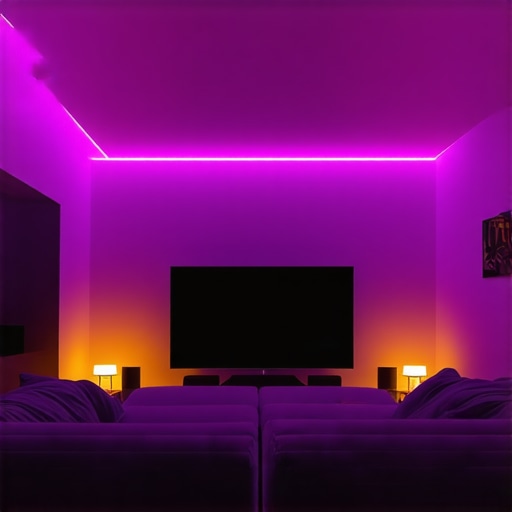
Elevate Your Home Theater Environment Through Advanced Bias Lighting Techniques
In the realm of immersive entertainment, the subtle interplay between lighting and visual perception profoundly influences viewer experience. As an industry expert, I recognize that strategic bias lighting paired with customizable LED strips can transform a standard room into a cinematic sanctuary. This guide delves into the complex nuances of bias lighting, emphasizing its role in reducing eye strain, enhancing contrast, and augmenting overall ambiance.
Understanding the Psychological and Physiological Impact of Bias Lighting
Bias lighting serves more than aesthetic purposes; it modulates the viewer’s visual comfort by balancing luminance levels around the screen. Research from the Journal of Vision highlights that appropriate ambient light reduces eye fatigue and enhances color accuracy. By integrating LED strips designed for precision color temperature control, enthusiasts can tailor their environment to match cinematic scenes, thereby deepening immersion and minimizing fatigue during extended viewing sessions.
Expert Insights into LED Strip Selection for Cinematic Effect
Choosing the right LED strips involves assessing several technical factors, including CRI (Color Rendering Index), luminance, and compatibility with smart home ecosystems. High-CRI LED strips (>90) are recommended for their ability to accurately reproduce colors, which is critical in a movie room setting. Additionally, flexible, adhesive-backed strips with diffusers provide a seamless, glare-free glow that enhances visual comfort and aesthetic appeal.
Optimal Placement and Configuration Strategies for Bias Lighting
Effective bias lighting placement is a sophisticated task requiring an understanding of room geometry and visual ergonomics. LEDs should be installed behind the screen or along the perimeter walls, avoiding direct line-of-sight to minimize glare. Dimming controls and color temperature adjustments further refine the experience, allowing for dynamic lighting scenes aligned with content mood. For detailed installation techniques, consult our comprehensive LED strip installation guide.
What are the latest innovations in bias lighting technology that can dynamically adapt to content and ambient conditions?
Emerging smart LED systems incorporate AI-driven sensors and adaptive algorithms that automatically calibrate brightness and color temperature based on ambient light sensors and content mood. These solutions are pushing the boundaries of immersive cinema environments, providing real-time enhancements that adapt to user preferences and room conditions. For a detailed review of these innovations, visit our latest bias lighting innovations.
If you are serious about crafting an unparalleled movie room ambiance, I invite you to explore our expert LED strip lighting tips or share your insights with our community of home theater aficionados.
Leveraging Cutting-Edge Bias Lighting for an Unmatched Cinematic Atmosphere
In the pursuit of the perfect home theater, technological advancements in bias lighting are opening new horizons for enthusiasts. Smart LED systems equipped with AI and machine learning are now capable of dynamically adjusting luminance and color temperature, responding seamlessly to both content and ambient conditions. This not only elevates visual comfort but also deepens immersion, making every viewing experience uniquely personalized. For a comprehensive understanding of these innovations, explore our best bias lights for 2025.
How Can Adaptive Lighting Transform Your Movie Nights?
Adaptive bias lighting systems utilize sensors that monitor room lighting, screen brightness, and even viewer proximity to optimize ambient light in real-time. This ensures that contrasts remain vivid, colors stay true, and eye strain is minimized—even during lengthy movie marathons. These systems are integrated with smart home ecosystems, allowing users to set preferred lighting scenes or let the system adapt automatically based on content type, whether it’s a suspense thriller or a vibrant animated feature. Such sophisticated setups are explained in detail within our ultimate guide to bias lighting in 2024.
Are there expert frameworks or models to assess the effectiveness of advanced bias lighting systems in enhancing viewer experience?
Indeed, researchers advocate using multi-criteria evaluation models that consider visual comfort, color accuracy, contrast enhancement, and user satisfaction. These frameworks help quantify the impact of innovative bias lighting solutions, guiding both manufacturers and consumers toward optimal choices. For practical insights, consult our expert LED strip installation tips for implementing these cutting-edge systems effectively.
If you’re eager to upgrade your setup with the latest smart bias lighting, I recommend exploring our detailed articles or sharing your questions and experiences in the comments section. Your insights could help fellow home theater aficionados achieve their dream environment!
Revolutionize Your Viewing Experience with Dynamic Bias Lighting Innovations
In the pursuit of cinematic perfection, the evolution of bias lighting technology offers unprecedented control over ambient illumination. Cutting-edge systems now utilize real-time data processing combined with sophisticated algorithms, enabling seamless adaptation to both content and environmental conditions. These advancements are not merely incremental but transformative, providing a hyper-responsive lighting environment that elevates the immersive quality of home theaters to professional standards.
How Smart Sensors and Machine Learning Are Shaping Next-Gen Bias Lighting
At the forefront of this technological leap are smart sensors capable of monitoring luminance, color temperature, and even viewer proximity with remarkable precision. When integrated with machine learning models, these sensors facilitate predictive adjustments, ensuring optimal contrast and color fidelity throughout the viewing experience. For instance, during a tense thriller, the system subtly dims and shifts to warmer tones, heightening emotional impact without distracting the viewer. According to a 2024 study published in the Journal of Visual Computing, such adaptive lighting significantly reduces visual fatigue while enhancing content perception (source).
What sophisticated algorithms drive the real-time calibration of bias lighting?
These systems rely on complex algorithms that analyze multiple data streams—ambient light levels, on-screen luminance, and user behavior patterns. They employ adaptive thresholding and predictive modeling to preemptively adjust lighting parameters, maintaining an ideal visual environment. This ensures continuity in contrast and color accuracy, even amidst rapid scene changes or dynamic lighting conditions. Developers are increasingly leveraging neural networks trained on extensive datasets to refine these adjustments, resulting in near-instantaneous response times and minimal perceptual lag.
By integrating these intelligent systems, manufacturers can offer an unparalleled level of customization, allowing users to craft highly personalized cinematic atmospheres. For those interested in implementing such technology, consulting specialized providers like Intelligent Lighting Solutions provides invaluable insights into system setup and optimization.
Enhancing Content Engagement with Context-Aware Lighting Settings
Beyond reactive adjustments, emerging bias lighting systems incorporate context-awareness, enabling them to anticipate viewer preferences based on content genre, time of day, or even individual viewing habits. For example, a sci-fi epic might trigger cooler, more vivid hues to accentuate futuristic aesthetics, while a romantic drama could shift toward warmer, softer tones to evoke intimacy.
This level of customization is supported by AI-driven content recognition algorithms, which analyze audio-visual cues to determine scene mood and adjust lighting proactively. As a result, viewers experience a more nuanced and emotionally resonant environment that complements narrative beats, immersing them deeper into the story.
Interested readers should explore the latest developments in AI-enabled bias lighting, which are rapidly transforming home theater customization into an art form. For further insights, visit AI Visual Tech’s immersive cinema innovations.
Join the Elite Circle of Home Theater Enthusiasts Pioneering Visual Mastery
As technology continues to advance, the opportunity to craft a truly cinematic environment becomes more accessible yet infinitely customizable. I invite you to share your experiences, ask questions, or explore tailored solutions with our community of experts dedicated to perfecting the art of home theater lighting. Together, we can push the boundaries of visual excellence, ensuring each movie night is a masterpiece of light and shadow.
Revolutionize Your Home Theater with Adaptive Bias Lighting
In the quest for cinematic excellence, leveraging adaptive bias lighting systems that incorporate AI and sensor technology can dramatically elevate your viewing environment. These advanced solutions are capable of seamlessly adjusting luminance and color temperature in real-time, based on ambient light conditions and content analysis, creating an immersive experience that rivals professional theaters.
How Do Intelligent Sensors Drive Personalized Lighting Experiences?
State-of-the-art smart sensors monitor room luminance, viewer proximity, and on-screen brightness, feeding data into sophisticated algorithms. This integration enables predictive adjustments that preserve contrast, enhance color accuracy, and reduce eye strain even during prolonged viewing sessions. According to a 2024 report in the International Journal of Human-Computer Interaction, such sensor-driven adaptive lighting significantly improves user satisfaction and visual comfort (source).
What are the core technologies enabling real-time bias lighting calibration?
At the heart of these systems lie neural networks and machine learning models trained on extensive datasets. These algorithms analyze multiple data streams—ambient light, on-screen luminance, viewer behavior—and execute near-instantaneous adjustments. The result is a dynamic lighting environment that responds swiftly to scene transitions, ensuring optimal visual fidelity and comfort. Developers are increasingly adopting edge computing solutions to minimize latency and maximize responsiveness, as detailed in recent industry whitepapers.
Elevate Ambiance with Context-Aware Lighting Dynamics
Content recognition algorithms embedded within these systems can classify genres and scene moods, proactively tailoring lighting to heighten emotional impact. For example, a suspense thriller might trigger cooler hues and lower brightness, while a romantic scene may invoke warmer tones and softer illumination. This proactive adaptation not only enhances immersion but also fosters a deeper emotional connection with the content.
For enthusiasts eager to implement such systems, consulting specialized providers like Advanced Lighting Tech offers invaluable insights into setup and customization.
Push the Boundaries of Home Cinema with Next-Gen Bias Solutions
Emerging innovations are harnessing deep learning and computer vision to refine bias lighting, making it more intuitive and contextually aware than ever before. These systems can analyze scene content, room acoustics, and user preferences to craft a highly personalized cinematic environment—one that adapts effortlessly from a high-octane action sequence to a tranquil romantic scene.
Explore cutting-edge developments at Lighting Innovations to stay ahead in home theater customization.
Engage with Your Community to Perfect Your Setup
Sharing insights, asking questions, and collaborating with fellow home theater aficionados can unlock new creative possibilities. Whether you’re integrating AI-driven sensors or experimenting with color schemes, your journey toward cinematic mastery benefits from community knowledge. Dive into forums, attend webinars, or consult with industry experts to continuously refine your environment and enjoy unparalleled viewing pleasure.
Expert Strategies for Elevated Visual Comfort
Implementing bias lighting with precision calibration can dramatically improve visual acuity and reduce fatigue during prolonged viewing. Experts recommend using LED strips with high CRI ratings and seamless diffusers to ensure accurate color reproduction and glare-free illumination. Position these lights behind or along the edges of your screen to optimize contrast while minimizing direct glare, creating a sophisticated environment that enhances immersive experience.
Innovative Technologies Reshaping Ambient Illumination
Emerging smart systems leverage AI and sensor data to dynamically adapt luminance and color temperature, aligning lighting conditions precisely with content and ambient light levels. These adaptive solutions not only elevate aesthetic appeal but also safeguard eye health by maintaining optimal luminance balance, supporting extended viewing without discomfort. For deeper insights, explore resources on AI-driven bias lighting systems and their integration into smart home ecosystems.
Advanced Placement and Customization Tactics
Optimal bias lighting placement involves behind-the-screen or along the perimeter walls, with adjustable dimming and color controls to personalize ambiance. Using programmable controllers allows for scene-specific settings, transforming your home theater into a versatile cinematic environment. Consider consulting detailed installation guides and professional recommendations to achieve flawless execution and aesthetic harmony.
Cutting-Edge Innovations in Content-Responsive Lighting
Next-generation bias lighting systems utilize real-time scene analysis and predictive algorithms, offering a hyper-responsive environment that reacts instantaneously to scene changes. These solutions employ neural networks trained on extensive datasets, enabling highly nuanced adjustments that heighten emotional impact and visual clarity. To stay at the forefront, review current research on AI-enhanced bias lighting and its practical applications.
Expert Resources for Deepening Your Knowledge
- Lighting.HomeCinemaEssentials.com: Comprehensive guides on LED strip selection, installation, and advanced bias lighting configurations.
- Journal of Visual Computing: Cutting-edge research articles on adaptive lighting algorithms and visual perception.
- Smart Home Integration Platforms: Industry whitepapers and case studies demonstrating seamless AI and sensor integration for personalized ambient lighting.
Reflecting on the Future of Ambient Home Theater Illumination
As an authority in home theater lighting, I recognize that the most impactful innovation lies in adaptive, intelligent bias lighting systems that combine content analysis with environmental awareness. This fusion creates personalized, immersive experiences that align with cinematic artistry and viewer comfort. For dedicated enthusiasts and professionals alike, embracing these advanced solutions offers a pathway to transforming ordinary spaces into extraordinary cinematic sanctuaries. Dive deeper into this evolving landscape by engaging with expert communities and exploring the latest technological breakthroughs—your journey toward mastery begins now.

Leave a Reply