

Enhancing Visual Fidelity Through Advanced Bias Lighting Techniques
In the pursuit of cinematic excellence within domestic environments, the selection and implementation of ambient lighting, particularly bias lights, stand as pivotal factors influencing perceived contrast, color accuracy, and viewer comfort. As display technology advances with higher dynamic ranges and increased saturation, the demand for lighting solutions with precise color rendering, notably high Color Rendering Index (CRI) ratings, becomes imperative for preserving authentic hues and preventing chromatic distortions.
The Role of CRI 98 in Achieving Color Precision in Ambient Lighting
CRi, or Color Rendering Index, quantifies a light source’s ability to faithfully reproduce colors in comparison to natural sunlight, with scores spanning from 0 to 100. For home theater environments, employing bias lights with a CRI of 98 or higher ensures that ambient illumination does not alter the perceived color balance on screen, thereby delivering a more accurate and immersive viewing experience. This is especially critical when viewing content requiring precise color grading, such as professional movies or high-fidelity streaming.
LED Strip Selection: Beyond Brightness to Spectral Fidelity
While luminous intensity and flexibility are often primary considerations for LED backlighting, serially connected LED strips should also be scrutinized for spectral output. LEDs with a high CRI lead to better color accuracy, reducing eye strain and preventing color washout. Experts suggest choosing LED strips with full-spectrum diodes or phosphor-converted LEDs that meet or exceed the CRI 98 threshold, thereby ensuring that backlighting enhances, rather than diminishes, visual details.
Ambient Lighting and Backlight Synchronization: Creating a Cohesive Scene
Integrating bias lights with synchronizing capabilities, such as those controllable via smart home systems, allows for adaptive ambient environments that complement dynamic content. For instance, an expert guide elaborates on how adjustable, high-CRI LED strips can be calibrated to match scene luminance, elevating contrast ratios and enhancing perceived depth. The synchronization not only enriches image quality but also minimizes viewer fatigue caused by abrupt luminance transitions.
Vendor Perspectives and Practical Implementation Considerations
Market leaders like LIFX, Philips Hue, and custom LED suppliers offer options with high CRI ratings suitable for cinema-grade bias lighting. Ensuring seamless installation involves surface preparation, avoiding heat damage, and choosing diffuse covers to eliminate hotspots. Field-tested techniques include mounting LED strips on angled surfaces or behind translucent panels, aligning with professional recommendations outlined in sources like comprehensive guides. Addressing issues such as voltage drops or flickering often requires power injectors and stable controllers, thereby maintaining spectral integrity across entire setups.
How Can High-CRI Bias Lights Impact Your Viewer Experience and Color Calibration?
High-CRI bias lighting reduces chromatic aberrations and ensures that displayed colors remain true to their source, leading to more accurate calibration of projectors and screens. This calibration is vital for professional-grade content creation and critical viewing, impacting color grading workflows and the fidelity of streaming content. Operating in a professional context, experts advocate for meticulous spectral matching, which can be achieved through high-CRI LED strips combined with proper sensor-based calibration tools.
For continued mastery over your home cinema lighting ecosystem, explore dedicated resources like this extensive guide. Share your professional insights and experience with bias lighting to refine industry standards and elevate user-centric design.
Customizing Spectral Profiles for Unmatched Visual Precision
To elevate your home theater lighting from standard to stellar, embracing spectral customization of LED strips becomes essential. LEDs with adjustable spectral output allow precise control over hue and saturation, aligning ambient light with specific content types. For instance, tuning LEDs to emit wavelengths that complement high-dynamic-range (HDR) content preserves contrast and vividness, ensuring viewers experience scenes as intended by filmmakers. Experts recommend choosing LED strips with full-spectrum diodes that can be calibrated for nuanced spectral alignment, a technique detailed in the comprehensive bias lighting guide. Such customization minimizes color distortion and enhances overall image fidelity, especially in professional or critical viewing environments.
The Significance of Consistent Luminance Ratios in Multi-Source Setups
One overlooked aspect in bias lighting design is maintaining consistent luminance ratios across different viewing zones. Discrepancies can lead to visual fatigue and inaccurate color perception, defeating the purpose of high-CRI bias lights. Implementing intelligent lighting controllers that adjust brightness levels in real-time ensures harmony between the display and ambient illumination, reinforcing natural color relationships. Achieving this balance requires understanding the interplay of luminance levels, a principle thoroughly analyzed in the expert guide on bias lighting techniques. Integrating such systems simplifies calibration and sustains color accuracy during varied content playback, creating a seamless, immersive atmosphere.
What Role Do Advanced Calibration Tools Play in Perfecting Bias Lighting?
High-precision calibration tools, such as spectrometers and colorimeters, empower enthusiasts and professionals alike to fine-tune bias lighting setups. By measuring the spectral distribution and color temperature of LED strips, calibration can be customized to match display profiles accurately. This process ensures that ambient lighting acts as an extension of the screen’s color space, rather than an obstacle, supporting accurate viewing and content creation. As detailed by industry experts, employing calibration sensors in conjunction with high-CRI LEDs enhances consistency and prevents issues like hue shifts or color bloat, vital for applications demanding exacting standards.
If you’re keen to master these advanced calibration techniques, resources like the ultimate bias lighting guide provide step-by-step instructions and recommended tools. Sharing your calibration experiences can also help refine best practices and elevate the home cinema community’s standards, ensuring everyone benefits from precise, professional-grade ambient lighting.
Why Spectral Matching is the Next Frontier in Home Cinema Calibration
While high-CRI LED strips significantly improve color accuracy, the pursuit of perfection demands going a step further—delving into spectral matching. This process involves aligning the spectral power distribution of your bias lighting with the specific spectral profile of your display device and the content being viewed. By doing so, you reduce chromatic illusions and color shifts caused by differences in lighting spectra, which can subtly distort perceived hues under standard lighting conditions. According to professional calibration reports, spectral mismatches can lead to perceptual inaccuracies equivalent to calibration errors of several Delta E units—measures that technicians strive to minimize for critical color work (International Color Consortium).
What Makes Spectral Matching Essential for Critical Viewing?
In environments where color precision is non-negotiable—such as in professional color grading suites or high-end home theaters—spectral matching ensures that ambient light does not interfere with the display’s color fidelity. It preserves the integrity of mid-tones and highlights, maintains color saturation consistency, and prevents chromatic adaptation issues. Achieving this level of calibration typically requires employing narrow-band LEDs with tunable spectral outputs, coupled with spectrometer-based calibration, to craft a custom spectral profile that harmonizes with your display’s color management system.
Implementing Spectral Tuning: Practical Strategies for Enthusiasts and Professionals
Implementing spectral tuning begins with selecting LED sources capable of precise spectral customization—full-spectrum diodes or phosphor-converted LEDs with known emission profiles. Next, a spectrometer, such as the X-Rite i1Pro 3 or similar tool, measures the spectral output of your lighting setup. The collected data guides adjustments—either through hardware tuning or software-controlled LED drivers—that refine spectral emission to match your display’s color gamut and the content’s color grading intent.
Expert systems that automate this process, like advanced DMX lighting controllers integrated with spectral calibration profiles, are increasingly accessible for high-end personal setups. These systems utilize pre-determined spectral maps to dynamically adjust LED outputs based on the content, ensuring optimal color reproduction in real-time. Such integration exemplifies the convergence of professional-grade calibration techniques with consumer-level technology, enabling casual enthusiasts to achieve near-professional results.
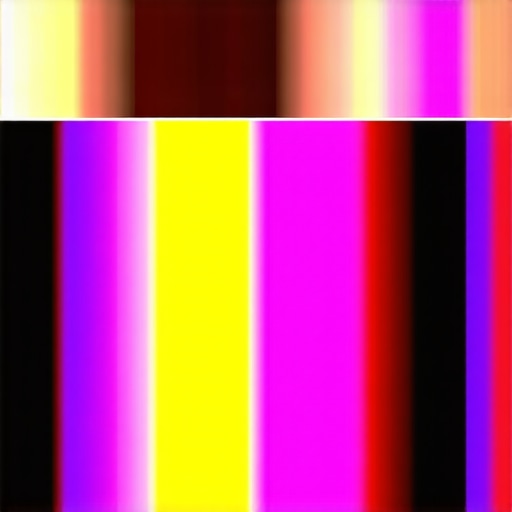
To visualize this process, consider a spectral graph of an LED strip’s emission profile calibrated to match a Dolby Vision HDR display, illustrating minimal spectral overlap discrepancies—crucial for maintaining color integrity across different content types.
Anticipating the Future: Spectrally Adaptive Lighting and AI Integration
Looking ahead, the evolution of bias lighting may incorporate artificial intelligence and machine learning algorithms capable of real-time spectral adaptation. By analyzing incoming content, ambient conditions, and display characteristics, these intelligent systems could dynamically modify the spectral output to maintain consistent color accuracy, contrast, and viewer comfort. Such advancements would mark a paradigm shift from static calibration methods toward adaptive, context-aware ambient lighting solutions.
For those eager to stay ahead in this field, investing time in understanding spectral theory and keeping abreast of emerging technologies is invaluable. Engaging with professional communities, attending calibration workshops, and experimenting with spectral measurement tools enhance both practical skills and conceptual comprehension. As the landscape advances, mastering these sophisticated calibration techniques will be essential for achieving the highest standards of immersive visual fidelity in every home cinema setup.
Why Does Spectral Fidelity Elevate Home Theater Experiences?
Achieving a truly immersive home theater transcends mere resolution and contrast; it hinges on the precise harmony between display output and ambient lighting. Spectral fidelity in bias lighting ensures that colors appear consistent and authentic, minimizing chromatic distortions that can compromise viewer perception. High-fidelity spectral matching prevents ambient light from skewing the perceived hues, thereby preserving color integrity, especially when engaging with content that demands rigorous calibration such as HDR and Dolby Vision productions.
How Advanced Spectral Calibration Can Transform Visual Details
Traditional high-CRI LED strips significantly improve color accuracy, but to reach the zenith of visual precision, spectral calibration takes precedence. Utilizing spectrometers to analyze the emission spectrum of LED sources, professionals can fine-tune lighting profiles to seamlessly align with display color gamuts and content-specific color grading. This level of customization minimizes perceptual color shifts, enabling viewers to perceive cinematic details with unrivaled accuracy. Integrating software-driven spectral tuning tools further refines this process, paving the way for tailored ambient environments that adapt to varied content.
What are the Latest Innovations in Spectrally Adaptive Lighting?
The confluence of quantum dot technology and AI-driven control systems has spurred advancements in adaptive ambient lighting. Quantum dot LEDs offer tunable emission spectra with narrow bandwidths, facilitating unparalleled spectral matching. Meanwhile, AI algorithms analyze real-time content and environmental data to dynamically adjust spectral outputs, maintaining optimal color fidelity throughout playback. These innovations promise to revolutionize high-end home theaters, providing an adaptive, almost preternatural level of ambient-light congruence that aligns perfectly with on-screen imagery.
Why Spectrum Matching Is Critical for Color Calibration Experts
Color calibration professionals recognize that spectrum mismatches between lighting and display create perceptual inconsistencies, such as hue shifts and saturation errors. Achieving perfect spectrum alignment demands not only high-CRI LEDs but also narrow-band, tunable light sources controlled by precise spectral measurement devices. As highlighted by the International Color Consortium’s standards, maintaining spectral consistency enhances the accuracy of color reproduction workflows and enables consistent viewing conditions—even across different rooms or sessions. This meticulous approach ensures that content creators and discerning viewers experience true-to-source color fidelity, elevating the aesthetic and emotional impact of visual storytelling.
Implementing Precision Spectral Tuning in Your Setup
Transitioning from standard high-CRI lighting to spectroscopy-optimized bias lighting involves selecting LEDs capable of spectral customization, such as full-spectrum or narrow-band diode arrays. Calibration begins with spectral measurements using high-precision spectrometers, which inform adjustments—either through hardware tuners or firmware settings—that align emission profiles with intended targets. Incorporating dedicated spectral profiles into smart controllers enables seamless real-time adaptation, especially when paired with content-aware algorithms. Such integration not only enhances visual accuracy but also simplifies maintenance, ensuring that your cinematic environment remains finely calibrated over time.
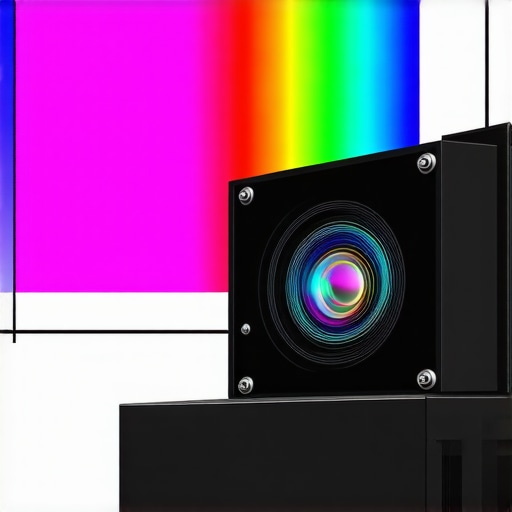
This illustration depicts a spectral profile comparison between standard LED lighting and a custom-tuned, spectrally matched bias light, emphasizing the importance of narrow-band emission for optimal color accuracy.
Linking Spectral Customization with Content Optimization
Advanced spectral tuning is most beneficial when harmonized with content-specific calibration. For instance, HDR content with vivid highlights demands lighting that preserves vibrancy and contrast without introducing hue distortions. Employing tunable LEDs can augment the display’s dynamic range perception, delivering an experience that is closer to cinematic intent. Integration with professional calibration tools and software automates this synergy, allowing for the seamless transition of spectral profiles tailored for various genres, formats, and viewing conditions, thereby elevating the fidelity of every frame.
Envisioning the Future of Ambient Lighting in Cinematic Environments
The future landscape envisions intelligent bias lighting systems capable of autonomous spectral modulation based on real-time data analysis. Machine learning models could predict optimal spectral configurations for different genres, ambient conditions, and personal preferences, creating a hyper-responsive environment that enhances viewer comfort and perceptual accuracy. As connectivity and sensor technologies evolve, home theaters will increasingly resemble adaptive ecosystems, where spectral precision becomes a dynamic, integral aspect of high-fidelity cinematic presentation. For enthusiasts eager to pioneer this frontier, developing expertise in spectral engineering and real-time control systems will be indispensable, promising an unprecedented level of immersive authenticity in home entertainment.
Expert Insights & Advanced Considerations
Prioritize Spectral Accuracy for True-to-Life Colors
Implementing high-CRI, tunable LED strips allows precise control over spectral output, which is essential for maintaining color fidelity, especially during professional grading and critical viewing sessions.
Optimize Synchronization Between Content and Ambient Light
Leveraging advanced smart controllers enables real-time adjustment of bias lighting to match on-screen scenes, elevating contrast perception and reducing viewer fatigue in dynamic content environments.
Invest in Precision Calibration Tools
Utilizing spectrometers and colorimeters ensures your ambient lighting complements your display’s color profile, leading to impeccable calibration and an immersive viewing experience.
Leverage Spectral Tuning for HDR Content
Custom spectral profiles can preserve the vibrancy and contrast of HDR formats, aligning ambient light spectra with content-specific color spaces for unparalleled realism.
Stay Ahead with Emerging Spectrally Adaptive Technologies
Emerging AI and quantum dot innovations promise real-time spectral adjustments, forging a new frontier in adaptive, perceptually optimized home theater environments.
Curated Expert Resources
- Lighting Science’s Complete Guide to CRI and Spectral Fidelity: Offers detailed explanations of high-CRI lighting benefits essential for professional calibration.
- International Color Consortium (ICC): Sets industry standards for color management, crucial for understanding spectral matching in ambient lighting.
- Spectral Measurement with X-Rite i1Pro 3: A practical resource for calibrating and verifying LED spectral output to ensure accuracy.
- Advanced Home Theater Calibration Techniques: In-depth articles detailing how spectral tuning impacts HDR and Dolby Vision content.
- Emerging Quantum Dot and AI Technologies: Industry reports on the cutting-edge innovations transforming adaptive ambient lighting.
Reflections from the Frontiers of Visual Fidelity
Mastering the subtleties of spectral fidelity, calibration precision, and adaptive technology elevates home theater experiences beyond mere resolution. As expert practitioners recognize, integrating high-quality, tunable bias lighting into your setup isn’t just about enhancing aesthetics—it’s about achieving a new level of perceptual accuracy that aligns perfectly with the high standards of professional content creation and critical viewing. Embracing these advanced insights and cutting-edge resources empowers you to push the boundaries of immersive cinema, delivering extraordinary visual fidelity within your personal sanctuary. Dive deeper into these topics and share your insights to contribute to the evolution of premium ambient lighting design.


Leave a Reply