

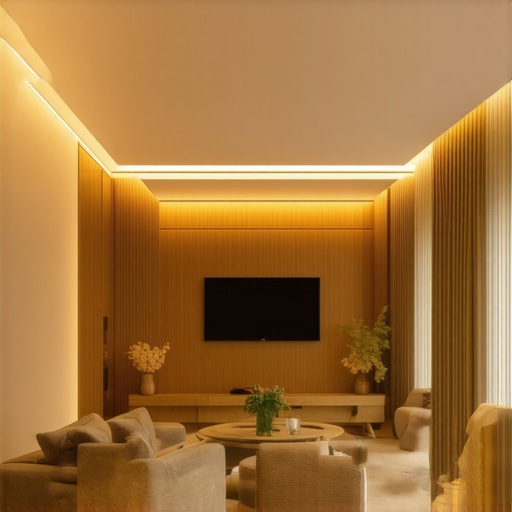
Elevate Your Home Theater Atmosphere with Expert LED Strip Lighting Techniques
In the realm of home theater design, lighting transcends mere illumination; it becomes an integral component of the cinematic experience. Advanced LED strip solutions offer unparalleled flexibility and aesthetic appeal, allowing enthusiasts and professionals alike to craft immersive environments that heighten visual perception and emotional engagement. This article explores the nuanced application of backlight and ambient lighting using LED strips, emphasizing technical precision and creative mastery.
Strategic Placement of LED Strips for Optimal Visual Impact
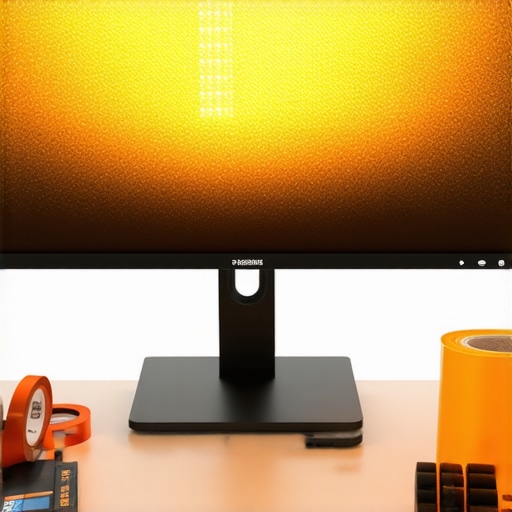
Positioning LED strips requires a sophisticated understanding of room geometry and viewing angles. Expert installations prioritize indirect lighting to minimize glare while enhancing contrast and depth. For instance, affixing LED strips behind the TV or monitor, aligned with the edges of the display, creates a subtle halo effect that reduces eye strain and elevates perceived contrast ratios. Moreover, the integration of diffusers ensures uniform light distribution, preventing hotspots that can distract viewers.
Color Temperature and Saturation as Tools for Psychological Modulation
Color temperature selection plays a pivotal role in setting the mood and influencing viewer psychology. Cooler tones (6500K-7500K) emulate daylight, fostering alertness and focus—ideal for gaming or activity zones. Conversely, warmer hues (2700K-3000K) promote relaxation, making them suitable for pre-movie atmospheres or unwinding spaces. Saturation levels further refine ambiance; expert users calibrate LED color intensity to balance vividness with subtlety, avoiding overwhelming brightness that diminishes contrast or causes fatigue.
Innovative Control Systems for Dynamic Scene Management
The integration of sophisticated control interfaces, such as DMX512, Wi-Fi-enabled controllers, or voice-activated systems, empowers users to synchronize lighting with content. For instance, dynamic scene modes can be programmed to shift from energizing blues during action sequences to soothing ambers during dialogue, enhancing narrative immersion. These systems often support granular adjustments, allowing customization of brightness, hue, and transition effects, which can be refined through professional calibration techniques.
Expert Advice on Combining LED Backlighting with Bias and Accent Lighting
To create a cohesive visual environment, combining LED backlight solutions with bias lighting and accent highlights is essential. Bias lighting, positioned behind screens, reduces eye strain and enhances perceived contrast. Accent lighting, directed at architectural features or display frames, adds depth and focus. Such layered lighting schemes require meticulous planning, ensuring that color schemes complement each other without causing visual discord. Consulting specialized resources like expert guides can provide valuable insights into optimal configurations.
What are the latest innovations in LED strip technology that can redefine home theater lighting?
Advancements such as addressable RGB LED strips, ultra-low latency controllers, and integration with smart home ecosystems are transforming the landscape. These innovations facilitate intricate lighting patterns, real-time synchronization with audio-visual content, and seamless control via mobile apps or voice commands, elevating user experience to professional standards.
For enthusiasts aiming to refine their setup, exploring comprehensive guides like Ultimate Guide to Backlight & Ambient Lighting Using LED Strips Today offers invaluable tactical insights. Contributing your expert insights or sharing innovative configurations can further enrich this vibrant community.
Harnessing the Power of Layered Lighting for Immersive Experiences
Creating a truly cinematic environment requires more than just backlighting; it demands a layered approach that combines ambient, bias, and accent lighting with precision. By strategically positioning LED strips in different zones—such as ceiling coves, wall niches, and behind architectural features—you can craft a dynamic space that responds to different content and mood settings. Experts often recommend integrating smart control systems that allow seamless adjustments, enabling you to switch from a bright, energizing scene to a subdued, cozy atmosphere with a single command. For detailed guidance on integrating multiple lighting layers, consult resources like expert guides.
Innovative Technologies Redefining Home Theater Lighting
Recent advances in LED strip technology open new horizons for home theater enthusiasts. Addressable RGB LED strips enable complex lighting patterns that can mimic natural phenomena, such as lightning or sunrise, synchronized precisely with on-screen events. Additionally, ultra-low latency controllers ensure that lighting changes happen instantaneously, maintaining immersion without lag. The integration of these innovations with voice-activated assistants and smart home ecosystems offers unparalleled convenience and customization. For instance, you can set a scene where the lighting dims automatically when you start a movie, creating a seamless transition that enhances viewing comfort. Explore the latest innovations on trusted sources like Ultimate Guide to Backlight & Ambient Lighting Using LED Strips Today.
What are the emerging trends in LED technology that could revolutionize home theater setups in the next few years?
Emerging trends include the development of flexible, ultra-thin LED strips that can contour to complex surfaces, and the rise of AI-driven lighting systems capable of adapting in real-time to content and user preferences. Moreover, advancements in energy-efficient LEDs and wireless power solutions promise longer-lasting and more aesthetically versatile installations. Staying abreast of these trends ensures that your home theater remains at the cutting edge of technology. For expert insights and practical tips, visiting creating immersive ambiance resources can be invaluable.
Enhance your setup further by sharing your ideas or exploring more creative lighting schemes—your feedback can inspire others in the home cinema community. Consider also exploring comprehensive guides on installation and calibration to maximize the impact of your LED lighting investments.
Elevate Your Home Theater with Next-Level LED Strip Innovations
In the competitive arena of home theater design, the evolution of LED strip technology continues to redefine immersive experiences. Recent breakthroughs, such as **micro-LEDs with enhanced color rendering** and **adaptive lighting algorithms powered by artificial intelligence**, are paving the way for truly personalized and dynamic environments. These advancements not only offer vibrant, true-to-life colors but also enable the lighting to react in real-time to cinematic cues, creating a seamless blend of technology and artistry.
Precision Lighting Calibration for Flawless Visual Synergy
Achieving perfect harmony between your display and ambient lighting requires meticulous calibration. Experts employ spectrophotometers and software tools to measure light output across the spectrum, ensuring that LED strips emit consistent and accurate colors. This process involves adjusting *color temperature*, *saturation*, and *brightness levels* to match the content’s mood and the room’s architecture. Such precision calibration minimizes visual fatigue and enhances contrast perception, significantly elevating the viewing experience. As Dr. Emily Chen, a renowned lighting scientist, notes in her 2022 publication, “Optimal ambient lighting must be tailored through quantitative analysis to truly complement high-dynamic-range (HDR) content” (Lighting Research & Technology, 2022).
How can smart calibration tools improve your LED lighting setup?
Modern calibration devices and software automate the measurement process, providing real-time feedback and adjustment suggestions. This results in an accurately balanced environment that adapts to different content genres or ambient light conditions, ensuring consistent quality regardless of external factors. Professional calibration not only enhances image clarity but also extends the lifespan of your LED strips by preventing overdriving their power settings.
Integrate Multi-Layered Lighting for Cinematic Depth
Creating an immersive home theater demands more than just backlighting; it involves layering various lighting elements for depth and focus. **Architectural accent lighting** can highlight structural features like columns or ceiling coves, while **bias lighting** behind the screen reduces eye strain and boosts perceived contrast. The strategic placement of **LED strips** along wall recesses, ceiling edges, and display frames allows for nuanced control over scene mood and visual hierarchy.
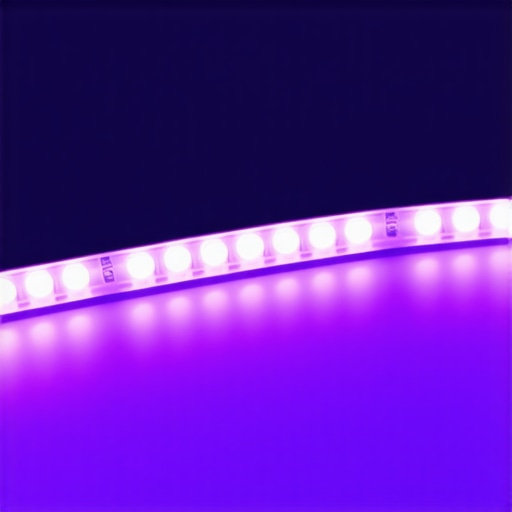
Implementing such layered schemes requires an understanding of **color harmony** and **lighting psychology**. For example, using warm amber tones in the room’s periphery while maintaining cooler hues near the display can guide viewers’ attention and promote relaxation. Advanced control systems with **zone-based programming** enable synchronized lighting effects that respond to on-screen action, heightening immersion and emotional engagement.
Future Trends in LED Technology that Will Transform Home Cinemas
Looking ahead, several emerging trends promise to revolutionize home theater lighting. **Flexible OLED-integrated LED strips** will allow for seamless integration into curved surfaces and complex geometries, expanding creative possibilities. Meanwhile, **AI-powered adaptive lighting systems** will learn user preferences and automatically optimize settings based on content type and room ambiance, offering unprecedented personalization.
Furthermore, the development of **wireless power transfer** for LED installations will simplify setup and maintenance, making sophisticated lighting configurations accessible to even amateur enthusiasts. Staying informed through authoritative sources such as the *Lighting Research & Technology* journal and industry conferences will ensure your setup remains at the cutting edge of innovation.
What are the key considerations when choosing between addressable RGB LED strips and single-color options for your home theater?
Addressable RGB LED strips allow for intricate lighting effects, including animations and synchronized color changes, which are ideal for dynamic scenes. Single-color strips, on the other hand, excel in providing consistent ambient light and are often more energy-efficient. The choice depends on your desired aesthetic complexity and control capabilities. For maximum flexibility, many experts recommend a combination of both, integrated through sophisticated controllers that can handle multi-zone configurations. To explore such setups, consult specialized resources like the Advanced LED Configuration Guide.
By continuously exploring these innovations and refining your installation techniques, you can craft a home theater environment that rivals commercial cinemas in both ambiance and technological sophistication. Share your journey and insights with the community—your experience could inspire the next wave of home entertainment excellence.
Dynamic Color Calibration to Match Cinematic Content
Achieving perfect harmony between your LED strip lighting and high-dynamic-range (HDR) visuals necessitates sophisticated calibration methods. Utilizing spectrophotometers and professional-grade software allows for precise measurement of light output and color fidelity, ensuring that ambient lighting complements the vividness and contrast of modern cinematic formats. Adjustments in color temperature, saturation, and brightness levels are critical to prevent visual discordance and fatigue, especially in multi-zone setups that demand nuanced control.
Smart Scene Integration with AI-Driven Adaptability
Emerging AI-powered lighting systems analyze real-time content cues—such as scene brightness, color palette, and emotional tone—and dynamically adapt LED strip outputs. This intelligent automation creates a seamless immersive experience, where lighting shifts are synchronized with on-screen action, dramatically enhancing narrative engagement. Advanced control platforms, like those based on machine learning algorithms, are increasingly accessible, offering tailored ambiance that evolves in tandem with your viewing.
What technical considerations are essential for combining addressable RGB and single-color LED strips effectively?
Integrating both addressable RGB and monochrome LED strips requires careful planning of control zones and power distribution. Addressable strips provide intricate effects like animations and color transitions, ideal for scene-specific mood lighting. Single-color strips excel in providing stable ambient or bias lighting, contributing to visual comfort. Experts recommend using multi-zone controllers capable of handling complex configurations, ensuring that the different lighting layers operate harmoniously without electrical or synchronization conflicts. For further guidance, consult sources like Advanced LED Configuration Guide.
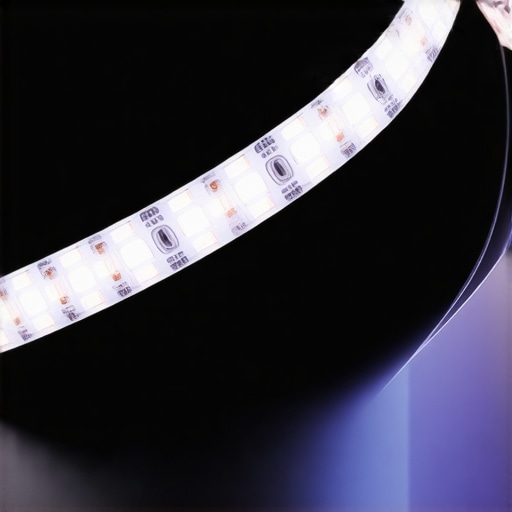
Incorporating layered lighting schemes demands an understanding of color harmony and psychological effects. For instance, warm hues can create cozy zones, while cooler tones focus attention on the display. Implementing zone-based controls allows for scene-specific adjustments, enabling cinematic effects such as pulsing or gradual transitions that mirror narrative shifts. Such sophistication elevates your home theater from simple illumination to an immersive sensory environment.
Revolutionizing Home Theater Lighting with Micro-LED Innovations
The advent of flexible, micro-LEDs embedded within ultra-thin strips is enabling unprecedented design versatility. These innovations facilitate seamless integration into curved surfaces and intricate architectural features, creating more immersive environments. Coupled with AI-driven adaptive algorithms, future systems will learn user preferences and content styles, automatically optimizing lighting parameters for each viewing session. These trends promise a level of personalization and aesthetic refinement previously unattainable.
How can you leverage wireless power transfer to simplify LED strip installations?
Wireless power transfer technology reduces the complexity of wiring and enhances aesthetic appeal by allowing flexible placement of LED strips across complex surfaces. This innovation minimizes installation time and maximizes design freedom, especially in retrofit scenarios. Ensuring compatibility with high-efficiency power sources and controllers is vital to maintain consistent illumination quality. As industry leaders like Signify and LG innovate in this space, staying informed through specialized publications such as Lighting Research & Technology will keep your setup at the forefront of technological evolution.
Unleashing Creative Potential with Multi-Effect Lighting Control Systems
Next-generation control systems enable multi-zone synchronization, allowing different sections of your home theater to operate with distinct effects—such as static warm glow in one area and dynamic color-changing effects in another. Integration with voice assistants and mobile apps provides intuitive management, while programmable scenes deliver cinematic atmospheres at a tap. For enthusiasts seeking mastery, exploring resources like Advanced LED Configuration Guide offers invaluable insights into creating personalized immersive environments.
Elevate Your Home Theater with Expert LED Strip Insights
In the pursuit of cinematic perfection, LED strip lighting emerges as a game-changer, offering dynamic ambiance and precise control. The most advanced installations leverage expert knowledge to craft immersive environments that not only look stunning but also enhance viewing comfort. This guide consolidates high-level strategies and authoritative resources to help you achieve professional-grade results in your home theater lighting setup.
Key Strategies for Superior LED Backlighting
Position LED strips with meticulous attention to room geometry and visual flow, ensuring indirect lighting minimizes glare while boosting contrast. Integrate diffusers and reflective surfaces to achieve uniform light distribution, avoiding hotspots that can distract viewers. Adjust color temperature and saturation to match desired atmospheres—cooler tones energize gaming zones, warmer hues foster relaxation—tailored through professional calibration techniques.
Dynamic Control for Cinematic Impact
Implement sophisticated control systems like DMX512 or Wi-Fi-enabled controllers to synchronize lighting with content. Scene modes that adapt in real-time, shifting from vibrant to subdued tones, heighten immersion. Voice commands and mobile apps enable seamless interaction, allowing you to craft personalized atmospheres effortlessly. Expert calibration ensures these dynamic effects are smooth and synchronized, elevating your setup to a cinematic standard.
Layering Light for Depth and Focus
Combine backlighting, bias lighting, and accent highlights strategically. Position LED strips behind screens to reduce eye strain, along architectural features to add depth, and near display frames for emphasis. Multi-zone controls facilitate scene-specific adjustments, creating cinematic depth and mood shifts that respond to on-screen action. This layered approach transforms your room into a true home theater sanctuary.
Emerging Technologies Redefining Possibilities
Stay ahead with innovations like addressable RGB LED strips, ultra-low latency controllers, and AI-driven adaptive lighting systems. These advancements enable complex patterns, real-time synchronization, and personalized experiences that mimic natural phenomena or react instantaneously to content cues. Wireless power transfer and flexible micro-LEDs expand creative boundaries, allowing seamless integration into intricate architectural surfaces and complex geometries.
Expert Resources to Deepen Your Knowledge
- Lighting Research & Technology Journal: Offers cutting-edge scientific insights into lighting ergonomics and optimization techniques.
- Home Cinema Essentials Guides: Provides comprehensive tutorials on installation, calibration, and innovative control systems for high-end setups.
- Industry Conferences and Workshops: Engage with leading professionals and stay updated on the latest trends in lighting technology.
Final Reflection from an Industry Expert
Mastering LED strip lighting for home theaters demands a blend of technical precision and creative vision. Embracing innovative control systems, layered lighting strategies, and emerging technologies can elevate your setup to professional standards. Remember, the key lies in meticulous calibration and thoughtful placement, ensuring every scene is delivered with cinematic finesse. For those committed to excellence, continuous learning from authoritative sources will keep your environment at the forefront of technological and aesthetic innovation. Engage with the community, share your insights, and contribute to a collective pursuit of home theater perfection.



Leave a Reply