

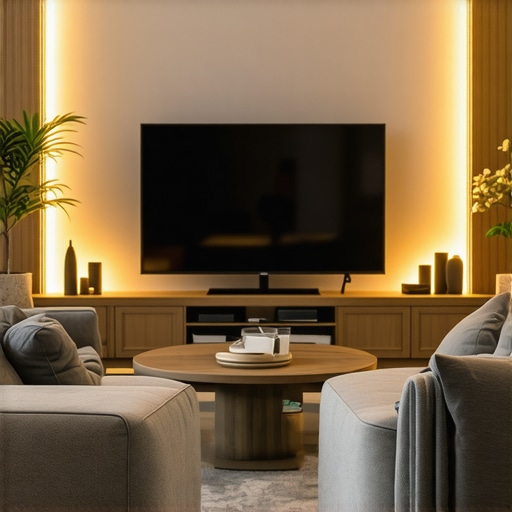
Strategic Planning and Technical Foundations for LED Strip Integration in Home Theater Environments
Implementing LED strip lighting in sophisticated home theater setups requires a nuanced understanding of ambient illumination principles, power management, and aesthetic cohesion. As an expert, I emphasize the importance of meticulous planning, including assessing room dimensions, light diffusion properties, and the compatibility of LED strips with existing audiovisual equipment. This foundational step ensures optimal placement for immersive effects and prevents issues such as uneven lighting or glare.
Optimizing Light Placement: Beyond Basic Installation Techniques
Advanced LED strip installation transcends mere adherence to manufacturer instructions. It involves strategic positioning—such as concealed mounting along architectural features, behind display units, or integrated within ceiling coves—to create seamless ambient effects. Leveraging professional-grade diffusers and dimming controls enhances the subtlety and dynamic range of the lighting, which is crucial for maintaining cinematic authenticity. Proper cable management and secure adhesion are vital to sustain long-term performance while preserving a clean aesthetic.
Harnessing Smart Controls and Synchronization for Elevated Ambiance
Integrating LED strips with home automation systems allows for synchronized lighting that adapts in real-time to media content. Using advanced controllers and apps, users can precisely calibrate color temperature, brightness, and scene transitions to complement different genres or moods. This level of control necessitates familiarity with protocols such as Zigbee, Z-Wave, or Wi-Fi-based systems, and may involve custom programming to achieve nuanced effects. The result is a truly immersive viewing experience that blurs the line between visual and ambient elements.
What Are the Challenges and Solutions for Ensuring Uniform Color Rendering in Multi-Zone Installations?
One complex inquiry pertains to maintaining consistent color rendering across multi-zone LED strip setups—an issue often rooted in voltage drop, inconsistent quality of LED components, or improper wiring. To mitigate these challenges, experts recommend deploying high-quality LEDs with uniform binning, incorporating power injection points at strategic intervals, and conducting thorough calibration using professional lighting measurement tools. These practices ensure harmonious color output, essential for the realism and immersion of high-end home theaters.
Encouraging Expert Contributions: Share Your LED Installation Insights
If you have developed innovative techniques or encountered specific challenges in LED strip installation, we invite you to share your expertise. Contributing your insights can elevate the collective knowledge base and help refine best practices in this rapidly evolving field. For further guidance, consult resources such as the Ultimate Guide to Bias Lights for Home Theater.
For a comprehensive understanding of the technical nuances involved in ambient lighting, consider reviewing academic publications such as the Journal of Lighting Engineering, which offers peer-reviewed insights into the latest innovations and standards.
Refining Your Ambient Lighting with Expert Calibration and Color Fidelity
Achieving true cinematic ambiance hinges on more than just installing LED strips; it requires meticulous calibration to ensure consistent color accuracy and luminance across all zones. As an industry expert, I recommend employing professional-grade measurement tools, such as spectroradiometers, to fine-tune the color rendering index (CRI) and color temperature. Regular calibration, especially after hardware modifications or updates, guarantees that your lighting remains synchronized with your visual experience. This practice is crucial when pairing LED strips with high dynamic range (HDR) content, where subtle color nuances significantly impact immersion.
Integrating Dynamic Lighting Effects: Beyond Static Illumination
Dynamic lighting can elevate your home theater from a static environment to a vibrant, responsive space. Using advanced controllers, you can program sequence effects like pulsing, color fades, or reactive lighting that responds to audio cues. This level of customization demands a deep understanding of DMX or Art-Net protocols, which are often used in professional lighting setups. Implementing these effects not only enhances the atmosphere but also provides a personalized touch that distinguishes high-end installations. For inspiration and technical guidance, explore our detailed guide on enhancing your home theater with expert LED strip lighting tips.
What Are the Limitations of Common LED Strips, and How Can Professionals Overcome Them?
Many enthusiasts encounter issues such as color inconsistency, flickering, or limited lifespan with standard LED strips. These problems often stem from poor-quality components, inadequate power management, or subpar installation practices. To counteract these limitations, professionals utilize high-binning LEDs, implement multiple power injection points, and employ specialized dimming systems that prevent voltage fluctuations. Incorporating these advanced techniques ensures longevity, stability, and precise color rendering — essential elements for a truly immersive home theater experience. For further insights, consult the ultimate guide to LED strip installation and ambient lighting tips.
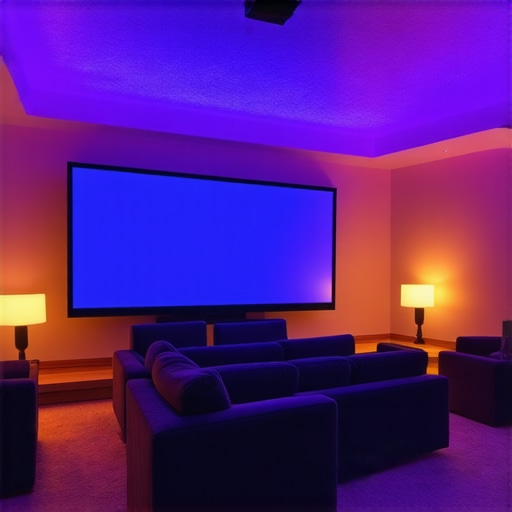
How Can Expert Knowledge of Lighting Dynamics Transform Your Viewing Experience?
Understanding the nuances of light diffusion, reflection, and color blending allows for the creation of a cohesive and immersive environment. For example, expert use of diffusers and indirect lighting techniques can eliminate hotspots and glare, ensuring visual comfort during extended viewing sessions. Moreover, integrating smart home systems with adaptive lighting algorithms can dynamically adjust ambient light based on content type, time of day, or user preference — a frontier in personalized entertainment environments. To deepen your understanding of these concepts, explore our comprehensive resource on bias lights and LED strips for home theater setup.
Mastering Color Fidelity: An Expert’s Deep Dive into Multi-Zone LED Setups for Home Theaters
Achieving seamless color consistency across multiple LED zones in a home theater demands a sophisticated understanding of electrical, optical, and material science principles. Variations in color rendering often stem from voltage drops, LED binning discrepancies, or suboptimal wiring configurations, which can compromise the immersive experience.
To counteract these challenges, experts recommend deploying high-quality LEDs with strict binning standards—ensuring each LED diode exhibits minimal variance in hue and luminance. Integrating multiple power injection points at regular intervals along the LED strips helps maintain uniform voltage levels, preventing color shift and flickering. Additionally, employing professional-grade calibration tools, such as spectroradiometers, allows for precise measurement of color temperature and CRI (Color Rendering Index), facilitating meticulous calibration to synchronize output across all zones.
Furthermore, advanced systems leverage smart controllers capable of independent zone calibration, enabling nuanced adjustments that compensate for inherent LED variations. This is particularly critical when integrating color-changing LEDs for dynamic effects or scene transitions, where even minor inconsistencies become visually perceptible.
What are the most effective calibration protocols to harmonize multi-zone LED lighting in high-end home theaters?
Calibration involves a series of detailed steps: starting with baseline measurement of each zone’s spectral output using a spectroradiometer, followed by software-based adjustments to align color temperatures and brightness levels. Professionals often utilize calibration software that interfaces with DMX or Art-Net controllers, allowing for precise, repeatable adjustments. Regular recalibration is advised, especially after hardware modifications or seasonal changes in ambient conditions, to maintain optimal color fidelity.
In addition, employing high-binning LEDs, combined with strategic power injection and meticulous wiring, minimizes voltage-induced color shifts, ensuring a stable, immersive viewing environment. For further insights, consult authoritative resources such as the comprehensive guide on LED calibration for home theaters.
Interested in elevating your setup? Consider consulting a professional lighting designer or a certified AV integrator who specializes in high-end home theater environments. Their expertise can help you navigate complex calibration procedures and select the right components for your specific space.
< >
>
The Future of LED Color Rendering: Innovations and Emerging Technologies
As the demand for ultra-realistic, vibrant home theater environments grows, so does the importance of advancing LED technology. Emerging developments such as quantum dot LEDs (QLEDs) and micro-LED arrays promise unparalleled color accuracy, higher CRI ratings, and broader color gamuts. These innovations are poised to revolutionize multi-zone lighting, offering near-perfect color uniformity and dynamic range.
Furthermore, integration with emerging smart home ecosystems and AI-driven calibration algorithms enables real-time adjustments, compensating for environmental variables or hardware aging. This convergence of hardware and software innovation heralds a new era where achieving perfect color harmony in multi-zone LED setups becomes more accessible and reliable than ever before.
To stay at the forefront of these technological shifts, developers and homeowners alike should keep abreast of industry reports, academic publications such as the Journal of Solid-State Lighting, and updates from leading LED manufacturers.
Ready to explore these cutting-edge solutions? Engage with industry forums or consult with LED technology experts to identify the most promising products and integration strategies for your high-end home theater.
Unveiling the Intricacies of Multi-Zone LED Color Consistency in Premium Home Theaters
Ensuring uniform color rendering across multiple LED zones involves a sophisticated interplay of high-precision hardware selection, meticulous wiring strategies, and advanced calibration techniques. Variations in voltage drops and LED binning discrepancies can subtly undermine visual harmony, yet expert interventions like strategic power injection points and the deployment of high-binning LEDs significantly mitigate these issues. Leveraging professional calibration tools, such as spectroradiometers, enables precise alignment of color temperature and CRI, fostering an immersive environment where every zone seamlessly blends into a cohesive visual narrative.
Innovative Calibration Protocols to Elevate Multi-Zone LED Performance
Implementing effective calibration protocols requires a layered approach: initial spectral measurements, software-based adjustments, and iterative fine-tuning. Utilizing calibration software that interfaces with DMX or Art-Net controllers allows for granular control over each zone’s output, ensuring consistency even amidst hardware aging or environmental fluctuations. Regular recalibration sessions, particularly after hardware updates or seasonal changes, preserve the integrity of the visual experience. This rigorous process transforms a standard setup into a finely tuned symphony of light, essential for discerning cinephiles and professional AV installers alike.
What Are the Cutting-Edge Technologies Poising to Revolutionize LED Color Fidelity?
Emerging technologies such as quantum dot LEDs (QLEDs) and micro-LED arrays promise unprecedented advancements in color accuracy, spectral range, and uniformity. These innovations are set to redefine the standards of ambient lighting, enabling near-perfect color harmony and dynamic adaptability. Furthermore, integration with AI-powered calibration systems and smart home ecosystems facilitates real-time adjustments, compensating for aging components and environmental variables with remarkable precision. This synergy of hardware and software heralds a new era where achieving impeccable color fidelity across multi-zone setups becomes increasingly accessible and reliable.
To remain at the forefront of these technological advancements, industry professionals and enthusiasts should consult authoritative sources like the Journal of Solid-State Lighting and participate in specialized industry forums dedicated to lighting innovation.
How can industry leaders and DIY enthusiasts leverage these innovations to enhance their home theater environments?
By staying informed about the latest developments, investing in high-quality components, and adopting rigorous calibration routines, users can significantly elevate their ambient lighting quality. Engaging with professional lighting designers or certified AV integrators can provide tailored solutions that maximize these cutting-edge technologies, ensuring both aesthetic excellence and functional longevity. Explore further by consulting industry reports and participating in specialized training sessions offered by leading lighting manufacturers.
Expert Insights & Advanced Considerations
Precision in Calibration Transforms Visual Fidelity
Mastering calibration techniques such as spectroradiometry ensures that multi-zone LED setups provide consistent and accurate color rendering, elevating the cinematic experience to professional standards.
Smart Control Systems Enable Dynamic Environments
Integrating DMX, Art-Net, or Zigbee protocols allows for real-time scene adaptation, creating immersive atmospheres that respond seamlessly to media content and user preferences.
Quality Components Are the Foundation of Longevity
Utilizing high-binning LEDs, strategic power injection, and professional-grade diffusers minimizes issues like color inconsistency and flickering, ensuring a durable, high-performance lighting system.
Innovative Technologies Lead the Future of Ambient Lighting
Emerging advancements such as quantum dot LEDs and micro-LED arrays promise unparalleled color accuracy and uniformity, paving the way for near-flawless multi-zone lighting environments.
Meticulous Planning and Expert Implementation Elevate Home Theater Aesthetics
Thoughtful placement along architectural features, combined with expert wiring and calibration, creates a cohesive ambiance that enhances both aesthetics and viewing comfort.
Curated Expert Resources
- Lighting Journal: Industry-leading peer-reviewed articles on the latest innovations in lighting technology, essential for staying abreast of cutting-edge developments.
- Home Theater Magazine: Practical guides and case studies from seasoned professionals that deepen technical understanding and inspire custom solutions.
- LED Professional: Technical standards, component analysis, and advancements in LED technology crucial for high-end installations.
- Professional Lighting Design Websites: Resources offering calibration protocols, wiring best practices, and integration strategies used by industry experts.
- Academic Journals (e.g., Journal of Solid-State Lighting): In-depth research articles on emerging LED technologies like QLEDs and micro-LEDs, informing future-proof installations.
Final Expert Perspective
Incorporating advanced LED strip lighting into home theaters demands a blend of precision calibration, strategic planning, and leveraging emerging technologies. As an expert, I emphasize that understanding the nuances of color fidelity, control systems, and component quality transforms a standard setup into a professional-grade environment. This approach not only enhances immersion but also ensures durability and adaptability for evolving entertainment needs. For those committed to excellence, continuous learning through authoritative resources and collaboration with industry specialists remains vital. Explore our comprehensive guides and consider engaging professional designers to realize your ideal cinematic haven. Your journey toward a flawless ambient lighting ecosystem begins with informed expertise and meticulous execution—embrace the challenge and elevate your home theater to new heights.
Leave a Reply