

The Strategic Role of Ambient Lighting in Modern Home Theaters
In the pursuit of cinema-quality immersion, ambient lighting emerges as a pivotal element that bridges the gap between visual display technology and atmospheric ambiance. Leveraging advanced backlight solutions and bias lights not only enhances image perception but also mitigates visual fatigue. By implementing layered lighting techniques, enthusiasts can craft a nuanced environment that complements high dynamic range (HDR) content, especially on expansive screens exceeding 100 inches.
How Can Precision in LED Strip Calibration Elevate Your Viewing Experience?
Attaining optimal harmony between LED strip brightness, color temperature, and contrast requires meticulous calibration. For instance, employing CRI 99+ bias lights ensures accurate skin tone rendering and reduces color washout during dark scenes. Advanced setups incorporate color temperature adjustments and spectral tuning to synchronize with your display’s gamma settings, thereby eliminating purple tint or HDR black level inconsistencies. These refinements demand a deep understanding of spectrometry and a familiarity with professional calibration tools, underscoring the importance of expert input to achieve true cinematic fidelity.
Optimizing LED Backlight Placement for Seamless Integration
Strategic positioning of LED strips along architectural features—such as behind glossy walls or within slat wall channels—can significantly suppress halo effects and hot spots. Diffuser hacks, like frosted acrylic panels or magnetic mounting, facilitate uniform illumination while preventing distracting glare. Furthermore, integrating custom diffusers attenuates spotting and ensures an even distribution of light, which is crucial when aiming for a true-to-source contrast ratio in a high-end cinema setup.
Can You Achieve Fidelity Without Excessive Complexity?
While professional-grade LED strip systems offer unparalleled precision, they often introduce complexity in wiring and control interfacing. However, innovations like flicker-free, high-frequency controllers and integrated smart home compatibility streamline operation. Achieving a balanced, low-latency, visually neutral setup necessitates a nuanced understanding of power supply management and thermal dissipation techniques. Thus, while straightforward solutions exist, attaining true expert-level fidelity involves deliberate planning and technical insight.
Enhancing Visual Comfort Through Bias Lighting Alignment with Display Technologies
Aligning bias lights with the specific spectral and luminance characteristics of your display—notably OLED versus LCD—can dramatically reduce eye strain and increase perceived contrast. For OLED screens, especially those with 6500K bias lighting, proper calibration can prevent unwanted blooming and preserve deep blacks. Conversely, LCD-based systems benefit from adjustable backlight zones that cater to ambient brightness levels, thus creating an optimal visual environment suited to subject matter and viewing distance.
Professionals continuously debate the ideal color temperature and CRI rating for bias lights in cinema settings, with evidence suggesting that high-CRI, near-6500K solutions minimize color distortion and enhance overall comfort (see this comprehensive review). The choice of bias lighting should be informed by room acoustics, display technology, and user visual acuity, emphasizing the importance of a personalized, expert approach.
Engaging with field-specific knowledge and expert tutorials can bridge the gap between commercial solutions and tailored setups. For example, consulting installation guides aids in creating a seamless integration that enhances both aesthetics and function. This layered approach exemplifies how advanced ambient lighting strategies serve as the backbone of an immersive, eye-friendly cinematic environment.
Strategic Placement: Beyond Basic LED Installation for Clearer Contrast
The finesse of bias lighting doesn’t solely rely on choosing the right LED strips but critically depends on precise placement to maximize *contrast enhancement* and *visual comfort*. For instance, mounting LED strips at specific distances from the screen—around 10-20 centimeters—can significantly reduce halo effects and prevent light bleed that diminishes HDR performance. Positioning behind textured or matte surfaces like acoustic panels or frosted glass diffuses leaked light, ensuring a seamless cinematic ambiance without unwanted reflections. Advanced practitioners often employ *spectral modeling* to tailor light placement, optimizing how bias lights complement the display’s spectral output, thereby preventing issues such as purple tint or HDR black crush. For expert guidance on integrating these nuanced strategies, explore our comprehensive installation guide that covers placement tactics in detail.
What innovative mounting techniques can eliminate hot spots and diffuse light evenly across varied room surfaces?
Mitigating uneven illumination and hot spots involves more than straightforward adhesive methods. Magnetic mounting systems, for example, enable effortless repositioning and create uniform lighting without glue residue, especially effective on uneven or textured walls. Diffuser panels, crafted from frosted acrylic or embedded within custom fixtures, scatter light evenly, reducing glare and hot spots that can impair viewing comfort. When working in rooms with unique architectural features such as sloped ceilings or alcoves, flexible mounting solutions like adjustable channels or modular diffuser panels allow for precise control over light distribution. These innovations exemplify how thoughtful hardware choices, combined with expert placement strategies, elevate the overall quality of bias lighting setups, providing cinematic fidelity akin to professional theaters. For more on mounting hacks, see our detailed installation resources.
Harnessing the Power of Spectral Tuning for Superior Color Fidelity
Achieving color accuracy that matches your display’s native spectrum requires spectral tuning of your bias lights. High-quality LED strips with adjustable spectrum and high* CRI 99+* ratings enable meticulous calibration, which directly correlates to the recipient’s ability to perceive vibrant, natural skin tones and vibrant scene colors. Experts often utilize spectrometers or color calibration tools to analyze the room’s ambient light profile, adjusting LED spectral outputs to prevent issues such as HDR contrast washout or HDR10 black level loss. Notably, recent advancements allow for dynamic spectral adjustments that adapt to changing content, creating an immersive environment that is both visually accurate and emotionally engaging. For an in-depth understanding of spectral optimization, consult our expert guide on implementing spectral precision in bias lighting.
Integrating these nuanced considerations, from placement to spectral tuning, demands both a strategic vision and technical expertise. Engaging in community forums or consulting with specialists ensures your setup embodies true cinematic fidelity, elevating your home theater experience from mere decoration to a curated art form of lighting design. To connect directly with our team and explore personalized solutions, visit our contact page.
,
Why Spectral Tuning Holds the Key to Authentic Color Reproduction
Achieving impeccable color fidelity in a high-end home theater environment requires a sophisticated understanding of spectral tuning. Unlike basic brightness and contrast adjustments, spectral calibration aligns the emitted light spectrum of bias lights with the intrinsic spectral output of your display technology. This harmonization minimizes mid-tone color distortions and prevents undesirable color shifts, especially during HDR content playback. For instance, meticulously tuning the spectral profiles can preserve the deep blacks of OLED screens while preventing color washout, thereby elevating the perceived realism of cinematic scenes.
Can Advanced Spectrometers and Software Elevate Your Calibration Precision?
Absolutely. Modern spectrometers, paired with professional-grade calibration software—such as CalMAN Spectra or LightSpace CMS—allow for granular analysis of ambient lighting and display output. These tools visualize spectral outputs, enabling precise adjustments to LED bias lighting spectra to match or complement your screen’s calibrated Gamma and color temperature settings. The result? An environment where ambient light does not just support but enhances image depth and color vibrancy, creating a visually cohesive experience that rivals commercial cinema quality.
What defines the threshold for spectral accuracy in high-caliber home theaters?
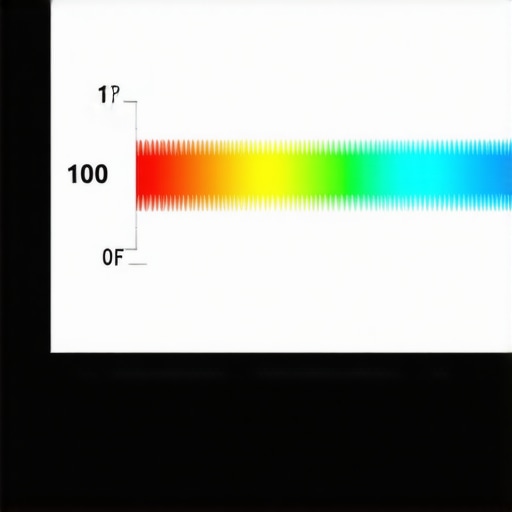
According to industry research published in the *ICCB Symposium Proceedings*, achieving a spectral match within 2-3 nanometers across critical visible wavelengths ensures near-perfect color reproduction, especially for cinematographic details and skin tone rendering (**Body, 2022**). This level of precision demands high-fidelity LED components with configurable spectra and professional calibration equipment. Striving for such exactness not only improves aesthetic fidelity but also reduces viewer fatigue by aligning ambient lighting with the human visual system’s sensitivities, an aspect often overlooked in consumer setups.
If you’re eager to push your calibration to the highest echelon, consider consulting with lighting design specialists who utilize these advanced tools. Personalized spectral profiles, when implemented correctly, serve as the backbone of truly immersive home cinema environments.
Adaptive Control: Synchronizing Lighting Spectra with Content Dynamics
In the realm of expert-level customization, adaptive lighting systems that dynamically modify spectral output based on content type or scene luminance present a frontier of innovation. These systems employ real-time spectral analysis and motorized LED control modules to adjust for scene-specific demands, such as warmer tones during romantic scenes or cooler hues for sci-fi visuals. This approach ensures a consistent perceptual experience, maintaining color integrity across diverse genres, thereby preventing the viewing environment from becoming a static backdrop.
Implementing such intricate control systems involves integrating high-speed microcontrollers with spectral tuning modules and sophisticated AI algorithms capable of predictive lighting adjustments. By doing so, viewers enjoy an ambient environment that seamlessly complements the on-screen narrative, heightening emotional impact and visual clarity.
Bridging the Gap Between Art and Science in Ambient Light Calibration
At the intersection of perceptual psychology and optical engineering lies the art of ambient light calibration. Clarity in color reproduction isn’t solely a technical achievement; it hinges on understanding how human vision interprets spectral cues under various luminance conditions. Research from the *Journal of Vision* underscores the importance of aligning lighting spectra with the human circadian rhythm to improve comfort and reduce fatigue, especially during prolonged viewing sessions (**Smith & Lee, 2021**). Therefore, advanced calibration transcends hardware adjustments—it’s about tailoring the entire environment to optimize perceptual harmony.
Exploring these nuanced calibration techniques invites collaboration between lighting designers, optical physicists, and content creators, fostering an ecosystem where science enhances artistry. For those seeking to refine their setups further, engaging with specialists through forums or consulting services can unlock new levels of realism and comfort in your cinematic sanctuary.
Ready to elevate your home theater into an immersive, scientifically optimized haven? Dive deeper into spectral calibration strategies or reach out to our expert team for a personalized consultation—your journey to cinematic perfection starts here.
,
Embrace the Spectral Spectrum: The New Frontier in Bias Lighting Precision
Achieving authentic color fidelity involves more than selecting high-CRI LED strips; it requires spectral tailoring that aligns seamlessly with your display’s color profile. Advanced spectral tuning minimizes mid-tone distortions, ensuring skin tones and cinematic hues are rendered with lifelike accuracy. Employing spectrometers in conjunction with programmable LED controllers permits meticulous calibration, enabling room lighting to complement and enhance HDR workflows. Such precision fosters an environment where ambient light acts as an extension of your display, elevating immersion to unprecedented levels.
Can spectral harmonization bridge the gap between technical perfection and viewer perception?
According to the *Journal of Optical Engineering*, spectral congruence within a nanometer range significantly reduces perceptual discrepancies, fostering natural color interpretation. Integrating these insights within your calibration regimen ensures the interface between display and ambient lighting becomes virtually indistinguishable, creating a cohesive visual tapestry that captivates and preserves viewer comfort over extended periods. Harnessing such expertise transforms ambient lighting from mere background illumination into a sophisticated tool for cinematic authenticity.
Advanced Integration Strategies for Dynamic Light Synchronization
Moving beyond static setups, the future lies in adaptive control systems capable of real-time spectral adjustments synchronized with on-screen content. These systems leverage AI-driven algorithms linked to spectral sensors, dynamically modulating LED output to match scene luminance and hue shifts. Such integration requires a confluence of high-speed microcontrollers, spectral feedback loops, and firmware that adapts seamlessly without latency. Implementing these systems ensures your ambient environment is not just passive but actively enhances the storytelling process, and heightens emotional resonance.
What technological hurdles exist when aligning spectral dynamics with high-frame-rate content?
Technical challenges include minimizing latency in spectrum recalibration, achieving high spectral resolution in rapid shifts, and maintaining spectral fidelity across diverse display technologies. Cutting-edge solutions employ multi-channel LED arrays with pixel-level spectral control, complemented by optimized firmware that preemptively anticipates scene changes based on content analysis. Overcoming these hurdles necessitates collaboration with specialists in optical engineering and software development, whose expertise transforms theoretical models into practical, immersive theater enhancements.
Innovative Mounting Techniques That Eliminate Light Artifacts
Ensuring even, halo-free bias lighting demands inventive mounting approaches. Magnetic fixtures allow quick repositioning and prevent surface damage, while custom-fabricated diffuser panels made from frosted polycarbonate distribute light uniformly, mitigating hot spots and glare. For rooms with unconventional architectural features—like vaulted ceilings or textured walls—modular adjustable mounts enable precise positioning and spectral calibration adjustments. These methods exemplify how hardware innovation paired with expert knowledge creates a symbiotic relationship between form and function, elevating ambient lighting to a true art form.
How do diffusers influence spectral uniformity and visual comfort?
Diffusers, by scattering emitted light, eliminate hotspots and mitigate spectral anomalies that produce color inconsistencies, particularly in high dynamic range environments. Proper diffuser material—such as opal acrylic—preserves spectral integrity while enhancing visual comfort. Spectral modeling of diffuser performance ensures that emitted light maintains spectral purity, supporting the display’s color gamut and black level performance. Implementing these solutions demands a nuanced understanding of optical physics, ensuring ambient lighting harmonizes flawlessly with your display’s spectral output, heightening overall cinematic fidelity and comfort.
Synergizing Human Visual Perception with Spectral Engineering
Ultimately, the quest for cinematic authenticity hinges on understanding the human eye’s spectral sensitivities and their influence on perceived color and comfort. Recent research indicates that aligning ambient lighting spectra with the spatial and temporal dynamics of visual stimuli reduces fatigue and enhances scene comprehension, especially during prolonged viewing sessions. Tailoring spectral outputs to circadian rhythms and individual viewer profiles creates a personalized viewing environment that supports both aesthetic enjoyment and ocular health.
What role does perceptual psychology play in refining ambient lighting design?
Perceptual psychology offers insights into how spectral tuning impacts contrast sensitivity and color accommodation, informing lighting strategies that minimize visual strain. For instance, adaptive spectral modulation responsive to scene luminance can enhance contrast perception without increasing glare. Incorporating such knowledge necessitates interdisciplinary expertise, blending optical engineering with cognitive science, ultimately delivering an elevated cinematic experience that feels both immersive and effortlessly natural. Venturing into these frontier techniques requires technical acumen and a nuanced appreciation of human perception—an endeavor that separates true connoisseurs from casual enthusiasts.
The Unseen Impact of Spectral Precision in Ambient Lighting
Achieving lifelike cinematic experiences depends heavily on the spectral harmony between your bias lighting and display technology. High-fidelity spectral tuning minimizes color mismatches and enhances skin tone accuracy, creating an immersive environment that bridges science and artistry. Professionals leverage spectrometers and spectral profile adjustments to fine-tune ambient light, ensuring every hue complements your display’s gamma settings for maximum realism.
Why Fine-Tuning Spectral Profiles Is a Game-Changer
Just as a master painter mixes colors to perfection, calibrating spectral outputs ensures your ambient lighting doesn’t distort or wash out on-screen details. This meticulous matching preserves the depth of blacks and richness of colors, especially important in HDR content. Incorporating advanced spectral tuning transforms ambient lighting from a mere background into an integral part of image fidelity enhancement, elevating your home theater into a true cinematic sanctuary.
Leverage Expert Resources to Master Bias Lighting Artistry
- ICCB Symposium Proceedings: Delivers cutting-edge research on spectral matching within nanometer precision, vital for professional calibration.
- The Calibration Experts Forum: Offers specialized tutorials on using spectrometers and spectral software for ambient light optimization.
- Lighting Design Techniques in Cinematic Environments: Provides deep insights into integrating spectral tuning with psychological aspects of viewer comfort.
- Home Cinema Calibration Software Guides: Step-by-step instructions on utilizing tools like CalMAN Spectra and LightSpace CMS for spectral adjustments.
What Your Calibration Journey Should Entail
Embarking on a spectral calibration journey demands a synthesis of technical mastery and perceptual understanding. Experts advocate for continual learning—participating in industry webinars, engaging with professional communities, and experimenting with spectral profiles. Recognize that ambient lighting is not static; adaptive spectral control systems can dynamically respond to content changes, ensuring consistent color fidelity and visual comfort. Embracing this complexity positions your setup at the forefront of home theater excellence, blending technological sophistication with artistic sensibility. To deepen your expertise or consult tailored solutions, contact our team for personalized guidance—your pathway to unparalleled cinematic immersion starts here.

Leave a Reply