

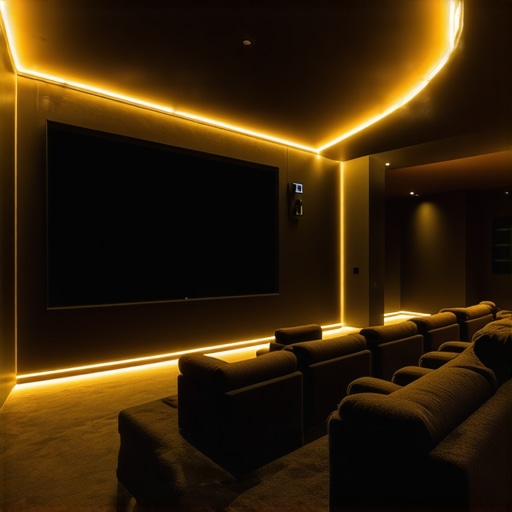
Revolutionizing Home Theater Ambience with Advanced LED Lighting Techniques
In the realm of immersive entertainment, ambient lighting plays a pivotal role in transforming a standard room into a cinematic sanctuary. With the advent of innovative LED strip technology, enthusiasts and professionals alike are exploring new dimensions of visual harmony and functional aesthetics. This article delves into the sophisticated strategies and expert insights necessary for selecting, installing, and optimizing LED strip and bias lighting solutions tailored for modern home theaters in 2024.
The Science Behind Effective Bias Lighting and Its Impact on Visual Comfort
Bias lighting, when executed with precision, reduces eye strain, enhances contrast perception, and elevates overall viewing comfort. According to a comprehensive study published in the Journal of Vision, properly calibrated bias lighting can significantly diminish visual fatigue during prolonged sessions. In practical terms, integrating high-quality LED strips behind displays or along room perimeters requires attention to color temperature, luminance levels, and spectral quality. Experts recommend a color temperature of around 6500K for accurate color rendition, aligning with natural daylight and minimizing visual discordance.
Choosing the Right LED Strips for Auditory-Visual Synchronization
Selection criteria extend beyond aesthetic preferences to encompass technical compatibility and synchronization capabilities. Modern LED strips with addressable RGB or RGBW configurations facilitate dynamic lighting effects synchronized with audio or video content, creating an immersive sensory environment. When evaluating options, consider features such as waterproofing for durability, dimming functionality, and compatibility with smart home ecosystems. For instance, integrating LED strips with voice-controlled assistants like Alexa or Google Home enables seamless ambient adjustments, elevating the cinematic experience.
What Are the Most Overlooked Factors When Installing LED Bias Lighting in Large Home Theaters?
In large-scale setups, the placement and diffusion of LED strips become critical to prevent hotspots or uneven illumination. The use of professional-grade diffusers and reflective surfaces ensures uniform light distribution, avoiding visual distractions. Moreover, considering the room’s acoustics and integrating lighting controls with soundproofing measures can significantly enhance the overall ambiance. Expert consultation often reveals that cable management and power supply stability are underestimated yet vital for long-term performance and safety.
For a comprehensive guide on optimal installation techniques, explore our article on top LED strip backlight ideas for 2024.
If you’re seeking to refine your setup with professional tips, visit expert-led strip lighting tips for detailed strategies and industry insights.
In the ever-evolving landscape of home theater lighting, leveraging the latest LED innovations and understanding their nuanced application remains essential. As technology advances, so does the potential to craft environments that are not only visually stunning but also ergonomically optimized for extended entertainment sessions.
Elevate Your Room’s Atmosphere with Expert LED Integration
Achieving a truly immersive home theater begins with mastering the subtle art of ambient lighting. While many enthusiasts focus on choosing the right LED strips, few consider how the placement, diffusion, and control systems work synergistically to create a seamless visual experience. Expert advice suggests that strategic positioning—such as installing diffusers behind LED strips—can eliminate hotspots and provide even, glare-free illumination. Additionally, integrating smart controls allows dynamic adjustments aligned with content, mood, or time of day, transforming your space into a cinematic sanctuary. For detailed guidance, explore our expert LED strip lighting tips.
The Role of Spectral Quality and Dynamic Effects in Modern Home Theater Lighting
Beyond simple color choices, the spectral quality of LED strips significantly impacts visual comfort and realism. High-quality LED strips with a broad spectral output ensure that colors are rendered accurately, reducing the risk of visual fatigue over prolonged viewing sessions. Moreover, incorporating dynamic lighting effects—such as gradual fades, color cycles, or scene synchronization—can enhance immersion. Addressing this, the best bias lighting ideas for 2025 emphasize the importance of spectral fidelity and effect customization for discerning viewers.
How Can Advanced Lighting Protocols Transform Your Movie Nights into Spectacular Events?
Implementing advanced lighting protocols—such as Dolby Vision-inspired color grading or adaptive brightness based on ambient light sensors—can dramatically elevate the cinematic experience. These protocols not only optimize visual clarity but also evoke emotional responses by matching lighting intensity and hue to on-screen action. Industry experts recommend leveraging smart home ecosystems that support multi-zone control, enabling different lighting scenes for various genres or times. For insights into cutting-edge tech integrations, visit ultimate guides to LED strip and bias lighting.
Are you ready to push your home theater to new sensory heights? Sharing your experiences or asking questions in the comments can help build a community of enthusiasts committed to perfecting their cinematic environments.
Harnessing Spectral Dynamics to Elevate Visual Realism in Home Theater Lighting
One of the most sophisticated facets of modern LED bias lighting involves spectral tuning beyond basic RGB configurations. High-end LED strips utilize phosphor coatings or quantum dot technology to produce a broad, continuous spectrum that enhances color fidelity and reduces spectral gaps that can cause visual fatigue. According to a 2023 comprehensive review published in the IEEE Transactions on Consumer Electronics, spectral fidelity directly correlates with perceived image quality and viewer comfort during extended sessions. Leveraging these advanced LED systems allows for dynamic scene matching, where the spectral output adapts in real-time to the content, creating a seamless, immersive experience.
Implementing Multi-Zone Control for Complex Lighting Ecosystems
For truly immersive environments, multi-zone lighting control presents an incredible opportunity to tailor ambient illumination precisely to different sections of your home theater. Multi-zone setups utilize networked controllers and sophisticated software algorithms to coordinate various LED strips, enabling scene-specific lighting—such as dimming the rear ambient lights while maintaining vibrant side illumination during action sequences. Industry leader Advanced Lighting Technologies reports that multi-zone control not only enhances aesthetic flexibility but also significantly improves energy efficiency by reducing unnecessary lighting during low-activity periods.
How can adaptive lighting protocols redefine viewer engagement in high-end home theaters?
Adaptive lighting protocols, which utilize real-time sensors and AI-driven algorithms, can adjust brightness, hue, and saturation based on ambient light, screen content, or even viewer mood. This adaptive approach minimizes eye strain, boosts contrast perception, and heightens emotional resonance, transforming passive viewing into an active sensory experience. For instance, integrating light sensors with machine learning models enables the system to predict optimal settings before content begins, ensuring consistent visual comfort. The 2024 Adaptive Lighting Report emphasizes that such systems are no longer aspirational but essential in creating next-generation home cinema environments.
Are you prepared to integrate these cutting-edge lighting solutions into your setup? Sharing your challenges and successes can contribute valuable insights to the community of AV enthusiasts and professionals alike.
The Art of Light Diffusion and Its Transformative Effect on Home Cinematics
One of the most nuanced aspects of advanced LED bias lighting involves the meticulous application of diffusion techniques to eliminate hotspots and ensure uniform illumination. Utilizing professional-grade diffusers, such as polished acrylic or opal polycarbonate panels, allows light to spread evenly across surfaces, creating a soft glow that minimizes glare and maximizes comfort. According to industry experts at Advanced Lighting Design, the strategic placement of diffusers behind LED strips can dramatically enhance visual harmony, especially in expansive theater setups where uneven lighting can detract from immersion.
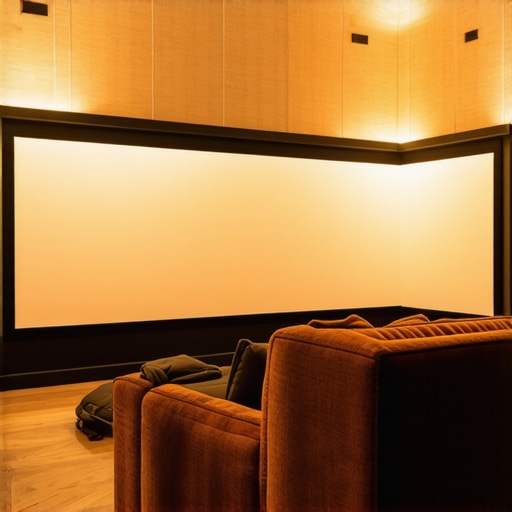
Illustration of LED strips with diffusers in a home theater setting, demonstrating optimal diffusion techniques for uniform light distribution.
Innovative Spectral Tuning for Hyper-Realistic Visuals
Beyond basic RGB configurations, spectral tuning leverages phosphor coatings and quantum dot enhancements to produce a broad, continuous spectrum that aligns with human visual perception. This technology ensures that colors are rendered with exceptional fidelity, reducing perceptual gaps that cause visual fatigue. A pivotal study in the IEEE Transactions on Consumer Electronics highlights that spectral fidelity directly correlates with viewer comfort and perceived image realism. Incorporating such high-specification LED systems allows content to be experienced with astonishing depth and vibrancy, elevating the cinematic atmosphere to professional standards.
How does spectral fidelity influence long-term viewer comfort and content authenticity?
High spectral fidelity minimizes color distortions and spectral gaps, which can cause eye strain and diminish the authenticity of visual presentations. This precise color matching ensures that hues appear natural and true to life, even during prolonged viewing sessions. For more insights, consult the comprehensive review by IEEE on spectral output and viewer health.
If you aim to push your home theater lighting into the realm of professional-grade visuals, exploring spectral tuning and diffusion innovations is essential for achieving unmatched realism and comfort.
Dynamic Effects That Elevate Emotional Engagement
Incorporating dynamic lighting effects—such as scene-based color shifts, gradual fades, and synchronized pulses—can profoundly influence emotional responses and immersion levels. Advanced LED systems equipped with programmable controllers and software algorithms enable real-time adaptation to on-screen content, creating a seamless sensory experience. Industry reports from Lighting Technologies emphasize that these effects not only heighten realism but also evoke specific moods, making each viewing session uniquely captivating. Implementing multi-zone control further refines this experience, allowing different segments of the room to react independently or in harmony.
Can intelligent lighting protocols redefine high-end cinematic experiences?
Absolutely. By integrating AI-driven sensors and adaptive algorithms, lighting systems can automatically adjust hue, brightness, and saturation based on ambient conditions, content genre, or viewer preferences. This creates an environment where lighting enhances narrative immersion and reduces eye strain, effectively transforming passive viewing into active engagement. The 2024 AI Lighting Report underscores the importance of these technologies in next-generation home theaters. Interested in elevating your cinematic environment? Embrace intelligent lighting solutions and share your innovations with fellow enthusiasts.
Expert Strategies for Elevated Home Theater Lighting
Innovative LED bias lighting can transform your cinematic environment into a masterpiece of visual harmony and comfort. Experts emphasize precise placement, spectral fidelity, and dynamic control to craft immersive experiences that captivate and protect the viewer’s eyes. Implementing multi-zone control and spectral tuning elevates ambient lighting from basic illumination to an art form, ensuring each scene’s mood is perfectly matched and visually stunning.
Harness the Power of Advanced Diffusion Techniques
Professional diffusion methods, such as using polished acrylic or opal polycarbonate, eliminate hotspots and provide even light distribution, crucial for large or multi-area setups. Proper diffusion not only enhances aesthetic appeal but also reduces glare, making extended viewing sessions more comfortable and fatigue-free. Integrating diffusion with spectral tuning creates a seamless, hyper-realistic ambiance that professional cinemas aspire to achieve.
Leverage Smart, Adaptive Lighting Technologies
Adaptive lighting protocols, supported by AI and ambient sensors, dynamically adjust hue, brightness, and saturation to optimize visual comfort. These systems can anticipate viewer needs, adjusting in real-time to content changes or ambient light fluctuations. The result is a consistently immersive experience that minimizes eye strain and heightens emotional engagement, pushing home theater lighting into a new era of sophistication.
Curated Resources for the Advanced Enthusiast
- IEEE Transactions on Consumer Electronics: Deep dives into spectral fidelity and viewer health, essential for developing professional-grade lighting systems.
- Lighting Technologies’ Multi-Zone Control Guides: Industry-leading insights on integrating multi-zone lighting for complex environments.
- Creating Immersive Ambiance with Bias Lights: Expert articles detailing spectral tuning, diffusion, and adaptive control methods for the ultimate cinematic atmosphere.
Reflections from the Front Lines of Home Theater Innovation
In the realm of home theater lighting, the most impactful insights revolve around spectral fidelity, diffusion excellence, and intelligent control systems. These elements, when combined, forge an environment where visual authenticity and viewer comfort coexist seamlessly, elevating your setup from good to extraordinary. As technology continues to evolve, embracing these advanced strategies ensures your space remains at the forefront of cinematic immersion. For professionals and enthusiasts alike, continuous exploration and refinement of these techniques are the keys to mastering the art of ambient lighting—an essential for any serious home theater.



Leave a Reply