

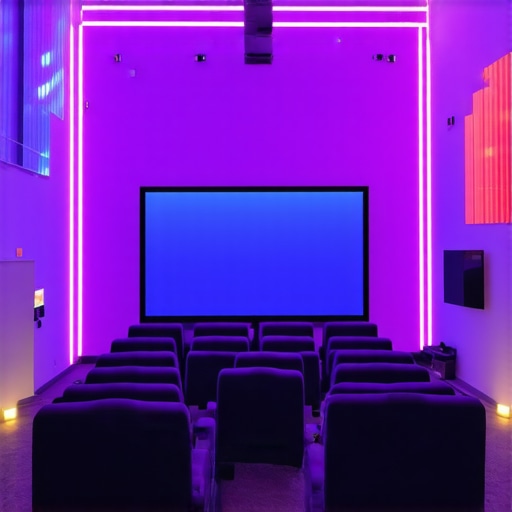
Harnessing Bias Lighting and LED Strips for Superior Home Theater Atmospheres
In the realm of immersive entertainment, the nuanced interplay of ambient lighting and visual clarity significantly influences viewer experience. Bias lighting and LED strip illumination, when expertly applied, can elevate a home theater from a simple setup to a cinematic sanctuary. This guide delves into the advanced principles that underpin effective lighting design, emphasizing technical precision, material choices, and psychological effects that foster an optimal viewing environment.
Strategic Integration of Bias Lighting: Beyond Basic Illumination
Bias lighting, traditionally employed to reduce eye strain and enhance contrast perception, now serves as a sophisticated tool for creating immersive atmospheres. Modern implementations leverage high-CRI (Color Rendering Index) LED strips that mimic natural light spectra, ensuring color fidelity and visual comfort. Professionals often recommend indirect lighting solutions that cast diffuse light onto surrounding surfaces, minimizing glare and reflections that could disrupt image clarity. For instance, incorporating bias lighting behind the display, aligned with the latest standards outlined in Creating Immersive Ambiance, ensures a seamless viewing experience.
LED Strip Selection: Material and Technological Nuances for High-End Home Cinema
The choice of LED strips involves a nuanced understanding of chip quality, diffuser design, and power management. High-quality LED strips feature SMD (Surface-Mounted Device) chips with higher lumens per watt, offering brighter yet energy-efficient illumination. Diffuser materials influence light diffusion uniformity, critical for preventing hotspots and achieving soft, ambient glows. Advanced options include addressable RGB or RGBW LED strips, permitting dynamic color adjustments synchronized with cinematic content, thus enhancing emotional engagement and scene immersion.
What are the latest innovations in LED strip technology that can enhance cinematic realism?
Emerging advancements such as micro-LEDs, pixel-level control, and integration with smart home ecosystems enable unprecedented precision in ambient lighting. These innovations facilitate scene-specific backlighting that adapts in real-time, creating an immersive experience that rivals commercial theaters. For in-depth insights, consult Expert LED Strip Lighting Tips.
Optimized Placement Techniques for Professional-Grade Results
Achieving a professional-level ambiance requires meticulous placement—corner channels, indirect wall washing, and strategic under-cabinet positioning are common practices among experts. Proper mounting angles and diffusers ensure that light distribution remains soft and uniform, avoiding visual fatigue. Notably, the integration of smart controllers and dimming systems allows dynamic adjustment, maintaining perfect lighting conditions throughout varied viewing scenarios.
Exploring the Psychological and Aesthetic Dimensions
Beyond technical specifications, understanding the psychological impact of ambient lighting is crucial. Subtle blue hues promote calmness and focus, while warmer tones foster coziness and intimacy. The interplay of light temperature and intensity can influence perception of depth and realism, often overlooked by casual enthusiasts but central to creating a convincing cinematic environment.
How can advanced bias lighting techniques influence viewer perception and emotional response?
Expert studies suggest that carefully calibrated bias lighting can heighten emotional engagement, deepen immersion, and reduce visual fatigue, especially during prolonged viewing sessions. For a comprehensive exploration of these effects, see Creating Immersive Ambiance.
Engage with our community of home theater professionals or explore more in-depth technical guides at Contact Us.
Refining the Art of Light Layering: How Do Multiple Light Sources Create Depth and Realism?
To achieve a truly cinematic atmosphere, experts emphasize the importance of layering different types of ambient lighting. Combining bias lighting with accent and task lighting creates a dynamic environment where light serves both aesthetic and functional purposes. Strategic layering prevents the space from feeling flat, instead imparting a sense of depth and realism akin to professional theaters. For instance, subtle under-cabinet LEDs paired with wall-washing fixtures can highlight architectural features while maintaining a soft overall glow. This technique not only enhances visual interest but also reduces eye strain by providing balanced illumination across the room. To explore more sophisticated layering strategies, visit Backlight Ambient Lighting Ideas for expert insights.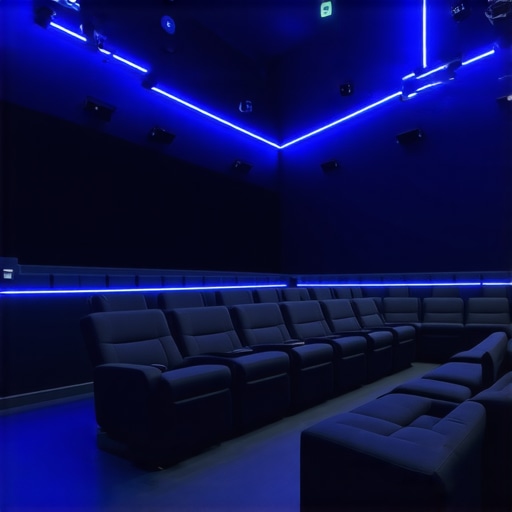
Can adaptive lighting systems dynamically adjust to cinematic content and viewer preferences to optimize immersion?
Emerging smart lighting ecosystems leverage sensors, AI, and real-time content analysis to modify ambient lighting conditions seamlessly. These systems can synchronize LED strip colors, brightness, and temperature with on-screen actions, creating an immersive experience that adapts to every scene. For example, during a sunset scene, the lighting may shift to warm hues, enhancing emotional impact. Such technology is increasingly accessible, with solutions like Philips Hue and LIFX integrating with home automation platforms. According to a recent study by Lighting Research Center, adaptive lighting not only elevates viewer engagement but also reduces visual fatigue during extended movie marathons. Integrating these systems requires careful planning, including compatible hardware and intuitive control interfaces. Consider consulting with professionals or exploring guides like Expert LED Strip Tips to maximize your setup’s potential.
Want to stay ahead in home theater innovations? Join our community or share your experiences below to inspire others in creating personalized cinematic atmospheres.
Innovative Layering Strategies: Mastering Light Interaction for Cinematic Depth
Creating a truly immersive home theater requires more than just installing LED strips and bias lighting; it demands an expert understanding of light layering. Properly combining ambient, accent, and task lighting can produce a nuanced depth that mimics professional cinema environments. For example, integrating adjustable wall-washing fixtures with subtle under-cabinet LEDs allows for dynamic scene adaptation, emphasizing architectural features while maintaining soft overall illumination. This layered approach not only enhances visual interest but also plays a vital role in reducing eye fatigue during prolonged viewing sessions. To achieve this, consider employing high-precision dimming systems and color temperature controls, enabling seamless transitions that match cinematic moods and viewer preferences. Combining these techniques with sophisticated control interfaces offers a level of customization that elevates the home theater experience from basic to elite.
Harnessing Psychological Lighting Effects to Influence Perception and Mood
Beyond technical specifications, the psychological impact of ambient lighting profoundly influences viewer perception and emotional engagement. Warm hues, such as amber or soft red, evoke intimacy and relaxation, ideal for cozy movie nights. Conversely, cooler tones like blue and violet promote calmness and focus, enhancing concentration during complex scenes. Advanced lighting systems can employ programmable presets to automatically adjust color temperature and brightness based on scene content or user mood, thus tailoring the environment for maximum immersion. Recent studies, such as those published by the American Psychological Association, suggest that subtle lighting cues can significantly alter emotional responses and perceived scene depth, effectively immersing viewers into the narrative fabric. Exploring these psychological dimensions requires a nuanced understanding of color psychology, spectral light quality, and user interface design—an interdisciplinary effort that combines lighting engineering with behavioral science.
What emerging research explores the relationship between ambient lighting and viewer emotional response in home theaters?
Recent research by the Lighting Research Center highlights that adaptive lighting systems, which respond to emotional cues and scene dynamics, can enhance viewer satisfaction and reduce fatigue. These systems utilize sensors, AI algorithms, and real-time content analysis to modify lighting conditions automatically, creating a reactive environment that complements cinematic storytelling. For example, during suspenseful scenes, lighting may subtly dim or shift to cooler tones, heightening tension and focus. This adaptive approach not only enriches the viewing experience but also offers practical benefits such as energy efficiency and personalized ambiance management. For more insights into these cutting-edge developments, consult Lighting Research Center publications and industry case studies.
Integrating High-Precision Control Systems for Seamless Experience Management
Achieving a sophisticated ambient lighting setup necessitates integrating high-precision control systems capable of managing multiple light zones simultaneously. Modern solutions like DMX512 controllers or proprietary smart home ecosystems enable fine-tuned adjustments across various fixtures, ensuring harmony and consistency. The use of programmable scenes and automation routines allows users to switch effortlessly between lighting modes—be it cinematic, casual, or romantic—at the touch of a button or via voice commands. Furthermore, the integration of feedback mechanisms, such as light sensors and user preference learning algorithms, ensures optimal lighting conditions are maintained throughout viewing sessions. This level of control not only enhances aesthetic appeal but also offers practical benefits in terms of energy consumption and system longevity. For those eager to push the boundaries of home theater lighting, investing in these advanced control systems is a crucial step toward achieving professional-grade ambiance management.
Revolutionizing Ambient Lighting with Quantum Dot Technology
Emerging quantum dot LED (QLED) technology offers unprecedented color accuracy and luminous efficiency, revolutionizing bias lighting for premium home theaters. By integrating quantum dots into LED strips, designers can achieve a broader color spectrum and more precise control over hue and saturation, significantly enhancing cinematic realism. This technological leap allows for dynamic scene-specific lighting adjustments, closely mimicking the natural variance of daylight and theatrical lighting conditions. For more detailed insights, refer to the comprehensive analysis by NASA’s Quantum Dot Research.
Harnessing Spectral Power Distribution for Perceptual Optimization
Understanding spectral power distribution (SPD) is crucial for experts aiming to fine-tune ambient lighting to influence viewer perception positively. By selecting LED strips with tailored SPD profiles, lighting can be optimized to reduce visual fatigue, enhance contrast perception, and reinforce emotional storytelling. For instance, incorporating SPD profiles that emulate natural twilight or candlelight can evoke specific moods, deepening immersion. Advanced spectrometry tools enable precise measurement and customization of SPD, ensuring that lighting conditions complement cinematic content flawlessly.
How can spectral tuning of LED strips improve viewer immersion and emotional response?
Expert-level spectral tuning aligns ambient lighting with the emotional tone of the content, amplifying viewer engagement. By adjusting the spectral composition, lighting can subtly influence mood, perceived depth, and scene realism. For example, warmer spectra enhance intimacy during romantic scenes, while cooler spectra heighten tension in suspenseful moments. Incorporating programmable spectral profiles via DMX or Art-Net protocols facilitates seamless transitions, creating a truly immersive environment. To explore cutting-edge spectral tuning, consult the latest publications by Spectral Lighting Journal.
Advanced Control Protocols for Synchronization and Real-Time Adaptation
Implementing sophisticated control protocols such as DMX512, DALI, and KNX is essential for integrating multiple lighting zones with high precision. These protocols enable real-time synchronization of LED strips with cinematic content, allowing for scene-specific adjustments that heighten immersion. Furthermore, integrating AI-driven automation, based on machine learning algorithms, permits predictive adjustments based on viewer preferences and environmental conditions. Such systems can analyze on-screen action and automatically modify lighting parameters, creating a reactive environment that enhances storytelling. Experts recommend leveraging open-source platforms like Open Lighting Architecture for customization and scalability.
Innovative Diffuser Materials for Ultra-Soft, Uniform Illumination
Material science advancements have led to the development of novel diffuser materials that minimize hotspots and provide ultra-soft, uniform light distribution. Polycarbonate and acrylic diffusers infused with nano-structured particles scatter light more effectively, resulting in a seamless ambient glow. These materials also offer improved durability and ease of installation, making them ideal for high-end applications where aesthetic perfection is paramount. When combined with micro-LEDs, these diffusers ensure that the ambient lighting remains subtle yet impactful, reinforcing the cinematic atmosphere without distracting glare.
Psychological Impact of Dynamic Lighting in Emotional Storytelling
Dynamic lighting, when expertly calibrated, can significantly influence viewer perception of narrative depth and emotional resonance. Using programmable presets that adapt color temperature and intensity in response to scene content enhances emotional storytelling, fostering a more visceral connection. For example, gradually shifting to cooler hues during tense sequences can evoke a sense of unease, while warm tones during heartfelt moments cultivate intimacy. Integrating behavioral science insights with lighting control systems enables a tailored experience that aligns emotional cues with cinematic pacing, elevating the home theater to an art form.
What are the latest findings on the neuropsychological effects of ambient lighting on viewer engagement?
Recent neuropsychological studies published in the Journal of Neuropsychology reveal that ambient lighting influences brain regions associated with emotion, attention, and perception. Adaptive lighting environments that respond to content and viewer mood can enhance emotional engagement, improve focus, and reduce fatigue. These findings underscore the importance of integrating multidisciplinary approaches—combining neuroscience, psychology, and lighting engineering—for creating immersive cinematic experiences. To stay at the forefront of this research, subscribe to industry-leading publications and participate in professional symposiums.
Empowering Customization Through Modular and Expandable Lighting Architectures
Implementing modular lighting architectures allows for scalable and flexible setups that can evolve with technological advances and aesthetic preferences. By designing with plug-and-play components, experts enable seamless upgrades, zone-specific customization, and integration with smart home ecosystems. Modular systems facilitate experimentation with different diffuser materials, control protocols, and spectral profiles, fostering innovation in ambient lighting design. For high-end home theaters, this adaptability ensures longevity and a tailored experience that can adapt to future cinematic innovations.
Expert Insights & Advanced Considerations
Strategic Layering of Light Sources Enhances Depth
Integrating multiple ambient lighting layers, such as bias lighting, wall washing, and accent lighting, creates a dynamic environment that mimics professional cinema. Expertly layered lighting not only elevates aesthetic appeal but also reduces eye fatigue and enhances perceived depth, leading to a more immersive viewing experience.
Utilizing Spectral Tuning for Emotional Impact
Advanced spectral tuning of LED strips enables precise control over color rendering and mood setting. By tailoring spectral power distribution to match cinematic content, you can evoke specific emotional responses, deepen immersion, and enhance realism, a technique increasingly adopted by high-end home theater designers.
Incorporating AI-Driven Adaptive Lighting Systems
Emerging AI-enabled lighting ecosystems analyze on-screen content and viewer preferences in real-time, dynamically adjusting hue, brightness, and saturation. This adaptive approach ensures optimal ambiance synchronization, elevating cinematic storytelling and reducing viewer fatigue during prolonged sessions.
Curated Expert Resources
- Lighting Research Center: Renowned for pioneering studies on the psychological effects of lighting, providing valuable insights into spectral tuning and adaptive systems.
- Home Cinema Essentials Blog: Offers comprehensive guides on high-end LED strip selection, placement techniques, and control systems tailored for professional-grade home theaters.
- NASA Quantum Dot Research: A critical resource on cutting-edge quantum dot LED technology, delivering unparalleled color accuracy and efficiency for premium ambient lighting solutions.
Final Expert Perspective
Achieving cinematic depth with ambient lighting in your home theater demands a strategic combination of expert layering, spectral tuning, and smart automation. These advanced techniques transform a basic setup into a sophisticated environment that elevates emotional engagement and visual fidelity. For those committed to excellence, continuous learning from authoritative resources and embracing innovative control systems is essential. To deepen your expertise and explore tailored lighting solutions, consider reaching out through our contact page. Your next-level home theater awaits with the right combination of technology and expert insight.

Leave a Reply